Back pain is one of the most common health concerns among older adults, affecting mobility, independence, sleep, and overall quality of life. As people age, natural changes in the spine, muscles, joints, and connective tissues can increase susceptibility to discomfort and injury. However, back pain is not an inevitable consequence of aging, and many older adults can maintain active, fulfilling lives with appropriate treatment and preventive care.
Chronic back pain can also contribute to emotional distress, social isolation, and increased reliance on pain medications. For some individuals, managing persistent pain becomes especially challenging when they have a history of substance use disorder or concerns about prescription opioid dependence.
Understanding the causes of age-related back pain and developing effective self-management, family support, and community-based strategies can help older adults maintain independence while reducing unnecessary suffering.
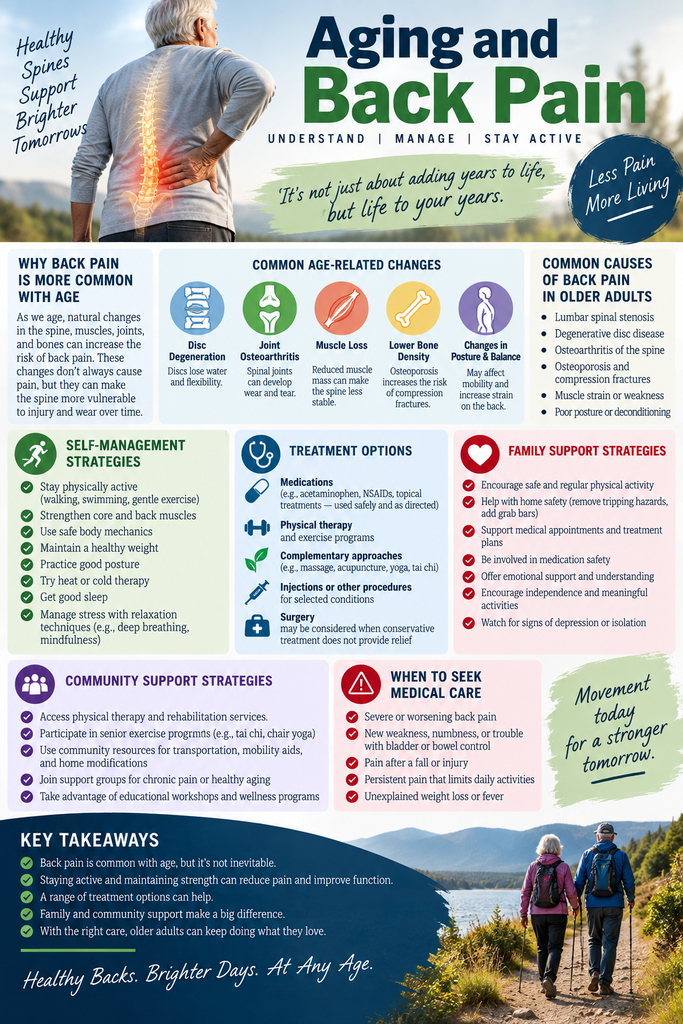
Why Does Back Pain Become More Common With Age?
The spine undergoes structural and functional changes throughout life. Intervertebral discs gradually lose water content and elasticity, muscles may weaken, and spinal joints can develop degenerative changes.
These changes may contribute to pain, stiffness, reduced flexibility, and difficulty performing everyday activities.
However, degenerative findings on imaging are common even among people without back pain. Spinal degeneration does not necessarily mean it is the source of a person’s symptoms.
Common Age-Related Changes Affecting the Spine
Intervertebral disc degeneration
Spinal discs act as cushions between the vertebrae. With aging, they may lose hydration and height, which can contribute to stiffness or altered spinal mechanics.
Facet joint osteoarthritis
The small joints connecting the vertebrae may develop degenerative changes, sometimes contributing to localized back pain and reduced mobility.
Loss of muscle mass
Age-related muscle loss, known as sarcopenia, can reduce strength and physical endurance. Weakness in the muscles supporting the spine may contribute to functional limitations.
Reduced bone density
Osteoporosis increases the risk of vertebral compression fractures, which can cause sudden or persistent back pain.
Changes in posture and balance
Reduced muscle strength, joint stiffness, and altered spinal alignment may affect posture, walking, and balance.
Maintaining physical activity and muscle strength can help reduce functional decline associated with these changes.
Common Causes of Back Pain in Older Adults
Although age-related spinal changes are common, back pain can arise from several different conditions.
Identifying the underlying cause is essential for selecting appropriate treatment.
1. Lumbar Spinal Stenosis
Lumbar spinal stenosis occurs when the spinal canal or spaces surrounding the spinal nerves become narrowed.
This narrowing may compress or irritate nerve structures, producing symptoms such as:
- Lower back pain.
- Pain radiating into the buttocks or legs.
- Numbness or tingling in the lower extremities.
- Leg weakness.
- Difficulty walking or standing for prolonged periods.
Symptoms often worsen during standing or walking and improve when sitting or bending forward.
Treatment may include physical therapy, medications, selected spinal injections, or surgical evaluation when symptoms are severe or progressive.
2. Degenerative Disc Disease
Degenerative disc disease refers to age-related changes in the intervertebral discs.
Although the term includes the word “disease,” disc degeneration is frequently part of normal aging.
Some individuals experience localized back pain, while others have no symptoms.
Treatment generally emphasizes physical activity, rehabilitation, and symptom management rather than attempting to reverse normal structural changes.
3. Osteoarthritis of the Spine
Spinal osteoarthritis involves degenerative changes in the joints and surrounding structures.
Symptoms may include:
- Morning stiffness.
- Localized back discomfort.
- Reduced spinal flexibility.
- Pain associated with certain movements.
Treatment may involve exercise, physical therapy, and medications when appropriate.
4. Osteoporosis and Vertebral Compression Fractures
Osteoporosis weakens bones and increases fracture risk.
Vertebral compression fractures may occur after a minor fall, lifting an object, or even routine movement in individuals with significant bone loss.
Warning signs include:
- Sudden back pain.
- Pain that worsens with standing or walking.
- Loss of height.
- Increasing spinal curvature.
- Difficulty performing normal activities.
New, severe back pain in an older adult with osteoporosis warrants prompt medical evaluation.
5. Muscle Strain and Reduced Physical Conditioning
Muscle strain can occur after lifting, twisting, prolonged inactivity, or sudden increases in physical activity.
Age-related muscle loss and reduced conditioning may increase susceptibility to injury.
However, most uncomplicated muscle-related back pain improves with conservative management and gradual return to normal activity.
Self-Management Strategies: Maintaining Mobility and Reducing Pain
Self-management plays an important role in helping older adults maintain physical function and manage chronic back pain.
The goal is not necessarily to eliminate every sensation of discomfort but to improve mobility, independence, sleep, and quality of life.
1. Stay Physically Active
Prolonged bed rest can contribute to muscle weakness, stiffness, and reduced physical endurance.
Most individuals with uncomplicated back pain benefit from remaining active within their tolerance.
Helpful activities include:
- Walking.
- Swimming or water-based exercise.
- Stationary cycling.
- Gentle stretching.
- Low-impact aerobic exercise.
- Strength and balance training.
Adapt exercise programs to individual medical conditions, physical limitations, and functional goals.
Older adults with severe osteoporosis, recent fractures, or significant neurological symptoms should obtain medical guidance before beginning a new exercise program.
2. Strengthen the Muscles Supporting the Spine
The abdominal, back, hip, and pelvic muscles contribute to spinal stability and movement.
A physical therapist can develop an individualized strengthening program that may include:
- Modified abdominal strengthening.
- Gluteal strengthening.
- Hip mobility exercises.
- Gentle spinal stabilization exercises.
- Balance and coordination training.
Exercise should progress gradually, with adjustments based on symptoms and physical abilities.
3. Practice Safe Body Mechanics
Older adults can reduce unnecessary strain during daily activities by modifying how they lift, bend, and carry objects.
Helpful strategies include:
- Keeping objects close to the body when lifting.
- Avoiding sudden twisting while carrying heavy items.
- Using assistive devices when appropriate.
- Breaking large tasks into smaller activities.
- Adjusting work surfaces to comfortable heights.
- Asking for assistance with tasks that exceed physical capabilities.
No single posture or lifting technique prevents all back pain. The goal is to use comfortable movement patterns and avoid activities that exceed current physical capacity.
4. Maintain Healthy Sleep Habits
Chronic pain can interfere with sleep, while poor sleep may increase pain sensitivity.
Helpful strategies include:
- Maintaining consistent sleep and wake times.
- Using pillows to support comfortable sleeping positions.
- Keeping the bedroom cool, quiet, and dark.
- Avoiding excessive caffeine late in the day.
- Practicing relaxation techniques before bedtime.
Persistent insomnia may benefit from cognitive behavioral therapy for insomnia (CBT-I).
5. Use Heat or Cold Therapy
Heat therapy may help relieve muscle stiffness and improve comfort.
Cold therapy may provide temporary relief following an acute muscle strain or injury.
Older adults with reduced skin sensation, impaired circulation, or cognitive difficulties should use additional caution to prevent burns or cold-related skin injury.
Pain Medication Safety: Aging, Opioids, and Addiction Risk
Managing chronic back pain in older adults requires careful consideration of medication benefits, adverse effects, and potential interactions.
Age-related changes in kidney and liver function can alter how medications are processed.
Older adults may also take multiple medications, increasing the risk of drug interactions.
Nonopioid Pain Medications
Acetaminophen
Acetaminophen may provide relief for certain painful conditions, although evidence suggests limited benefit for nonspecific low back pain.
Excessive doses can cause serious liver injury.
Patients should review all prescription and over-the-counter medications to avoid unintentionally taking multiple products containing acetaminophen.
Nonsteroidal anti-inflammatory drugs (NSAIDs)
NSAIDs such as ibuprofen and naproxen may provide short-term relief for some individuals.
However, older adults have an increased risk of gastrointestinal bleeding, kidney injury, fluid retention, and cardiovascular complications.
NSAIDs should be used cautiously, particularly in individuals with chronic kidney disease, heart failure, a history of gastrointestinal bleeding, or those taking anticoagulants.
Topical medications
Certain topical treatments may provide localized relief with less systemic exposure than oral medications.
However, their effectiveness varies depending on the underlying cause of pain.
Opioid Medications
Opioids may be appropriate for selected patients experiencing severe pain, but they are generally not preferred as routine first-line treatment for chronic nonspecific low back pain.
Potential risks include:
- Sedation and impaired coordination.
- Falls and fractures.
- Constipation.
- Respiratory depression.
- Physical dependence.
- Opioid use disorder.
- Dangerous interactions with alcohol, benzodiazepines, and other sedatives.
Patients receiving opioids should have an individualized treatment plan that includes monitoring of pain relief, physical functioning, adverse effects, and medication safety.
Physical dependence is not the same as addiction. A patient may develop physical dependence during appropriate opioid treatment without meeting the diagnostic criteria for opioid use disorder.
Patients should not abruptly discontinue long-term opioid therapy without medical guidance.
What if an Older Adult Has Both Chronic Pain and Opioid Use Disorder?
Both conditions deserve appropriate treatment.
An integrated approach may include:
- Assessment by an addiction medicine specialist.
- Nonopioid pain-management strategies.
- Physical therapy and rehabilitation.
- Behavioral healthcare.
- Medication treatment for opioid use disorder when indicated.
- Ongoing monitoring of pain, function, and treatment response.
Buprenorphine may be particularly useful for selected patients because it can treat opioid use disorder and provide analgesic effects.
Treatment should be individualized rather than automatically withholding necessary pain relief from someone with a history of addiction.
Family Support Strategies: Helping Older Adults Maintain Independence
Family members can play an important role in helping older adults manage back pain while preserving independence and personal dignity.
However, excessive assistance may unintentionally reduce opportunities for physical activity and self-management.
The goal is to provide appropriate support without unnecessarily limiting autonomy.
1. Encourage Safe Physical Activity
Families can help older adults remain active by:
- Participating in regular walks together.
- Encouraging prescribed physical therapy exercises.
- Helping establish realistic activity goals.
- Providing transportation to rehabilitation appointments.
- Supporting gradual increases in physical activity.
- Recognizing when pain or mobility limitations require medical reassessment.
Family members should avoid pressuring someone to exercise through severe or worsening symptoms.
2. Improve Home Safety
Back pain, muscle weakness, and certain medications may increase fall risk.
Helpful home modifications include:
- Removing loose rugs and clutter.
- Improving lighting in hallways and stairways.
- Installing grab bars when appropriate.
- Using nonslip bathroom surfaces.
- Keeping frequently used items within reach.
- Considering mobility aids when recommended by healthcare professionals.
A physical or occupational therapist can assess individual needs and recommend appropriate modifications.
3. Support Medication Safety
Older adults may have complex medication regimens involving prescription medications, over-the-counter products, and supplements.
Family members can help by:
- Maintaining an updated medication list.
- Encouraging regular medication reviews.
- Monitoring for unusual drowsiness, confusion, or balance problems.
- Supporting safe medication storage.
- Helping patients communicate medication concerns to healthcare professionals.
Medication assistance should respect the older adult’s preferences and decision-making capacity.
4. Recognize Emotional and Social Challenges
Persistent back pain may limit participation in social activities and contribute to loneliness or emotional distress.
Families can provide support through regular communication, shared activities, and encouragement to maintain meaningful relationships.
Older adults experiencing persistent sadness, anxiety, or loss of interest in previously enjoyable activities may benefit from professional mental health evaluation.
5. Encourage Independence
Family support should promote confidence and functional ability.
Rather than automatically completing every task for an older adult, relatives can help identify safe ways for the individual to remain involved in daily activities.
Maintaining independence can support self-esteem, physical conditioning, and quality of life.
Community Support Strategies: Improving Access to Back Pain Care
Effective back pain management often requires access to healthcare, rehabilitation, transportation, and social support.
Community-based programs can help older adults remain active and reduce barriers to treatment.
1. Physical Therapy and Rehabilitation Services
Physical therapists can assess movement patterns, muscle strength, balance, and functional limitations.
Treatment may include:
- Individualized strengthening exercises.
- Mobility training.
- Balance and fall-prevention exercises.
- Education about safe movement.
- Gradual return to normal activities.
- Home exercise programs.
2. Community Exercise Programs
Senior centers, community recreation facilities, and local wellness programs may offer exercise classes designed for older adults.
Options may include:
- Chair-based exercise.
- Water aerobics.
- Tai chi.
- Gentle yoga.
- Walking groups.
- Strength and balance classes.
Programs should accommodate individual physical abilities and medical conditions.
3. Multidisciplinary Pain Management
Older adults with persistent or complex back pain may benefit from coordinated care involving:
- Primary care providers.
- Physical therapists.
- Pain management specialists.
- Geriatricians.
- Behavioral health professionals.
- Pharmacists.
- Social workers.
Multidisciplinary treatment can address physical symptoms, medication safety, emotional well-being, and barriers to daily functioning.
4. Community Resources for Addiction and Chronic Pain
Older adults experiencing both chronic pain and substance use disorders may benefit from specialized treatment programs.
Resources may include:
- Addiction medicine clinics.
- Medication treatment for opioid use disorder.
- Behavioral health counseling.
- Peer recovery support.
- Chronic pain self-management programs.
- Community mental health services.
Healthcare professionals should recognize that older adults can develop substance use disorders and may require age-appropriate screening and treatment.
When Is Back Pain a Medical Emergency?
Although most back pain is not caused by a serious medical condition, certain symptoms require prompt evaluation.
Older adults may have an increased risk of vertebral fractures, malignancy-related complications, infections, and neurological conditions.
Seek Emergency Medical Care for:
- New urinary retention or loss of bladder or bowel control accompanied by back pain or neurological symptoms.
- Numbness in the groin, buttocks, or inner thighs.
- New or rapidly progressive leg weakness.
- Severe back pain following significant trauma.
- Sudden, severe back or abdominal pain accompanied by fainting, collapse, or other signs of circulatory instability.
These symptoms may indicate conditions such as cauda equina syndrome, serious spinal injury, or vascular emergencies.
Arrange Prompt Medical Evaluation for:
- New back pain after a minor fall in someone with osteoporosis.
- Back pain accompanied by fever or signs of infection.
- Persistent or progressive pain in someone with a history of cancer.
- Unexplained weight loss accompanied by persistent back pain.
- Severe pain that does not improve or significantly limits daily functioning.
Early recognition of serious conditions can help prevent avoidable complications.
Lessons About Aging and Back Pain
Aging can increase susceptibility to certain spinal conditions, but it does not mean that older adults must accept persistent pain or loss of independence as unavoidable.
Effective back pain management requires a combination of individualized healthcare, physical activity, medication safety, family involvement, and accessible community resources.
Key Takeaways
1. Back pain is not an inevitable part of aging.
Although degenerative spinal changes become more common with age, many older adults remain active without significant back pain.
2. Physical activity supports long-term function.
Appropriate exercise can improve strength, mobility, balance, and confidence.
3. Imaging findings do not always explain pain.
Degenerative changes are common even in people without symptoms, so clinical assessment is essential.
4. Medication safety becomes increasingly important with age.
Older adults may be more susceptible to adverse effects, falls, and medication interactions.
5. Chronic pain and addiction require individualized treatment.
Patients with substance use disorders deserve appropriate pain management and evidence-based addiction care.
6. Family support should preserve independence.
Relatives can encourage safe activity, provide practical assistance, and support medical treatment without unnecessarily limiting autonomy.
7. Community resources can improve quality of life.
Rehabilitation services, exercise programs, transportation assistance, and integrated healthcare can help older adults remain engaged in daily activities.
Conclusion
Aging and back pain are closely connected, but persistent discomfort and declining mobility should not be accepted as unavoidable consequences of growing older.
Age-related spinal changes, muscle weakness, osteoporosis, and other medical conditions can contribute to back pain. However, appropriate assessment and individualized treatment can help many older adults improve their physical functioning and quality of life.
Successful back pain management involves more than medication. It requires a comprehensive approach that includes physical activity, rehabilitation, healthy self-management strategies, family involvement, and community support.
For older adults experiencing chronic pain alongside substance use concerns, coordinated medical and addiction treatment can help address both conditions while reducing unnecessary medication-related risks.
With appropriate healthcare and supportive resources, older adults can maintain meaningful activities, preserve independence, and continue participating in their families’ and communities’ lives.
Need Help With Chronic Pain or Prescription Medication Concerns?
If you or someone you love is experiencing persistent back pain, consult a healthcare professional for an individualized assessment and treatment plan.
For concerns involving prescription opioid use or addiction, confidential treatment information is available through the SAMHSA National Helpline at 1-800-662-HELP (4357).
You can also visit FindTreatment.gov to locate substance use and mental health treatment services.
For additional education about chronic pain, addiction prevention, and recovery support, visit Addiction Treatment For You.
Frequently Asked Questions
Here are some common questions:
1. Is back pain a normal part of aging?
Back pain becomes more common with age because of changes in the spine, muscles, joints, and bones. However, persistent back pain is not inevitable as you get older. Many older adults maintain healthy, active lives without significant discomfort. Regular exercise, appropriate medical care, and healthy lifestyle habits can help preserve spinal health and reduce pain.
2. What causes back pain in older adults?
Back pain in older adults can result from several conditions, including:
- Degenerative changes in the spinal discs.
- Osteoarthritis of the spine.
- Lumbar spinal stenosis.
- Osteoporosis and vertebral compression fractures.
- Muscle weakness and reduced physical conditioning.
- Muscle strains and ligament injuries.
Less commonly, back pain may result from infections, cancer, or other serious medical conditions. A healthcare professional can help identify the underlying cause and recommend appropriate treatment.
3. Why does the spine become less flexible with age?
As people age, intervertebral discs gradually lose water content and elasticity. Spinal joints may also develop degenerative changes, while muscles and connective tissues can become less flexible.
These changes may reduce spinal mobility and contribute to stiffness. However, regular physical activity, stretching, and strengthening exercises can help maintain flexibility and functional movement.
4. Can aging cause degenerative disc disease?
Yes. Degenerative disc disease refers to structural changes in the intervertebral discs that become increasingly common with age.
These changes may include reduced disc hydration, loss of disc height, and altered spinal mechanics.
However, many individuals with degenerative discs experience no pain. Imaging findings should be interpreted alongside symptoms and physical examination findings rather than being considered the sole explanation for back pain.
5. What is lumbar spinal stenosis, and why is it common in older adults?
Lumbar spinal stenosis occurs when the spinal canal or spaces surrounding the spinal nerves become narrowed.
Age-related changes involving spinal discs, joints, and ligaments can contribute to this narrowing.
Common symptoms include lower back pain, leg pain, numbness, tingling, and difficulty walking or standing for prolonged periods.
Symptoms frequently improve when sitting or bending forward.
Treatment may include physical therapy, medications, selected spinal injections, or surgery when clinically indicated.
6. Can osteoporosis cause back pain?
Yes. Osteoporosis weakens bones and increases the risk of vertebral compression fractures.
These fractures can cause sudden or persistent back pain, loss of height, and changes in spinal curvature.
However, osteoporosis itself often produces no symptoms until a fracture occurs.
Older adults with osteoporosis who develop sudden back pain, particularly after a fall or minor injury, should seek prompt medical evaluation.
7. What exercises are beneficial for older adults with back pain?
Regular physical activity can improve muscle strength, flexibility, balance, and overall physical functioning.
Helpful activities may include:
- Walking.
- Swimming or water aerobics.
- Stationary cycling.
- Gentle stretching.
- Core and back strengthening exercises.
- Tai chi and balance training.
- Modified yoga.
Exercise programs should be individualized according to physical abilities, medical conditions, and the underlying cause of pain.
Individuals with recent fractures, severe osteoporosis, or progressive neurological symptoms should consult a healthcare professional before beginning a new exercise program.
8. Should older adults rest or remain active when experiencing back pain?
For most cases of uncomplicated back pain, remaining active within comfortable limits is preferable to prolonged bed rest.
Extended inactivity can contribute to muscle weakness, stiffness, and reduced physical endurance.
Older adults should gradually return to normal activities while avoiding movements that significantly worsen symptoms.
However, severe pain following an injury, suspected spinal fractures, or new neurological symptoms require medical evaluation before resuming exercise.
9. Can poor posture contribute to back pain in older adults?
Certain sustained positions or repetitive movements may contribute to discomfort in some individuals.
However, no single ideal posture prevents back pain, and normal variations in posture do not necessarily indicate a spinal problem.
Changing positions regularly, maintaining muscle strength, and using comfortable movement patterns may help reduce discomfort.
Older adults should focus on maintaining mobility and physical function rather than attempting to maintain a rigid posture throughout the day.
10. What are the safest pain medications for older adults with back pain?
Medication selection depends on the underlying cause of pain, kidney and liver function, other medical conditions, and potential drug interactions.
Common options include:
Acetaminophen: May provide relief for certain painful conditions, although evidence suggests limited effectiveness for nonspecific low back pain. Excessive doses can cause liver injury.
Nonsteroidal anti-inflammatory drugs (NSAIDs): Medications such as ibuprofen and naproxen may provide short-term relief but can increase the risk of gastrointestinal bleeding, kidney injury, and cardiovascular complications.
Topical medications: Certain topical treatments may provide localized relief with less systemic exposure than oral medications.
Older adults should consult a healthcare professional before starting new pain medications, particularly if they have chronic medical conditions or take multiple prescriptions.
11. Are opioids appropriate for treating chronic back pain in older adults?
Opioids may be considered for selected patients experiencing severe pain when potential benefits outweigh the risks.
However, they are generally not preferred as routine first-line treatment for chronic nonspecific low back pain.
Potential risks include sedation, falls, constipation, respiratory depression, physical dependence, and opioid use disorder.
Older adults taking opioids should receive individualized monitoring and regular reassessment of pain relief, physical functioning, and adverse effects.
Patients should not abruptly discontinue long-term opioid therapy without medical guidance.
12. Can older adults develop an addiction to prescription pain medications?
Yes. Opioid use disorder can occur at any age, including among older adults.
Risk may be influenced by medication exposure, individual susceptibility, mental health conditions, and other factors.
However, physical dependence and addiction are different concepts.
Physical dependence can develop during appropriate medical treatment without the patient meeting diagnostic criteria for opioid use disorder.
A healthcare professional should assess concerning medication-use patterns rather than assuming that every older adult receiving opioids has an addiction.
13. How can older adults manage back pain without opioids?
Nonopioid pain-management strategies may include:
- Physical therapy and individualized exercise.
- Cognitive behavioral therapy for chronic pain.
- Heat or cold therapy.
- Appropriate nonopioid medications.
- Sleep improvement.
- Stress-management techniques.
- Weight management when clinically appropriate.
- Selected interventional procedures for specific spinal conditions.
A combination of treatments may provide greater functional improvement than relying on medication alone.
14. How can family members help an older adult experiencing chronic back pain?
Family members can provide practical and emotional support while encouraging independence.
Helpful strategies include:
- Encouraging safe physical activity.
- Providing transportation to medical appointments.
- Helping maintain an accurate medication list.
- Improving home safety to reduce fall risks.
- Supporting participation in physical therapy.
- Recognizing changes in mobility or emotional well-being.
- Encouraging social activities and meaningful daily routines.
Family involvement should respect the older adult’s preferences and ability to make healthcare decisions.
15. What community resources can help older adults manage back pain?
Community resources can improve access to treatment, physical activity, and social support.
Available services may include:
- Physical therapy and rehabilitation programs.
- Senior center exercise classes.
- Community walking groups.
- Tai chi and water aerobics programs.
- Chronic pain self-management workshops.
- Transportation assistance for medical appointments.
- Community mental health services.
- Multidisciplinary pain management clinics.
Local aging services and healthcare providers can help older adults identify appropriate resources.
16. Can chronic back pain affect mental health?
Yes. Persistent back pain can interfere with sleep, physical activity, social relationships, and daily functioning.
These challenges may contribute to anxiety, depressive symptoms, frustration, or social isolation.
Psychological stress can also increase pain sensitivity and make chronic pain more difficult to manage.
Integrated treatment that addresses physical symptoms and emotional well-being may improve overall quality of life.
17. When should an older adult seek medical attention for back pain?
Seek medical evaluation when back pain is severe, persistent, worsening, or significantly interferes with daily activities.
Prompt evaluation is particularly important when back pain is accompanied by:
- Fever or other signs of infection.
- Unexplained weight loss.
- A history of cancer.
- New pain following a fall or injury.
- Progressive leg weakness.
- Significant difficulty walking.
Seek emergency medical care for new bladder or bowel dysfunction, numbness in the groin or saddle area, or rapidly progressive leg weakness. These symptoms may indicate serious neurological compression requiring urgent assessment.
18. Can back pain in older adults be prevented?
Not every cause of back pain can be prevented, but several strategies may reduce the risk of injury and functional decline.
Helpful preventive measures include:
- Maintaining regular physical activity.
- Participating in strength and balance training.
- Following appropriate osteoporosis screening and treatment recommendations.
- Avoiding prolonged inactivity.
- Maintaining a healthy sleep routine.
- Addressing fall hazards in the home.
- Seeking medical evaluation for persistent or worsening symptoms.
Preventive care should focus on preserving mobility, independence, and overall health.
19. Does chronic back pain always require surgery?
No. Most individuals with chronic back pain do not require surgery.
Treatment often begins with physical therapy, exercise, appropriate medications, and other conservative approaches.
Surgery may be considered when a specific structural condition causes significant symptoms that do not respond to appropriate nonsurgical treatment.
Certain conditions, such as cauda equina syndrome or rapidly progressive neurological deficits, may require urgent surgical evaluation.
The decision to pursue surgery should be based on the underlying diagnosis, symptom severity, functional limitations, and individual treatment goals.
20. What is the most important lesson about aging and back pain?
Growing older does not mean accepting persistent pain, reduced mobility, or loss of independence as unavoidable.
Although age-related spinal changes are common, many older adults can improve their physical functioning through individualized medical care, regular physical activity, rehabilitation, and healthy lifestyle habits.
Family encouragement and community resources can provide additional support while helping older adults maintain independence.
For individuals experiencing chronic pain alongside prescription medication concerns or substance use disorders, coordinated healthcare can address both conditions safely and effectively.
The goal of treatment isn’t simply to reduce pain, but to preserve mobility, support independence, and improve overall quality of life.
Video: Why You Should Never Ignore Back Pain #backpainrelief #healthyaging #shorts