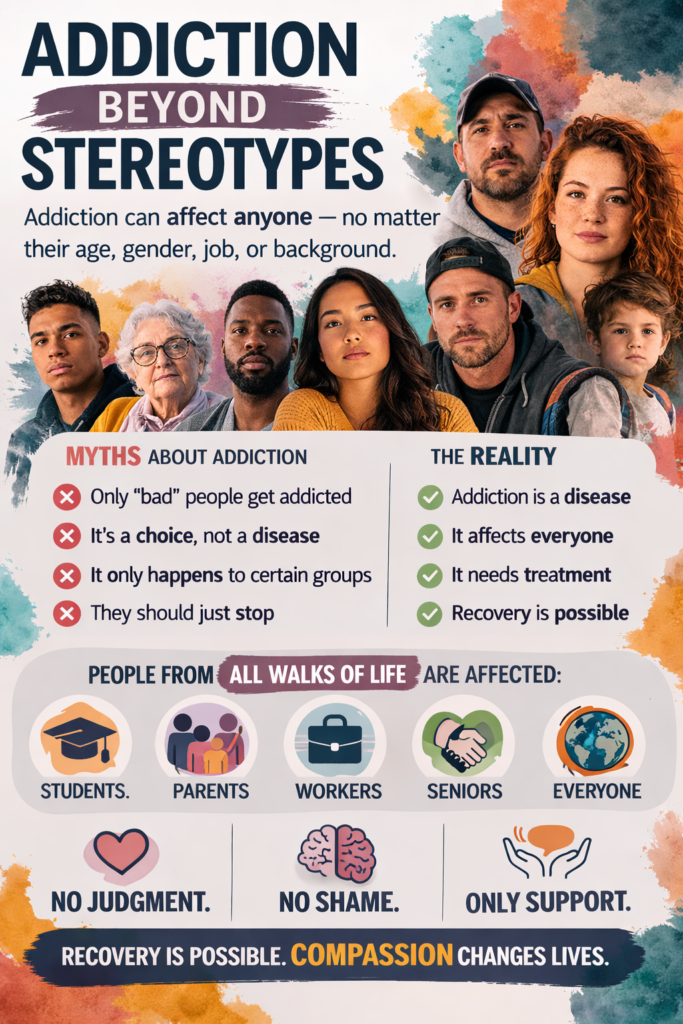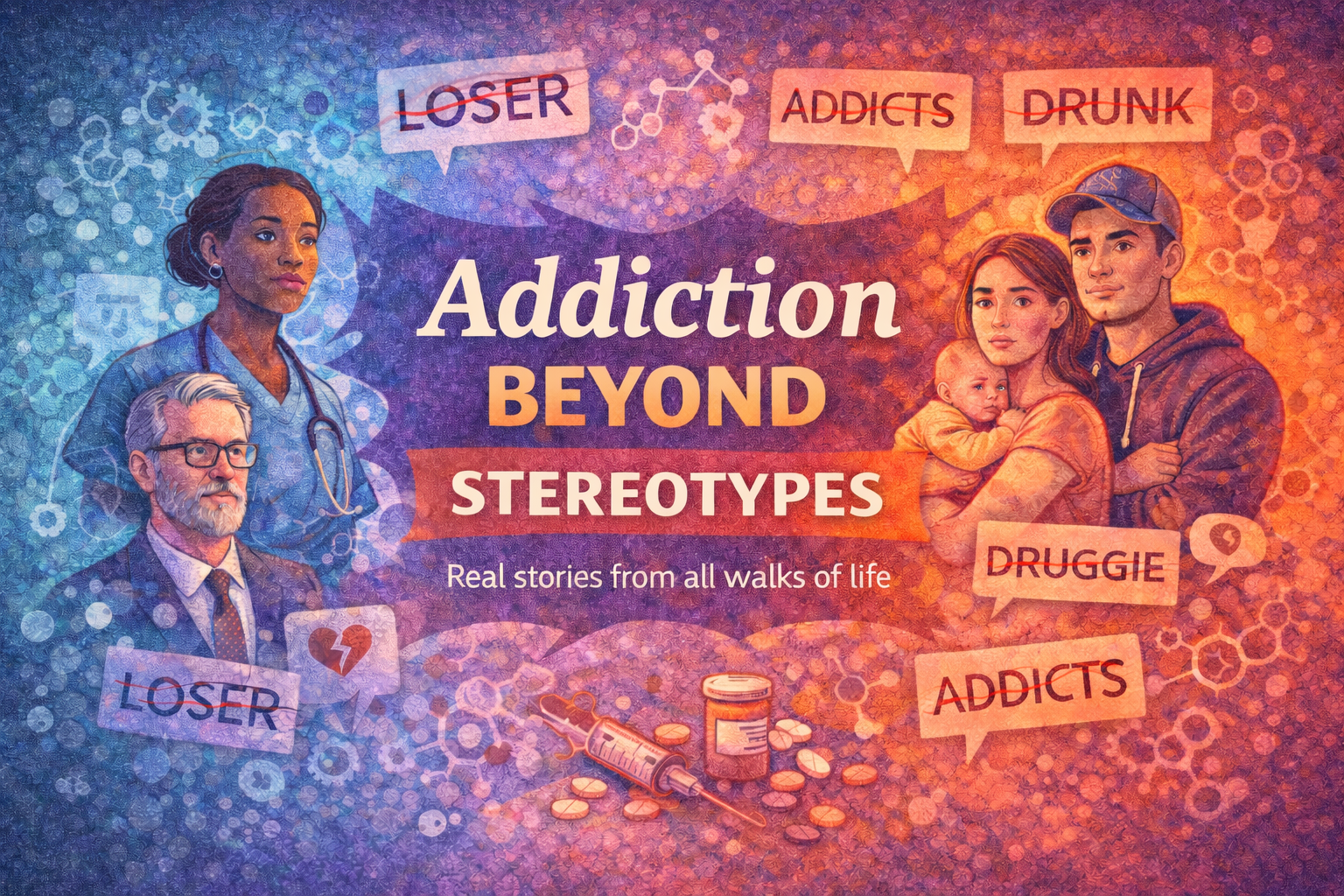
Addiction can pop up in the lives of people from all sorts of backgrounds. I’ve seen firsthand how the old stereotypes about who struggles with substance use and why just don’t match up with reality. The truth is, addiction doesn’t care how much money you make, where you live, or what you believe. These real stories break down the myth that addiction only affects certain “types” of people and show how support and understanding can make a world of difference for anyone facing these challenges.
Why Addiction Isn’t Just About Stereotypes
Assumptions about addiction are everywhere. A lot of folks picture a person dealing with addiction in a specific way: maybe homeless, out of work, or even looking a certain way. But when you take a closer look at the people affected, you quickly realize there’s no single face of addiction. Middle-aged parents, teenagers with straight As, successful professionals, and retirees can all get caught up in addiction’s grip.
What really matters isn’t the stereotype. It’s recognizing that addiction is a complicated health issue that doesn’t care about personal background or social standing. The factors behind addiction involve genetics, stress, easy access to substances, life events, and even social connections. This isn’t about weakness or bad choices—circumstances and biology mix together in unpredictable ways to create risk.
True Stories: Breaking Down Barriers
I’ve heard stories that stick with me for years, and they’re proof that you can’t spot addiction just by looking at someone. Here are three stories that break the stereotypes wide open (names and some details have been changed for privacy):
- The College Valedictorian: Lisa seemed to have it all. She had a bright future, supportive parents, and big dreams. Prescription painkillers entered her life after a sports injury. Over a few semesters, she found herself struggling to keep up, using medications not just for pain but to escape growing anxiety. Lisa’s story is a reminder that academic success doesn’t mean someone isn’t struggling behind closed doors.
- The Retired Veteran: Frank spent his life serving others, but never talked about his own pain. Drinking started as a way to sleep at night, but slowly took over more of his day. After 30 years married, his partner noticed he wasn’t himself. Therapy and community support helped Frank turn things around. He now mentors other vets facing similar issues.
- The Working Parent: Maria balanced her job and the demands of raising two kids when stress spiraled out of control. She started misusing prescription stimulants to “keep up,” telling herself it was temporary. Reaching out for help wasn’t easy. She worried about stigma and her job. Peer support groups gave Maria a space to heal and connect without fear of judgment.
Everyone has a story, and each one is different. These examples prove addiction can touch any part of society.
Understanding Why No One is Immune
So, what makes addiction able to show up in anyone’s life? Many factors are involved. Here’s what I’ve learned really matters:
- Genetics: Family history increases risk, but it’s not destiny. Someone with no known family issues can still struggle.
- Health and Mental Health: Conditions like depression, anxiety, or chronic pain can make people more likely to turn to substances.
- Environment: Stressful life events, living situations, or seeing substance use normalized at home or with friends all play a role.
- Social Pressure: Wanting to fit in or manage social anxiety can be a big motivator, especially for teens and young adults.
It’s pretty clear that you can’t draw a line around any group and say only these people get addicted. The combination of risk factors looks different for everyone, and anyone can find themselves on the wrong side of that line with a few seemingly small choices or circumstances stacking up over time.
Common Myths That Need Busting
I hear the same myths over and over, and honestly, they get in the way of people reaching out for help. These are the ones that show up most often:
- Addiction is a Choice: No one wakes up eager to become addicted. Initial use might be a choice, but the process of addiction changes the way the brain works over time.
- “Good” Families Are Protected: Addiction isn’t blocked by a loving home, financial security, or a strong support system. People from every walk of life are affected.
- You Can Tell by Looking: Many people with substance use disorders hide their struggles, keeping jobs and relationships running on the surface. Looks never tell the whole story.
Believing myths about addiction keeps stigma alive. That stigma can scare people away from asking for help or lead others to judge instead of support. When more people understand how addiction works, support grows, and more folks get a shot at changing their lives for the better.
Why Breaking These Myths is Really Important
Ending stigma makes it easier to step forward and seek support. Making room for honest conversations and open minds, even if we’re uncomfortable at first, is the only way to truly help people in recovery. Every time someone speaks the truth about their experience, it helps loosen a bit more of the old, limiting thinking.
How Society Can Support Real Change
The push for understanding and acceptance doesn’t rest only on people dealing with addiction. Society plays a big role in changing the conversation and making recovery easier for everyone.
- Open Conversation: Talking honestly about addiction helps create safety for people to seek help without being shamed.
- Access to Services: Affordable treatment, mental health support, and harm reduction programs remove big barriers to recovery. This support should be available to everyone, not just those who can afford private treatment.
- Community Connection: Peer groups, faith communities, and recovery organizations create strong networks for people at every stage of recovery.
- Public Awareness: Education campaigns, especially those that share real experiences, can shift public perception and boost empathy.
Simple shifts in policy and attitude can create a far more supportive environment. When schools focus on honest drug education, employers offer real resources, and health care providers treat addiction just like any other health concern, everyone wins.
Everyday Ways to Be Part of the Solution
I try to keep things practical, so here are some real steps anyone can take:
- Listen without judgment when someone opens up to you.
- Share honest information about addiction in your conversations and on social media to help bust myths in your circles.
- Support local recovery or education initiatives through donations, volunteering, or simply getting the word out about important programs.
- If you or someone you know is struggling, reach out. Free and confidential helplines are available 24/7 in many places. No problem is too small or unimportant.
The Road to Recovery: What Can Help?
Recovery doesn’t follow a straight line. It’s never one-size-fits-all. Here’s what people in recovery often say helped them the most:
- Counseling and Therapy: Talking things through with trained pros helps tackle both substance use and the underlying stress or trauma.
- Medication Assisted Treatment: For some, medications are a real game changer, making the recovery process safer and more manageable, especially for opioid use and alcohol use disorder.
- Peer Support: Connecting with people who “get it” cuts through isolation and brings that sense of belonging so many need.
- Setting Realistic Goals: Breaking the adventure into smaller milestones keeps motivation up and makes setbacks less overwhelming.
No matter the chosen approach, support, patience, and self-compassion go a long way. Each step forward counts, even if there are steps back along the way.
How Families and Friends Can Offer Support
It can be tough to know what to do if someone you care about is struggling. Here are some things I’ve seen work:
- Offer to help find resources. Sometimes the first call or online search is the hardest step.
- Encourage honest conversation and let them know they aren’t alone, even if the process is bumpy.
- Stay patient. Change takes time, and there will be ups and downs along the way.
- Consider your own boundaries to stay healthy and support yourself. Self-care isn’t selfish; it actually helps you be a better support person.
Frequently Asked Questions About Addiction and Stereotypes
These are questions that come up pretty often. Maybe you’ve wondered about them, too:
Question: Can someone look healthy and still have an addiction?
Answer: Absolutely. Many people with substance use disorders appear healthy and are still working, managing families, or studying. Addiction is sometimes hidden for a long time before it becomes obvious to others.
Question: Are certain groups at higher risk for addiction?
Answer: While genetics or life events might make risk higher for some, addiction can happen to anyone, anywhere. No “type” of person is immune—and that’s why understanding is crucial.
Question: What’s the best way to respond if someone shares that they’re struggling?
Answer: Listening with empathy, not reacting with shame, and helping them connect with support are the best moves. Even just saying, “Thank you for trusting me,” can mean a ton and encourage more honest sharing down the road.
Final Thoughts: Changing the Conversation
Everyone benefits when myths about addiction are pushed aside and replaced with real stories and genuine understanding. When people feel seen and accepted, not judged or pigeonholed, it becomes much easier for them to heal. Changing the conversation isn’t about ignoring the tough stuff, but about seeing the whole person and walking the road to support together, one step at a time.
If you’ve got questions, want to learn more, or know someone who might need help, there’s plenty of trustworthy info out there, from SAMHSA’s helpline to local support groups. Healing starts with one honest, open conversation at a time—and every voice can help tip the scales toward real change.
Video: This misconception about addiction is killing people #addiction #awareness #recovery