Human trafficking remains one of the most serious threats facing vulnerable youth in communities all around the world. It can be tough to fully grasp just how widespread and sneaky trafficking is, but gaining some understanding can be really helpful when looking for ways to confront it. This article breaks down what human trafficking looks like for young people, why certain groups are so at risk, and what steps anyone can take to make a difference—even if indirectly or on a small scale.
The Reality of Human Trafficking for Vulnerable Youth
When people hear the term “human trafficking,” images of abductions or sensational movie scenes might spring to mind. In reality, it’s a lot quieter and more hidden than many people think. Trafficking involves the exploitation of people, often through force, fraud, or coercion, for purposes like forced labor, commercial sexual exploitation, or other forms of abuse. Young people are frequently targeted because traffickers see them as easier to manipulate, especially if they’re experiencing tough situations at home or school.
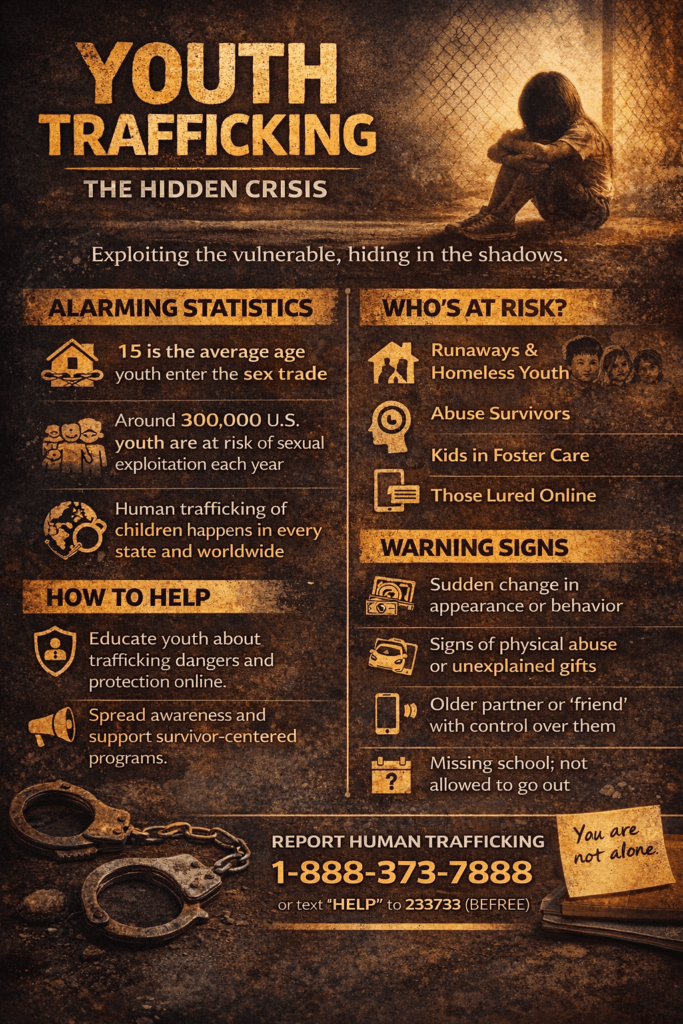
Estimates from UNICEF and the U.S. Department of State suggest there are millions of victims globally every year. A scary percentage of them are children and teens. Runaways, youth in foster care, LGBTQ+ teens, and those facing poverty are especially at risk. Traffickers know how to spot kids who seem isolated, insecure, or desperate for connection. They might use promises of friendship, romance, money, or even basic needs like food and shelter to lure victims in.
It’s important to realize that trafficking is not only happening overseas or in dramatic scenarios. It occurs in both big cities and small towns. Social media has made it even easier for predators to reach out to young people. Fake job offers and online romance scams have become common tactics. Sometimes, even those you’d never suspect, such as a classmate, neighbor, or family acquaintance, could get involved in recruitment or exploitation. Recognizing this reality is the first step to pushing back.
How Youth Become Vulnerable to Trafficking
What makes certain young people more likely to end up in trafficking situations? It usually comes down to a mix of risk factors that traffickers can identify and exploit. Knowing these can help families, teachers, and communities be more aware and proactive:
- Homelessness or Housing Instability: Kids without safe, regular housing may end up doing whatever it takes to survive.
- History of Trauma or Abuse: Survivors of neglect, physical, or emotional abuse may be more susceptible to manipulative relationships.
- Foster Care Involvement: Young people who have moved through the child welfare system or “aged out” of foster care can lack supportive connections.
- Identity-Based Marginalization: LGBTQ+ youth and kids who deal with racism, xenophobia, or disability discrimination may feel isolated from helpful adults and resources.
Traffickers use a wide variety of tactics to target and control young people, including social media grooming, false promises, isolation from friends and family, threats, or even violence. Many victims don’t even realize what’s happening to them at first, since it often starts with something that feels like a loving or caring relationship. Traffickers can slowly break down a young person’s boundaries until the individual feels trapped.
Community instability and a lack of safe social spaces can also contribute to youth vulnerability. When there are few healthy outlets at school or in neighborhoods, youth may struggle to find trusted adults, making them easier targets for traffickers. Understanding these layers can help entire communities come together to support their young people.
First Steps: Recognizing the Warning Signs
Spotting human trafficking in real life isn’t always clear-cut, since traffickers work hard to disguise their actions. Still, there are some red flags that are worth paying attention to, even if they don’t always mean trafficking is happening:
- Sudden Changes in Behavior or Appearance: Kids who suddenly withdraw, change their style, or get new things they normally couldn’t afford may be struggling with something.
- Disappearing from School or Activities: A pattern of absences, running away, or failing to show up for commitments can be linked to deeper issues.
- Unexplained Cash or Expensive Items: Receiving gifts, phones, or money without a clear source can be a sign of grooming.
- New Relationships with Older People: Connections with adults or strangers who are overly involved or controlling, either online or in person.
- Signs of Physical Abuse or Neglect: Unexplained injuries, malnutrition, or exhaustion can sometimes go hand in hand with trafficking situations.
If you notice more than one of these signs in a young person’s life, it may be a cue to check in or connect them with resources. Trusting your gut and being willing to listen without judgment can make all the difference.
Taking Action: What Can Be Done?
Fighting human trafficking can seem overwhelming, but there are practical steps anyone can take to make things harder for traffickers and safer for kids.
- Educate Yourself and Others: Understanding what trafficking looks like and how it happens is the first step to preventing it. National organizations like Polaris Project and the National Center for Missing & Exploited Children are filled with great info and shareable resources.
- Raise Awareness at Home and in Schools: Conversations about internet safety, consent, and healthy relationships should happen early and often. Schools and youth clubs can run awareness programs and invite survivors or advocates to speak.
- Stay Connected to Vulnerable Youth: Consistent support from teachers, mentors, or trusted adults can make it much harder for traffickers to isolate their targets. Checking in and listening without rushing to judge or “fix” things can help you spot when a young person is struggling.
- Watch for Recruitment in Your Community: If you notice suspicious online posts, strange adult involvement in youth spaces, or hear rumors about recruitment, take it seriously and reach out to professionals who can help.
- Report Concerns: If you think someone may be at risk, you can contact local law enforcement or the National Human Trafficking Hotline at 1-888-373-7888 (U.S.). Many countries have similar reporting systems that can keep tips anonymous and protect victims.
Simple steps like sharing hotline numbers, checking in on friends, and knowing what resources exist in your area can go a long way. Some communities even join together to host online safety classes or workshops on social media awareness for tweens and teens, helping them learn to spot dangers early.
Challenges and Common Barriers to Ending Trafficking
There are a variety of hurdles that make shutting down human trafficking tough, particularly when it comes to helping youth. Here are a few of the main obstacles people run into, plus some ways groups are working to get around them:
- Lack of Awareness: Some people still believe trafficking doesn’t happen in their area or always looks a certain way, so they might miss warning signs or not take action.
- Mistrust of Authority: Youth who have had negative experiences with police or other social systems may not seek help, even when they need it. Peer-to-peer or survivor-led programs can help bridge the gap.
- Online Recruitment: Social platforms and messaging apps make it easier than ever for traffickers to reach kids, often with little oversight. Some advocacy groups are calling for stronger safety measures from tech companies.
- Legal Obstacles: Sometimes, outdated or unfair laws treat youth victims like criminals instead of people needing help. Speaking up for victim-centered policies can help switch things in a better direction.
Communities go up against these challenges by hosting educational events, building partnerships between schools, law enforcement, and nonprofits, and sharing real-life survivor stories (with consent). Investing in trauma-informed care and making recovery resources easier to access for survivors is also super important for long-term healing.
It’s also crucial to continue conversations with youth about the realities of trafficking, while teaching them how to use technology safely. Resource centers can distribute cell phone safety tips, consent guides, and even art therapy sessions to encourage openness and healing. All this work contributes to a stronger safety net for the young people who need it most.
Spotlight: Real Life Efforts That Make an Impact
Some of the most effective anti-trafficking programs are led by survivors who know firsthand what youth need to heal and avoid risky situations. For example, organizations like Love146 run survivor mentoring programs, safe homes, and education campaigns that help youth rebuild a sense of safety and connection. Local community groups often provide drop-in spaces, legal aid, and help with housing or job skills for at-risk youth.
There are also grassroots initiatives that offer hot meals, creative activities, and mental health support for teens who might otherwise slip through the cracks. Survivor advocates partner with schools to help identify barriers to reporting and ensure every child’s voice is heard. These real-world solutions show it’s possible to make progress, even when the issue seems overwhelming.
Frequently Asked Questions About Human Trafficking and Youth
Sometimes, a few quick answers can clear up common questions or misunderstandings about this topic:
How can I recognize if a friend is being trafficked?
Start by watching for sudden changes in mood, relationships, or how they talk about new people online. If something feels off, trust your instincts and gently check in with an adult you trust or get support.
What should I do if I think someone is being targeted?
If it’s safe, offer support without pushing or blaming. Encourage them to reach out to a trusted adult or resource. In urgent cases, report directly to a national hotline or trained professionals.
Does trafficking only happen overseas or to girls?
Trafficking impacts all genders and happens in nearly every country, including the U.S., Canada, the U.K., Australia, and beyond. Boys, nonbinary youth, and youth from all backgrounds are at risk if traffickers spot an opening.
Building a Future Where All Youth Are Safe
Confronting human trafficking for vulnerable youth takes steady action, understanding, and compassion. By learning more, sharing what you know, and looking out for the kids in your neighborhood, you’re already making it tougher for traffickers to hide. Supporting survivor-led groups and pushing for better protections in law and technology can take those efforts even further.
Every teen deserves to live free from exploitation and fear. Real change happens one conversation and one caring adult at a time. If you’re ready to get more involved, check out local volunteer opportunities, donate to anti trafficking groups, or simply reach out to a young person who might need a little extra support today.
Video: Ending Youth Trafficking Protecting Vulnerable Lives