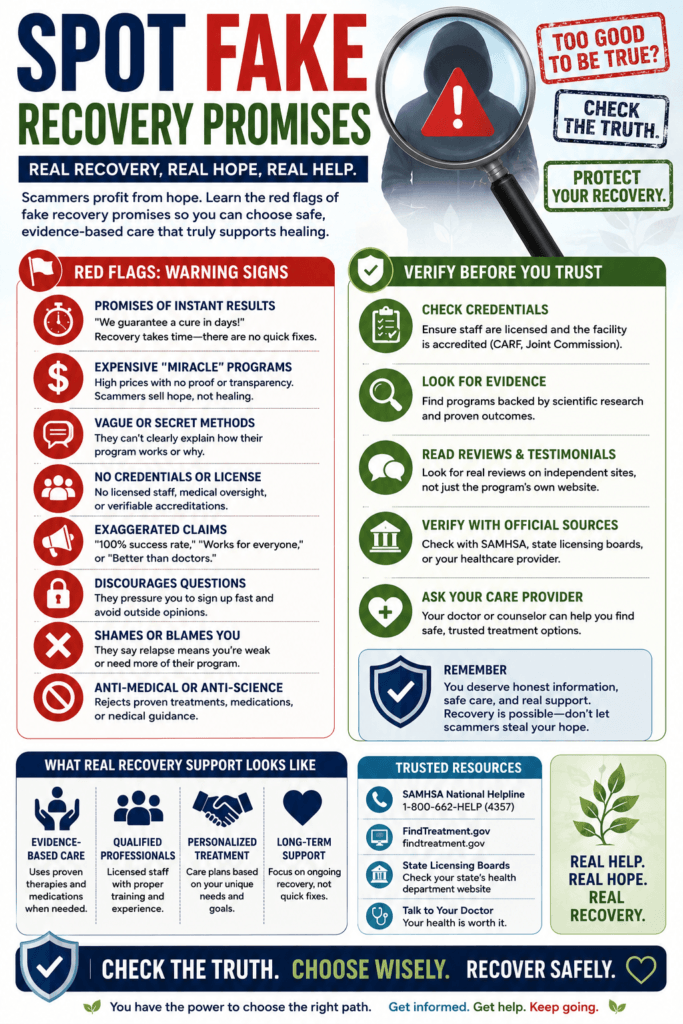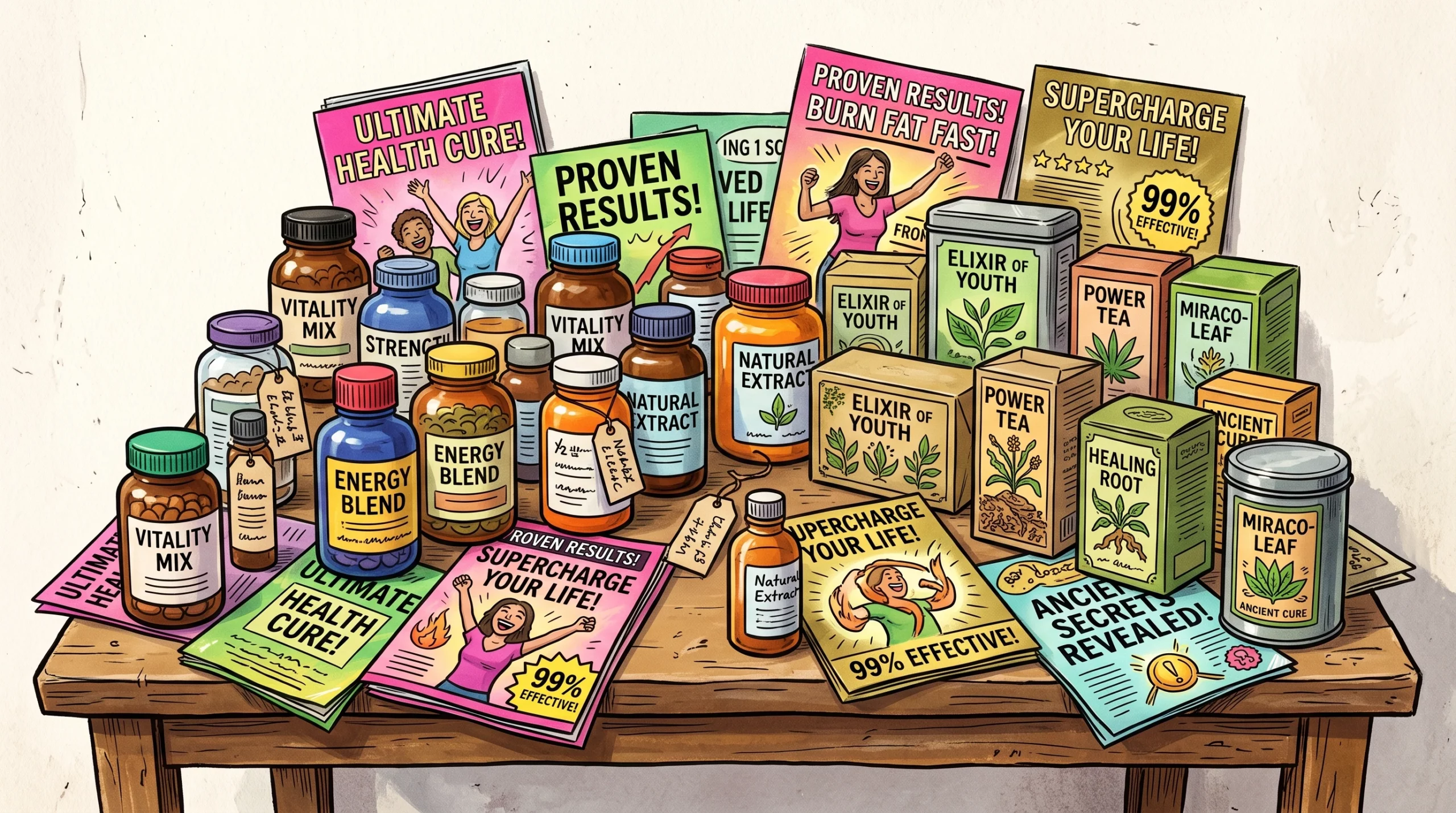
Health scams are everywhere, especially online. From miracle pills to overnight cures, fake recovery promises seem to pop up every time I check my feed or search for health advice. These scams don’t just waste money; they can put real lives at risk and worsen health problems. Knowing how to spot the red flags is super important for anyone hoping to look after their health or help someone else avoid falling victim to a scam.
Why Health Scams Are So Common
The world of health and wellness is full of hopeful promises and high expectations. The internet makes it easier than ever for scammers to target vulnerable people with tempting claims about products and treatments. For people dealing with long-term illness or pain, it’s easy to feel desperate for a solution, and that feeling is exactly what health scammers count on.
According to the Federal Trade Commission, reports of health care scams have been rising, especially since the pandemic. These scams range from fake weight loss programs to supposed “cancer cures” sold with zero scientific support. The global wellness industry, worth billions of dollars, attracts sincere businesses but also plenty of shady operators.
The history of health scams reaches back centuries. Old newspaper ads promised miracle tonics or snake oil, and things really haven’t changed much. What’s different now is just how easy it is for scammers to find an audience. Social media, search engines, and slick-looking websites let bad actors reach millions with very little effort or cost.
Besides online ads, many scammers turn to email marketing and pop-up health fairs. Sometimes these fairs offer free screenings just to collect your personal data, which can then be used to target you for future scams. Word-of-mouth referrals, often given by people unaware they’re spreading a scam, can make these fraudulent schemes seem more legitimate. Even some apps and wearable tech make questionable health claims, making it all the more important to approach new products critically.
How Fake Recovery Promises Work
Health scams work in a few classic ways. Many fake products share common tactics and patterns that are pretty easy to recognize if you know what to look for. The first thing I notice is the use of emotional language. Ads and sales pages pile on words like “miracle,” “breakthrough,” “secret,” or “clinically proven,” even if there’s no real evidence.
Testimonials and before-and-after photos are a staple. Scammers love using dramatic images of supposedly instant weight loss, clear skin, or overnight healing. Often, these photos are stolen or digitally altered. The supposed “doctor” behind the product usually can’t be verified, or their credentials are totally made up.
- Miracle Claims: Watch for bold guarantees, such as “cures cancer in days” or “lose 30 pounds without diet or exercise.” Real medicine doesn’t make promises like these.
- Fake Endorsements: Many sites claim that celebrities, government agencies, or news outlets endorse their product, but with no proof or links to real sources.
- Pseudoscience: Look for technical-sounding language or invented “research” that’s never published in real medical journals.
Some scams even fabricate “scientific” studies with impressive graphics and fabricated citations. Sometimes they present complex charts or dense medical jargon to intimidate readers into believing the product is legitimate. Their goal is to overwhelm and confuse customers, so they feel unsure about asking the right questions.
Smart Ways to Protect Yourself
Keeping yourself and your loved ones safe from health scams takes some know-how, but it’s doable. Here are some practical tips I use whenever someone pitches a new product or cure-all treatment online:
- Check for Real Credentials: Research the company, doctor, or clinic making the claim. Are they recognized by real health authorities or national boards?
- Look for Published Research: Reliable treatments are backed by studies in credible medical journals, not just testimonials.
- Be Wary of Big Promises: If a product claims to solve every problem or to guarantee fast results, that’s a red flag.
- Understand Refund Policies: Scammers rarely offer real money-back guarantees, so read the fine print carefully.
- Trust Reputable Sources: Sites like the FDA and CDC track health scams and issue alerts. They’re good places to check for up-to-date info.
The best defense is to slow down, ask questions, and never buy into hype alone. If in doubt, talk to a doctor or pharmacist you trust before trying a new product or supplement.
It also helps to check consumer protection websites and double-check that any product or treatment you’re considering is registered or approved by regulatory health agencies. Use strong passwords and set privacy settings online, especially in health forums or groups, to avoid sharing data with scammers posing as supportive community members.
Common Types of Health Scams
I’ve come across a bunch of repeated scams disguised as medical breakthroughs. Knowing their patterns helps people, and me, to make better decisions. Here are a few to watch for:
- Weight Loss Scams: These promise fast, easy results with pills, teas, or “detox” juices. Many have zero proven effects and can be risky for your health.
- Supplements and Herbal Remedies: Supplements aren’t regulated as strictly as medicines, so it’s easy for fake products or risky mixtures to slip through.
- Cancer “Cures”: This is especially dangerous. From special diets to off-label pills, scammers target people who are already vulnerable and in need of hope.
- Phony Diagnostic Tests: At-home tests for everything from allergies to major diseases often aren’t approved by medical agencies, and their results can be misleading.
Weight Loss and “Detox” Products
The weight loss world is loaded with quick-fix schemes. These often promise that you’ll lose massive amounts of weight while eating all you want, skipping exercise, or just drinking a special shake. Sadly, there’s no shortcut for healthy weight management. Many so-called fat burners or teas are just caffeine and diuretics. Some can even cause dangerous side effects or interact with medications you are already taking.
In extreme cases, unregulated diet aids have led to hospitalizations or long-term health consequences. There have also been reports of banned substances or prescription drugs being included in “herbal” products, which makes careful research even more essential.
Supplements and Miracle Cures
Plenty of supplements and herbal pills claim to “boost immunity,” “cleanse the liver,” or “reverse aging.” I always look for independent reviews, scientific references, or approval from evidencebased sources before giving any supplement a try. If you see a claim that sounds almost magical or too good to be true, there’s probably something shady going on.
Some products also claim to be “all-natural,” which doesn’t mean much without scientific backing. Even plants and herbs can have powerful effects—both good and bad. Over-the-counter does not always mean risk-free. Checking with your health professional and researching through scientific journals can help keep you safe.
Phony Disease Treatments
Many scammers prey on people who have hard-to-treat conditions like arthritis, diabetes, or chronic pain. They’ll sell bogus therapies, patches, or oils that promise to “fix” the core problem, often without even naming a single medical study to back it up.
Avoid treatments that claim to replace prescribed medications or require you to stop seeing your doctor. Scammers count on desperate customers ignoring medical advice in favor of something faster and cheaper. Sticking to your doctor’s recommendations and doing your own background checking can save you from disappointment—or worse.
Things to Keep in Mind Before You Buy
Before buying any new health product, I like to run through a personal checklist to avoid getting scammed or wasting my cash. Here are a few key things I always consider:
- Review the Ingredient List: Unknown or untested ingredients can cause allergic reactions or interact with other medicines you take.
- Research the Company: A real address, clear contact info, and lots of independent reviews can separate legit products from fakes.
- Talk to a Professional: I always check with my doctor or pharmacist if I’m uncertain. Real health pros have no stake in your purchase and can give you honest feedback.
- Check for FDA Warnings: The FDA regularly updates a list of scam products and companies.
Ingredient Transparency
Legit products show exactly what’s in them, in detail. Scams often hide behind “proprietary blends” or don’t reveal amounts, making it impossible to know what you’re actually taking.
Labels should also match what’s in the product. If you can’t spot details like the manufacturer, expiration date, or batch number, that’s a definite sign to skip it.
Company Reputation
I like to see plenty of independent user reviews, plus a working phone number or address I can actually contact. If every review looks suspiciously perfect, it’s worth being skeptical.
Look for signs that the company has been around for a while. Reputable businesses respond to negative reviews transparently. Watch out for flashy websites with little to no background information—that’s an easy red flag.
Helpful Resources for Identifying Health Scams
There are plenty of ways to double-check a health product or company. Here are a few I turn to regularly:
- FTC’s Guide on Spotting Health Scams: Easy-to-read info from the Federal Trade Commission.
- FDA Health Fraud Scams: Updated alerts on dangerous or fake health products.
- CDC Tips on Health Misinformation: Helpful advice on spotting fake online health content.
Getting information from only one source isn’t always enough, so I always cross-check with two or three trusted sites before making a decision.
Frequently Asked Questions
Here are some quick answers to questions I get about fake health recovery schemes:
Question: What should I do if I’ve already fallen for a health scam?
Answer: Contact your bank to stop payments and report the scam to the FTC or your country’s consumer protection agency. If you tried any unsafe products, talk to a healthcare provider right away.
Question: How can I tell if a health claim is real?
Answer: Look for approval or endorsement from major agencies (like the FDA or CDC), published research in scientific journals, and second opinions from medical professionals.
Question: Are all supplements unsafe?
Answer: Not every supplement is a scam, but it’s best to buy from well-known brands with a history of safety. Check labels for third-party testing and always talk to a doctor before starting anything new.
Key Takeaways for Smarter Health Choices
Spotting fake recovery promises mostly comes down to using common sense, looking for real evidence, and double-checking sources. Scammers rely on emotional sales tactics, fake testimonials, and big promises that sound too good to be true. Pausing to do a bit of research and trusting your gut can save you time, money, and maybe even your health.
Being careful about the products you try and the sources you trust goes a long way. Sticking to proven, evidence-based options and checking with health professionals for advice makes it much easier to steer clear of slick marketing tricks or outright scams. Staying informed keeps you and those around you much safer in today’s noisy wellness landscape.
Remember: If something sounds too good to be true, it almost always is. Prioritize safety, skepticism, and credible advice so your health decisions are as solid as possible.
Video: Real vs Fake Recovery Explained #Treatment #SubstanceUseDisorder #RecoveryAwareness