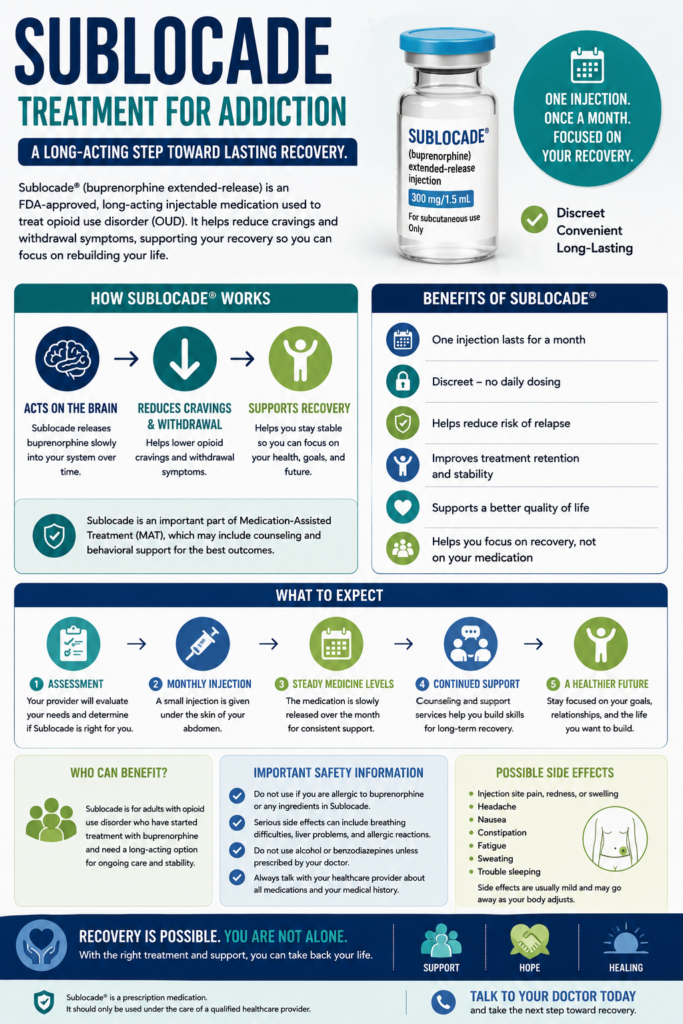
Sublocade, a noteworthy advancement in the landscape of addiction treatment, represents an extended-release formulation of buprenorphine, a partial opioid agonist utilized in addressing opioid use disorder. This medication stands out for its unique delivery mechanism, offering a monthly injectable alternative to traditional daily medications. By binding to opioid receptors in the brain, Sublocade mitigates cravings and withdrawal symptoms, fostering stability in individuals on the path to recovery. As we explore its uses, delve into the underlying pathophysiological mechanisms, and scrutinize potential side effects, we also consider alternative methods available for managing addiction. This essay aims to unravel the multifaceted nature of Sublocade, shedding light on its role in addiction therapy and the broader spectrum of treatment options essential for crafting personalized, practical strategies for individuals seeking liberation from opioid dependence.
Sublocade: A Game-Changer in the Treatment of Opioid Use Disorder
Opioid use disorder (OUD) is a chronic condition that requires a comprehensive and multifaceted approach to treatment. One of the most promising tools in the fight against OUD is Sublocade, an extended-release injectable formulation of buprenorphine. Buprenorphine is a partial opioid agonist, meaning it binds to opioid receptors in the brain but produces milder effects compared to full opioid agonists like heroin or oxycodone. Sublocade’s innovative design offers a more consistent and sustained approach to managing OUD.
Key Benefits of Sublocade
- Buprenorphine-Based Treatment: Sublocade contains buprenorphine, which helps manage opioid cravings and withdrawal symptoms. As a partial agonist, it provides the therapeutic benefits of opioid receptor activation without the intense “high” associated with the misuse of opioids.
- Extended-Release Formulation: Unlike traditional buprenorphine treatments that require daily dosing, Sublocade is administered monthly, providing patients with continuous support without the burden of daily medication management.
- Reduction of Cravings and Withdrawal: Sublocade’s long-acting formulation maintains steady therapeutic levels of buprenorphine, reducing the peaks and troughs associated with other treatment forms. This helps patients maintain stability while lowering the risk of relapse.
- Administered by Healthcare Professionals: Sublocade is administered in a healthcare setting, ensuring patients receive proper care and monitoring. This controlled environment adds an extra layer of security for those undergoing treatment.
- Patient Eligibility and Stabilization: Sublocade is generally recommended for patients who have stabilized after starting treatment with a different form of buprenorphine (such as a tablet or film). Once stable, they can transition to the monthly injection for longer-term management.
- Individualized Treatment Plans: Every patient’s journey is different, and Sublocade allows for flexibility in treatment plans. Dosage and administration are tailored to each patient’s unique needs and form part of a broader recovery strategy.
- Integrated with Counseling and Support: Medication is just one part of recovery. Sublocade is often used in combination with counseling and psychosocial support, addressing both the physical and psychological aspects of addiction.
Sublocade is a powerful tool in the treatment of opioid use disorder, providing an alternative to daily medications with its extended-release formulation. However, it’s important to remember that Sublocade is part of a broader, comprehensive treatment approach that includes regular medical follow-ups, counseling, and psychosocial support. For individuals struggling with opioid addiction, Sublocade offers a path to sustained recovery, guided by healthcare professionals every step of the way.
How Sublocade Works: A Breakthrough in Opioid Use Disorder Treatment
Sublocade is an innovative medication used in the treatment of opioid use disorder (OUD), offering a controlled and extended release of buprenorphine, a partial opioid agonist. This unique formulation is designed to help individuals in recovery by reducing cravings and withdrawal symptoms while providing long-term stability. But how exactly does Sublocade work, and what makes it a game-changer in OUD treatment?
Understanding Buprenorphine’s Role
Partial Opioid Agonist Activity:
The critical ingredient in Sublocade is buprenorphine, a partial opioid agonist. This means it binds to opioid receptors in the brain, but unlike full agonists such as heroin or oxycodone, buprenorphine produces milder effects. This reduced activation is essential in helping to manage opioid dependence without the intense highs associated with opioid misuse.
How Sublocade Works
- Binding to Opioid Receptors: Buprenorphine targets the same receptors in the brain as other opioids, but with its partial agonist nature, there is a ceiling effect. This means that increasing the dosage does not lead to more substantial opioid effects, reducing the risk of misuse or overdose.
- Reduction of Cravings and Withdrawal: By occupying these opioid receptors, buprenorphine helps to minimize cravings and withdrawal symptoms, which are significant barriers to recovery. This is a critical function in aiding individuals working towards long-term recovery.
- Extended-Release Formulation: Unlike daily medications, Sublocade is administered monthly, providing sustained therapeutic levels of buprenorphine throughout the month. This extended-release formulation eliminates the need for daily doses, making it a convenient option for patients seeking consistent support.
- Steady Blood Levels: One key benefit of Sublocade’s extended-release mechanism is that it maintains steady blood levels of buprenorphine. This stability helps prevent the highs and lows that can occur with daily medications, ensuring a more stable treatment experience.
- Suppression of Opioid Effects: Buprenorphine’s ability to block the reinforcing effects of full opioid agonists means that if someone tries to use opioids while on Sublocade, they may not experience the same euphoric effects. This reduces the risk of relapse and strengthens the individual’s path to recovery.
- Lower Risk of Abuse and Dependence: Because of buprenorphine’s ceiling effect, there is a lower potential for abuse compared to other opioids. Additionally, its ability to reduce withdrawal symptoms without producing significant highs makes it a safer option for the long-term management of opioid use disorder.
Transitioning to Sublocade
Typically, individuals begin treatment with a transmucosal form of buprenorphine (such as a tablet or film) to stabilize their condition before transitioning to Sublocade. This gradual process ensures patients are stable enough to benefit from the monthly injection.
Sublocade’s controlled, long-acting release of buprenorphine offers a significant advantage in the management of opioid use disorder. Its ability to maintain steady blood levels, reduce cravings, and suppress the effects of opioids makes it a powerful tool for those on the path to recovery. However, as with any medication-assisted treatment, Sublocade should be used as part of a comprehensive, individualized treatment plan under the guidance of a qualified healthcare provider. Regular monitoring and continued support are crucial for achieving sustained recovery.
Understanding the Potential Side Effects of Sublocade
Like any medication, Sublocade, an extended-release injectable formulation of buprenorphine used in opioid use disorder (OUD) treatment, may cause side effects. While not everyone will experience these, it’s essential to be aware of the possible reactions and to discuss any concerns with your healthcare provider. Below is a list of common side effects associated with Sublocade, along with tips for managing them.
Common Side Effects of Sublocade
- Injection Site Reactions: Pain, swelling, redness, or itching at the injection site are common but typically mild and temporary. If these reactions persist or worsen, you must inform your healthcare provider.
- Constipation: Like other opioid-related treatments, Sublocade may cause constipation. Managing this side effect can include staying hydrated, eating fiber-rich foods, and engaging in regular physical activity.
- Nausea: Some people may experience nausea after taking Sublocade. Taking the medication with food or following your provider’s directions can help reduce nausea.
- Headache: Headaches are a reported side effect of Sublocade. When approved by a healthcare provider, proper hydration, stress management, and over-the-counter pain relief can help ease this discomfort.
- Insomnia: Difficulty sleeping or insomnia is another possible side effect. Establishing a consistent bedtime routine and discussing sleep difficulties with your healthcare provider can help improve sleep.
- Vomiting: Another potential gastrointestinal side effect. If vomiting becomes severe or persistent, contact your healthcare provider to explore solutions or alternative treatments.
- Increased Blood Pressure: Sublocade may increase blood pressure in some individuals. Regular monitoring during treatment is essential, and any significant changes should be reported to your healthcare provider immediately.
- Liver Enzyme Abnormalities: Sublocade can affect liver function, leading to elevated liver enzymes. Your healthcare provider may monitor liver function through routine blood tests to ensure safe treatment.
- Fatigue: Fatigue or tiredness may occur, especially in the early stages of treatment. This side effect often decreases as your body adjusts to the medication.
- Dizziness: Dizziness or lightheadedness, particularly when standing up too quickly, can happen. To reduce the risk, rise slowly from sitting or lying positions. If dizziness persists, contact your healthcare provider.
When to Seek Immediate Medical Attention
While most side effects of Sublocade are manageable and temporary, some reactions require urgent care. Contact your healthcare provider if you experience severe or unusual side effects, such as:
- Allergic reactions (e.g., rash, itching, swelling, severe dizziness, difficulty breathing)
- Persistent or severe nausea, vomiting, or dizziness
- Signs of liver problems (e.g., yellowing of the skin or eyes, dark urine)
Sublocade can be an effective tool in the treatment of opioid use disorder, but like all medications, it may cause side effects. It’s essential to stay in close communication with your healthcare provider during treatment, especially if you experience any unexpected or severe reactions. Regular monitoring, open communication, and adherence to your healthcare provider’s advice will ensure the safest and most effective use of Sublocade during your recovery journey.
Serious Side Effects of Sublocade: What You Need to Know
While Sublocade is generally well-tolerated by most individuals undergoing treatment for opioid use disorder (OUD), there are rare but serious side effects that may occur. Recognizing these side effects early and seeking immediate medical attention can prevent complications. Below are some of the most severe side effects associated with Sublocade, along with advice on when to seek help.
Serious Side Effects to Watch For
- Allergic Reaction: Although uncommon, an allergic reaction to Sublocade can be life-threatening. Signs may include rash, itching, swelling (particularly of the face, tongue, or throat), severe dizziness, or difficulty breathing. This requires immediate emergency medical care.
- Severe Injection Site Reactions: While mild pain, swelling, or redness at the injection site is normal, severe reactions such as abscess formation or prolonged symptoms should not be ignored. Contact your healthcare provider if you notice unusual symptoms around the injection area.
- Liver Problems: In rare cases, Sublocade may lead to liver damage. Symptoms of liver issues include yellowing of the eyes or skin (jaundice), dark urine, persistent nausea or vomiting, and abdominal pain. If you notice any of these signs, seek medical attention immediately.
- Pneumonia: Some individuals taking Sublocade have been reported to be at an increased risk of pneumonia. Symptoms include persistent cough, chest pain, shortness of breath, and difficulty breathing. If these occur, consult your healthcare provider for an evaluation.
- QT Prolongation: Sublocade can prolong the QT interval, which may result in serious heart rhythm problems (arrhythmias). Individuals with a history of heart conditions or those taking other medications that affect the QT interval should be closely monitored. Symptoms of arrhythmia include dizziness, fainting, and irregular heartbeats.
- Adrenal Gland Problems: Sublocade may impair adrenal gland function, leading to extreme fatigue, weakness, unexplained weight loss, dizziness, or low blood pressure. If you experience these symptoms, contact your healthcare provider immediately.
- Depression and Suicidal Ideation: Although rare, some individuals taking buprenorphine, the active ingredient in Sublocade, may experience mood changes, including worsening depression or suicidal thoughts. If you notice these symptoms, seek prompt medical care.
- Serotonin Syndrome: Sublocade, mainly when used in combination with other medications that affect serotonin levels, can lead to serotonin syndrome. Symptoms include agitation, hallucinations, rapid heartbeat, fever, muscle stiffness, and loss of coordination. This is a medical emergency, and immediate care is essential.
Essential Considerations for Safe Treatment
It’s essential to communicate any unusual or severe symptoms to your healthcare provider as soon as they arise. Always inform all healthcare providers, including those performing medical or dental procedures, that you are receiving Sublocade.
While Sublocade is an effective treatment for opioid use disorder, rare but severe side effects can occur. Regular check-ups, careful monitoring, and open communication with your healthcare provider are vital to ensuring the safety and effectiveness of your treatment. If you experience any of the severe symptoms mentioned above, do not hesitate to seek immediate medical attention.
Sublocade Warnings and Precautions: What You Need to Know Before Starting Treatment
Before beginning Sublocade, an extended-release injectable formulation of buprenorphine for opioid use disorder (OUD), it’s essential to be aware of critical warnings and precautions. These factors should be discussed with a healthcare provider to ensure the treatment is safe and effective for your needs. Below are some crucial considerations for anyone starting Sublocade.
1. Opioid Withdrawal
- Timing Matters: Sublocade should only be administered when an individual is in a state of mild-to-moderate opioid withdrawal. Taking the medication too soon after the last opioid use can precipitate sudden and severe withdrawal symptoms.
2. Severe Injection Site Reactions
- While pain, swelling, and redness at the injection site are common, severe reactions, such as abscess formation, may occur. Healthcare providers should monitor the injection site carefully during follow-up visits and be vigilant about any signs of more severe complications.
3. Liver Function Monitoring
- Regular monitoring of liver function is essential, as Sublocade has been associated with elevated liver enzymes. Individuals with pre-existing liver conditions may be at increased risk for complications and should undergo regular blood tests to track liver health throughout treatment.
4. Pneumonia Risk
- Sublocade may increase the risk of pneumonia, particularly in individuals with respiratory issues or chronic lung disease. Symptoms such as a persistent cough, difficulty breathing, or chest pain should be reported immediately to a healthcare provider for evaluation.
5. QT Prolongation
- In some cases, Sublocade can cause QT interval prolongation, a condition that affects heart rhythm and can lead to dangerous cardiac arrhythmias. Those with a history of heart problems or those taking medications that influence the QT interval should be closely monitored during treatment.
6. Adrenal Insufficiency
- Buprenorphine (the active ingredient in Sublocade) may affect adrenal gland function, leading to symptoms of adrenal insufficiency such as extreme fatigue, weakness, weight loss, dizziness, or low blood pressure. These symptoms should be reported to a healthcare provider immediately for appropriate care.
7. Depression and Suicidal Ideation
- There is a potential for mood changes, depression, or suicidal thoughts in individuals taking Sublocade. Monitoring mental health is crucial, and any signs of worsening mood or suicidal ideation should be addressed immediately with medical help.
8. Serotonin Syndrome
- When Sublocade is used alongside medications that impact serotonin levels, there is a risk of developing serotonin syndrome. Symptoms include agitation, hallucinations, rapid heartbeat, fever, muscle stiffness, and loss of coordination. This is a medical emergency that requires prompt treatment.
9. Injection-Site Care
- Proper care of the injection site is essential to prevent infection or complications. Individuals should be instructed on post-injection care, and healthcare providers should assess the injection site at each visit to ensure no severe reactions are developing.
10. Potential for Misuse, Abuse, or Diversion
- Sublocade contains buprenorphine, a potent opioid. As such, it risks misuse, abuse, or diversion. It is critical to handle the medication carefully, store it securely, and ensure it is kept out of reach of children and unauthorized individuals.
Sublocade is a valuable tool in the treatment of opioid use disorder, but it comes with important warnings and precautions that must be taken seriously. It is essential to provide your healthcare provider with a complete medical history and maintain regular check-ups during treatment. Always follow your healthcare provider’s prescribed dosage and guidelines, and promptly report any unusual symptoms or side effects to ensure the safe and effective use of Sublocade.
Alternatives to Sublocade for Opioid Use Disorder: Exploring Your Options
When considering treatment options for opioid use disorder (OUD), it’s essential to know that there are several alternatives to Sublocade (extended-release buprenorphine). The best choice depends on medical history, lifestyle, and treatment goals. Here’s an overview of some common options for Sublocade.
1. Methadone
- What is it? Methadone is a long-acting opioid agonist that helps manage opioid cravings and withdrawal symptoms.
- How it’s used: Often dispensed in specialized clinics, methadone provides steady opioid effects, helping individuals stabilize and reduce illicit opioid use.
2. Buprenorphine (Suboxone, Subutex)
- What is it? Buprenorphine is a partial opioid agonist available in different formulations. Suboxone contains both buprenorphine and naloxone, while Subutex contains buprenorphine alone.
- How it’s used: These medications are prescribed by qualified healthcare providers and offer flexibility in dosing, either daily or every few days, helping to reduce misuse while managing cravings and withdrawal.
3. Naltrexone (Vivitrol)
- What is it? Naltrexone is an opioid receptor antagonist, blocking the effects of opioids without activating the receptors.
- How it’s used: Vivitrol, an extended-release form of naltrexone, is administered monthly. It’s also used for alcohol use disorder, helping to manage cravings and prevent relapse.
4. Methadone/Buprenorphine Maintenance Programs
- What are they? Individuals may alternate between methadone and buprenorphine depending on treatment progress or personal preferences.
- How it’s used: These programs provide flexibility, allowing treatment transitions based on an individual’s response and changing needs.
5. Naloxone (Narcan)
- What is it? Naloxone is an emergency treatment that rapidly reverses opioid overdoses by binding to opioid receptors.
- How it’s used: While it’s not a daily maintenance therapy like Sublocade, naloxone is crucial in harm reduction and overdose prevention, often carried by individuals at risk of opioid overdose or their loved ones.
6. Methadone/Buprenorphine/Naloxone Combination Products
- What are they? Certain medications combine methadone, buprenorphine, and naloxone for a balanced approach to treatment.
- How it’s used: These combination products aim to prevent misuse while maintaining the benefits of opioid agonist treatment.
7. Acamprosate (Campral)
- What is it? Acamprosate is primarily used for alcohol use disorder, helping to reduce cravings and maintain abstinence.
- How it’s used: It may be considered for individuals who have co-occurring substance use disorders or are not responding well to buprenorphine-based treatments.
8. Disulfiram (Antabuse)
- What is it? Disulfiram is another medication for alcohol use disorder that causes unpleasant effects when alcohol is consumed.
- How it’s used: It serves as a deterrent to drinking, especially for individuals with both alcohol and opioid use disorders.
9. Methadone/Buprenorphine Assisted Detoxification
- What is it? Methadone or buprenorphine is sometimes used to assist in a medically supervised detoxification process.
- How it’s used: This approach is used to taper individuals off opioids gradually, reducing withdrawal symptoms during detox.
10. Behavioral Therapies and Counseling
- What is it? Counseling and behavioral therapies are critical components of comprehensive addiction treatment.
- How it’s used: These therapies can be used in conjunction with medication-assisted treatment (MAT) or as standalone interventions, helping address the psychological and behavioral aspects of addiction.
Treatment for opioid use disorder is not one-size-fits-all. Choosing a suitable alternative to Sublocade involves working closely with a healthcare provider to determine the best fit for your situation. Methadone, buprenorphine-based medications, naltrexone, and behavioral therapies all play vital roles in the overall strategy to achieve and maintain recovery.
Frequently Asked Questions and Answers
1. What is Sublocade?
Sublocade is a once-monthly injection used to treat opioid use disorder. It contains buprenorphine, a partial opioid agonist that helps reduce cravings and withdrawal symptoms without producing the same euphoric “high” as opioids like heroin or fentanyl.
It is part of medication-assisted treatment (MAT), now often called medications for opioid use disorder (MOUD).
2. How does Sublocade work?
Buprenorphine attaches to opioid receptors in the brain:
- It activates them enough to prevent withdrawal and cravings
- It blocks other opioids from attaching effectively
- It has a “ceiling effect,” lowering overdose risk compared to full opioids
Because Sublocade releases medication slowly over a month, it keeps buprenorphine levels stable.
3. Why would someone choose Sublocade instead of Suboxone?
Suboxone is taken daily, while Sublocade is taken monthly.
Advantages of Sublocade may include:
- No daily dosing
- Less risk of forgetting medication
- Lower chance of diversion or misuse
- More stable medication levels
- Greater privacy and convenience
Some people prefer the routine and flexibility of Suboxone, so treatment choice depends on individual needs.
4. Do you have to take Suboxone before starting Sublocade?
Yes. Most patients must first stabilize on transmucosal buprenorphine (such as Suboxone) for at least 7 days before receiving Sublocade.
This helps ensure:
- The body tolerates buprenorphine well
- Withdrawal symptoms are controlled
- The injection is safe and effective
5. Can Sublocade get you high?
When used as prescribed, Sublocade is not intended to create euphoria.
Most patients report:
- Feeling “normal”
- Reduced cravings
- Improved emotional stability
- Better daily functioning
If someone without opioid tolerance uses buprenorphine, the effects can differ.
6. Does Sublocade block fentanyl or heroin?
It can significantly reduce the effects of opioids because buprenorphine binds tightly to opioid receptors.
However:
- It does NOT make overdose impossible
- High doses of fentanyl can still be dangerous
- Mixing substances increases risk
Patients should still carry Naloxone.
7. What are common side effects?
Common side effects include:
- Constipation
- Headache
- Nausea
- Injection-site pain or lump
- Fatigue
- Sleep problems
Most injection-site lumps are temporary and expected.
8. Is the lump after the injection normal?
Yes. A small lump forms under the skin because the medication becomes a depot that slowly releases over time.
Patients should contact a provider if they experience:
- Severe redness
- Fever
- Drainage
- Increasing pain
9. How long does Sublocade stay in your system?
Sublocade can remain in the body for several months after the last injection.
Because it is long-acting:
- Withdrawal may begin later than with short-acting opioids
- Some protection against relapse may continue after stopping
10. Can you overdose on Sublocade?
Buprenorphine has a ceiling effect that lowers overdose risk, but overdose is still possible, especially when mixed with:
- Benzodiazepines
- Alcohol
- Other sedatives
Combining depressants increases the risk of respiratory depression.
11. Is Sublocade addictive?
Buprenorphine does cause physical dependence, meaning stopping suddenly can produce withdrawal.
However, addiction and dependence are different:
- Dependence = the body adapts to medication
- Addiction = compulsive use despite harm
Sublocade is used therapeutically to treat opioid addiction and improve functioning.
12. Can someone use opioids while on Sublocade?
They can try, but many patients report:
- Reduced ability to feel opioids
- Less reinforcement from relapse
- Decreased cravings over time
Some people may still use opioids, especially early in recovery. Continued counseling and support are important.
13. How effective is Sublocade?
Research shows that buprenorphine treatment:
- Reduces overdose deaths
- Improves treatment retention
- Lowers illicit opioid use
- Improves social functioning and employment outcomes
Long-acting formulations may improve adherence for some patients.
14. How long should someone stay on Sublocade?
There is no universal timeline.
Treatment duration depends on:
- Relapse history
- Mental health
- Recovery stability
- Housing and social support
- Patient preference
Some patients use it for months; others remain on it for years.
15. Is counseling still necessary with Sublocade?
Medication works best when combined with recovery supports such as:
- Counseling
- Behavioral therapy
- Peer support groups
- Case management
- Mental health treatment
Recovery involves biological, psychological, and social healing.
16. What happens if someone misses an injection?
Patients should contact their provider as soon as possible.
Because Sublocade lasts a long time:
- A short delay may not immediately cause withdrawal
- Longer gaps can increase relapse risk
17. Can pregnant people take Sublocade?
Pregnancy treatment decisions must be individualized.
Buprenorphine itself is commonly used during pregnancy, but Sublocade specifically has less research on pregnancy than other forms. Patients should discuss risks and benefits with addiction and obstetric providers.
18. Does insurance cover Sublocade?
Many Medicaid plans and private insurers cover it, though:
- Prior authorization is often required
- Coverage varies by state and plan
Manufacturer assistance programs may also help.
Conclusion
Sublocade emerges as a significant player in the intricate tapestry of addiction treatment, providing a monthly injectable solution that addresses the complexities of opioid use disorder. Its unique pathophysiological mechanism, centered around buprenorphine’s partial opioid agonist activity, offers sustained relief from cravings and withdrawal symptoms, promoting stability in individuals striving for recovery. While mindful of potential side effects and necessary precautions, Sublocade stands alongside alternative methods, including various medications and behavioral interventions, in the comprehensive approach to managing addiction. As we navigate the diverse landscape of addiction medicine, the individualized nature of treatment plans becomes evident, emphasizing the importance of tailoring interventions to each person’s specific needs and circumstances. Sublocade, with its extended-release formulation, exemplifies a progressive stride toward enhancing accessibility and adherence in addiction therapy, contributing to the collective effort to combat opioid dependence and foster lasting recovery.
Video: Could One Injection End Opioid Cravings? #Sublocade #Recovery