Spotting Narcissistic Enablers in Recovery
Finding your way through recovery is challenging enough without extra hurdles. One of the trickiest obstacles I’ve come across, both personally and in stories from others in recovery circles, is the presence of narcissistic enablers. These folks can make your healing process a lot more complicated, so spotting them is really important. Whether you’re recovering from trauma, addiction, or toxic relationships, knowing what to look for can save you tons of frustration and confusion.
Understanding Narcissistic Enablers
What is a Narcissistic Enabler?
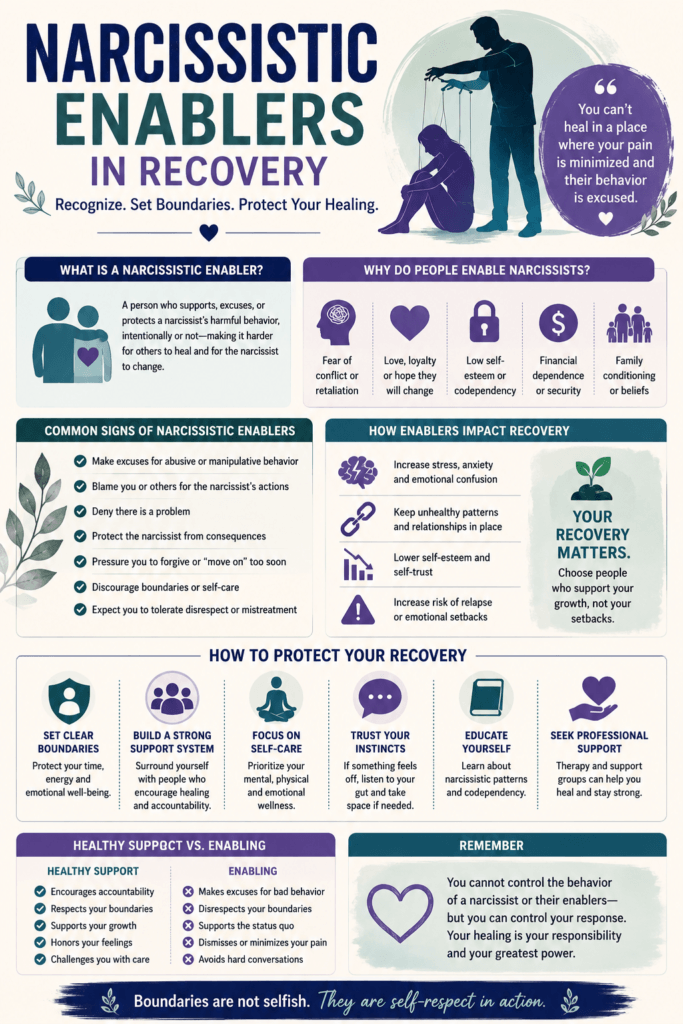
A narcissistic enabler is someone who supports, excuses, or protects a narcissist’s unhealthy behavior, either knowingly or unknowingly. Unlike someone who’s just unaware, these enablers play an active role in helping the narcissist keep control or dodge consequences. In recovery scenarios, they often act as peacekeepers or mediators, but their actions actually keep unhealthy cycles spinning.
How Do Enablers Impact Recovery?
The influence of narcissistic enablers can be subtle but intense. I’ve seen situations where they downplay abuse, blame the survivor, or even sabotage boundaries set by someone trying to heal. This kind of dynamic slows or derails progress, making it really tough for you to stand up for yourself or trust your gut.
Common Signs of Narcissistic Enablers
They Excuse Toxic Behavior
Enablers often brush off a narcissist’s lies, manipulation, or anger by saying things like “That’s just how they are” or blaming stress and misunderstandings. I’ve had people explain, “Oh, they didn’t mean it that way,” even when the narcissist’s actions hurt others, validating harmful behavior in the process.
They Guilt or Shame You for Setting Boundaries
If you set boundaries or try to protect yourself, an enabler might say you’re being too sensitive or selfish. Statements like, “Can’t you just forgive and forget?” or “Why are you making things difficult for everyone?” are common. This kind of pressure makes it hard to maintain your boundaries or feel confident in your decisions.
They Play Both Sides
Some enablers claim they support your recovery while still catering to the narcissist’s needs behind the scenes. They might nod at your concerns in private, but side with the narcissist in front of others or report back everything you’ve shared.
They Try to Keep the Peace at Your Expense
Keeping everyone “getting along” is their main goal, even if this means you’re silenced or your feelings get minimized. Instead of challenging unhealthy behavior, they sweep problems under the rug, which only allows the behavior to continue.
Why People Become Enablers
Fear of Conflict
Many enablers genuinely fear standing up to the narcissist. They may have been conditioned for years to avoid drama, so they seek the path of least resistance. Unfortunately, their avoidance keeps unhealthy patterns firmly in place, making recovery more difficult for everyone involved.
Lack of Awareness
Some people don’t recognize narcissistic traits or really know what enabling looks like. If they grew up around manipulative personalities, this dynamic might seem normal to them, making it tough to realize something’s off until someone points it out or they see the effects firsthand.
Desire for Approval
A strong need for acceptance or belonging can push people to support narcissists, especially if they fear being rejected themselves. I’ve seen enablers who prefer keeping the narcissist happy rather than risk being on the receiving end of their anger—a coping mechanism that can be hard to break without outside perspective.
How to Respond When You Spot an Enabler
Trust Your Perception
It’s so important to trust your instincts when something feels off. If you notice someone repeatedly downplaying your experiences or siding with a narcissist, give yourself permission to acknowledge this—even if others can’t see it yet. Sometimes, simply noticing a pattern is the first step to less confusion and better boundaries.
Set Clear Boundaries
Setting and holding boundaries can be really tough, especially when enablers pile on guilt. I recommend saying your boundaries calmly and directly—whether one-on-one or in writing for extra clarity. If boundaries keep getting tested, it’s completely okay to reduce contact or ask for space. Your well-being comes first.
Seek Out Supportive People
Leaning on support groups or trusted friends who understand recovery and respect boundaries is a game-changer. Connecting with people who “get it” gives you the validation and encouragement to keep going even when enablers rattle your confidence. Online forums or local meetings can be great places to start if you don’t already have a support network.
Helpful Resources and What to Do Next
Further Reading
There are some excellent resources if you want to learn more about this topic. Psychology Today’s Narcissism Guide and the book “Stop Caretaking the Borderline or Narcissist” by Margalis Fjelstad both offer actionable insights for dealing with enablers and setting boundaries.
When to Seek Professional Help
If you’re feeling overwhelmed or unsure where to start, therapy can be a great place to process what you’re experiencing. Licensed therapists who understand narcissistic abuse and enabling patterns can make a huge difference in supporting your growth and safety. Don’t hesitate to reach out—you’re not alone.
Finding Your Own Path Forward
Everyone’s experience in recovery is unique, but understanding narcissistic enablers and their role can help clear the way for genuine growth. Remember, it’s more than okay to put your well-being first as you move forward, and recognizing these patterns is a major step toward being free from them.
Frequently Asked Questions and Answers
1. What is a narcissistic enabler?
A narcissistic enabler is someone who knowingly or unknowingly supports, excuses, or protects the harmful behaviors of a person with narcissistic traits. Their actions may make it more difficult for the narcissistic behavior to change and can negatively affect the recovery of others.
2. Is a narcissistic enabler always aware of what they are doing?
No. Many enablers do not realize they are reinforcing unhealthy behaviors. Some act out of fear, guilt, loyalty, financial dependence, or a desire to keep the peace.
3. How can narcissistic enablers affect addiction recovery?
They may minimize harmful behaviors, discourage accountability, manipulate emotions, or pressure someone to return to unhealthy relationships. These behaviors can increase stress and raise the risk of relapse.
4. What are common signs of a narcissistic enabler?
Common signs include making excuses for abusive behavior, blaming the victim, discouraging healthy boundaries, denying problems, protecting the narcissist from consequences, and expecting others to tolerate mistreatment.
5. Can family members become narcissistic enablers?
Yes. Parents, siblings, spouses, children, and close friends can unintentionally enable narcissistic behaviors, especially when they fear conflict or have been conditioned by long-term, unhealthy family dynamics.
6. Are narcissistic enablers abusive themselves?
Not always. While some may engage in manipulation or emotional abuse, others simply reinforce unhealthy patterns without intending harm. Their actions, however, can still contribute to emotional distress.
7. How do I know if someone is enabling rather than helping?
Healthy support encourages accountability, honesty, and growth. Enabling protects someone from consequences, excuses repeated harmful behaviors, or discourages personal responsibility.
8. Why do people enable narcissists?
People may enable due to fear of retaliation, low self-esteem, trauma, codependency, financial dependence, cultural expectations, or hope that the narcissist will eventually change.
9. Can narcissistic enablers change?
Yes. With increased self-awareness, education, counseling, and healthy boundaries, many people can recognize enabling behaviors and learn healthier ways to support others.
10. How can I protect my recovery from narcissistic enablers?
Set clear boundaries, limit contact when necessary, build a strong support network, attend therapy or recovery groups, practice self-care, and surround yourself with people who encourage accountability and respect.
11. Should I cut off all contact with narcissistic enablers?
Not necessarily. The decision depends on the level of harm, your safety, and your recovery needs. Some relationships improve with firm boundaries, while others may require limited or no contact.
12. Can therapy help someone recover from narcissistic family dynamics?
Yes. Evidence-based approaches such as cognitive behavioral therapy (CBT), trauma-informed therapy, dialectical behavior therapy (DBT), and support groups can help individuals heal from emotional manipulation, strengthen boundaries, and improve self-esteem.
13. What role do boundaries play in recovery?
Healthy boundaries protect your emotional well-being, reduce manipulation, improve self-respect, and create space for healthier relationships. They are an essential part of long-term recovery.
14. Does having narcissistic enablers mean recovery is impossible?
No. Recovery is possible even in difficult environments. With professional support, healthy relationships, consistent coping strategies, and a commitment to personal growth, many people build fulfilling, substance-free lives despite past unhealthy relationships.
15. When should I seek professional help?
Seek professional help if narcissistic relationships contribute to anxiety, depression, trauma symptoms, low self-esteem, emotional abuse, difficulty maintaining sobriety, or if you feel unsafe. A licensed mental health professional can help you develop personalized strategies for healing and recovery.
Video: Narcissistic Enablers in Recovery