Media Portrayal of a Drug Abuser
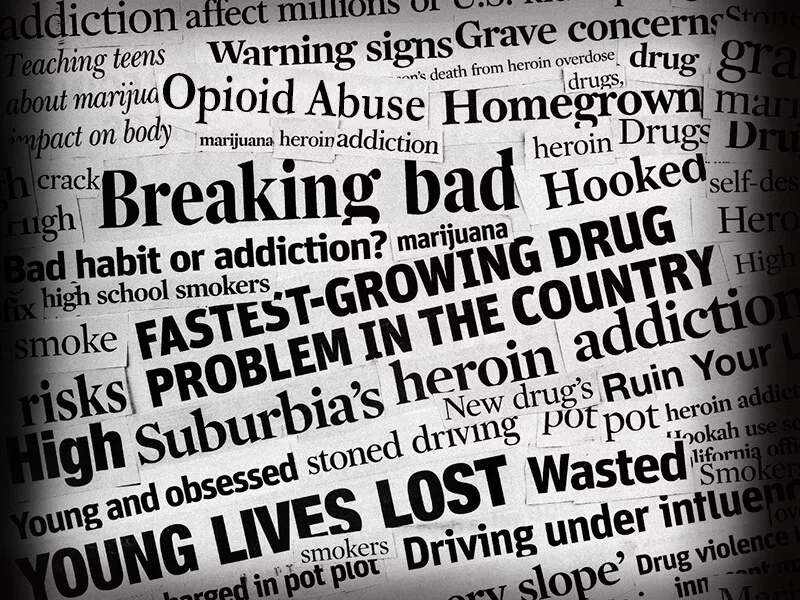
The media plays a significant role in shaping public perceptions, particularly regarding drug abuse, but it frequently relies on stereotypes, which can perpetuate stigma. This hinders empathetic understanding and effective solutions. Recognizing media’s influence, we must strive for more accurate and compassionate portrayals. This demands community, advocacy, and government efforts to challenge prevailing narratives and … Read more


Drug Doping in Sports

Illicit drug use in sports, doping, raises concerns about fair play and athlete well-being. Various substances, from performance-enhancing to recreational, infiltrate athletics, posing risks to health and the integrity of the sport. This practice can lead to severe health conditions, compromising careers. Stringent penalties aim to deter drug use, while community resources and awareness campaigns … Read more

Understanding Xanax Abuse

Xanax abuse is a prevalent concern in today’s society, drawing attention due to its widespread misuse. This addictive substance, initially prescribed for anxiety and panic disorders, has unfortunately become a subject of dependency. Understanding the neuroscience of Xanax addiction is vital for effective treatment. Self-care is crucial in the recovery process, enabling individuals to prioritize … Read more

Drugs and Crime Correlation

The nexus between drugs and crime is a pervasive challenge with widespread consequences. It ranges from petty theft to organized criminal activity, significantly impacting individuals and communities. Governments implement policies and law enforcement measures, while communities provide essential resources. This exploration delves into this correlation, highlighting its prevalence, consequences, government actions, and the pivotal role … Read more

Path to Sexual Addiction

Sexual addiction, or hypersexuality, is a complex issue marked by an intense preoccupation with sexual thoughts and activities that can disrupt daily life. It impacts relationships, work, and overall well-being. The neuroscience mirrors patterns seen in substance addiction. Treatment involves therapy, support groups, and sometimes medication. Self-care, emotional well-being, and boundaries are crucial. Family support … Read more

Pathway to Smartphone Addiction

Smartphone addiction is a growing concern in our digitally connected world. It’s deeply tied to complex brain processes and can have significant negative effects on daily life and well-being. To tackle this issue, a comprehensive approach involving professional treatment, family support, and community resources is needed. Understanding the neuroscience behind smartphone addiction is key for … Read more

Online Gaming and Addiction

Online gaming addiction is a complex issue with neurological roots and disruptive symptoms. Addressing it requires a comprehensive approach involving professional treatment, family support, and community resources. Understanding its neuroscience is key for effective intervention. This exploration delves into the intricacies of online gaming addiction, covering its neurological basis, common symptoms, treatment options, and the … Read more

Fundamental Rights of Addicts

Involuntary treatment for mental illness and addiction raises complex issues between healthcare and civil liberties. Advocates argue it can be a crucial safety intervention, while critics stress the importance of respecting individual autonomy. State laws play a pivotal role in regulating this practice. This discussion will explore the pros and cons, state laws, and fundamental … Read more

Vaping into an Addiction

Vaping, inhaling vaporized substances, has become a major health concern. Initially marketed as a safer alternative to smoking, it now poses serious risks. The rise in vaping among young people is particularly worrying. It’s important to compare it with proven nicotine cessation products. Legislation is being introduced to restrict access, especially for youth. Family support … Read more

LGBTQ and Addiction

The intersection of LGBTQ identity and addiction presents a complex and often marginalized facet of the broader struggle with substance abuse. LGBTQ individuals face unique challenges, including societal stigma, discrimination, and a higher risk of mental health issues. These factors can contribute to the development of addiction, creating a web of interconnected challenges. Tragically, this … Read more