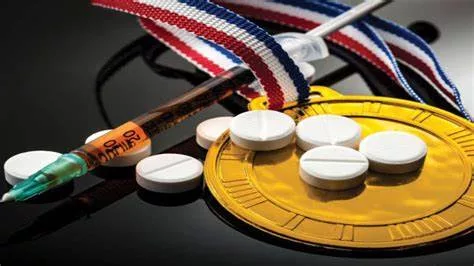
Illicit drug use in sports, doping, raises concerns about fair play and athlete well-being. Various substances, from performance-enhancing to recreational, infiltrate athletics, posing risks to health and the integrity of the sport. This practice can lead to severe health conditions, compromising careers. Stringent penalties aim to deter drug use, while community resources and awareness campaigns educate athletes and the public, fostering a culture of clean competition.
Understanding Why Athletes May Turn to Illicit Drugs
Athletes may use illicit drugs for various reasons, and the motivations can differ from one individual to another. Understanding these reasons is crucial for creating effective prevention and support systems. Here are some common factors that drive athletes toward illicit substances:
Common Motivations for Drug Use in Athletes
Performance Enhancement: Some athletes believe that certain drugs can enhance their physical performance, giving them a competitive edge over opponents. These substances may temporarily boost strength, speed, or endurance, making them appealing in high-stakes competitions.
Recovery and Pain Management: The intense physical demands of many sports often lead to injuries and chronic pain. Athletes may turn to drugs to manage pain or accelerate recovery, sometimes without fully understanding the risks.
Weight Management: Drugs like stimulants or diuretics are sometimes used to control weight, especially in sports with weight classes or where a specific physique is ideal. These practices can pose serious health risks.
Stress and Anxiety Relief: The pressure to perform at an elite level can lead to stress and anxiety. To cope, athletes might seek substances that offer temporary relief from mental strain.
Peer Pressure and Social Influence: Athletes may operate in environments where drug use is normalized or even encouraged by peers or coaches. Social pressure can play a significant role in their decisions.
Misguided Beliefs: Some athletes harbor misconceptions about the benefits and risks of certain substances. They may believe that drugs are essential to achieving their goals, ignoring safer and ethical alternatives.
Desperation: In moments of career uncertainty or injury, athletes might resort to drugs, hoping to salvage their performance or secure their future.
Lack of Awareness or Education: A lack of understanding about the dangers and consequences of illicit substances can lead athletes to make uninformed decisions. Comprehensive education is vital in addressing this gap.
Commonly Abused Substances in Sports
In the realm of sports, several illicit drugs are frequently abused for their perceived benefits:
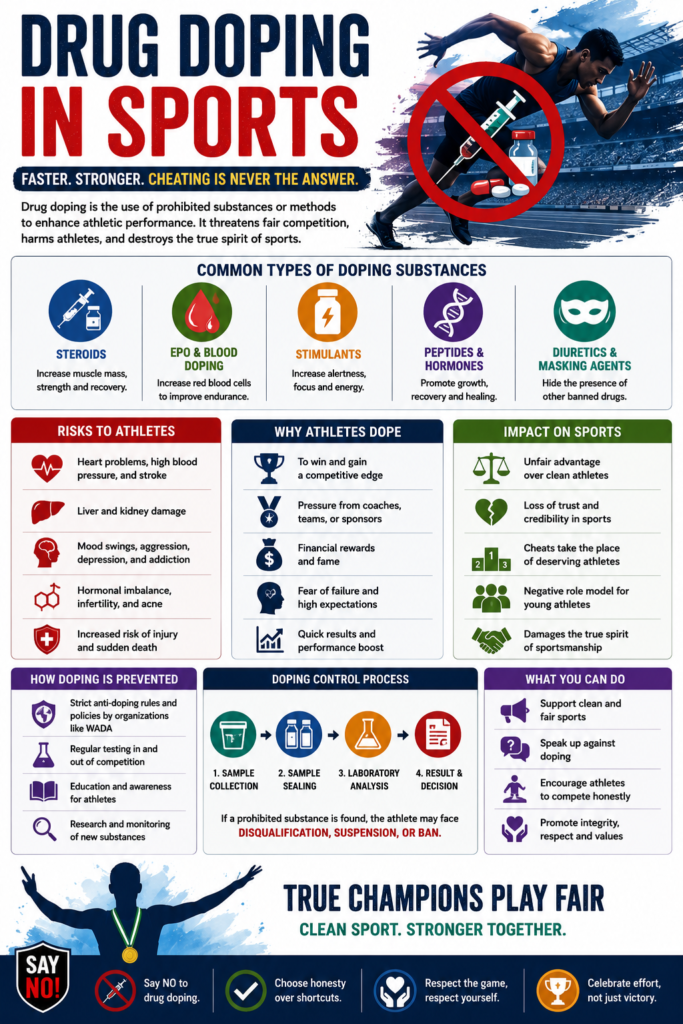
Anabolic Steroids: Synthetic versions of testosterone that increase muscle mass and strength, often used for performance enhancement.
Stimulants: Drugs like amphetamines and cocaine boost alertness, attention, and energy, potentially improving focus and endurance.
Human Growth Hormone (HGH): This hormone promotes growth and cell reproduction, aiding in muscle mass development and recovery.
Erythropoietin (EPO): EPO stimulates red blood cell production, increasing oxygen-carrying capacity and enhancing endurance.
Diuretics: These drugs mask the presence of other banned substances by diluting urine, complicating drug detection.
Cannabinoids: Although not performance-enhancing, cannabis is banned in many sports due to its effects on coordination and judgment.
Narcotic Analgesics: Painkillers that help athletes push through injuries or discomfort, often at significant personal risk.
Beta-Blockers: Used to reduce anxiety and tremors, providing an advantage in sports requiring precision and steadiness.
Addressing the Issue
To combat the use of illicit drugs, sports organizations employ a combination of education, prevention, and enforcement strategies:
- Comprehensive Education Programs: Athletes must understand the risks and long-term consequences of drug use. Education initiatives should start early and continue throughout their careers.
- Strict Anti-Doping Policies: Regular drug testing and clear penalties deter athletes from using banned substances. Transparency in policy enforcement builds trust in the system.
- Mental Health Support: Providing athletes with access to mental health resources can help them cope with stress and anxiety without resorting to drugs.
- Proper Injury Management: Encouraging natural and medically supervised recovery methods reduces the reliance on illicit substances for pain management.
By fostering a culture of integrity and health, we can discourage illicit drug use and protect athletes’ well-being while preserving the spirit of fair competition in sports.
Anti-Doping Requirements and Drug Testing in Sports
To avoid illicit drug use in sports, athletes are typically subject to specific competition requirements designed to uphold fairness and integrity. These requirements include rigorous drug testing policies, education programs, and support mechanisms. Here’s an overview of the processes involved:
Key Components of Anti-Doping Policies
Drug Testing Policy: Sports organizations and governing bodies establish clear policies outlining prohibited substances and the consequences of positive tests. These policies aim to create a level playing field.
Education and Awareness Programs: Athletes receive education about the risks of drug use, the consequences of doping violations, and detailed information about banned substances. Awareness is essential for prevention.
In-Competition and Out-of-Competition Testing: Athletes may be tested during official competitions (in-competition testing) and outside competition periods (out-of-competition testing), including random or scheduled tests.
Notification of Testing: Athletes must be notified of their selection for testing and report to the designated testing area within a specified timeframe. This ensures transparency and compliance.
Sample Collection: Athletes provide a biological sample, such as urine or blood. Saliva, hair, sweat, or breath samples may also be collected depending on the type of test required.
Chain of Custody: Strict procedures ensure the integrity of the sample from collection to analysis. This includes secure handling, labeling, and documentation.
Laboratory Analysis: Samples are sent to accredited laboratories for analysis using advanced methods to detect banned substances and doping violations.
Confirmation Testing: Positive results are confirmed through a secondary analysis using different testing methods to ensure accuracy and reliability.
Therapeutic Use Exemptions (TUEs): Athletes with legitimate medical conditions may apply for a TUE, allowing them to use a prohibited substance under strict medical supervision.
Sanctions for Violations: Athletes who test positive for banned substances face penalties, which may include disqualification, suspension, loss of titles or medals, and fines.
Appeal Process: Athletes have the right to appeal doping violations. They can present evidence to challenge findings or procedural errors.
Rehabilitation and Support: Athletes testing positive may be required to undergo rehabilitation programs, including counseling and education about substance abuse.
Types of Drug Testing Methods
Athletes may undergo various types of drug tests to detect the use of illicit substances. Common methods include:
Urine Tests: The most common testing method, urine samples are analyzed for specific banned substances.
Blood Tests: These tests provide detailed information about an athlete’s drug use and can detect a wider range of substances. They are less common due to their invasive nature.
Saliva Tests: Less invasive than blood tests, saliva samples can detect certain substances but may be less comprehensive.
Hair Tests: Hair samples provide a longer detection window, revealing drug use over several months.
Sweat Tests: Athletes wear a patch to collect sweat over time. The patch is then analyzed for drug metabolites.
Breath Tests: Primarily used for alcohol detection, breath tests can also detect specific substances, such as inhalants.
Polygraph Tests: Although less scientifically reliable, lie detector tests may be used in some cases to assess truthfulness about drug use.
Isotope Ratio Mass Spectrometry (IRMS): This advanced technique detects synthetic versions of naturally occurring substances, such as testosterone.
Drug testing in sports is a multi-faceted effort to maintain fairness, integrity, and athlete safety. Athletes must familiarize themselves with the specific anti-doping rules and requirements of their sport and governing body. Adhering to these guidelines not only ensures compliance but also protects athletes’ health and reputation while preserving the spirit of competition.
Penalties for Illicit Drug Use in Sports
When athletes are found to use illicit drugs during sporting events, they may face various penalties depending on the governing body and the specific rules of the event. These penalties aim to deter drug use and uphold the integrity of the competition. Below are some common consequences for athletes who violate anti-doping regulations:
Common Penalties for Drug Use in Sports
1. Disqualification: Athletes may be immediately disqualified from the event in which the drug use was detected. This ensures fairness for other competitors and sends a strong message about compliance.
2. Forfeiture of Medals or Awards: If an athlete has already won a medal, trophy, or other award, it may be revoked and re-awarded to the next eligible competitor.
3. Suspension: Athletes may face temporary suspensions from future events. The length of the suspension can vary, ranging from a few months to several years, depending on the severity of the violation and the substance involved.
4. Fines: Some sports governing bodies impose monetary fines on athletes who test positive for illicit drugs. These fines serve as an additional deterrent.
5. Loss of Rankings or Records: Any records, titles, or rankings achieved during the period of drug use may be nullified. This restores the integrity of competitive achievements.
6. Loss of Sponsorship and Endorsements: Sponsors and endorsers often sever ties with athletes upon confirmation of drug use. This can result in significant financial and reputational loss for the athlete.
7. Loss of Scholarships: Student-athletes who test positive for illicit drugs may lose their athletic scholarships, affecting their educational opportunities.
8. Bans from Competitions: Athletes may be banned from specific events or competitions, or in some cases, from all competitions sanctioned by the governing body.
9. Doping Education and Counseling: Athletes may be required to participate in doping education programs and undergo counseling as part of their rehabilitation process. This focuses on prevention and future compliance.
10. Lifetime Ban: Repeat offenders or those involved in severe violations may face a lifetime ban from the sport. This serves as the harshest penalty to preserve the sport’s integrity.
11. Legal Consequences: Depending on the jurisdiction and the substance involved, athletes may face legal repercussions, such as fines, probation, or criminal charges. Legal action reinforces the seriousness of drug-related offenses.
The penalties for illicit drug use in sports are multifaceted and designed to deter athletes from engaging in unfair practices. By implementing strict consequences and providing education and support, governing bodies aim to maintain fair competition, protect athlete health, and preserve the spirit of sportsmanship.
Preventing Illicit Drug Use in Sporting Events
To prevent illicit drug use in sporting events, communities can implement various strategies:
- Education and Awareness Programs:
- Organize workshops, seminars, and awareness campaigns in schools, sports clubs, and community centers.
- Educate athletes, coaches, parents, and community members about the dangers of illicit drug use in sports.
- Youth Sports Leagues:
- Create organized sports leagues for youth with strict anti-drug policies and regular testing.
- Discourage drug use from an early age through positive reinforcement and education.
- Drug-Free Sports Events:
- Support and promote drug-free sporting events with strict anti-doping policies.
- Conduct regular drug testing to ensure fair competition.
- Community Centers and Recreation Programs:
- Establish community centers and recreational programs to provide healthy, constructive outlets for young people.
- Keep youth engaged and less likely to turn to drugs.
- Peer Mentorship Programs:
- Pair experienced athletes or mentors with younger athletes.
- Provide guidance, support, and positive role modeling, emphasizing the importance of a drug-free lifestyle.
- Access to Counseling and Support Services:
- Ensure that counseling services and support groups are readily available for athletes struggling with substance abuse issues.
- Offer confidential and accessible help.
- Promote Positive Role Models:
- Highlight successful athletes who have achieved their goals without resorting to drug use.
- Showcase them as examples of healthy, drug-free living.
- Community Policing:
- Collaborate with local law enforcement agencies to increase vigilance.
- Enforce measures against drug trafficking and distribution in the community.
- Parental Involvement:
- Encourage parents to actively participate in their children’s sports activities.
- Reinforce values of fair play, sportsmanship, and a drug-free lifestyle.
- Drug-Free Zones:
- Designate specific areas, such as sports facilities and community centers, as drug-free zones.
- Enforce strict penalties for any violations.
- Rehabilitation and Treatment Facilities:
- Ensure that rehabilitation and treatment facilities are available within the community.
- Provide necessary resources to help individuals overcome addiction.
- Media Campaigns:
- Utilize various forms of media, including social media, local newspapers, and community bulletin boards.
- Disseminate information about the risks of drug use in sports and the available support systems.
- Collaboration with Schools:
- Work closely with schools to incorporate anti-drug education into the curriculum.
- Enforce strict policies against drug use among student-athletes.
By implementing these strategies, communities can create an environment that discourages illicit drug use in sports, promotes healthy lifestyles, and supports the well-being of athletes at all levels.
Frequently Asked Questions and Answers
What is drug doping in sports?
Drug doping in sports refers to the use of banned substances or methods to improve athletic performance unfairly.
Why do athletes use performance-enhancing drugs?
Some athletes use drugs to increase strength, endurance, speed, recovery time, or competitive advantage.
What are common performance-enhancing drugs?
Common substances include anabolic steroids, stimulants, human growth hormone, EPO, diuretics, and testosterone boosters.
What are anabolic steroids?
Anabolic steroids are synthetic substances related to testosterone that may increase muscle mass and strength.
What is EPO in sports doping?
EPO, or erythropoietin, increases red blood cell production to improve endurance performance.
Are performance-enhancing drugs dangerous?
Yes. Doping substances can cause serious physical and mental health problems.
What health risks are linked to sports doping?
Risks may include heart disease, liver damage, hormonal imbalance, mood swings, addiction, stroke, and sudden death.
Can doping affect mental health?
Yes. Some substances may increase aggression, anxiety, depression, paranoia, or emotional instability.
Why is doping considered unfair?
Doping gives athletes an artificial advantage and violates principles of honesty and fair competition.
How is drug doping detected in sports?
Athletes may undergo urine tests, blood tests, and laboratory analyses during competitions or as part of random testing programs.
What organizations regulate anti-doping rules?
Organizations such as the World Anti-Doping Agency (WADA) establish rules and testing standards for sports competitions.
Can athletes be banned for doping?
Yes. Positive drug tests may result in suspension, disqualification, fines, or permanent bans from competition.
What are masking agents in doping?
Masking agents are substances used to hide banned drugs from detection during testing.
Why are young athletes vulnerable to doping pressure?
Pressure to win, scholarships, body image concerns, social influence, and competition stress may increase risk.
Can supplements contain banned substances?
Yes. Some supplements may contain unlisted or contaminated ingredients that violate anti-doping rules.
How does doping affect the integrity of sports?
Doping damages trust, fairness, sportsmanship, and the credibility of athletic competition.
What are natural alternatives to performance-enhancing drugs?
Healthy nutrition, proper training, sleep, recovery, coaching, and mental conditioning support safe athletic performance.
Can education help prevent doping?
Yes. Prevention education helps athletes understand risks, ethics, testing rules, and healthy performance strategies.
What should athletes do before taking supplements or medications?
Athletes should consult healthcare professionals and review anti-doping regulations before using products.
Why is clean sport important?
Clean sport promotes fairness, athlete safety, honesty, respect, and healthy competition.
Conclusion
Addressing illicit drug use in sporting events is crucial for preserving the integrity of competitions and safeguarding the health of athletes. The prevalence of such practices highlights the need for continued vigilance and effective testing measures. Understanding the types of drugs involved and their potential health consequences is essential. Severe penalties serve as a deterrent, emphasizing the commitment to fair play. Additionally, community resources play a pivotal role in educating athletes and fostering a drug-free sports culture. By collectively addressing this issue, we can work towards a cleaner, safer, and more inclusive sporting environment.
Video: What Happens to Your Body on PEDs 💊 #AntiDoping