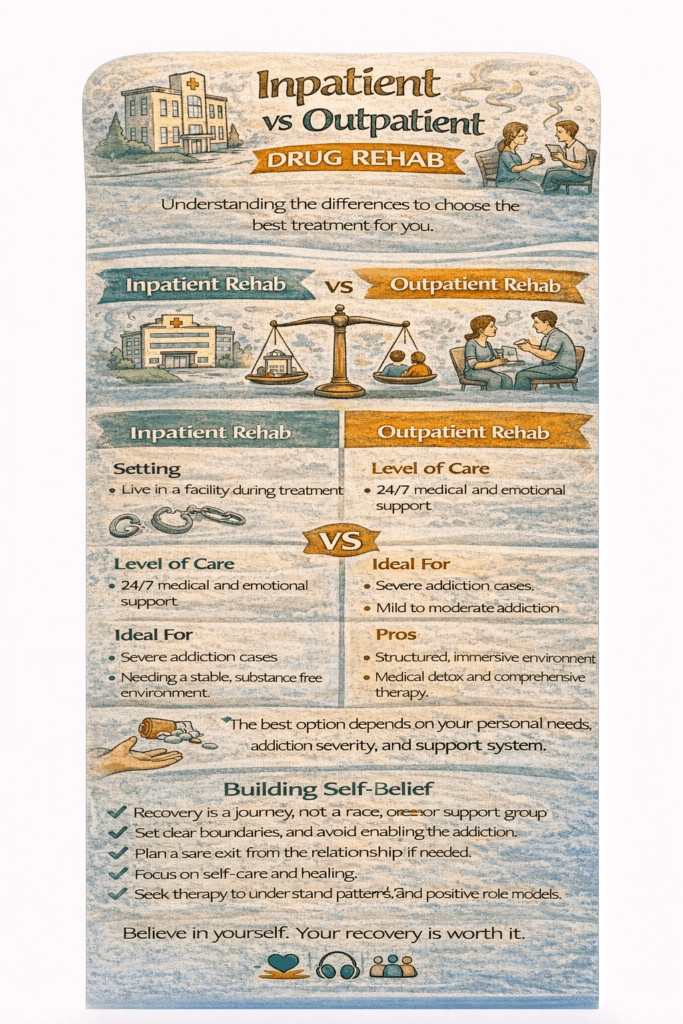
Choosing between outpatient and inpatient therapy for opioid use disorder (OUD) involves navigating unique challenges and benefits. Outpatient therapy offers flexibility but demands effective self-management to mitigate distractions. Inpatient therapy provides structure but entails potential isolation and restricted autonomy. Assessing advantages, disadvantages, and ethical considerations is crucial, given factors such as intensity, cost, and individual needs. Self-management strategies empower active participation in recovery, while family support and community resources enhance the support network. This exploration delves into the nuances of outpatient and inpatient OUD therapy, highlighting the complexities that individuals and healthcare providers face when making informed treatment decisions.
Choosing Between Inpatient and Outpatient Treatment for Opioid Use Disorder (OUD)
Selecting the correct treatment approach for opioid use disorder (OUD) is a critical step toward recovery. The choice between inpatient and outpatient treatment depends on several factors, including the severity of addiction, individual circumstances, and personal preferences. Understanding the features and benefits of each option can help individuals and their families make informed decisions.
Inpatient Treatment: Comprehensive and Immersive Care
Inpatient treatment programs provide a structured and intensive environment that focuses solely on recovery. This approach is often suitable for individuals who:
- Face Severe Addiction or Co-occurring Disorders
- Inpatient care offers comprehensive support for individuals with severe OUD or mental health challenges, providing an integrated treatment plan to address both issues.
- Require Medical Supervision
- For those undergoing detoxification or experiencing severe withdrawal symptoms, inpatient programs offer 24/7 medical care, ensuring safety and comfort during this critical phase.
- Benefit from a Structured Environment
- By removing individuals from triggers and stressors, inpatient care creates a focused setting where recovery can take precedence without distractions.
- Have Limited Social Support
- For those lacking a supportive home environment, inpatient treatment provides a refuge from negative influences and fosters positive relationships in a therapeutic setting.
- Need Intensive Therapy
- Inpatient programs often include daily individual counseling, group therapy, and holistic approaches such as mindfulness or fitness programs, promoting more profound healing.
- Seek to Focus Solely on Recovery
- By relieving individuals of daily responsibilities, inpatient care allows them to concentrate entirely on overcoming addiction and rebuilding their lives.
- Plan to Transition to Outpatient Care
- Many individuals start with inpatient treatment and gradually shift to outpatient programs for continued support as they reintegrate into daily life.
Outpatient Treatment: Flexible and Accessible Care
Outpatient treatment offers a less intensive yet practical option for those with mild to moderate OUD or specific circumstances that favor a more flexible approach. It is best suited for individuals who:
- Experience Mild to Moderate Addiction
- Outpatient care works well for those who don’t require constant supervision or intensive medical intervention.
- Have a Strong Support System
- A stable and encouraging home environment can provide additional support for individuals undergoing outpatient treatment.
- Need to Maintain Commitments
- Outpatient programs allow participants to continue working, attending school, or fulfilling family obligations while receiving treatment.
- Prioritize Cost-Effectiveness
- Outpatient care is generally more affordable than inpatient treatment, making it an accessible option for those with financial limitations.
- Exhibit Self-Motivation
- Success in outpatient programs often depends on the individual’s ability to adhere to their treatment plan and manage daily responsibilities alongside recovery efforts.
- Require Medication-Assisted Treatment (MAT)
- Outpatient settings are well-suited for those receiving MAT, such as methadone or buprenorphine, which can be effectively integrated into their daily routine.
Key Considerations for Both Options
- Professional Assessment
- A thorough evaluation by healthcare professionals is essential to determine the most suitable treatment approach based on the individual’s unique needs and circumstances.
- Treatment Plan Flexibility
- Recovery is a dynamic process. Some individuals may benefit from a combination of inpatient and outpatient care at different stages of their journey.
- Continuity of Care
- Access to aftercare and ongoing support services is crucial for sustaining recovery, regardless of the treatment type chosen.
Making the Best Choice
The decision between inpatient and outpatient OUD treatment should be made collaboratively, involving the individual, their loved ones, and healthcare providers. By considering factors such as addiction severity, personal obligations, and available resources, individuals can select the treatment option that aligns best with their goals and circumstances.
Remember, recovery is a journey that looks different for everyone, and choosing the right path is a significant step toward lasting wellness.
Advantages of Inpatient vs. Outpatient Opioid Use Disorder (OUD) Therapy
When it comes to treating opioid use disorder (OUD), the choice between inpatient and outpatient therapy plays a crucial role in determining the success of recovery. Both options offer distinct benefits depending on an individual’s circumstances, treatment needs, and preferences. Below, we explore the advantages of each therapy setting to help individuals make an informed decision.
Advantages of Inpatient OUD Therapy:
1. Intensive Care:
- Inpatient therapy offers a higher level of care and supervision, making it the best choice for individuals with severe OUD or those requiring medically supervised detoxification. The structured, immersive environment ensures around-the-clock support, particularly during withdrawal phases.
2. Structured Environment:
- Inpatient programs are designed to remove individuals from the stressors and triggers of daily life. By creating a controlled environment, inpatient care minimizes distractions, fostering a more focused and healing recovery process.
3. 24/7 Medical Support:
- For individuals who need constant medical attention, inpatient care provides round-the-clock supervision to address emergencies, manage withdrawal symptoms, and ensure safety throughout recovery.
4. Immersion in Recovery:
- Being removed from daily responsibilities, such as work or family obligations, allows individuals to focus solely on recovery. This immersion into treatment often results in a more dedicated, intensive recovery effort.
5. Isolation from Negative Influences:
- Inpatient settings offer a temporary break from potentially harmful influences, such as unsupportive family members or environments that encourage drug use. This separation helps individuals focus on building a strong foundation for recovery.
6. Intensive Therapy:
- Inpatient therapy typically provides more intensive interventions, including individual and group counseling, cognitive-behavioral therapy (CBT), and holistic practices. These approaches are designed to address the root causes of addiction and support long-term healing.
7. Focused Recovery:
- Without the distractions of daily life, inpatient programs allow individuals to fully concentrate on their recovery process, making it easier to develop healthy habits and coping mechanisms.
8. Comprehensive Assessments:
- Inpatient settings often include thorough assessments to tailor treatment plans specifically to the individual’s unique needs, ensuring a personalized approach to recovery.
9. Peer Support:
- Being in a community with others who share similar struggles can offer valuable peer support. This communal aspect fosters a sense of camaraderie, empathy, and shared strength, enhancing the recovery experience.
10. Transition to Outpatient:
- For individuals requiring intensive care initially, inpatient therapy can serve as the first step in their recovery journey. As they stabilize, many can transition into outpatient therapy for continued support, allowing for gradual reintegration into daily life.
Advantages of Outpatient OUD Therapy:
1. Flexibility:
- Outpatient therapy offers greater flexibility, allowing individuals to continue with their everyday commitments, such as work, school, or family obligations, while still receiving treatment. This flexibility can help prevent disruptions in their lives as they seek recovery.
2. Cost-Effectiveness:
- Outpatient treatment is generally more affordable than inpatient care. For those with financial constraints, outpatient therapy offers a practical option to access essential recovery services without the higher costs of residential care.
3. Community Integration:
- One of the most significant benefits of outpatient therapy is that it allows individuals to stay connected to their community and support networks. Maintaining these relationships can reduce feelings of isolation and foster a sense of belonging, both of which are vital for recovery.
4. Independence:
- Outpatient therapy promotes greater independence, as individuals must manage their daily lives while actively participating in their treatment. This autonomy can help build self-confidence and strengthen their commitment to recovery.
5. Access to Home Environment:
- Outpatient care allows individuals to remain in their home environment, where they can practice the coping skills and strategies learned during therapy. Applying these techniques in real-life situations helps individuals build resilience and prepare for long-term success.
6. Continuity of Care:
- Outpatient programs provide a smooth transition from more intensive inpatient care to ongoing recovery. The continuity of care ensures individuals receive consistent support and therapy, promoting lasting recovery and preventing relapse.
Making the Right Choice:
Choosing between inpatient and outpatient therapy should depend on a thorough evaluation of an individual’s unique needs, the severity of their addiction, and the level of support required. For some individuals, a combination of both inpatient and outpatient care at different stages of recovery may provide the most comprehensive approach.
Ultimately, both inpatient and outpatient OUD therapies offer valuable benefits that can support an individual’s recovery journey. Working closely with healthcare professionals can help guide decision-making, ensuring treatment aligns with the individual’s goals and circumstances.
Disadvantages of Inpatient vs. Outpatient Opioid Use Disorder (OUD) Therapy
Choosing between inpatient and outpatient therapy for opioid use disorder (OUD) treatment is a crucial decision that depends on the individual’s unique circumstances, recovery needs, and personal preferences. While both options provide valuable care, they also come with specific disadvantages. Below are some of the drawbacks of each therapy setting to help individuals make an informed decision.
Disadvantages of Inpatient OUD Therapy:
1. Disconnection from Daily Life:
- One of the primary disadvantages of inpatient therapy is that individuals must disconnect from their daily life, including work, school, and family responsibilities. This detachment can pose challenges when reintegrating into daily routines after treatment, especially with ongoing obligations.
2. Restricted Independence:
- Inpatient settings often have strict rules and schedules that limit personal freedoms. While this structure is designed to support recovery, it can feel restrictive for individuals accustomed to greater autonomy.
3. Isolation from Support Networks:
- Being away from home for treatment can result in isolation from existing support networks, such as close friends, family, or work colleagues. This separation can negatively affect emotional well-being, leading to feelings of loneliness or disconnection from the outside world.
4. Limited Flexibility:
- Inpatient care is not as flexible as outpatient therapy, which can be a disadvantage for individuals who need to balance treatment with work or family commitments. The rigid schedule can make it difficult for those with significant life responsibilities to participate.
5. Cost:
- Inpatient therapy is typically more expensive than outpatient care, due to the comprehensive services and 24/7 supervision it provides. This higher cost may make inpatient treatment less accessible to individuals with financial constraints or limited insurance coverage.
6. Stigmatization:
- The residential nature of inpatient treatment may carry a stigma, particularly for those who feel self-conscious about being in a facility or who face societal judgments about addiction treatment. This stigma can impact an individual’s self-esteem and complicate their recovery process.
7. Transition Challenges:
- Transitioning from the highly structured environment of inpatient care to the more independent setting of outpatient care can be difficult. Individuals may struggle with increased autonomy and the return of potential triggers in their home environment.
8. Less Community Integration:
- Inpatient treatment offers limited opportunities for individuals to engage with their broader community. While the focus is on recovery, the lack of community interaction can reduce the development of a supportive, real-world social network.
9. Potential for Dependency on the Treatment Environment:
- Some individuals may become overly reliant on the structure and support of the inpatient environment, making it difficult for them to navigate recovery in less controlled or familiar settings once they leave treatment.
Disadvantages of Outpatient OUD Therapy:
1. Limited Supervision:
- Outpatient therapy offers less supervision compared to inpatient care, which can be a disadvantage for individuals with severe OUD or those who need constant medical monitoring. The reduced oversight can make it harder to address immediate issues or ensure safety during treatment.
2. Potential for Distractions:
- Unlike inpatient care, outpatient therapy takes place in a home or community setting, where individuals may encounter distractions or triggers that threaten their focus on recovery. External stressors from work, family, or social settings can complicate the treatment process.
3. Less Intensive Treatment:
- Outpatient programs may offer less intensive therapy compared to inpatient settings. For individuals with deep-seated addiction issues, the lower intensity of outpatient therapy might not be sufficient to address the complex needs of their recovery.
4. Risk of Relapse:
- The flexibility of outpatient therapy, while beneficial in many cases, can also increase the risk of relapse. Individuals in outpatient programs may face exposure to environments or situations that trigger substance use, making it harder to maintain focus on recovery.
5. Limited Medical Support:
- Outpatient therapy may offer less medical support than inpatient care. This can be especially problematic for individuals who require ongoing medical attention during detoxification or those with co-occurring health issues that need immediate intervention.
6. Dependency on Self-Motivation:
- Outpatient therapy relies heavily on the individual’s self-motivation. Without the structured environment of inpatient care, individuals must stay committed to their treatment plan and recovery goals. This level of responsibility can be challenging for those who struggle with maintaining consistency in their treatment.
Making the Right Choice:
The choice between inpatient and outpatient OUD therapy depends on a variety of factors, including the severity of the addiction, personal preferences, and available support systems. Both settings have distinct advantages and disadvantages that should be carefully considered. A thorough assessment by a healthcare professional can help guide the decision-making process, ensuring the most effective and supportive treatment plan is chosen for long-term recovery.
For some individuals, a combination of inpatient and outpatient therapy or transitioning between the two may offer the most well-rounded approach. Tailoring treatment to an individual’s needs increases the likelihood of a successful recovery journey.
Ethical Dilemmas in Inpatient vs. Outpatient Opioid Use Disorder (OUD) Therapy
Opioid Use Disorder (OUD) treatment can take place in either inpatient or outpatient settings, each with its own set of ethical considerations. These dilemmas focus on autonomy, informed consent, privacy, equity, and the balance between an individual’s well-being and the treatment environment. Understanding these ethical challenges helps ensure that both types of therapy are administered fairly, effectively, and respectfully. Here are some of the moral dilemmas associated with inpatient and outpatient OUD therapy.
Ethical Dilemmas of Inpatient OUD Therapy:
1. Autonomy and Restrictions:
- Ethical Dilemma: Inpatient therapy involves significant restrictions on personal freedoms. Patients are often required to follow a strict schedule and adhere to facility rules, raising the question of how much autonomy can be ethically restricted. While a structured environment can be therapeutic, the question remains: when does it go too far in limiting individual freedom?
2. Isolation from Support Networks:
- Ethical Dilemma: Inpatient treatment typically isolates individuals from their family, friends, and community. While this may shield patients from negative influences and triggers, it can also deprive them of vital emotional support. The ethical concern is whether the benefits of isolation outweigh the potential emotional and psychological harm of being distanced from established support systems.
3. Equity in Treatment Opportunities:
- Ethical Dilemma: Not all individuals have equal access to inpatient care, often due to financial constraints or limited availability of treatment facilities. The moral question here revolves around the equity of treatment opportunities: how do we ensure that individuals from diverse backgrounds, including those from low-income communities, have access to the same quality of care?
4. Balancing Structure and Independence:
- Ethical Dilemma: Inpatient care provides a highly structured environment, but the level of restriction can vary. Striking a balance between structure and individual autonomy is challenging. The ethical issue arises in determining how much structure is necessary for recovery without stripping individuals of their personal freedom.
5. Transition Challenges:
- Ethical Dilemma: Transitioning from inpatient care to outpatient therapy can be delicate. The ethical concern is whether individuals are adequately prepared for the increased autonomy and potential challenges they may face in the less-structured environment of their homes. How can treatment providers ensure a smooth and supportive transition to reduce the risk of relapse?
6. Stigmatization:
- Ethical Dilemma: The residential nature of inpatient care can inadvertently contribute to patient stigmatization. Being placed in a facility for addiction treatment may lead to societal judgments that negatively affect self-esteem. The ethical dilemma here is how to provide care without increasing the stigma surrounding addiction recovery.
Ethical Dilemmas of Outpatient OUD Therapy:
1. Autonomy and Self-Motivation:
- Ethical Dilemma: Outpatient therapy emphasizes autonomy and self-motivation, but not all individuals struggling with OUD have the capacity to make fully informed decisions or maintain the motivation necessary for recovery. The ethical question is whether it’s fair to place individuals who lack strong self-motivation in a treatment model that requires them to take more responsibility for their recovery.
2. Privacy and Confidentiality:
- Ethical Dilemma: Outpatient therapy often occurs in community settings, raising concerns about patients’ privacy and confidentiality. There is a risk that sensitive health information may be inadvertently exposed to family members or others in the community. The ethical challenge is maintaining privacy while also ensuring effective communication between healthcare providers and supporting the patient’s needs.
3. Risk of Relapse and Harm:
- Ethical Dilemma: Outpatient care is more flexible than inpatient care, but this can also increase the risk of relapse if patients are exposed to situations that trigger substance use. The ethical dilemma here concerns treatment providers’ responsibility to fully inform patients about potential risks and to assess whether outpatient therapy is the right choice given the patient’s history and risk factors.
4. Equity in Access to Support:
- Ethical Dilemma: Outpatient treatment assumes that individuals have a stable and supportive home environment. However, this is not always the case, and some individuals may lack the necessary social support or live in unstable living conditions. The ethical concern here is how to address these disparities, as a lack of stable support can negatively impact the success of outpatient therapy.
Addressing Ethical Dilemmas:
Navigating these ethical dilemmas requires a thoughtful, patient-centered approach to treatment planning. Healthcare providers must engage in transparent communication with patients, ensuring patients understand the potential risks and benefits of each therapy. Furthermore, the ethical principles of autonomy, beneficence, and justice should guide decisions, ensuring that treatment is not only practical but also fair and respectful of individuals’ rights.
The involvement of ethics committees in treatment planning, regular ethical reflection within treatment settings, and consideration of cultural sensitivity can all help maintain high ethical standards in OUD therapy. Ultimately, the goal is to create treatment environments that support recovery while addressing the ethical challenges inherent in both inpatient and outpatient settings.
Self-Management Strategies for Opioid Use Disorder (OUD) Therapy: Inpatient vs. Outpatient Approaches
Managing opioid use disorder (OUD) requires ongoing effort, both in and outside of structured therapy settings. Inpatient and outpatient OUD therapy each offer unique opportunities for individuals to build self-management strategies tailored to their recovery needs. The following self-management strategies highlight the approaches in both inpatient and outpatient settings to help individuals navigate their journey toward recovery.
Self-Management Strategies for Inpatient OUD Therapy:
1. Therapeutic Engagement:
- Inpatient Focus: Actively participating in therapeutic activities is crucial during inpatient therapy. Engage fully in individual counseling, group therapy, and psychoeducational sessions. These sessions provide valuable insights into the nature of addiction and help individuals develop effective coping strategies to manage triggers and cravings.
2. Skill-Building Workshops:
- Inpatient Focus: Inpatient therapy often offers workshops focused on skill development. Take advantage of opportunities to learn stress management techniques, improve communication skills, and work on relapse prevention strategies. These workshops equip individuals with practical tools for managing both emotional and situational challenges during recovery.
3. Peer Support and Group Dynamics:
- Inpatient Focus: The inpatient group setting fosters peer support. Group therapy offers opportunities to share experiences, offer feedback, and provide emotional support to others in recovery. These interactions can build a sense of community and reduce feelings of isolation.
4. Structured Daily Activities:
- Inpatient Focus: Adhering to a structured daily schedule within the inpatient setting is an effective strategy for building stability. Participate in recreational activities, fitness programs, and educational sessions to promote overall well-being and keep the mind and body engaged in the healing process.
5. Journaling and Reflection:
- Inpatient Focus: Incorporate journaling and self-reflection into your daily routine. Writing down thoughts, feelings, and progress can enhance self-awareness, offer insight into personal growth, and serve as a valuable tool to track changes throughout the treatment process.
6. Integration of Holistic Therapies:
- Inpatient Focus: Engage in holistic therapies offered within the inpatient setting, such as art therapy, yoga, or mindfulness practices. These therapies contribute to the overall healing process by helping individuals connect with their emotions and enhance their physical and mental well-being.
7. Planning for Aftercare:
- Inpatient Focus: Work with the treatment team to develop a comprehensive aftercare plan. This plan should identify outpatient resources, support groups, and ongoing therapy options to facilitate the transition back to daily life while maintaining momentum in recovery.
8. Reintegration Preparation:
- Inpatient Focus: Prepare for the challenges of reintegration into your home environment. Develop self-management strategies to address potential triggers and reinforce coping mechanisms that can help manage stress and temptations after leaving the inpatient setting.
Self-Management Strategies for Outpatient OUD Therapy:
1. Goal Setting and Action Plans:
- Outpatient Focus: Collaborate with healthcare providers to set realistic, personalized goals and develop actionable steps that align with your life outside of therapy. These goals should focus on managing triggers, cravings, and other challenges while also being achievable and measurable.
2. Daily Routine and Structure:
- Outpatient Focus: Establishing a daily routine is key to maintaining structure and stability while living outside of a treatment facility. Include therapy sessions, support group meetings, and other wellness activities in your schedule to help stay on track with recovery.
3. Crisis Management Plan:
- Outpatient Focus: Develop a crisis management plan that outlines specific actions to take during challenging moments. This plan may include emergency contacts, coping mechanisms, and access to crisis intervention services, helping individuals navigate high-risk situations in real-time.
4. Relapse Prevention Strategies:
- Outpatient Focus: Work on identifying potential triggers for relapse and developing strategies to manage cravings and stress. Focus on coping mechanisms to deal with challenging situations and strengthen resilience against relapse.
5. Mindfulness and Stress Reduction Techniques:
- Outpatient Focus: Incorporate mindfulness practices, such as meditation, deep breathing, or yoga, into daily life. These stress reduction techniques can enhance emotional regulation, promote relaxation, and help manage the psychological aspects of recovery.
6. Community Engagement:
- Outpatient Focus: Stay connected with community resources and support networks. Attend local support group meetings and engage in peer-led recovery activities. These connections foster a sense of community, which can be vital for long-term recovery.
7. Medication Adherence:
- Outpatient Focus: If you are using medication-assisted treatment (MAT), be diligent about adhering to your prescribed medication schedule and attending regular medical appointments. Medication adherence is crucial for managing withdrawal symptoms and cravings and supporting long-term recovery.
Whether in inpatient or outpatient therapy, self-management strategies play a pivotal role in the recovery process. Inpatient therapy offers a highly structured environment with intensive support, ideal for those needing close supervision and immersive healing. In contrast, outpatient therapy allows individuals to apply recovery strategies in their daily lives, promoting independence and long-term sustainability.
Ultimately, the effectiveness of self-management strategies depends on the individual’s engagement, their ability to leverage available resources, and the collaboration with healthcare providers to develop a personalized recovery plan. By combining therapeutic techniques, skill-building, and support systems, individuals can successfully navigate the challenges of OUD recovery and achieve lasting, meaningful change.
Family Support Strategies for Opioid Use Disorder (OUD) Therapy: Inpatient vs. Outpatient Approaches
The recovery process for individuals undergoing opioid use disorder (OUD) therapy is greatly influenced by the support they receive from family members. Whether in an inpatient or outpatient setting, family support plays a crucial role in both the individual’s immediate treatment and long-term recovery. The following outlines family support strategies specific to each setting, highlighting how families can best contribute to the recovery journey.
Family Support Strategies for Inpatient OUD Therapy:
1. Family Education and Orientation:
- Inpatient Focus: It is essential to provide family members with education about the inpatient treatment program. Orientation sessions help families understand the treatment process, set realistic expectations, and prepare them for their role in supporting their loved one. Family members can gain insights into addiction and recovery, fostering a supportive environment at home.
2. Family Therapy Sessions:
- Inpatient Focus: Regular family therapy sessions within the inpatient setting can significantly enhance the therapeutic process. These sessions provide a space for families to address dysfunctional dynamics, improve communication, and deepen their understanding of the individual’s recovery. Active participation allows family members to be directly involved in the healing journey.
3. Participation in Family Program Activities:
- Inpatient Focus: Many inpatient facilities offer structured family programs, including educational workshops, group counseling, and support group meetings. Encouraging family involvement in these activities can strengthen their role in recovery and enhance the bonds that sustain it over the long term.
4. Collaborative Treatment Planning:
- Inpatient Focus: Involve family members in developing an aftercare plan. Their input can help anticipate challenges and provide insight into potential triggers or stressors that may arise post-discharge. A collaborative approach ensures the creation of a comprehensive, individualized plan for continued recovery.
5. Supporting Visitation Policies:
- Inpatient Focus: Understanding and adhering to the inpatient facility’s visitation policies is key. Regular family visits (when appropriate) provide emotional support, reassure the individual in recovery, and help families stay connected throughout the inpatient stay.
6. Family Involvement in Aftercare Planning:
- Inpatient Focus: Involving family members in aftercare planning ensures they are prepared to support the individual as they transition back into daily life. Their involvement facilitates a smooth transition from inpatient care to outpatient therapy and provides an opportunity to discuss any ongoing needs.
7. Counseling for Family Members:
- Inpatient Focus: Providing counseling or support services for families within the inpatient setting addresses their emotional and psychological needs. Families often experience stress and confusion during a loved one’s recovery, and these services offer strategies to cope with the challenges of supporting someone with OUD.
8. Building a Supportive Network:
- Inpatient Focus: Help families connect with local community resources and support networks. Establishing a robust support system outside the treatment facility can provide ongoing encouragement and assistance after the individual completes inpatient treatment.
Family Support Strategies for Outpatient OUD Therapy:
1. Family Education:
- Outpatient Focus: Educating family members about opioid use disorder, its impact, and the outpatient treatment process is essential for creating an informed support system. When family members understand addiction better, they are better equipped to offer meaningful support and encouragement.
2. Communication Skills Training:
- Outpatient Focus: Encourage both the individual in recovery and their family members to engage in communication skills training. Learning to communicate effectively improves understanding, promotes empathy, and strengthens family dynamics, all of which are essential for supporting long-term recovery.
3. Setting Boundaries:
- Outpatient Focus: Help families establish clear and healthy boundaries to avoid enabling behaviors while still providing emotional support. This balance is crucial for both the individual in recovery and the family, as it encourages healthy relationships and effective recovery strategies.
4. Family Therapy Sessions:
- Outpatient Focus: Encourage family therapy as part of the outpatient treatment plan. These sessions provide a safe space to address family dynamics, rebuild trust, and enhance the overall family support system. Family therapy helps prevent relapse by fostering a nurturing and understanding home environment.
5. Mutual Support Groups:
- Outpatient Focus: Connect families with support groups such as Al-Anon or Nar-Anon. These groups offer a community of individuals who understand the unique challenges of supporting someone with addiction. Family members can share experiences, gain insights, and build a support system among those facing similar challenges.
6. Participation in Treatment Planning:
- Outpatient Focus: Family involvement in the treatment-planning process is vital to creating a strong support system. Their insights into the individual’s environment and personal challenges can help the treatment team design a more comprehensive and effective recovery plan.
7. Crisis Intervention Plan:
- Outpatient Focus: Develop a crisis intervention plan that includes family members. When relapse triggers or stressful situations arise, having a clear, actionable plan can help the family respond effectively and mitigate potential setbacks.
Whether in inpatient or outpatient therapy, family support is an integral part of recovery from opioid use disorder. In both settings, families play a crucial role in enhancing the therapeutic process and contributing to long-term recovery. Tailoring family support strategies to the individual’s specific needs and the treatment setting strengthens the recovery process, builds healthier relationships, and promotes sustained success in managing OUD.
By educating family members, improving communication, and involving them in the recovery journey, individuals with OUD can have the emotional and practical support they need to overcome challenges and maintain lasting sobriety. Family involvement, when properly structured and nurtured, is one of the most powerful tools in the fight against addiction.
Community Resource Strategies for Supporting Opioid Use Disorder (OUD) Recovery: Inpatient vs. Outpatient Approaches
The road to recovery from opioid use disorder (OUD) is complex, requiring support from various sectors of the community. Whether individuals are in inpatient or outpatient treatment, leveraging community resources is essential for sustained recovery and successful reintegration into everyday life. Both treatment settings offer unique opportunities for connecting with community services, each playing a vital role in providing ongoing support. Here’s a look at community resource strategies specific to inpatient and outpatient OUD therapy.
Community Resource Strategies for Inpatient OUD Therapy:
1. Aftercare Planning and Outpatient Services:
- Inpatient Focus: Developing a seamless aftercare plan is essential for ensuring continuity of care. Inpatient treatment is just the beginning of the recovery journey, and an effective strategy that includes access to outpatient services like counseling, support groups, and medication-assisted treatment (MAT) is vital for long-term success.
2. Transitional Housing Programs:
- Inpatient Focus: Many individuals transitioning from inpatient care face housing instability, which can impede recovery. Linking individuals with transitional housing programs provides a safe, sober environment during the critical early stages of recovery, reducing the likelihood of relapse and fostering stability.
3. Community-Based Recovery Residences:
- Inpatient Focus: Recovery residences or sober living homes are structured environments where individuals can live in a community of peers while continuing treatment and building a foundation for lasting sobriety. These homes offer essential support during early recovery and help individuals maintain their progress after inpatient care.
4. Employment Assistance Programs:
- Inpatient Focus: Employment is essential to sustaining recovery. Collaborating with community-based employment assistance programs helps individuals secure stable jobs post-treatment. These programs often provide resume-building, job placement, and career counseling, which contribute to a sense of purpose and self-sufficiency.
5. Community Mental Health Services:
- Inpatient Focus: Many individuals with OUD also struggle with co-occurring mental health disorders. Ensuring access to community mental health services that offer integrated care can address both substance use and mental health issues, improving overall outcomes for recovery.
6. Community Outreach and Prevention Programs:
- Inpatient Focus: Encouraging participation in community outreach programs raises awareness of opioid addiction and prevention. These programs can reduce stigma and foster greater community understanding, both of which are crucial for breaking down barriers to treatment and recovery.
7. Legal Advocacy Services:
- Inpatient Focus: Individuals with OUD may face legal challenges related to their substance use, such as pending charges or legal restrictions. Engaging with community legal advocacy services ensures that individuals receive the legal support needed to navigate these challenges and reduce obstacles to recovery.
8. Recreational and Wellness Programs:
- Inpatient Focus: Connecting individuals to community-based recreational and wellness programs supports their physical and mental well-being. Activities such as fitness classes, yoga, and art therapy promote a balanced lifestyle and help individuals build resilience during recovery.
Community Resource Strategies for Outpatient OUD Therapy:
1. Outpatient Counseling Centers:
- Outpatient Focus: Community counseling centers that specialize in substance use disorder treatment play a pivotal role in outpatient recovery. These centers offer both individual and group therapy sessions that help individuals continue their therapeutic process after inpatient care.
2. Support Groups and Mutual Aid Meetings:
- Outpatient Focus: Access to support groups such as Narcotics Anonymous (NA) or SMART Recovery is essential for individuals in outpatient therapy. These community-based groups provide ongoing peer support, fostering camaraderie and accountability as individuals navigate recovery in their daily lives.
3. Primary Care Physicians:
- Outpatient Focus: Collaboration with primary care physicians ensures that individuals receive comprehensive healthcare services, including routine medical check-ups, vaccinations, and care for other health conditions. Integrated care that addresses both OUD and general health is crucial for overall well-being.
4. Vocational and Educational Programs:
- Outpatient Focus: Reintegration into society requires individuals to develop skills to secure stable employment or pursue educational opportunities. Connecting individuals with vocational training programs and academic institutions contributes to personal growth and enhances long-term recovery prospects.
5. Community Health Clinics:
- Outpatient Focus: Community health clinics provide essential healthcare services, ensuring individuals have the medical care they need during outpatient recovery. Regular check-ups, mental health support, and access to healthcare services are integral components of a successful recovery plan.
6. Legal Assistance Services:
- Outpatient Focus: Individuals with ongoing legal challenges related to their substance use can benefit from legal assistance services in the community. These resources offer support for those facing criminal charges, family disputes, or other legal concerns that might interfere with their recovery.
7. Community-Based Peer Recovery Coaches:
- Outpatient Focus: Peer recovery coaches, individuals with personal experience of addiction and recovery, offer invaluable guidance and mentorship. Their lived experience helps individuals in outpatient therapy navigate their own recovery, offering practical advice and motivation from someone who understands the challenges firsthand.
8. Community Outreach Programs:
- Outpatient Focus: Community outreach programs that promote addiction awareness and prevention are vital to reducing stigma and fostering an inclusive, supportive environment for recovery. These programs also help to engage individuals who may be hesitant to seek treatment by providing resources and information.
Community resources are an essential component of effective opioid use disorder (OUD) treatment, whether individuals are undergoing inpatient or outpatient therapy. By connecting individuals with resources that address their housing, employment, healthcare, and social support needs, treatment providers and community organizations can help create a comprehensive support network that fosters long-term recovery.
The collaboration among inpatient and outpatient care teams and community resources ensures that individuals have the tools they need to reintegrate into their communities and sustain their recovery. These strategies not only help reduce relapse but also promote overall well-being, enabling individuals to thrive as they rebuild their lives.
Frequently Asked Questions
Here are some common questions:
What is inpatient drug rehab?
Inpatient rehab is a live-in treatment program where individuals stay at a facility full-time while receiving medical care, therapy, and recovery support in a structured environment.
What is outpatient drug rehab?
Outpatient rehab allows individuals to live at home while attending scheduled treatment sessions at a clinic or treatment center.
What is the main difference between inpatient and outpatient rehab?
Inpatient provides 24-hour supervision and removes individuals from daily triggers. Outpatient offers flexibility while allowing people to continue work, school, or family responsibilities.
Who benefits most from inpatient rehab?
People with severe addiction, repeated relapse history, unsafe home environments, co-occurring mental health disorders, or medical detox needs often benefit from inpatient care.
Who is a good fit for outpatient rehab?
Individuals with mild to moderate addiction, stable housing, strong support systems, and high motivation for recovery may succeed in outpatient programs.
Does inpatient rehab include detox?
Yes. Many inpatient programs provide medically supervised detox to safely manage withdrawal symptoms.
Can outpatient rehab include medication-assisted treatment (MAT)?
Yes. Outpatient programs often provide medications such as buprenorphine, methadone, or naltrexone alongside counseling.
Is inpatient rehab more effective than outpatient?
Effectiveness depends on individual needs. Inpatient care has higher success rates for severe addiction, while outpatient care works well for those with strong external stability.
How long do inpatient programs last?
Common lengths include 28, 60, or 90 days, though some programs extend beyond those lengths based on progress.
How long do outpatient programs last?
Outpatient treatment can last several weeks to many months, often decreasing in intensity over time.
Is inpatient rehab more expensive?
Yes. Inpatient programs cost more due to housing, meals, and 24-hour care. Insurance may cover part or all of the cost.
Can I work or attend school during inpatient rehab?
Usually no. Inpatient treatment requires full-time participation. Outpatient rehab allows continued daily responsibilities.
What types of therapy are used in both programs?
Both often include cognitive-behavioral therapy, group counseling, family therapy, relapse-prevention training, and trauma-informed care.
What happens after completing rehab?
Aftercare may include sober living, outpatient counseling, support groups, and recovery coaching to maintain sobriety.
How do I choose the right program?
Consider addiction severity, relapse history, mental health needs, home environment, financial resources, and professional recommendations.
Can people switch from inpatient to outpatient?
Yes. Many recovery plans start with inpatient stabilization and transition to outpatient for long-term support.
Conclusion
The choice between outpatient and inpatient therapy for opioid use disorder (OUD) necessitates a thoughtful consideration of various factors. While outpatient therapy offers flexibility and the integration of daily life, it demands robust self-management to counter potential distractions and risks. Inpatient therapy provides structured care but may pose challenges such as isolation and restricted autonomy. Assessing the advantages and disadvantages is crucial, taking into account factors such as intensity, cost, and individual needs. Ethical dilemmas involving autonomy, privacy, and equity underscore the complexity of these decisions. Effective self-management strategies, family support, and community resources contribute significantly to successful outcomes, emphasizing the importance of a holistic approach to OUD therapy. The journey towards recovery involves navigating these intricacies, and a personalized, well-informed decision is vital for fostering sustained well-being and resilience in the face of opioid addiction.
Video: Inpatient vs Outpatient: Which Actually Saves Lives #addiction #recovery