If you’ve ever thought about quitting smoking, the impact on your heart is one major reason to finally make the move. While a lot of people focus on the lungs first, the changes that happen in your heart when you stop smoking honestly deserve more attention. It’s pretty surprising how quickly your cardiovascular system begins to recover, and the benefits can add up over time.
How Your Heart Reacts Right After You Quit
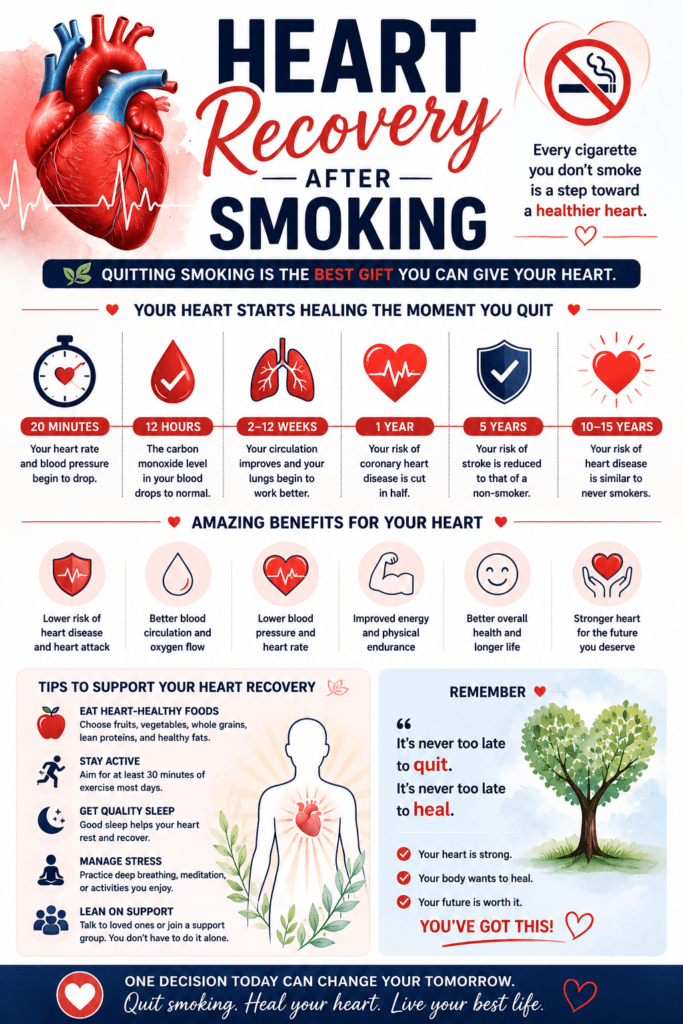
The first hours and days after you put out your last cigarette actually set off a series of quick changes in your heart and blood vessels. According to the American Heart Association, within just 20 minutes, your heart rate and blood pressure start dropping back toward normal. Once you get through the first 24 hours, the risk of a heart attack already starts to decrease because your body’s oxygen levels improve and carbon monoxide levels fall, letting your heart work more efficiently.
For anyone worried about cravings or withdrawal, knowing that your heart starts recovering basically right away gives you some real encouragement to stick with it. The process might not be totally comfortable, but your heart is grateful for the break from all that nicotine and the 7,000+ chemicals in cigarette smoke. In fact, studies have shown that people who quit—even after many years of smoking—gain back critical years of healthy life, mostly due to improvements in cardiovascular and respiratory health.
Short-Term Heart Health Improvements
Within two weeks to three months, something interesting happens: your blood circulation shows a noticeable boost. This means walking up those stairs or going for a jog will feel easier. Meanwhile, the heart doesn’t have to push as hard to move blood around your body, and this takes a considerable amount of extra strain off.
According to the CDC, as early as one to three months in, your risk of coronary heart disease starts to drop, inching closer to the levels seen in people who have never smoked. Your body’s ability to use insulin and regulate blood sugar also gets better, reducing the risk of diabetes, which is another great thing for your heart. Improved lung function during this time also means more oxygen reaches your blood, further helping your cardiovascular system work at its best.
Many people report that even in the first weeks after quitting, activities such as walking, gardening, or simply playing with kids or grandkids become much easier. The heart is already taking up a notch in terms of efficiency, and the improvement in stamina helps you enjoy life to the fullest.
The Big Picture: Long-Term Benefits for Your Heart
The big win comes when you consider what quitting smoking means for your heart over the months and years ahead. Within one year of quitting, the risk of coronary artery disease is about half that of a current smoker. Fast forward to the 5 to 15 year mark, and your risk for stroke falls to that of someone who hasn’t smoked at all.
If you make it to 15 years smoke-free, your risk of heart disease is nearly the same as a lifelong non-smoker, based on findings from the American Cancer Society. This kind of recovery shows just how forgiving your body can be when given the chance to heal. Not only will your heart function more efficiently, but you’ll also be at a much lower risk for high blood pressure, high cholesterol, and other cardiovascular problems commonly linked to smoking.
What Happens in the Heart When You Smoke?
Lighting up a cigarette pumps carbon monoxide, nicotine, and dozens of other toxic chemicals straight into your bloodstream. Your heart has to beat faster and harder just to keep oxygen moving. Nicotine also causes your blood vessels to constrict, putting extra pressure on your heart and raising blood pressure. Over time, this wears down the arteries, making them stiffer and more prone to blockages, leading to a much higher chance of heart attacks and strokes.
Knowing the mechanics is helpful. Smoking isn’t just about the visible damage to lungs, but also the invisible stress and harm done to your heart. Prolonged exposure also increases inflammation throughout the vascular system, which further raises the risks of blood clots and other serious complications.
How Quitting Smoking Improves Your Blood Vessels and Circulation
Quitting brings almost instant relief to your blood vessels. Blood becomes less sticky, reducing the risk of clotting. Arteries become more flexible, improving the flow of blood and oxygen throughout the body. This drop in clot risk is really important because most heart attacks happen when a blood clot blocks an already narrowed artery in the heart.
It can take a while for all that built-up damage to heal, but your body starts repairing itself right away. Even if you have some degree of heart disease, stopping smoking helps slow it down and gives your arteries a chance to become healthier again. Many former smokers report significant improvements in their circulation, including warmer hands and feet and faster recovery from minor injuries, all of which point to better blood flow and vascular health.
Other Heart-Related Effects After Quitting
- Blood Pressure: High blood pressure is a common issue with smokers. When you stop, it often drops pretty quickly, taking some strain off the heart and lowering stroke risk.
- Cholesterol Levels: Non-smokers tend to have healthier cholesterol and triglyceride numbers. Quitting helps raise your HDL (the good kind) and lowers harmful fats in the blood, making your heart stronger over time.
- Heart Rhythm: Smoking increases the risk of arrhythmia (an irregular heartbeat). After you quit, your heart returns to a steadier rhythm, making dangerous heart rhythm problems less likely.
These positive changes add up, and with time, you might even spot improvements in your daily quality of life. Energy levels tend to rise, and the heart’s newfound strength supports more physical activity, setting off a virtuous circle of health benefits.
What if You Already Have Heart Disease?
If you already have a heart condition, quitting makes a huge difference. Studies from the American Heart Association show that even people with heart disease get real improvements in symptoms and risk reduction after stopping smoking. You’re more likely to feel better, have fewer chest pains, and you lower your risk for new heart attacks or complications.
Doctors often say the importance of quitting at any stage of heart disease. Not only can this lower your medication needs, but it can also extend your life and let you enjoy more of it with fewer health worries. Quitting also enhances the effectiveness of heart medications and can even improve the outcomes of surgeries or procedures if you ever need them.
Tips For Supporting Your Heart After Quitting
Once you quit, the recovery process is helped along by a few lifestyle tweaks. Things like regular light exercise, eating heart-healthy foods (think whole grains, leafy greens, berries, nuts, and salmon), and staying hydrated all move things in the right direction. Managing stress and getting enough sleep are also super important because stress can put extra wear and tear on your cardiovascular system, especially right after quitting.
If possible, find a support network or talk to friends, family, or a counselor about your smoke-free adventure. Sharing your progress can help keep you motivated and on track. You can even use heart rate trackers or mobile apps to track improvements in your fitness and blood pressure over time, turning your recovery into something you can actually see and appreciate.
Jumping Into Setbacks
Most people slip up a time or two before they fully quit for good. If it happens, it doesn’t undo all your heart’s progress. Just get back on track and know every day without a cigarette is a win for your heart and blood vessels.
Common Challenges In Heart Recovery When Stopping Smoking
- Weight Gain: Some folks gain a few pounds after quitting, which can be a concern because weight gain alone affects heart health. Staying active and watching portions can keep weight in check as your heart gets stronger.
- Increased Stress: Quitting can raise anxiety and stress (especially early on), but simple stress-reduction tricks like deep breathing, short walks, or even chatting with a friend can take some of the strain off your mind and cardiovascular system. If you need support, don’t hesitate to ask a professional or a support group.
- Nicotinic Withdrawal Symptoms: Fatigue, mood swings, and a temporary rise in appetite all add up during withdrawal. These symptoms usually pass within a few weeks, and your heart continues to get healthier throughout the process. Remember, the benefits vastly outweigh these temporary issues.
Staying sharp for these challenges, being patient with yourself, and focusing on your victories each day will help you make your heart’s glow-up part of your new smoke-free lifestyle.
Frequently Asked Questions
How soon does my risk of a heart attack drop after quitting smoking?
Your risk starts dropping within 24 hours. It keeps improving over time, and within a year, it’s about half what it was when you were a smoker.
Can my heart heal completely after years of smoking?
Your cardiovascular system is pretty resilient. You might not undo every bit of damage, but within 10 to 15 years, your heart attack and stroke risk are similar to someone who never smoked.
What about occasional smoking or secondhand smoke?
Even light or occasional smoking puts your heart at risk, and secondhand smoke can still cause heart problems. Ideally, avoiding smoke entirely gives your heart the best shot at recovery.
Is it too late to get these heart benefits if I’ve smoked for decades?
It’s never too late to quit. The heart always benefits from stopping, and studies show improvements even for long-term smokers well into middle age or beyond.
Small Changes Make a Big Difference
As soon as you stop smoking, your heart and blood vessels start healing. These changes build over weeks, months, and years, adding up to major improvements in your heart health and overall quality of life. Steps like eating well and staying active help the process along. Most importantly, every smoke-free day is another day of healing for your cardiovascular system, making a real difference for your overall health and your everyday energy. If you’re thinking about quitting, your heart is definitely ready for the change. Take the first step — your healthiest, happiest life could be just ahead.
Video: The Fastest Way Your Body Recovers After Smoking #cardiovascular #healing #fitness