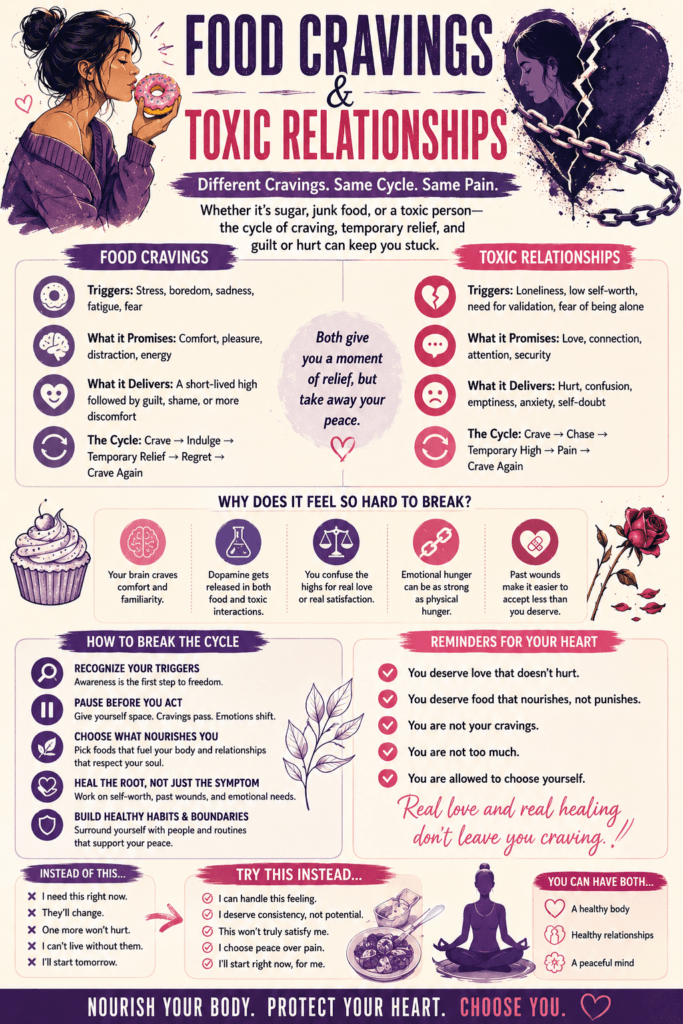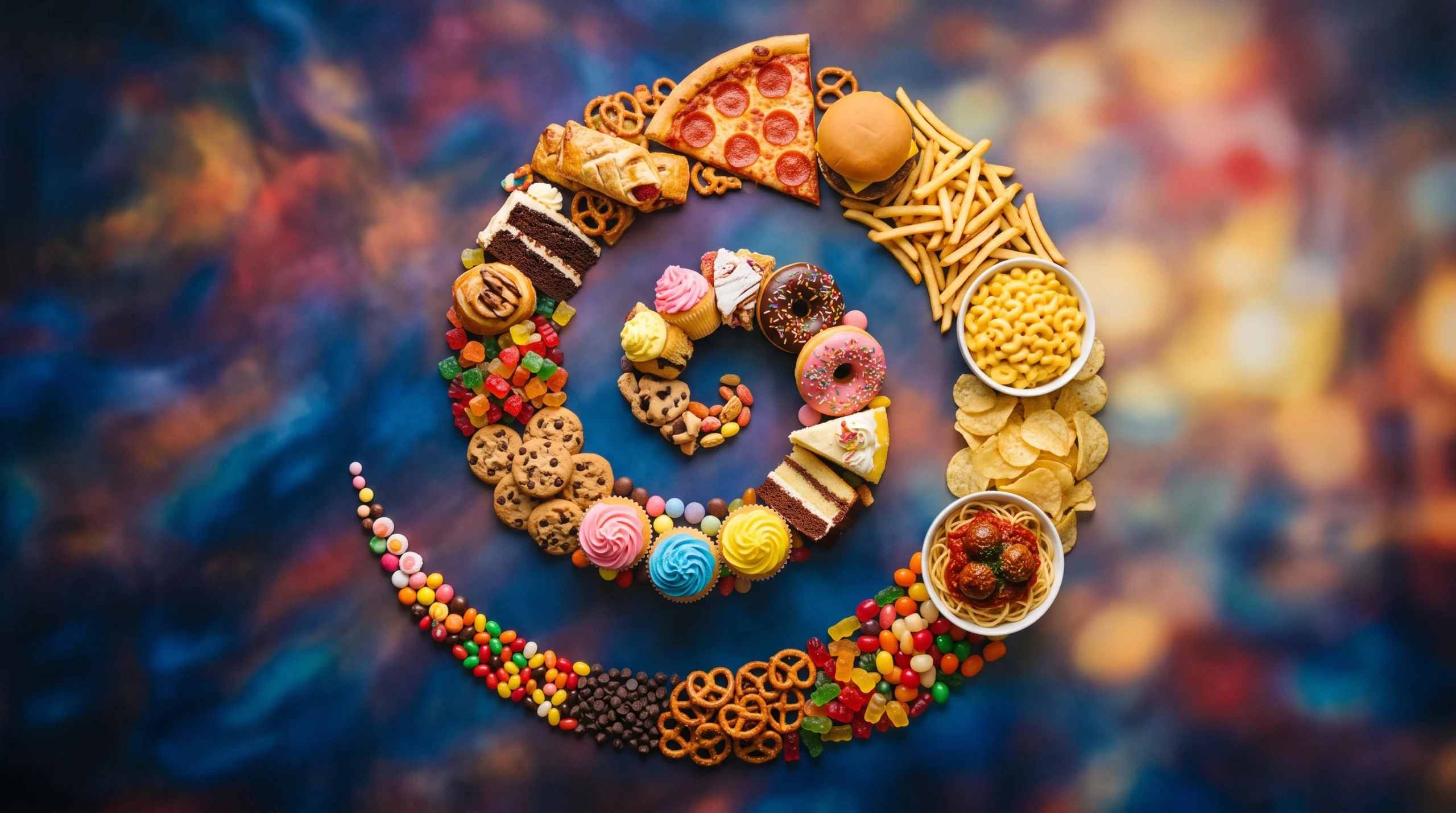
Feeling stuck in a toxic relationship isn’t just hard on your mind. It can mess with your body in some surprising ways, too. One thing I’ve noticed, both in research and from chatting with friends, is this weird connection between tough emotional patterns and food cravings. If you’ve ever found yourself reaching for chocolate or a bag of chips after a blowout fight, you’re totally not alone. I’m breaking down what’s really going on and sharing a few practical ideas for getting a handle on those cravings.
Why Food Cravings Hit Hard in Toxic Relationships
Living inside a toxic relationship can feel like a non-stop stress loop. The drama, tension, and emotional unpredictability make the brain crave comfort or escape fast. That comfort often shows up as food. Emotional stress sends signals to the brain that ramp up hunger, especially for sugary, salty, and fatty foods. It’s like your body is looking for quick relief, and comfort foods are an easy fix, even if it’s only temporary.
Studies have shown that people who deal with high stress or relationship turmoil are way more likely to report emotional eating and intense cravings. Relationship stress also messes with cortisol, the hormone that’s mainly known for stress response. High cortisol levels can push the body to stock up on quick energy (read: calories), which is part of why junk food can start calling your name after a tough argument.
Understanding the Emotional Triggers Behind Cravings
Certain feelings or relationship patterns can worsen cravings. Here are a few of the most common triggers I’ve seen pop up:
- Loneliness: When conversation breaks down or trust is broken, loneliness creeps in. Comfort foods feel like a stand-in for the connection you’re missing.
- Anxiety: Toxic relationships can keep you in a tense, anxious state. Uncertainty or fear about your partner’s moods can leave your mind searching for relief, often through snacks.
- Boredom and Emotional Numbness: When drama drains your energy, and you feel numb, food might seem like the only thing left that brings any pleasure.
- Low Self-Esteem: Being criticized or undermined constantly can chip away at your self-confidence. That negative inner voice sometimes tells you that food is the only bright spot in the day.
It’s not that food itself causes issues; it’s the pattern of using food to plug emotional holes that becomes a problem over time.
How Food Choices Change During Stressful Times
In high-stress situations, food preferences tend to switch toward the “hyperpalatable” category. I’m talking about donuts, ice cream, chips—foods that are super sweet, salty, or fatty. These choices aren’t random. They light up reward centers in the brain that are also linked to addictive behaviors, according to research published in Frontiers in Psychology. Even if you normally eat healthily, stress and negative relationships can really turn on the urge for instant comfort.
This isn’t just about willpower. Stress, sleep loss, and emotional drama can actually disrupt hunger hormones like ghrelin and leptin. That makes it even tougher to trust what your body’s telling you about hunger and fullness when things are rocky at home. Your signals are literally all mixed up and unreliable under stress.
Sometimes, even thinking about the foods you crave can make the craving feel more intense, since you start to associate negative feelings with a specific taste or smell. This cycle reinforces itself and makes it harder to break away from emotional eating.
Breaking It Down: Signs Your Cravings Are Linked to Your Relationship
Wondering if your cravings stem more from your feelings than from real hunger? Here are some warning signs I tend to notice:
- You crave food only after emotional blowouts or silent treatments; never just when you’re physically hungry.
- You find yourself eating in secret or feeling ashamed afterward.
- You lose interest in foods you craved once the crisis or argument passes.
- Despite feeling stuffed, you keep eating out of habit or as a distraction from your feelings.
If this sounds close to home, it might be time to look at what (or who) is triggering these cravings.
What Makes Toxic Relationships So Draining?
The dynamic in toxic relationships can wear anyone out. Here’s a quick lowdown on the patterns that make emotional hunger so much worse:
- Constant criticism or belittling chips away at self-worth.
- Unpredictable moods or anger that keep you on edge.
- Withholding affection or using the silent treatment as punishment.
- Frequent blaming or guilt-tripping makes you feel responsible for all problems.
These patterns create a situation in which food starts to look like a quick, predictable reward when everything else feels unstable.
Over time, this constant negativity can lead to emotional exhaustion, making it nearly impossible to find satisfaction in anything except quick pleasures. The resulting lack of emotional energy strips you of motivation to cook healthy meals or try new activities, so eating becomes the easy go-to fix.
Practical Ways to Break the Cycle
Getting a handle on emotional cravings starts with awareness. Here are some tips I’ve found really helpful:
- Pause Before Snacking: When a craving hits, ask yourself, “Am I upset, tired, or bored right now?” Giving yourself a minute to check in can help separate real hunger from emotional hunger.
- Swap in New Stress Reliefs: Sometimes you just need a different outlet. Streaming a favorite song, stepping outside for fresh air, or texting a supportive friend can help interrupt the craving cycle.
- Keep Food Journals: Write down when cravings happen and what was going on emotionally. Patterns emerge after a week or two, making it easier to spot your triggers.
- Try Mindful Eating: Slow down, chew your food, and really notice how it tastes and feels. Mindfulness makes it easier to notice when you’re eating out of stress instead of true hunger.
In addition to the above, learning to recognize your unique craving triggers is a huge step. Try creating a list of situations that spark cravings for you and brainstorm small, positive actions you can take instead. Even something as simple as stretching or reading a few pages of a book can break the cycle and add a productive moment to your day.
Challenges You’ll Probably Deal With
Breaking free from comfort eating while in a toxic relationship isn’t easy, and there are some predictable struggles:
- Habits are hard to change: If you’ve used food for comfort for a long time, those routines won’t disappear overnight.
- Social pressure: Friends and family might encourage emotional eating without realizing it, like suggesting dessert as a fix after a fight.
- Emotional backlash: If you try to change your food patterns, your partner might notice and even push back or make you feel guilty for “changing.”
- Physical withdrawal: Cutting back on sugar and ultraprocessed foods can actually bring withdrawal-like symptoms, making cravings super strong for a while.
Managing Withdrawal and Setbacks
It’s normal for cravings to spike when you first try to cut back. Drinking more water, getting enough sleep, and doing something active each day can help take the edge off. If you slip up, be gentle with yourself. Changing habits in a tough environment is already a big task. Remember that some setbacks don’t mean failure, just a pause before moving forward again. A little self-empathy goes a long way while building resilience.
Extra Ideas for Building Resilience
Focusing on self-care is never wasted effort. Here are a few things I recommend adding to your day-to-day routine:
- Journaling about your feelings (not just your food).
- Practice gratitude, even if it’s just one tiny thing you appreciate today.
- Reach out for support—friends, online groups, or a therapist can all help you feel less alone.
- Start a new hobby that’s just for you, whether it’s art, coding, or volunteering. Anything that provides a sense of control or enjoyment outside of your relationship is a win.
Be sure to schedule some “me time” each week without feeling guilty. Even taking ten minutes daily to enjoy your favorite music or simply unplugging from screens can go a long way toward recharging your mental health.
Common Questions about Food Cravings and Toxic Relationships
Here’s what a lot of people wonder, based on conversations I see in online forums and emails I’ve received:
Question: Why do I crave sugar or junk food after fights?
Answer: Your body wants instant relief from stress, so it seeks out high-calorie foods that deliver a rush of pleasure.
Question: Is emotional eating bad for my health?
Answer: Occasional comfort eating is totally normal, but if it becomes your main way of dealing with emotions, it can make physical and mental health issues worse down the road.
Question: How do I know if it’s the relationship or just my eating habits?
Answer: If your cravings show up mainly during fights, right after arguments, or when things feel tense, it’s a sign your emotions and maybe your relationship are at the center of the problem.
Wrapping Up
Dealing with food cravings in the middle of a toxic relationship is a real challenge. Recognizing the pattern is the first step, and even small changes can make a major difference. Taking care of yourself, asking for support, and keeping food separate from your feelings can help you regain control, no matter what’s happening around you. Trust that you’re not weird or weak. These cravings are a pretty normal response to unhealthy relationship patterns, and things can improve with awareness and a little patience. Remember, taking small steps to separate food from emotions is a win, and you deserve relief.
Video: Your toxic relationship uses the same trick as processed food #Psychology #Awareness #Toxic