Mental health often takes a back seat for people who are always chasing big goals. High-performing individuals, whether you’re a CEO, pro athlete, doctor, founder, or just someone who never sits still, tend to focus a lot on milestones and achievements. Somewhere in between all the deadlines and wins, taking care of your mental well-being can fall pretty low on the to-do list. I’ve noticed firsthand just how much pressure comes with high performance, and I want to share some practical tips that make a real difference in keeping your mind healthy as you keep moving forward.
The Value of Mental Health for High Performers
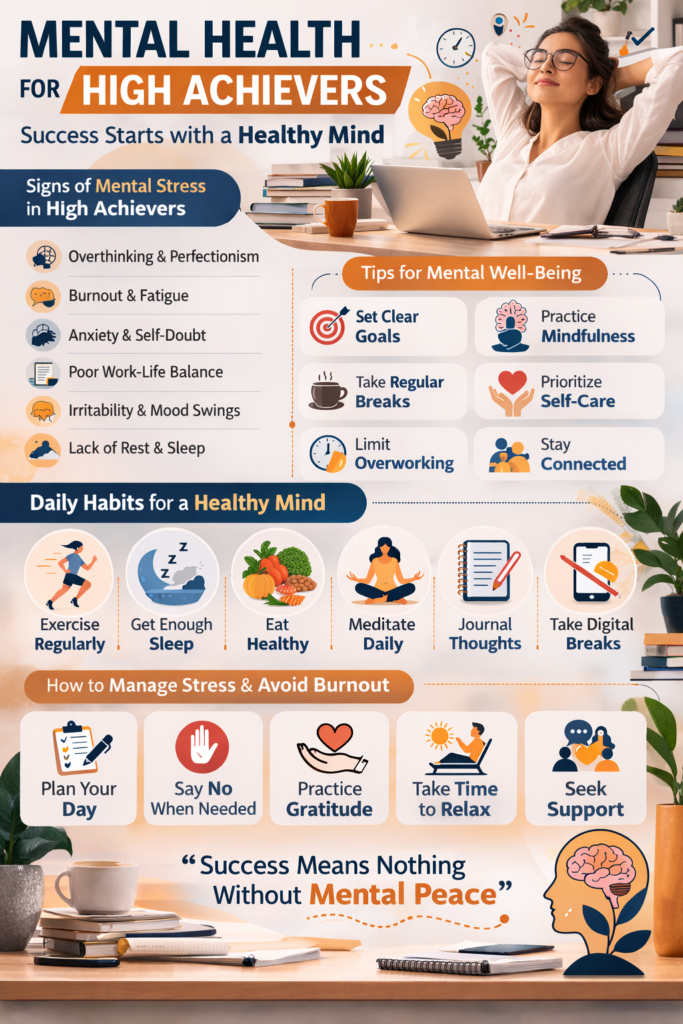
No matter your field, solid mental health can affect your work, relationships, and personal happiness. I’ve learned that being mentally healthy isn’t just about avoiding breakdowns; it plays a huge part in creativity, decision-making, and resilience. In settings where people expect a lot from you, mental fatigue or burnout can sneak up fast. Recognizing that high performance depends as much on rest and balance as on hustle is really important to avoid those ups and downs.
It’s common for high achievers to normalize stress and keep plowing ahead, but studies show that ignoring mental health can lower productivity and even affect physical health in the long run. More companies are seriously considering workplace wellness programs, with research showing that investments in mental health yield higher long-term performance gains and reduced absenteeism (CDC, 2023).
Getting Started: Build a Solid Foundation
Tiny daily changes make a surprisingly big difference over time. Before getting into the nitty-gritty, setting up a solid mental health foundation helps things run more smoothly when pressure builds.
- Sleep Routine: High performers often sacrifice sleep, but I can’t overstate how game-changing a consistent sleep schedule is. Sleep repairs your mind just as much as your muscles. Plus, research shows that even a single night of poor sleep can mess with focus and mood for days afterward. Try winding down the same way every night to set your body’s natural clock.
- Regular Eating Patterns: I try not to skip meals even on wild days. Blood sugar dips can lead to mood crashes, so having healthy snacks or prepping simple meals keeps energy and focus steady. I’ve found that eating a balanced breakfast and not waiting too long between meals helps my mental edge as much as my physical stamina.
- Move Your Body: Any physical activity counts. A brisk walk, stretching, or a quick ten-minute bodyweight workout helps not just your body but also reduces overall stress (Harvard Health). Even dancing around the kitchen or taking a quick walk around the block can reset your headspace.
- Hydration: Feeling irritable or fuzzy-headed? Sometimes it’s just dehydration. I keep a reusable water bottle at my desk for easy sips throughout the day. Adding a slice of lemon or a splash of juice can help make water more appealing when you’re struggling to drink enough.
Practical Coping Strategies That Actually Work
I’m all about tips that you can use anywhere, even if your day is jam-packed. These strategies help me stay grounded, especially in high-stress situations:
- Box Breathing: This is a four-count inhale, four-count hold, and four-count exhale; super handy for calming nerves quickly. I use it before big meetings or when my mind’s racing. Even doing this for a few minutes can help your nervous system hit reset.
- Time Chunking: I split my workday into blocks (like 25 or 50 minutes) with short breaks. This helps prevent overwhelm and keeps stress from boiling over. Sometimes, I use a timer to make these blocks more official and give myself permission to take a mental breather.
- Gratitude Practice: A quick note on something I’m thankful for shifts focus from what’s unfinished to what’s working. Even on rough days, small wins count. Keeping a gratitude journal can help remind you of progress and positivity, which can be easy to overlook during hectic weeks.
- Mindful Pauses: I try to take a minute to just notice sights, sounds, and sensations around me. A couple of mindful pauses during the day can stop stress from spiraling. Try focusing on your breath, feeling your feet on the ground, or noticing the colors in your workspace.
- Set Boundaries: This could be turning off email notifications after a certain hour or saying no to non-urgent requests. Boundaries let me focus deeper and recover better. Scheduling “do not disturb” blocks on my calendar has been a real lifesaver for mental clarity.
Common Pitfalls High Performers Run Into
Achieving big things is awesome, but there are a few really common traps I’ve run into, sometimes more than once. Here’s what you might want to watch for, and a little advice on what’s helped me get around them:
- Perfectionism: Pushing for better and better results can be motivating, but chasing “perfect” keeps you stuck. I ask myself if something is truly improving or if I’m just spinning my wheels. Accepting that some mistakes are part of growth helps keep expectations realistic and progress steady.
- Neglecting Social Health: Social support matters a lot more than it gets credit for. I try to schedule hangouts or short calls, even when I feel like isolating. It’s amazing how much lighter things feel after chatting with someone who “gets it.”
- Downplaying Stress: High achievers are really good at pushing through. Being honest about when I’m maxed out helps me ask for support or plan a break before it gets too rough. Sharing with a friend or journaling about my stress helps keep tension from building up inside.
- Skipping Checkups: Annual physicals or mental health screenings aren’t just extras. Addressing things sooner makes a huge difference if something’s off. I set a recurring calendar reminder so I don’t accidentally keep putting it off.
Perfectionism and Overwork
I used to think that working longer hours guaranteed better results, but after too many late nights, I started seeing the downside. Scheduling downtime directly into my calendar helps prevent burnout. Perfectionism leaks into every area; sometimes “good enough” is exactly what’s needed to keep moving forward instead of spinning in place.
Social Disconnection
When things get hectic, social time is often the first thing slashed. But isolation leads to low mood and more stress. Even short, genuine conversations give you a boost and offer much-needed perspective—and sometimes they spark creative solutions to the challenges you’re facing.
Underestimating Stress
Denying or hiding stress only builds more pressure. I started doing regular self-check-ins by asking simple questions like “How am I really feeling right now?” This helps me gauge when to take a breather or ask for help. Recognizing my own limits and being honest with myself means I bounce back more quickly when the heat is on.
Tools and Resources for Long-Term Mental Wellness
Having the right resources makes ongoing mental health care more manageable for busy folks. I’ve tried a bunch of tools and found some real winners:
- Wellness Apps: Apps like Headspace and Calm offer guided meditations and short breathing exercises that fit into tight schedules. Even five minutes at lunch can make the rest of your day less stressful.
- Digital Planners: Apps like Notion and Todoist provide a clear view of tasks, which helps me avoid feeling overwhelmed and stay organized. I use color coding and reminders to break work into bite-sized steps.
- Online Counseling: Talking to a professional is easier than ever. Platforms like BetterHelp or Talkspace make it discreet and flexible for someone always on the go.
- Podcasts and Books: Listening to podcasts on mental health or reading relatable stories from other high-performing people helps normalize challenges and sparks new ideas. Sometimes, a fresh perspective or a story that mirrors your struggles can be a huge support.
For more specialized or serious support, connecting with a local mental health provider is worth checking out. The National Alliance on Mental Illness (NAMI) is a reliable spot for resources. Talking with someone who understands can boost your progress and put you on a stronger path.
How to Spot Burnout and What to Do Next
Burnout isn’t reserved for corporate or high-pressure jobs. Anyone with a packed schedule and high expectations can run into it. Some early warning signs include persistent exhaustion, feeling detached, and loss of interest in things you usually enjoy. When I notice these signs, I know it’s time to step back:
- Prioritize Time Off: Even a full unplugged weekend can help reset your mood and energy. I keep at least one rest day a week nonnegotiable and try to switch up activities to refresh my creativity.
- Assess Your Load: I take an honest look at what can be delegated or paused; often, I’m surprised by how much is actually optional. Saying no can feel tough, but it gives space for what really matters.
- Talk to Someone: Whether it’s a therapist or a trusted friend, sharing honestly goes a long way in breaking the isolation that burnout creates. Sometimes, just voicing your concerns helps you see solutions you hadn’t considered.
If burnout returns again and again, it might be worth seeking professional help to develop a stronger game plan. Don’t wait until things come to a head; little steps can make a big difference.
Frequently Asked Questions
Here are some common questions I get from other high-achieving friends and clients:
Question: How do I fit mental wellness into my schedule?
Answer: Even a five-minute break for stretching or mindful breathing makes a difference. Embedding small routines into daily habits—for example, just before lunch or after meetings—helps it stick. You can also set digital reminders or pair your wellness practices with something you already do daily.
Question: Is stress always bad?
Answer: Not all stress is negative; small doses can motivate you, but unrelieved or long-term stress needs to be managed before it turns into burnout. Learn your stress signs and check in with yourself often.
Question: What’s the best way to help friends or coworkers struggling with mental health?
Answer: Listen without judgment and encourage professional support. Sharing your own challenges sometimes helps others open up. Just being present and checking in regularly can help someone feel less alone.
Final Thoughts
Mental wellness is something you build one step at a time, even if your goals are sky high. Every high performer faces moments of high stress, but daily attention to your mind’s health pays off quickly. You’ll find more clarity, better results, and a lighter day-to-day experience—not by pushing harder, but by working smarter and giving yourself the care you actually deserve. Remember: your mind is just as important as your achievements, and you deserve to treat it with care.
Trying out a couple of these tips could be what keeps your momentum rolling, no matter what challenges show up next. Stay well and keep aiming high!
Video: Pressure Doesn’t Have to Win #MentalWellness #SuccessMindset