External Triggers in Recovery
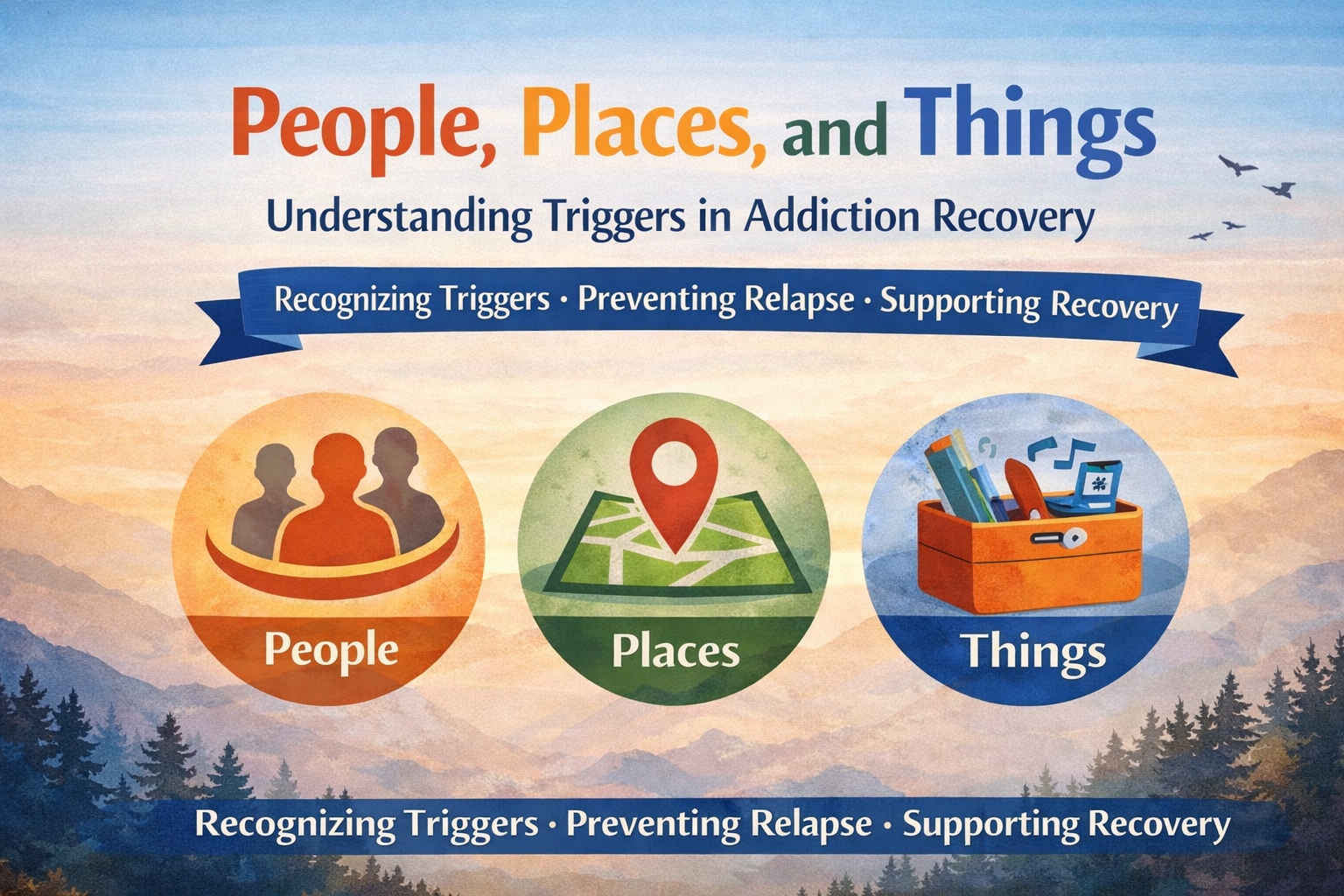
In addiction recovery, understanding triggers is essential for preventing relapse and building long-term stability. One of the most widely used frameworks for identifying external triggers is “People, Places, and Things.” This concept helps individuals recognize how certain relationships, environments, and objects are connected to past substance use and can automatically activate cravings. These triggers are … Read more
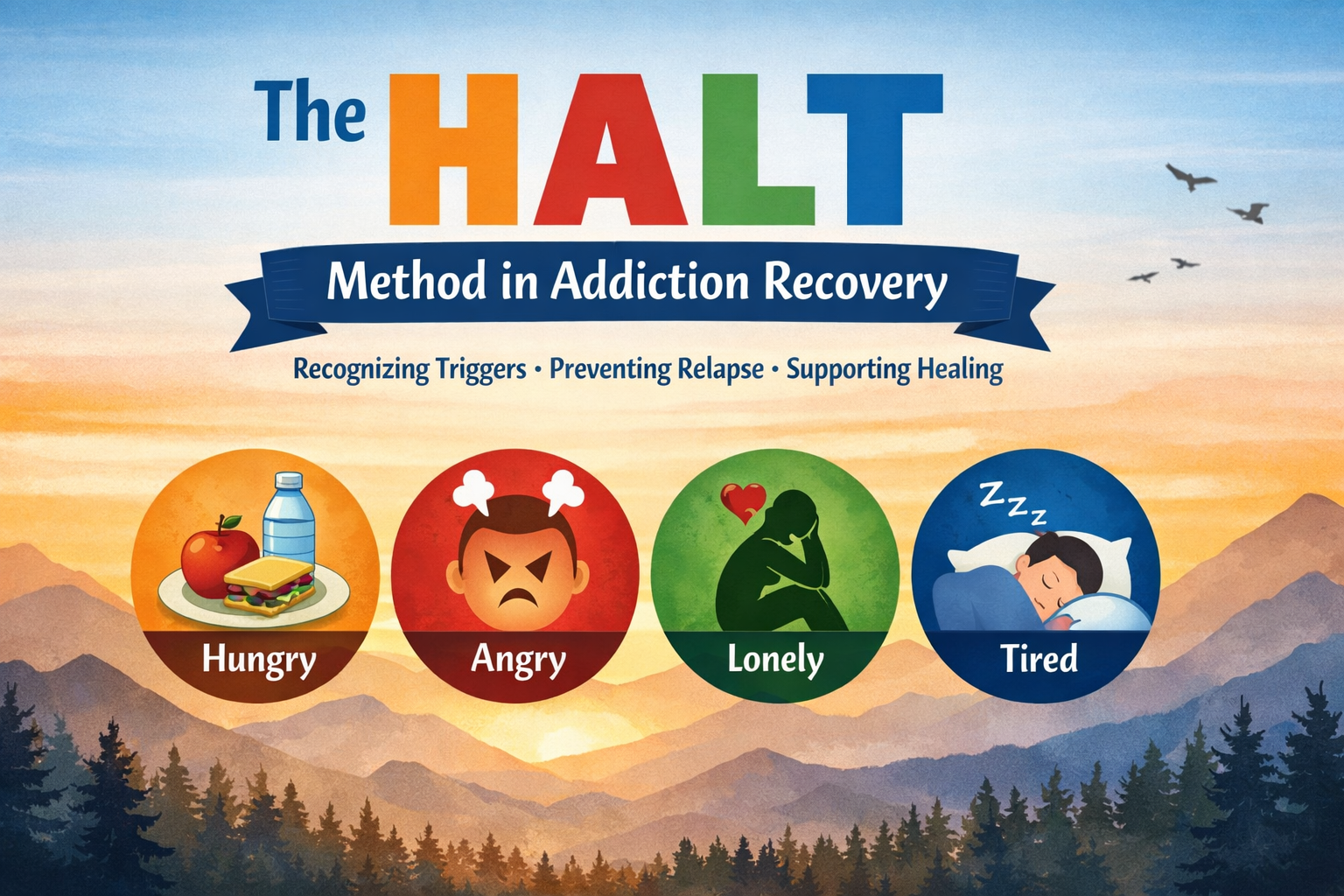
HALT: Relapse Prevention Tool

The **HALT method—Hungry, Angry, Lonely, Tired—**is a widely used and effective framework in addiction recovery for identifying early warning signs that increase vulnerability to cravings and relapse. Rather than viewing relapse risk as a lack of willpower, HALT emphasizes that many recovery challenges arise from unmet physical, emotional, and social needs. When these needs go … Read more

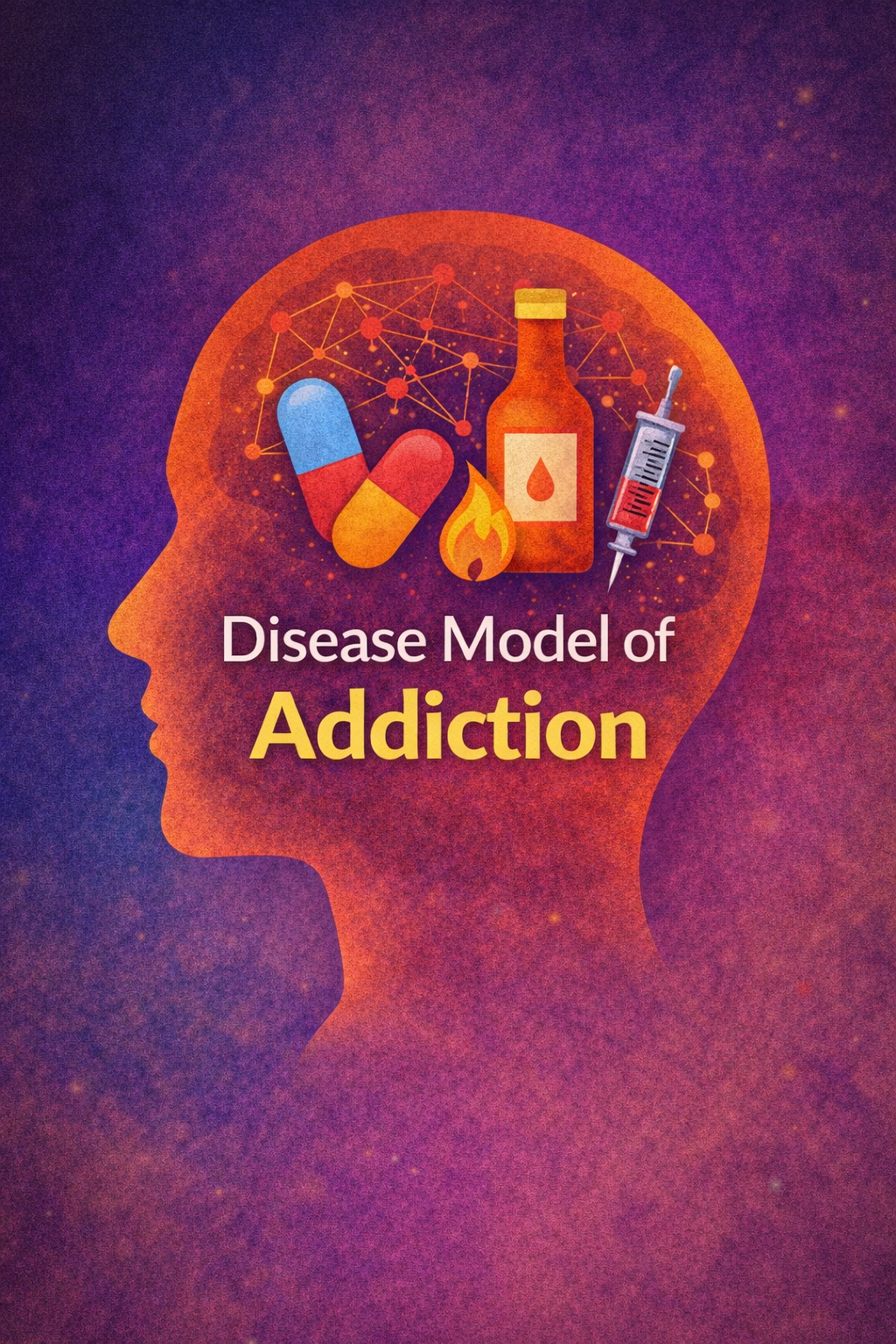
Disease Model Theory of Addiction

The Disease Model Theory of Addiction explains addiction as a chronic, relapsing medical condition that involves changes in brain structure, function, and behavior. Rather than viewing addiction as a failure of character or willpower, this model recognizes the role of genetics, brain chemistry, mental health, and environmental factors in driving substance use. Understanding addiction through … Read more

Most Susceptible to Addiction

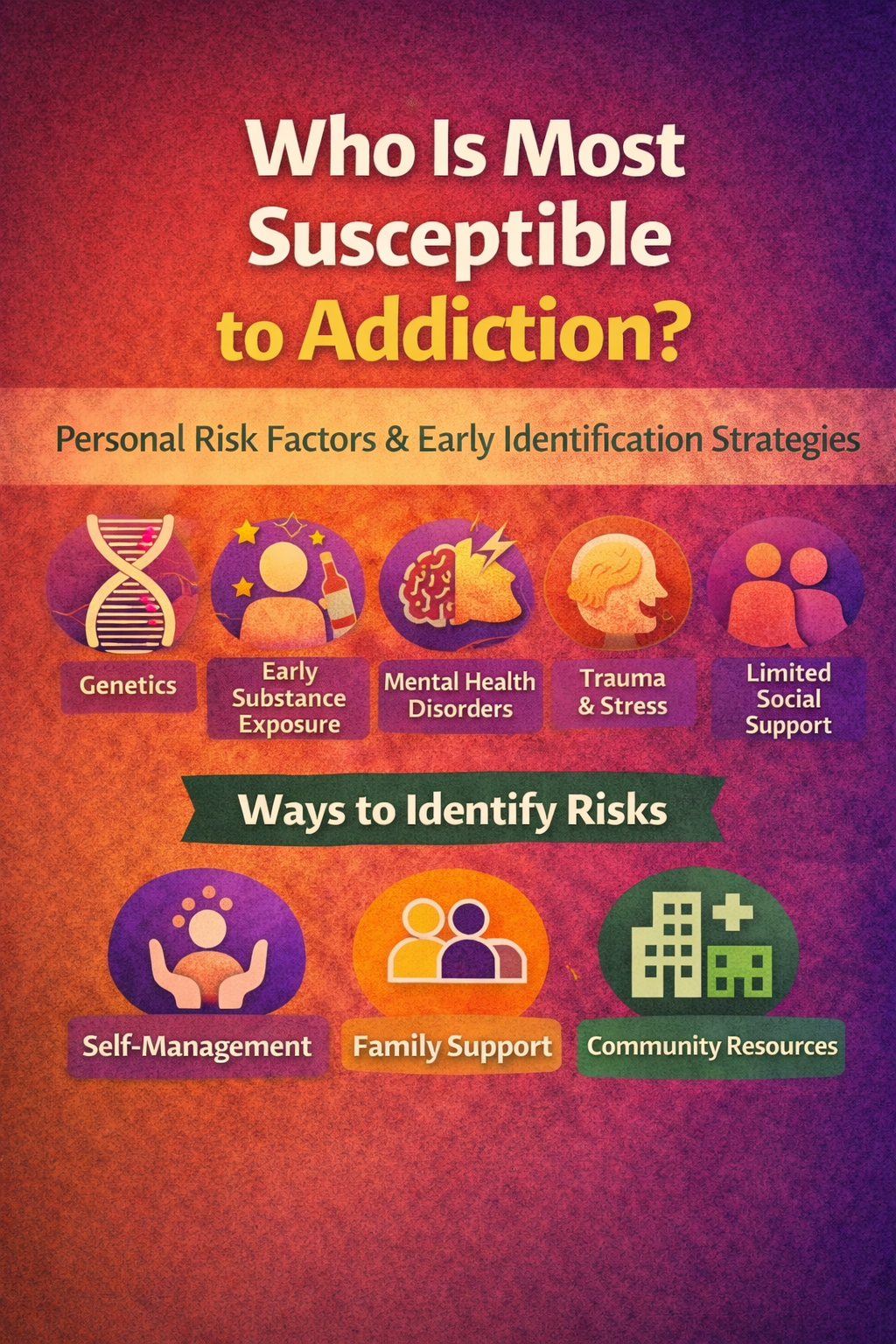
Addiction does not develop in isolation, nor does it affect all individuals equally. Research shows that people with genetic vulnerability, early exposure to substances, untreated mental health conditions, trauma histories, chronic stress, and limited social support are most susceptible to developing addiction. Identifying these risk factors early is critical for prevention and long-term health. Effective … Read more

Compassion Over Tough Love

For decades, addiction was often addressed through “tough love,” an approach rooted in the belief that strict consequences, confrontation, and emotional withdrawal would force individuals to stop using substances. However, advances in neuroscience and behavioral health have shown that addiction is a complex medical and psychological condition involving changes in brain function, emotional regulation, and … Read more

Cannabis Hidden Side Effects

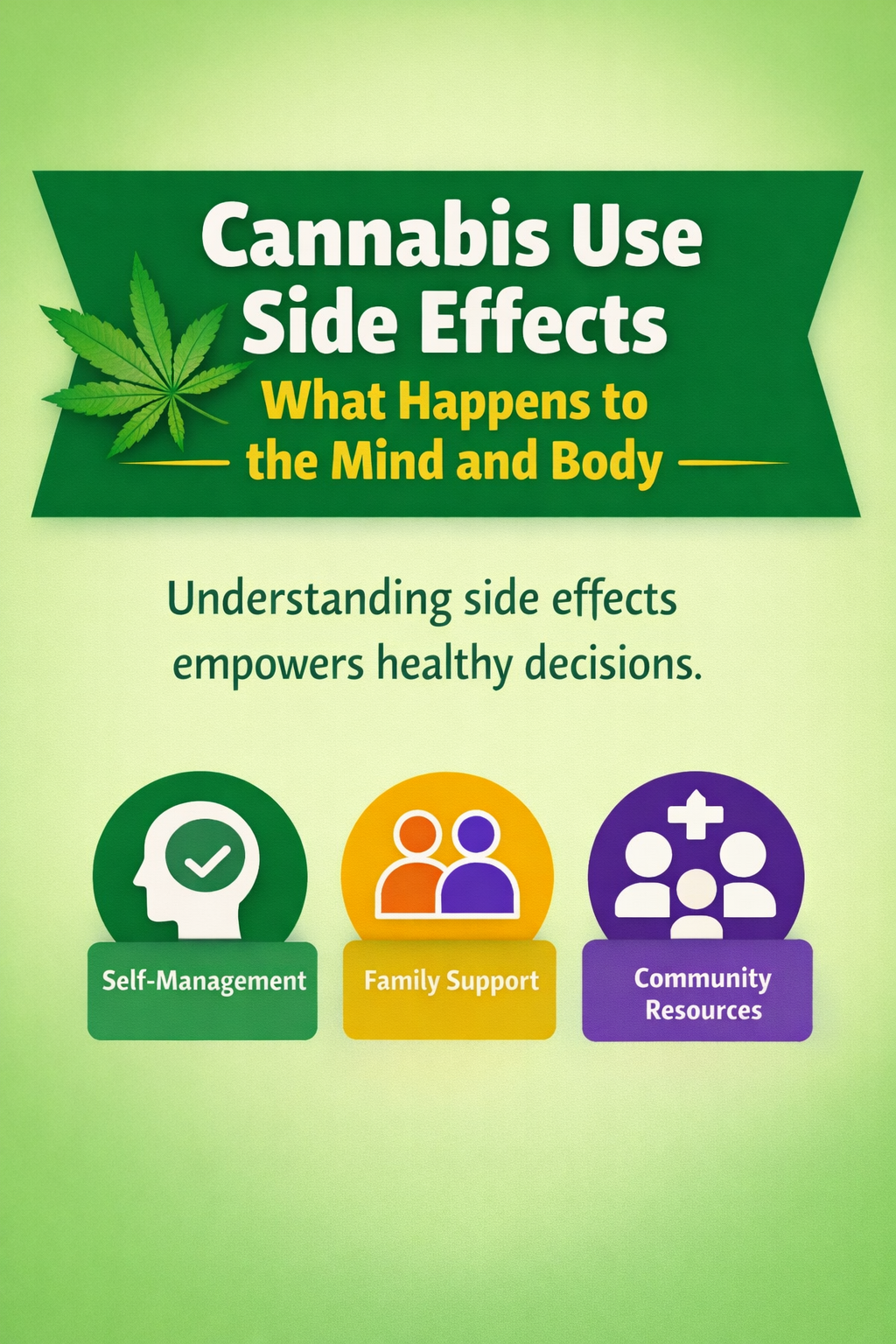
As cannabis use becomes more widely accepted, understanding its potential side effects is increasingly important. Although often viewed as low-risk, frequent or long-term use can cause physical, psychological, and behavioral effects such as memory impairment, anxiety, digestive issues, reduced motivation, and dependence. Managing these effects requires more than individual effort alone and is most effective … Read more

Gabapentin in Addiction Therapy

Addiction recovery often involves managing intense physical and emotional symptoms that can interfere with treatment engagement. Alongside counseling and primary addiction medications, supportive therapies are sometimes used to ease withdrawal discomfort, anxiety, and sleep disruption. Gabapentin, originally developed for seizure and nerve pain treatment, has emerged as an adjunct medication in addiction therapy for its … Read more

Partial Hospitalization Drug Rehab

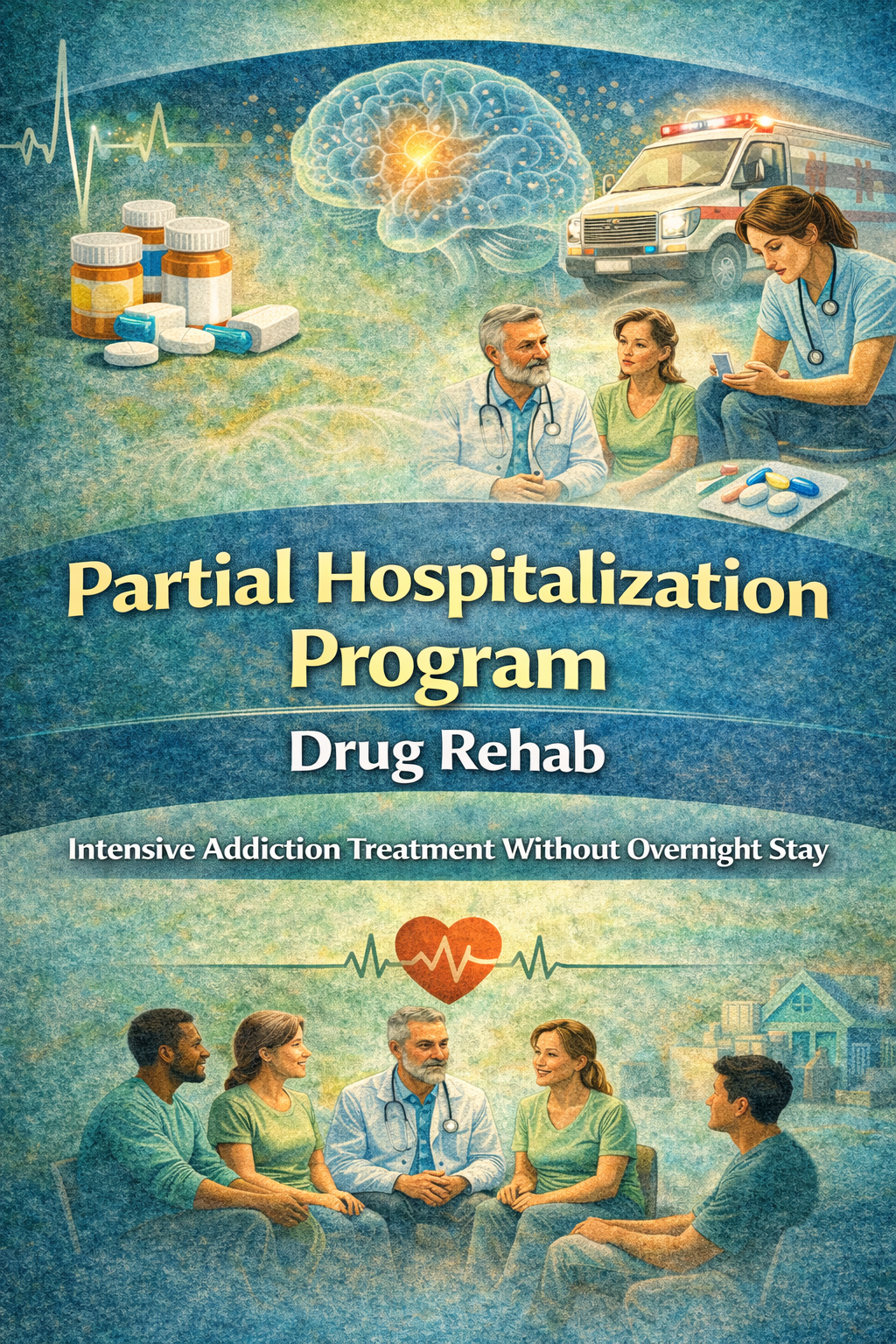
Partial Hospitalization Programs (PHPs) have become an essential level of care in modern addiction treatment, offering intensive daily therapy and medical support without requiring an overnight residential stay. PHP drug rehab is designed for individuals who need structured, high-intensity treatment but are stable enough to live at home or in supportive housing. By combining clinical … Read more

Varenicline & Cannabis Recovery

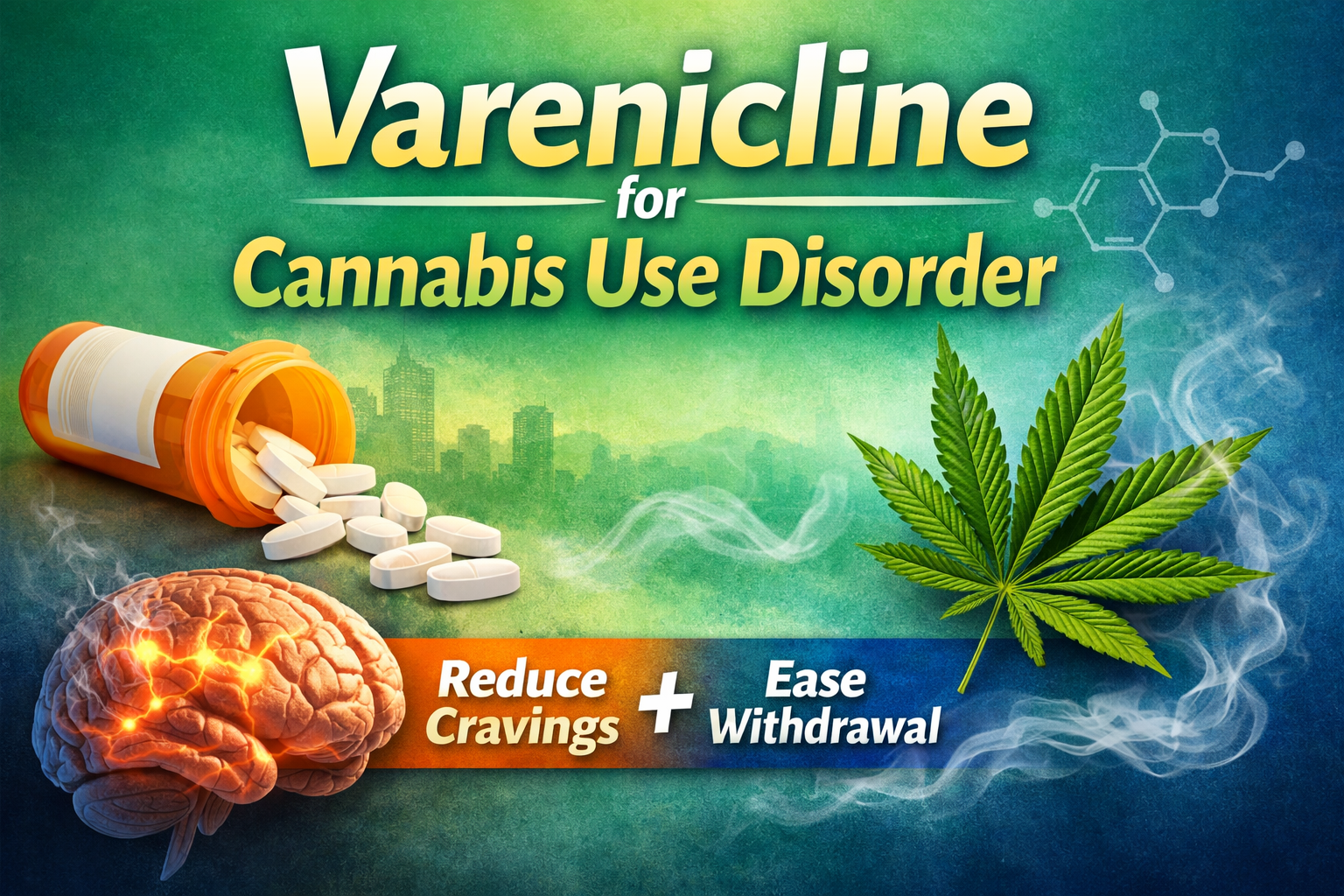
Cannabis use disorder (CUD) is an increasingly recognized public health concern as marijuana becomes more widely available, legally accessible, and socially accepted. While many individuals use cannabis without dependence, others experience cravings, withdrawal, and difficulty controlling use. Treatment has relied mainly on behavioral therapy, but varenicline, a medication originally for smoking cessation, is now being … Read more

Addiction: Detox, Rehab, or Both

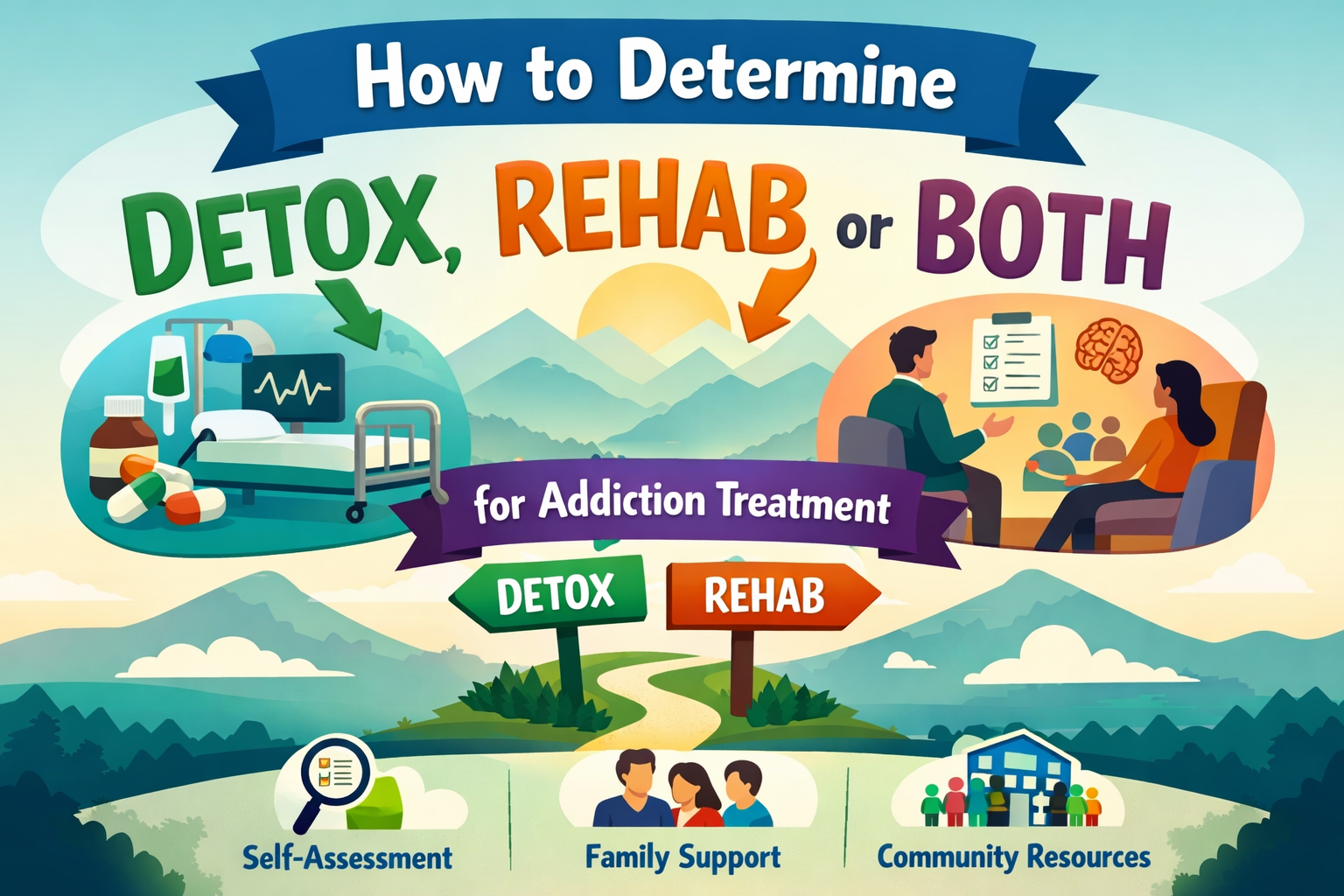
Determining whether detox, rehab, or a combination of both is needed for addiction treatment is a critical first step in the recovery journey. Because addiction affects the body, mind, and social environment, choosing the appropriate level of care requires more than recognizing substance use alone. Self-management strategies help individuals assess physical dependence, emotional triggers, and … Read more