Journavx: New Non-Opioid Relief
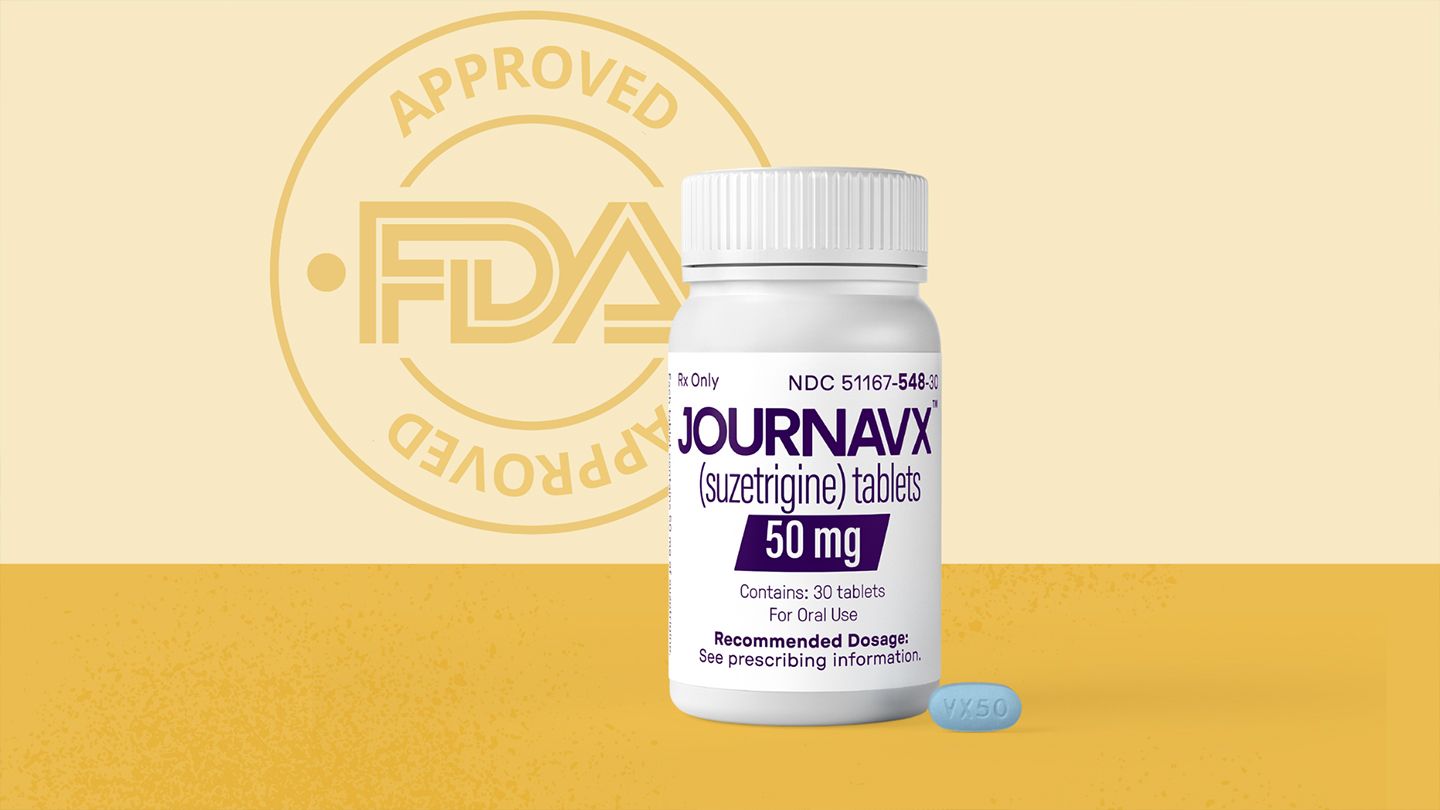
Journavx (suzetrigine) is a non-addictive painkiller approved for acute pain management. It offers an alternative to opioids, blocking pain signals without the addiction risk. Its advantages include fewer side effects, like itching or muscle spasms, compared to opioids. Still, it has some drawbacks, such as limited long-term data and potential side effects like nausea and … Read more
Love and Relationship Addiction

Love addiction is a behavioral condition marked by a compulsive need for romantic attachment, often at the expense of emotional well-being. It activates brain pathways linked to pleasure and attachment, leading to obsessive behaviors and dependency. Treatment options include therapy, support groups, and recovery programs, while self-management strategies like setting boundaries and building self-worth are … Read more

Intervention & Harm Reduction

Early intervention and harm reduction are key strategies in preventing addiction by addressing risky behaviors before they escalate. Self-management equips individuals with tools such as self-awareness and coping strategies, while family support provides emotional and practical resources. Community resources, including treatment centers and harm reduction programs, provide accessible care and support. Together, these strategies help … Read more

Mind Over Matter Strategies

Mind-over-matter strategies are vital in addiction recovery, focusing on mental discipline and emotional regulation to overcome cravings and sustain sobriety. Techniques such as mindfulness, cognitive-behavioral therapy (CBT), and visualization empower individuals to reframe their thoughts and build resilience. Self-management tools, such as goal setting and journaling, promote personal accountability, while mindful family communication fosters support. … Read more

Prediction of Addiction Resolution

Predicting addiction resolution involves recognizing key recovery behaviors, utilizing effective treatment modalities, and fostering supportive environments. Evidence-based therapies, medication-assisted treatments, and peer support programs are crucial for success. Family involvement through education and healthy boundaries, combined with community resources like treatment centers and support groups, provides essential support for long-term recovery. Together, these elements create … Read more

Tough Love Philosophy

Tough love is a philosophy that emphasizes firm boundaries and accountability while maintaining care, often used in addiction treatment. It encourages responsibility by avoiding enabling behaviors and allowing individuals to face consequences. While it promotes accountability and reduces enabling, tough love can lead to isolation and ethical dilemmas, such as balancing compassion with strictness. Effective … Read more

Addiction Behind Counterfeit Pills

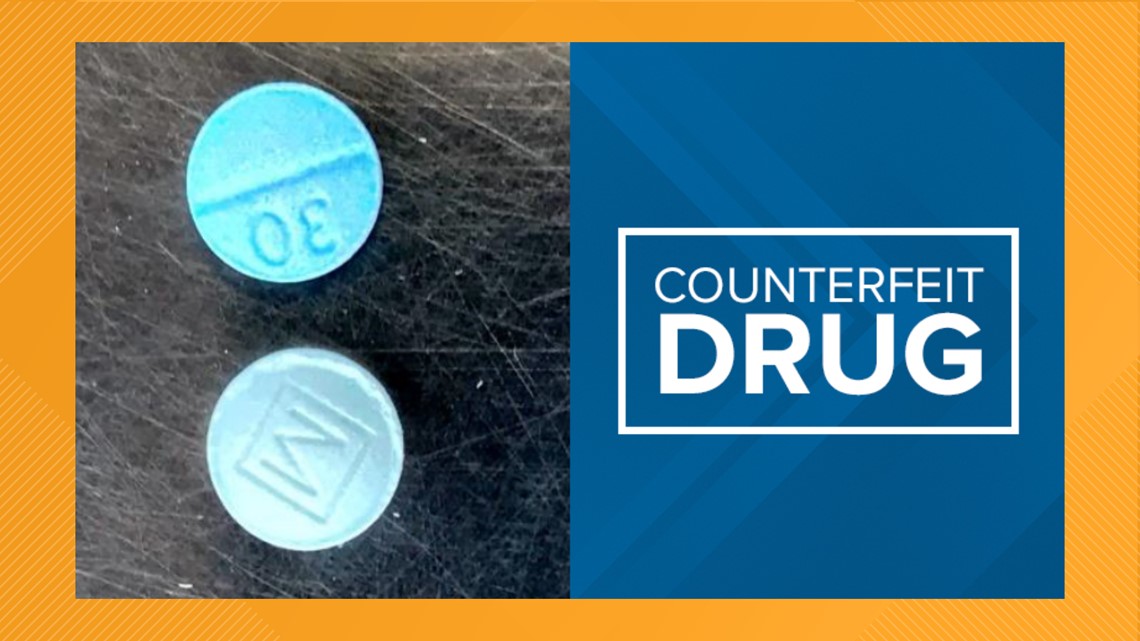
Counterfeit medications laced with substances like fentanyl pose significant health risks. Limited access to legitimate drugs drives their use. Prevention requires regulation, self-management, family support, and community resources to promote education, harm reduction, and treatment. The Hidden Dangers of Counterfeit Pills and Their Addictive Potential What Are Counterfeit Pills? Counterfeit pills are fake medications illicitly … Read more

Anger Management in Addiction

Anger management is crucial in addiction recovery, as anger can trigger relapse and hinder progress. Emotional intelligence fosters self-awareness, while self-regulation helps manage impulses. Support from family, therapy, and community resources strengthens resilience, fostering healthier relationships and long-term sobriety. How Anger Management Supports Addiction Recovery Anger management plays a crucial role in overcoming addiction, as … Read more

Suicide Risk Assessment

Suicide risk assessment in crisis counseling calls is essential for identifying individuals at immediate risk of harm and providing timely intervention. Self-management strategies help individuals recognize warning signs and practice coping skills to maintain mental well-being. Family support is crucial for emotional stability and safety, while community resources, such as crisis hotlines and mental health … Read more

The BPD–Addiction Trap

Borderline Personality Disorder (BPD) involves emotional instability, impulsivity, and relationship difficulties, often leading to substance abuse as a coping mechanism. Treatments like Dialectical Behavior Therapy (DBT) and Cognitive Behavioral Therapy (CBT) help manage symptoms and impulsivity. Mindfulness, family support, and community resources, such as support groups, are crucial in preventing addiction and aiding in symptom … Read more