National Addiction Treatment
National initiatives to address addiction are crucial in tackling the growing public health crisis. These programs aim to improve treatment, prevention, and recovery, especially in response to the opioid epidemic. While they have led to changes in policies and laws, challenges such as funding and stigma persist. For success, these initiatives must be adapted and … Read more
Mutual Aid Group Therapy

Mutual aid groups in addiction therapy offer peer support, emotional connection, and structure. Benefits include reduced stigma and shared experiences, but drawbacks may involve group dynamics and a lack of professional guidance. Ethical concerns include confidentiality and dependence. These groups promote accountability, family support enhances communication, and community resources link individuals to treatment. While vital … Read more

Psychedelic-Assisted Therapy

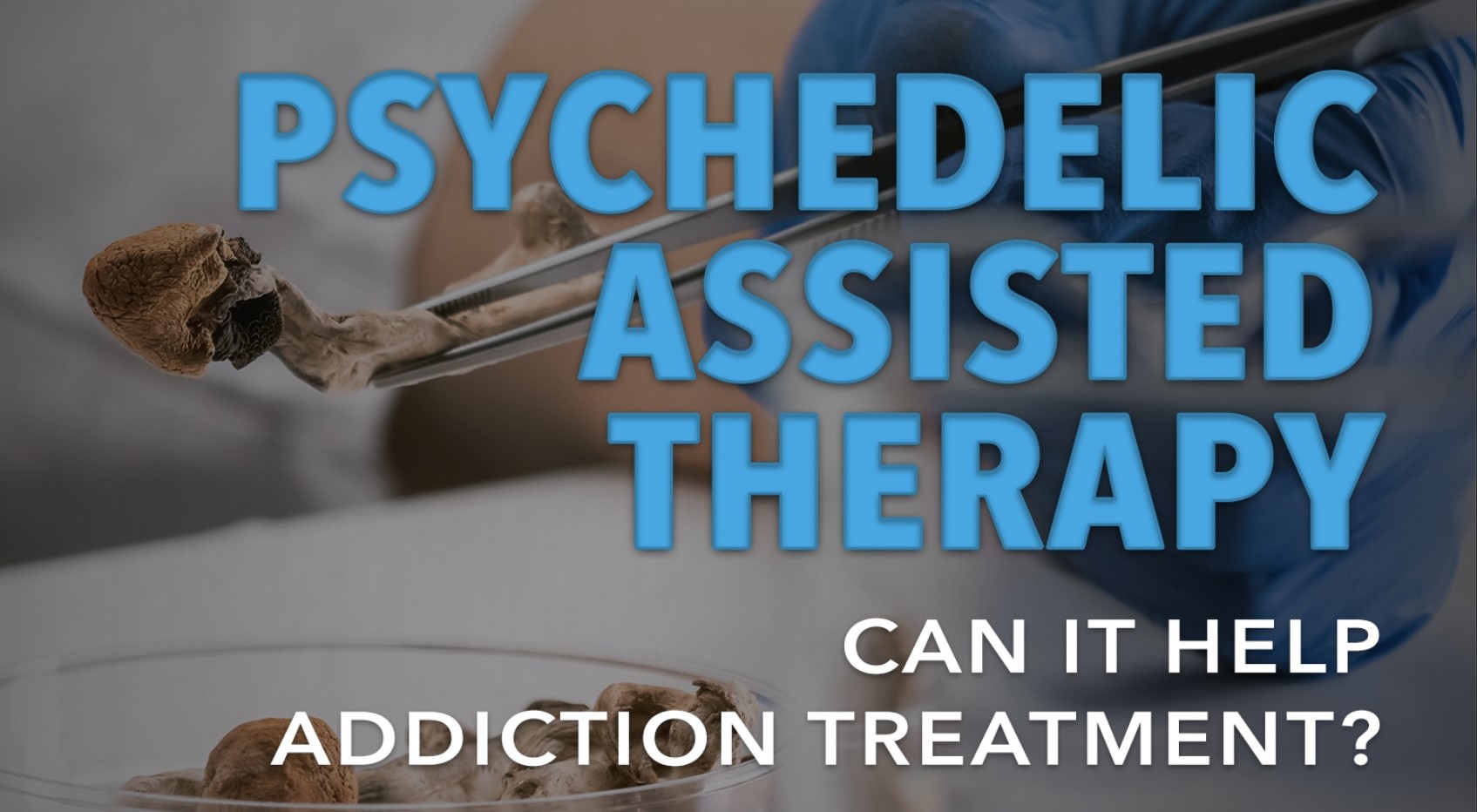
Psychedelic-assisted therapy is a developing treatment that uses substances like psilocybin, MDMA, and ketamine to address mental health issues such as addiction and PTSD. It offers benefits like emotional healing and self-awareness, but also presents challenges, including legal barriers, misuse risks, and ethical concerns about safety and consent. Successful therapy relies on self-management strategies, family … Read more

Pain Relief and Opioid Addiction

Managing pain while reducing opioid addiction risk is a key healthcare challenge. Government policies regulate prescriptions and promote safer alternatives, while self-management, family support, and community resources provide education and treatment. Together, these strategies foster safer pain management with minimal opioid reliance. Reducing the Risk of Opioid Addiction While Effectively Managing Pain Managing pain while … Read more

Harm Reduction for Fentanyl OD

Harm reduction strategies reduce fentanyl overdoses through education, naloxone access, supervised consumption sites, and safer drug use practices. While they help lower overdose deaths, they also face ethical concerns about enabling drug use. Effective self-management, family support, and community resources are crucial for empowering individuals and ensuring access to prevention and recovery services, offering a … Read more

Judicial System: MAT stigma

Discrimination against Medication-Assisted Therapy (MAT) in the judicial system, particularly in parental custody cases, poses challenges for individuals in recovery. MAT’s proven effectiveness is often overshadowed by stigma and misunderstanding, leading to unfair treatment. Addressing this requires family support, community resources, and advocacy to reduce stigma and ensure equitable treatment for those using MAT. Breaking … Read more

Neuro-Electrical Therapy

Neuro-electric therapy, including treatments like Transcranial Magnetic Stimulation (TMS), is an emerging approach to addiction therapy that uses magnetic fields to stimulate brain areas involved in addiction. While it offers benefits, such as being non-invasive and potentially reducing cravings, it has drawbacks, including cost, limited availability, and a need for more research on its long-term … Read more

Dependency versus Addiction

Dependence and addiction are related but distinct conditions involving substance misuse. Dependence refers to physical or psychological reliance, while addiction includes compulsive use despite negative consequences. Signs of dependence include tolerance and withdrawal symptoms, while addiction involves loss of control and persistent use despite harm. Preventing addiction requires self-management strategies like setting boundaries, healthy coping … Read more

Enabling vs Empowering Behavior

When discussing ways to support personal and professional growth, two approaches often come into play: enabling and empowering. Both methods aim to help individuals and groups overcome challenges, but work differently. Understanding these differences is crucial for selecting the appropriate method for each situation. Enabling typically means offering immediate help that removes obstacles. It often … Read more

Is Addiction a Disease or a Choice?

Addiction is widely debated, with some viewing it as a disease and others as a personal choice. This blog explores both perspectives, considering science, individual choices, social factors, and policy implications to help readers form their own conclusions. Overview of the Perspectives The debate over addiction has grown more complex over time. On one side, … Read more