Addiction in Cancer Patients

Treating substance use disorder (SUD) in patients with cancer brings a whole set of unique challenges that really deserve attention. These patients are already dealing with the emotional and physical stress of a cancer diagnosis, and SUD can make treatment much more complicated. Figuring out the best way to support these individuals takes compassion, teamwork, … Read more
Addiction Among the Gifted

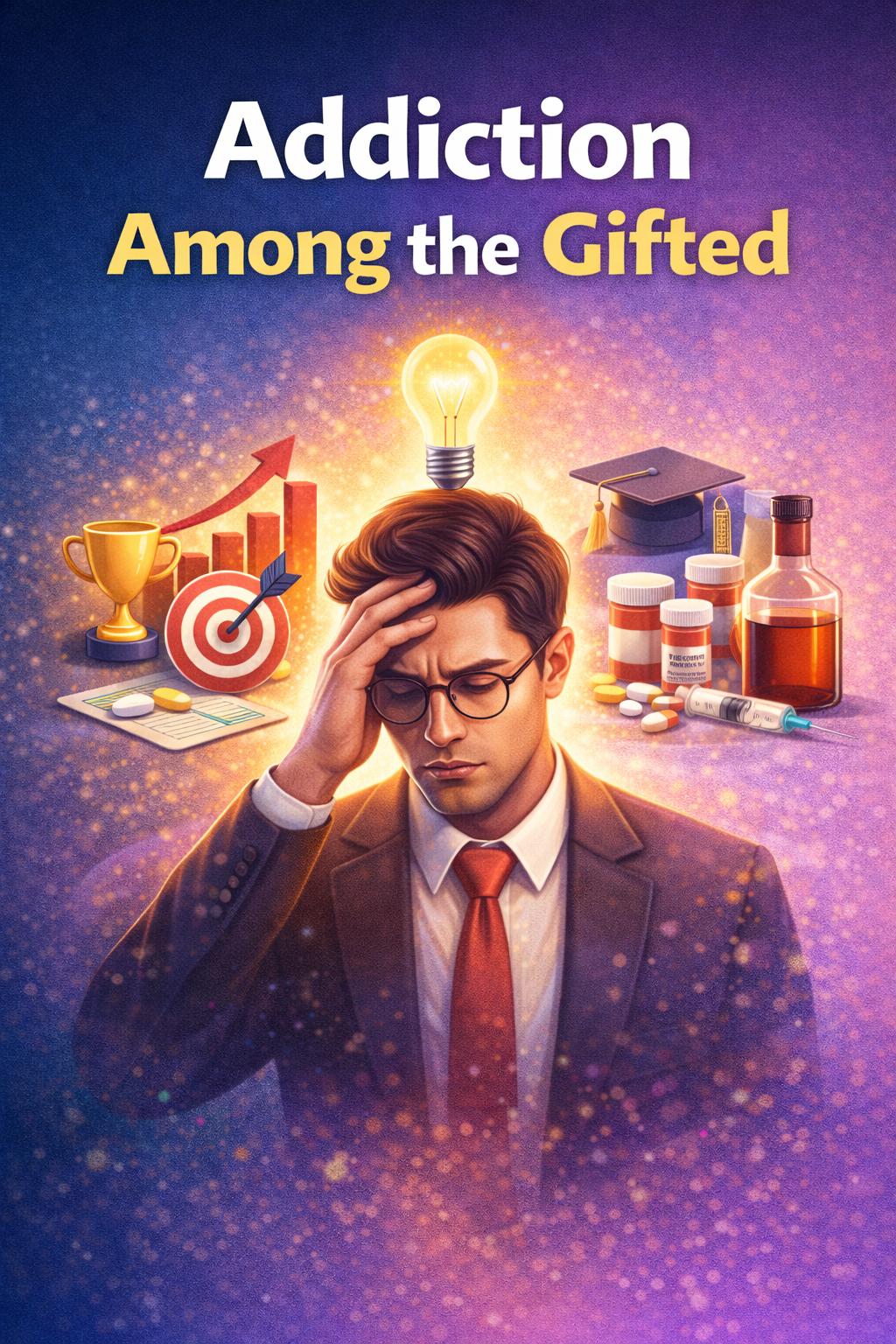
The reality for many gifted individuals isn’t always the storybook version you might expect. While being highly intelligent or talented brings plenty of cool advantages, there’s a tougher side to this coin that doesn’t get talked about nearly enough. Growing up as a high achiever usually comes with big expectations, some internal, some from family, … Read more

Inside the Mind During Detox

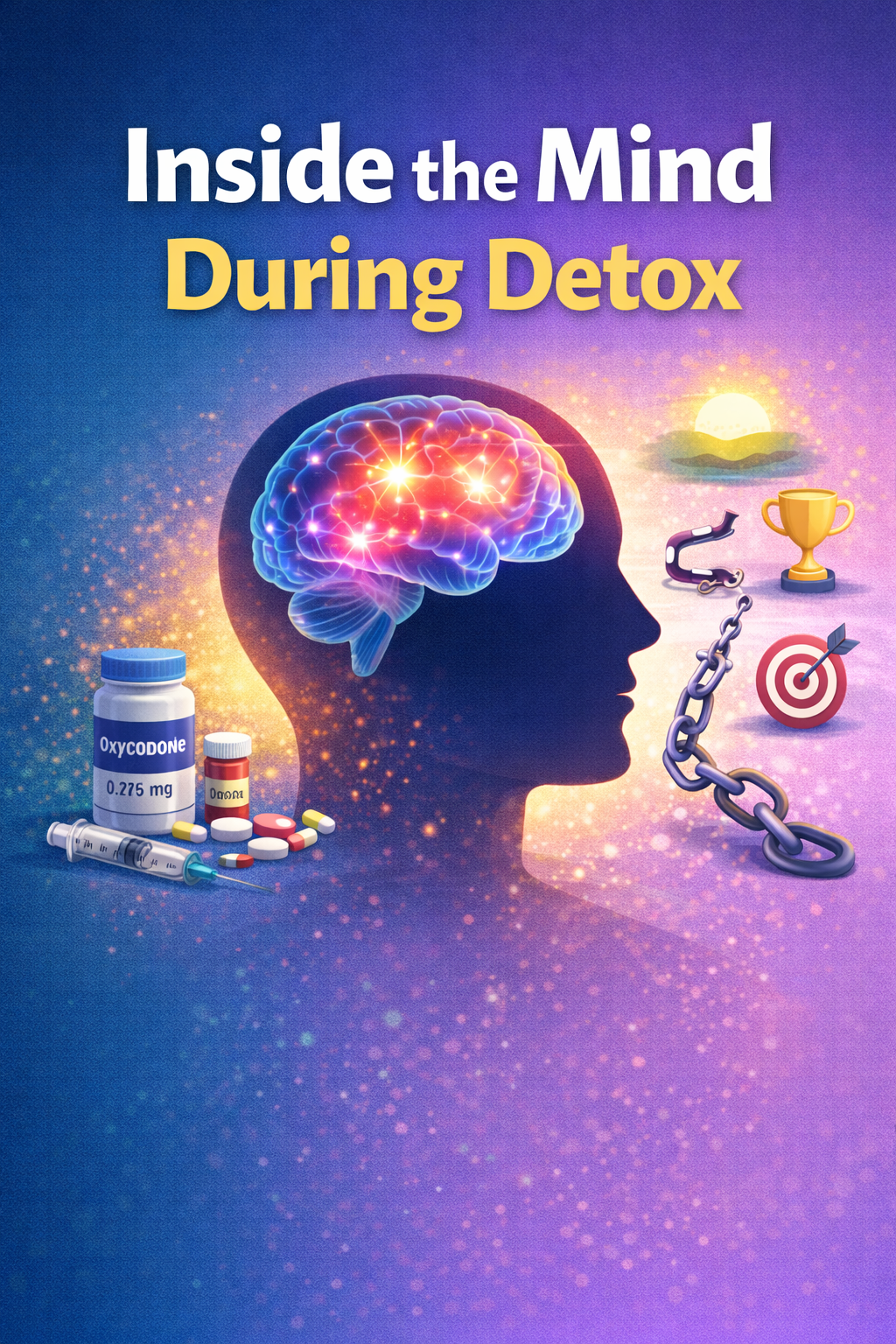
Breaking out of detoxing, whether it’s about food, technology, or any unhealthy habit, can really throw you for a loop emotionally and mentally. There’s usually a ton of focus on the beginning—starting a detox, making it through the first few days, and all that—but not much is said about what it’s actually like to transition … Read more

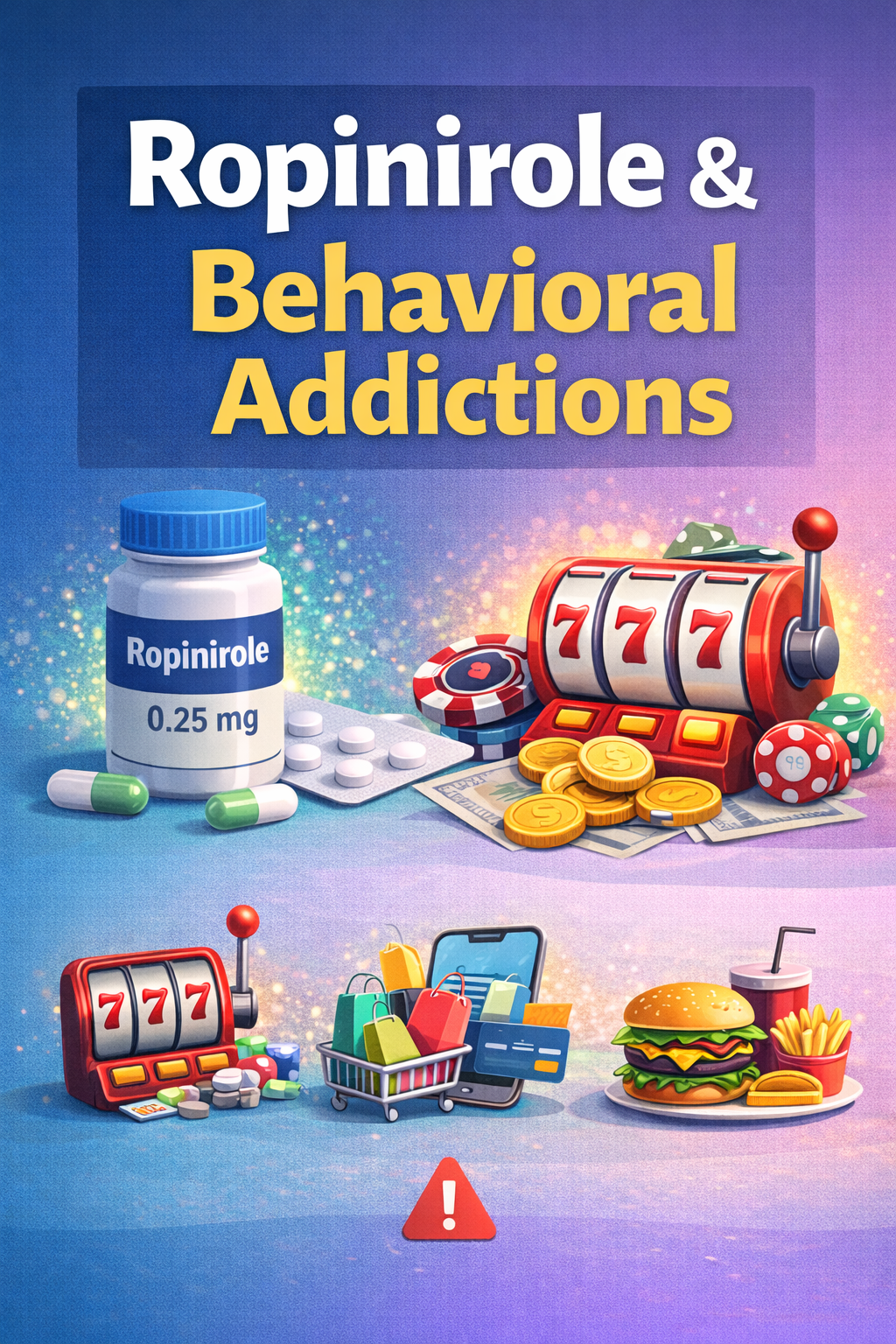
Ropinirole & Behavioral Addictions

Ropinirole is a medication commonly prescribed for Parkinson’s disease and restless legs syndrome (RLS). While it’s known for easing tremors and muscle discomfort, increasing attention has been paid to its ties with unusual behavioral side effects, especially behavioral addictions like compulsive gambling, shopping sprees, binge eating, or overactive sexuality. If you or someone you know … Read more

Ketamine Treatment For Fentanyl

Ketamine treatment for fentanyl addiction is getting more attention as doctors and researchers try to tackle one of today’s toughest opioid problems. Since fentanyl is incredibly powerful—much more potent than heroin or morphine—finding new tools to support recovery is really important. Let’s check out what ketamine treatment looks like for fentanyl addiction, where the research … Read more

Ghostlighting and Addiction

Relationships affected by addiction often involve complex emotional challenges and patterns of communication that can be confusing and harmful. One behavior that may appear in these relationships is ghostlighting, a combination of ghosting and gaslighting. Ghostlighting occurs when a person suddenly disappears from communication and later returns while denying the impact of their absence or … Read more

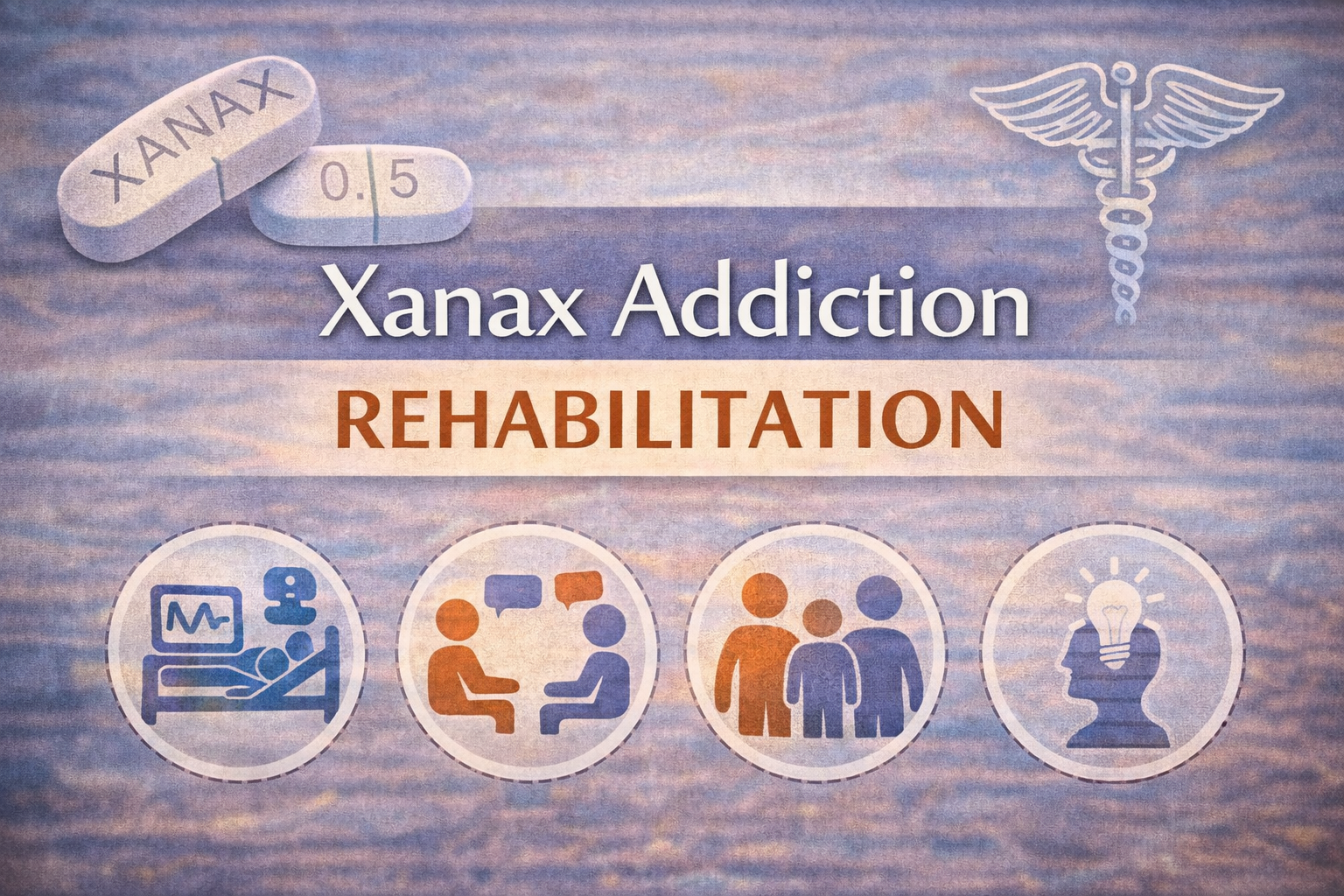
Xanax Addiction Rehabilitation

Xanax addiction is a growing concern as the medication is widely prescribed for anxiety and panic disorders. Although effective when used properly, misuse can lead to dependence, withdrawal symptoms, and difficulty functioning without the drug. Because Xanax affects the central nervous system, rehabilitation typically requires medical supervision and psychological support to safely manage withdrawal and … Read more

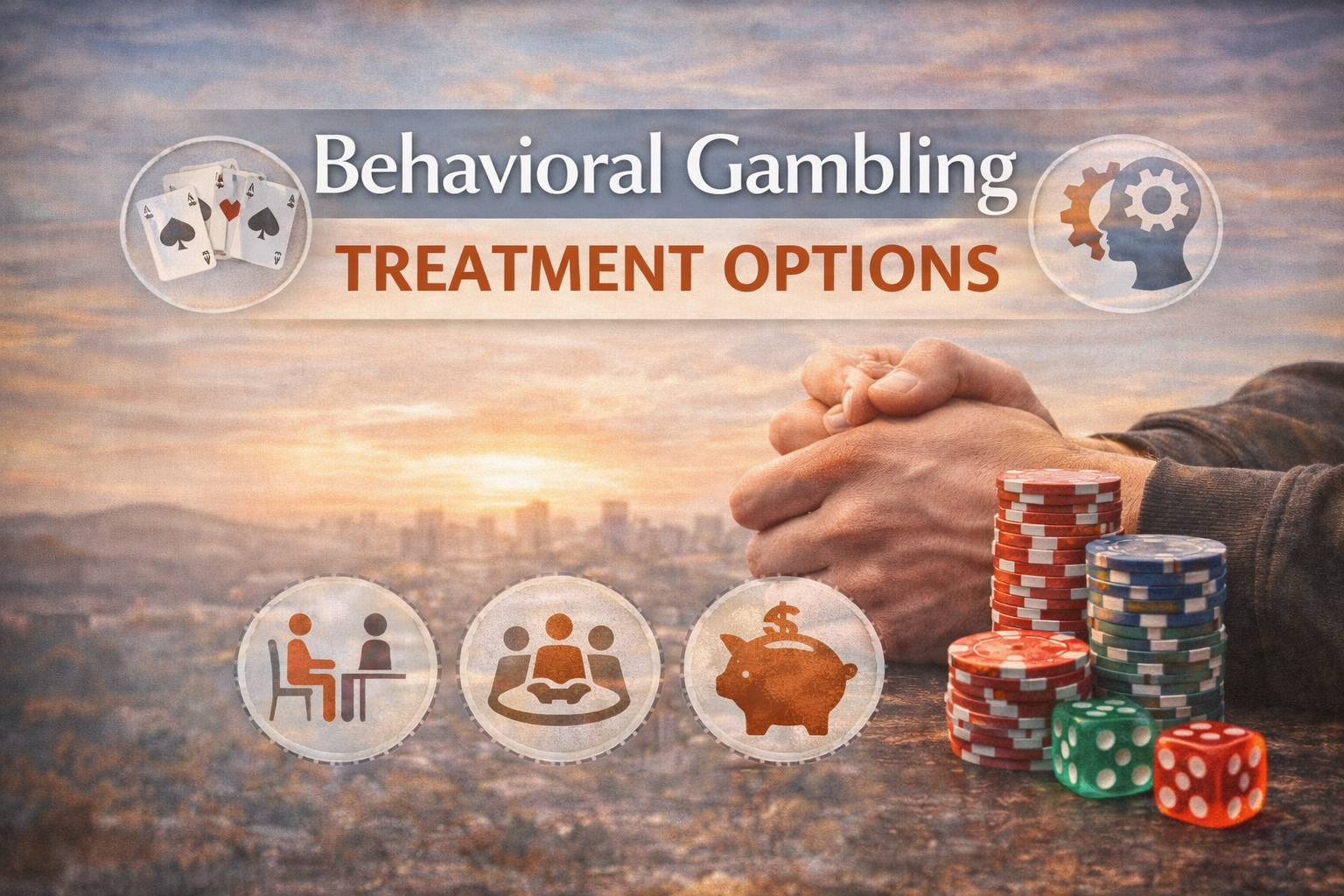
Challenges in Gambling Treatment

Behavioral gambling disorder is a growing public health concern that can significantly affect an individual’s financial stability, mental health, and personal relationships. Unlike substance-related addictions, gambling addiction is a behavioral condition, which can make it more difficult for individuals to recognize when their gambling has become problematic. As a result, many people delay seeking help … Read more

Addiction Treatment Funding Cuts

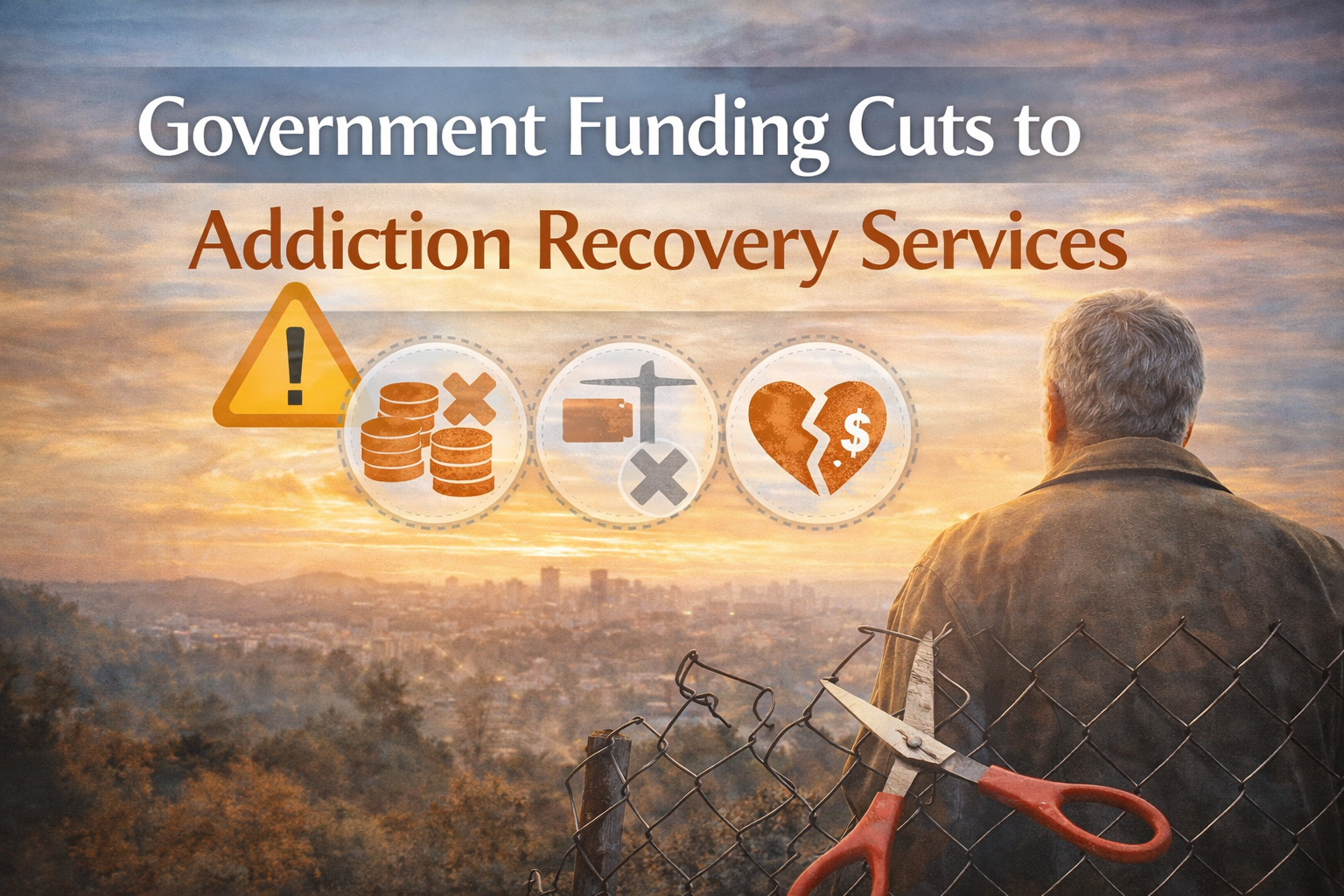
Addiction recovery services provide essential support for individuals seeking treatment for substance use disorders. These services often include counseling, medical treatment, peer support programs, and community-based recovery resources. However, government funding cuts can significantly reduce the availability of these services, creating barriers for individuals who rely on publicly funded programs. When treatment centers experience reduced … Read more

Humanizing Addiction Recovery

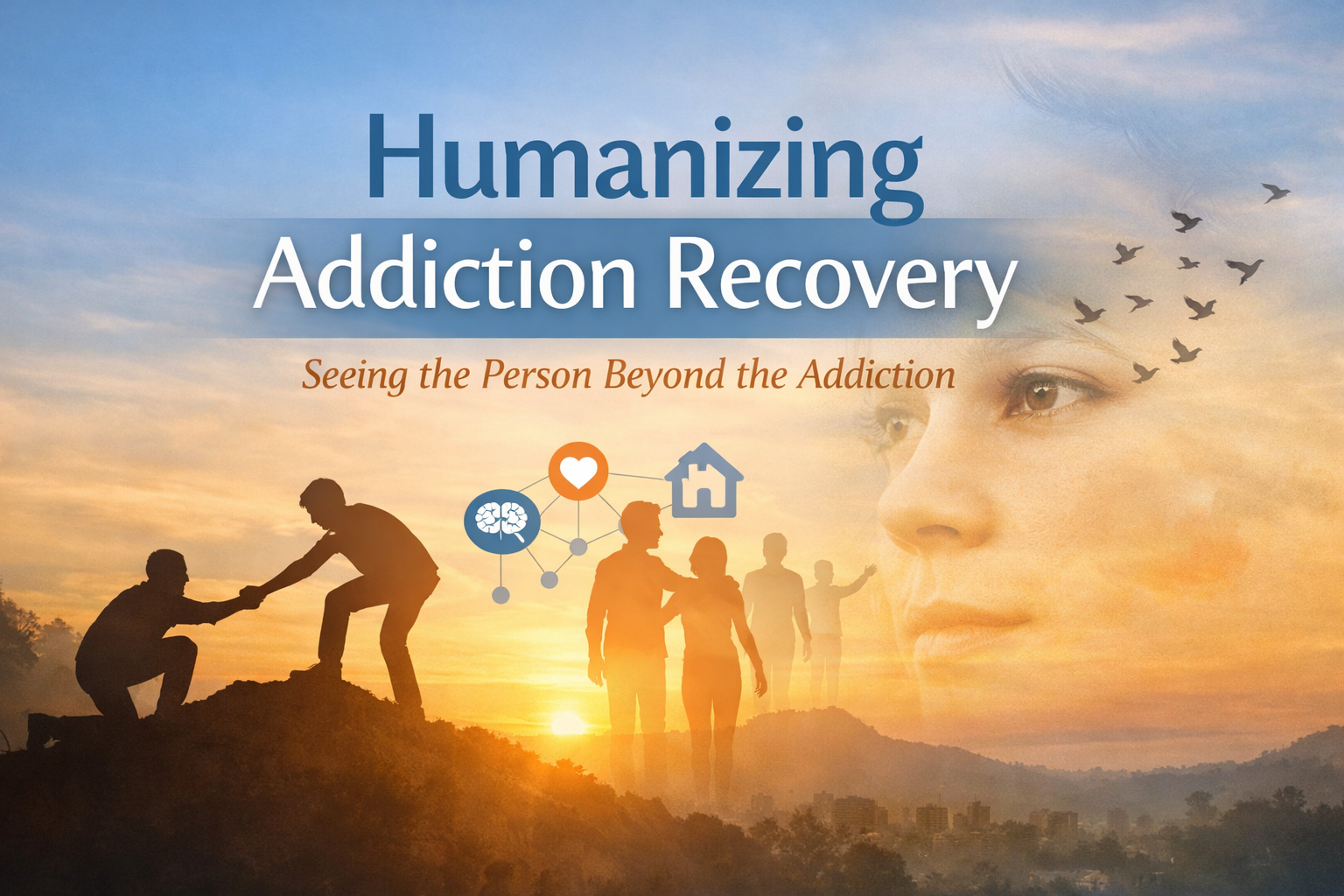
Addiction recovery is often misunderstood and stigmatized. Many people with substance use disorders are defined only by their addiction, overlooking their strengths and potential for change. Humanizing recovery shifts the focus from blame to empathy and understanding. By recognizing addiction as a complex health condition influenced by biological, psychological, and social factors, society can view … Read more