Why Caffeine Overdose is Easy to Miss
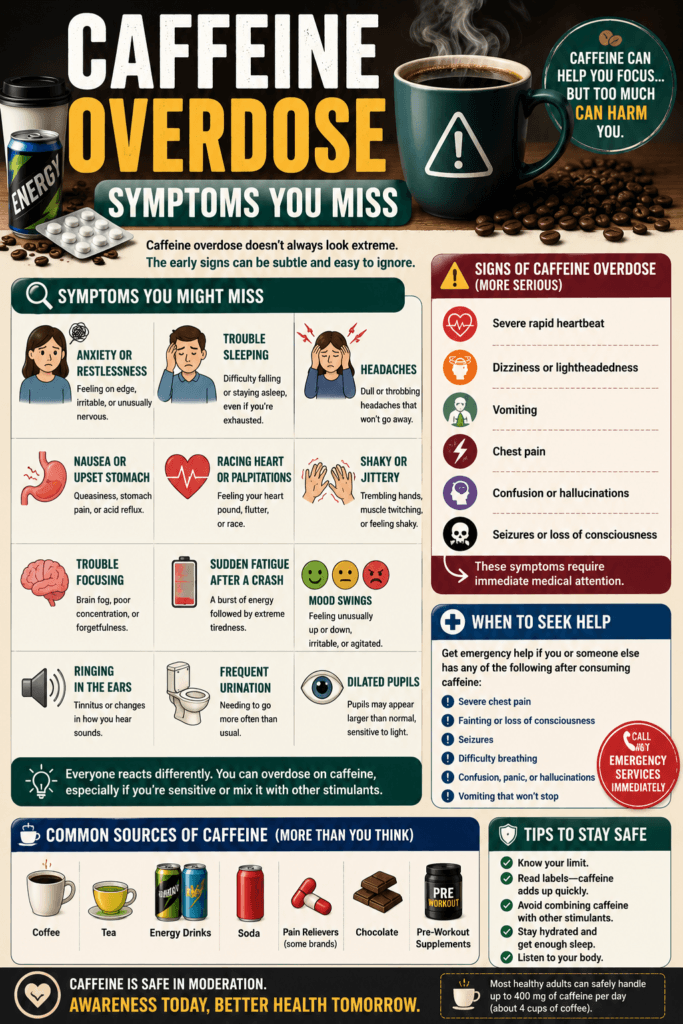
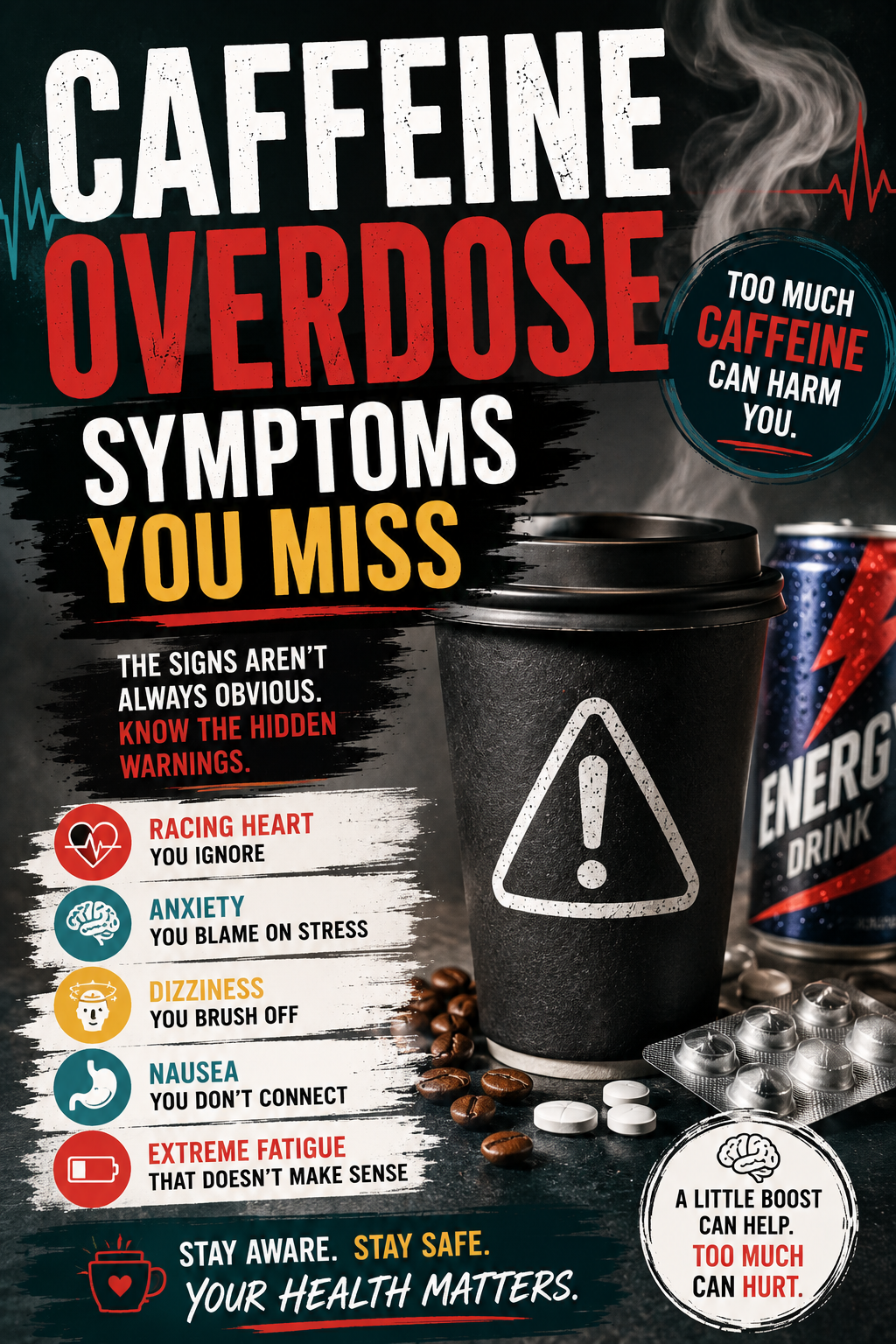
Caffeine overdose doesn’t always show up with super obvious signs at first. Sometimes it builds up slowly or sneaks in through unexpected symptoms, so it’s easy to brush off feeling weird or blame it on stress, lack of sleep, or just a busy week. The average adult can handle up to about 400 milligrams of caffeine daily (that’s roughly four typical cups of coffee), but everyone has their own comfort zone. Going over, even a little, can cause symptoms that are surprisingly easy to miss.
According to the FDA, severe caffeine overdose is rare, but lots of people get mild to moderate symptoms and don’t realize caffeine is the culprit. Being able to spot these often-missed cues can help you avoid discomfort or even more serious problems.
Common Symptoms People Usually Expect
Most people know the main signs of too much caffeine: shaky hands, feeling extra restless, or a thumping heart. These are widely recognized and usually hit when someone has had a double espresso too late in the evening, or maybe one too many energy drinks. Trouble sleeping is another classic — if I’ve gone for a strong coffee after dinner, I’m counting sheep for hours.
- Jitters or shaky hands: Feels a bit like mild anxiety.
- Restlessness: Can’t sit still or focus for long.
- Insomnia: Sleeplessness or trouble falling asleep at night.
- Heart palpitations: The heart beats faster or flutters strangely.
While these symptoms are pretty easy to spot, caffeine overdose can show up in other, much less obvious ways.
Sneaky Symptoms That Get Overlooked
The body’s reaction to caffeine stretches beyond jitters. Over time, smaller symptoms can sneak up and be mistaken for something else entirely. Here are a few that I’ve noticed in myself and heard about from others:
- Digestive Upset: Caffeine can bug the digestive system, causing nausea, stomach cramps, or extra trips to the restroom. This is often mistaken for a random bug or nerves.
- Unexpected Anxiety: Persistent unease, racing thoughts, or sudden bouts of overwhelm can mean you’ve hit your caffeine threshold.
- Unusual Fatigue: After the initial caffeine buzz fades, I sometimes feel even more tired or foggy-headed. This “crash” is often a sign I’ve gone too far.
- Muscle Twitches and Restlessness: Light twitches in the eyelid or leg, or odd jumpiness, can be subtle warnings.
- Increased Thirst or Dehydration: Caffeine is a diuretic, leading to more bathroom trips and increased dehydration, which can show up as dry mouth or headaches.
- Delayed Reaction Times: Some people react more slowly, with lapses in judgment or coordination, even though their minds feel “wired.” This can affect tasks such as driving or concentrating at work.
How Much is Too Much? Common Sources and Surprising Foods
Caffeine adds up quickly. It’s not just from morning coffee. Some sources actually stack up surprisingly high. Besides your morning cup, these add to your daily tally:
- Energy drinks: Some cans pack over 200 mg of caffeine each.
- Iced tea and sodas: Usually around 30-60 mg per can or bottle.
- Preworkout powders and protein bars: Many fitness snacks sneak in 50 to 175 mg per serving.
- Chocolate: While mild in comparison, dark chocolate can contribute 20 to 40 mg per bar.
- Painkillers and allergy meds: Surprisingly, some brands use caffeine to boost their effects.
When you add up coffee, tea, supplements, and snacks, it’s easy to slip past the safe range without catching it.
Caffeine Overdose: Who’s at Higher Risk?
Not everyone responds to caffeine the same way. Some people can breeze through two strong coffees and a giant mug of green tea and barely bat an eye, while others get shaky after only one cup. Factors that increase your risk include:
- Age and weight: If you’re younger or smaller, it takes less caffeine to cause symptoms.
- Genetics: Some folks process caffeine slowly, so effects stick around longer.
- Existing health conditions: People with anxiety, heart problems, or gastrointestinal issues can be extra sensitive.
- Certain medications: Caffeine can clash with prescriptions, especially those for blood pressure, mood, or asthma.
Dealing with Overdose Symptoms at Home
If you spot those sneaky symptoms and think you’ve had too much caffeine, try these steps to bring things back to baseline:
- Hydrate: Drink plenty of water to help flush out caffeine and combat dehydration.
- Eat something: Food helps slow your body’s caffeine absorption. Go for complex carbs for a steady effect.
- Avoid more caffeine: Skip additional coffee, tea, or supplements for the rest of the day.
- Move around: A gentle walk can help your body process caffeine more quickly.
- Rest: Take some time to wind down, breathe deeply, and let your body recalibrate. A short nap might even help if you aren’t feeling too jittery.
Caffeine takes several hours to leave your system. Most symptoms fade on their own, but if you notice severe signs like chest pain, confusion, or vomiting, getting medical advice quickly is the smart move. According to Mayo Clinic health experts, these can show a more dangerous level of overdose.
Making Small Changes if You’re Sensitive to Caffeine
If caffeine tends to hit you with these odd symptoms, it can help to tweak your routine:
- Switch to lower-caffeine drinks: Try green tea, decaf, or herbal teas instead.
- Space out your caffeine intake: Spread your drinks throughout the morning instead of chugging two large coffees at once.
- Watch for hidden caffeine: Check labels on energy drinks, snacks, and medications to spot extra sources.
- Track your intake: Keep a simple log for a week of all sources — you might be surprised how it adds up.
Also, pay attention to timing. Afternoon or evening caffeine can throw off your sleep rhythm, so I usually stick to a cutoff before noon to keep my routine on track.
Real-Life Examples of Missed Caffeine Overdose Symptoms
This can show up in day-to-day life in subtle ways. One time, after a string of busy days with lots of iced coffees plus a couple of energy drinks, my sleep got totally off-track. I was exhausted and cranky, with a mild stomachache. At first, I thought it was a bug or job stress, but cutting out caffeine for a few days quickly made things better. Friends have had the same pattern: hand twitches or odd headaches that they first blamed on too much screen time or skipped meals, but then realized were from caffeine overload.
Another example is my coworker, who suddenly became anxious and broke into a cold sweat during an afternoon meeting. She thought it was work nerves — until she remembered having two lattes and chocolate that morning. Cutting back on her intake was the secret to feeling like herself again.
Caffeine and Anxiety: A Tricky Pair
Anxiety and caffeine tend to ramp each other up. If I’m feeling stressed, even a single extra shot of espresso can tip me into feeling panicky. Symptoms overlap and feed into each other, making it tricky to pick out caffeine as the problem. When anxiety ramps up for no clear reason, tracking caffeine intake for a week or so might shine a light on whether your daily routine is setting you up for a rollercoaster mood.
Frequently Asked Questions About Caffeine Overdose
Here are some common questions folks have when they suspect caffeine might be causing unusual symptoms.
How long do caffeine overdose symptoms last?
The body usually clears caffeine over about 4 to 6 hours, but when you’ve had a lot, symptoms may last 12 hours or more. If you’re especially sensitive, you might feel “off” for up to a couple of days.
Can kids or teens get symptoms from caffeine more easily?
Absolutely. Younger people have smaller bodies and process caffeine more slowly, so energy drinks or teas can cause symptoms much more quickly than in adults.
Is caffeine withdrawal linked to overdose symptoms?
Withdrawal starts after stopping caffeine suddenly. Classic withdrawal signs include headache, tiredness, bad mood, and irritability. Withdrawal symptoms are different from an overdose, but both can feel tough to deal with.
Can caffeine cause headaches or affect memory?
Yes, sometimes too much caffeine can spark headaches or impact your ability to remember things clearly — especially if you combine different sources throughout the day.
Final Thoughts: Watching Out for the Sneaky Side of Caffeine
Caffeine can give a real energy boost, but it’s easy to overlook just how many foods and drinks pack a punch. If you ever find yourself feeling off — anxious, tired, or just not quite yourself — tracking your caffeine for a few days can be eye-opening. Sometimes the solution is as simple as swapping your afternoon coffee for herbal tea, switching up your breakfast drink, or reading snack labels for extra caffeine. Adjusting your routine to match your body’s needs will keep your energy up and your mind clear.
Keeping an eye out for sneaky caffeine overdose symptoms helps you dodge discomfort and keep your focus, so your love of coffee or tea adds to your day, not your stress. If it’s ever confusing or severe, touching base with a healthcare provider is always a good idea. Everyone’s limit is different, and finding the sweet spot can mean more good days with just the right amount of buzz.
Video: How Much Caffeine is Too Much?