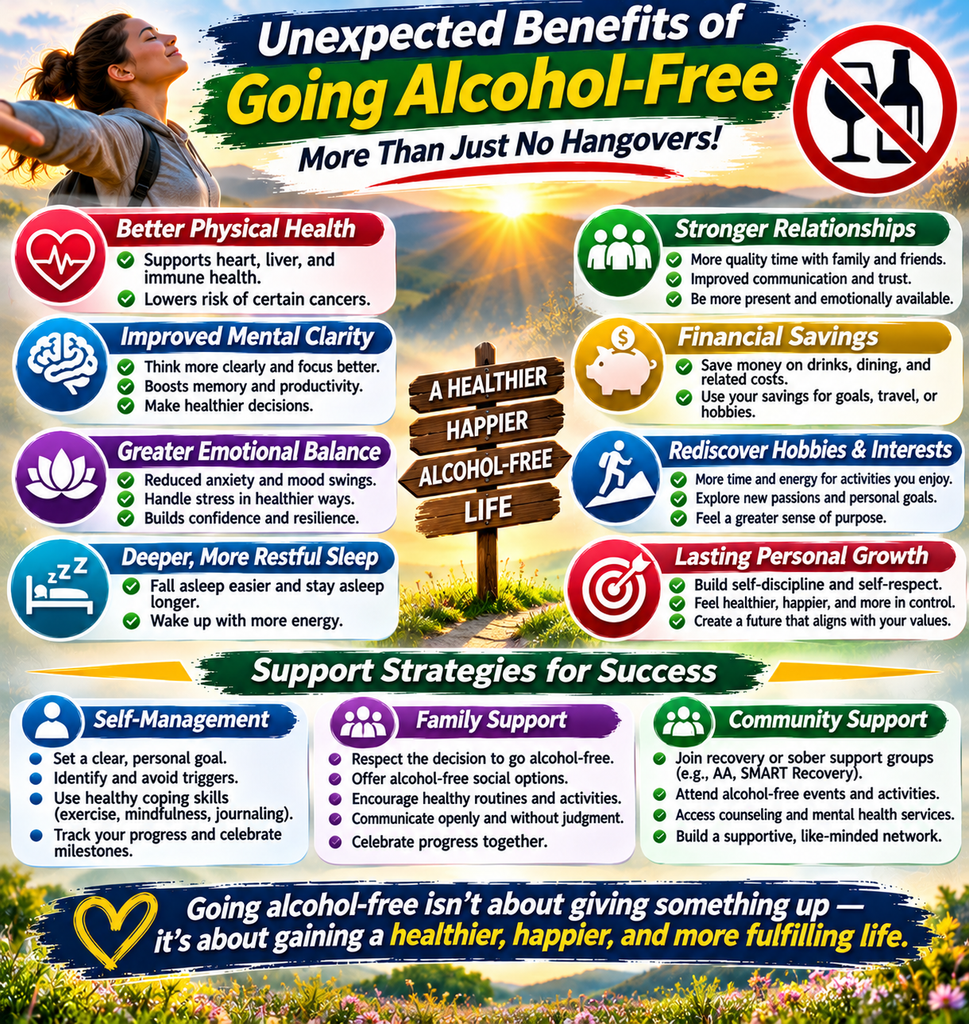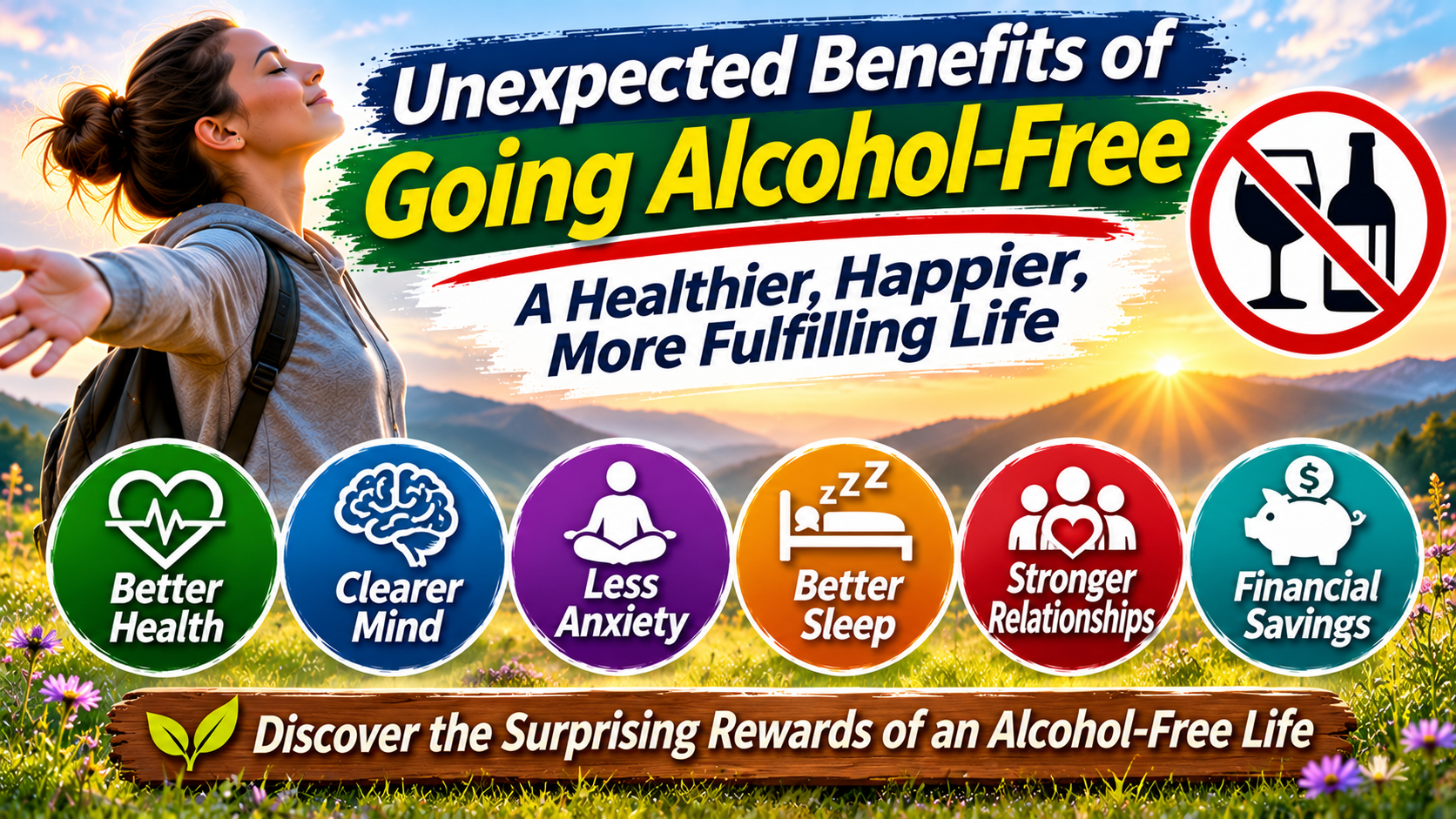
What if giving up alcohol could improve more than just your physical health? What if it could help you sleep better, think more clearly, strengthen relationships, save money, and rediscover activities you once enjoyed?
Choosing an alcohol-free lifestyle can create meaningful changes that extend far beyond avoiding hangovers. Whether someone stops drinking for personal wellness, medical reasons, or addiction recovery, reducing or eliminating alcohol can offer physical, psychological, financial, and social benefits.
For individuals recovering from alcohol use disorder, an alcohol-free lifestyle may also provide opportunities to rebuild trust, develop healthier coping strategies, and discover a renewed sense of purpose.
However, transitioning away from alcohol is not always easy. Social expectations, emotional triggers, cravings, and established drinking habits can make the process challenging.
Understanding the unexpected benefits of going alcohol-free—and developing effective self-management, family support, and community strategies—can help individuals make informed decisions and maintain meaningful lifestyle changes.
Improved Sleep Quality and More Restful Nights
One of the earliest benefits some people notice after reducing or eliminating alcohol is improved sleep quality.
Although alcohol may initially produce sedation, it can disrupt normal sleep architecture, particularly during the second half of the night.
Alcohol can contribute to:
- Frequent nighttime awakenings.
- Reduced or disrupted rapid eye movement (REM) sleep.
- Increased snoring and worsening obstructive sleep apnea.
- Early morning awakenings.
- Daytime fatigue and reduced concentration.
What changes after going alcohol-free?
Over time, some individuals experience more consistent sleep patterns, improved morning alertness, and reduced daytime fatigue.
However, people who have been drinking heavily may initially experience insomnia or disturbed sleep during withdrawal and early recovery.
Self-management strategies:
- Maintain consistent sleep and wake times.
- Limit caffeine later in the day.
- Establish a relaxing bedtime routine.
- Avoid excessive screen exposure before sleep.
- Seek medical evaluation for persistent insomnia.
Better sleep can improve mood, concentration, and the ability to manage everyday stress.
Improved Mental Clarity and Cognitive Function
Alcohol affects brain regions involved in attention, memory, decision-making, and emotional regulation.
Regular heavy drinking can impair cognitive performance, while alcohol-related sleep disruption may further affect concentration.
After reducing or eliminating alcohol, some individuals notice improvements in:
- Mental alertness.
- Short-term memory.
- Concentration.
- Decision-making.
- Productivity.
- Emotional awareness.
Why mental clarity matters during recovery
Improved cognitive functioning may help individuals recognize triggers, develop coping strategies, and make more deliberate decisions.
However, cognitive recovery varies. Some alcohol-related neurological changes may persist, particularly after prolonged heavy alcohol use.
Self-management strategies:
- Engage in mentally stimulating activities.
- Practice mindfulness and attention exercises.
- Maintain adequate nutrition and hydration.
- Participate in regular physical activity.
- Seek medical assessment for persistent memory or concentration difficulties.
Better Emotional Regulation and Reduced Alcohol-Related Anxiety
Alcohol can temporarily reduce feelings of tension, but its effects on neurotransmitter systems and sleep may contribute to increased anxiety as intoxication wears off.
Some individuals experience heightened anxiety after drinking, sometimes called hangxiety.
Going alcohol-free may help reduce alcohol-related mood fluctuations and improve emotional stability.
Potential emotional benefits
- Fewer alcohol-related episodes of anxiety.
- Reduced irritability associated with drinking or hangovers.
- Greater awareness of emotional triggers.
- Improved ability to manage stress without substances.
- Increased confidence in personal coping skills.
However, stopping alcohol does not automatically resolve anxiety disorders, depression, or trauma-related conditions.
Healthy emotional coping strategies
- Practice slow breathing and relaxation techniques.
- Identify emotional triggers.
- Use journaling to process difficult experiences.
- Participate in counseling when appropriate.
- Develop supportive relationships.
- Replace drinking with meaningful stress-relief activities.
Learning to manage emotions without alcohol can strengthen long-term psychological resilience.
Unexpected Improvements in Physical Health
Alcohol affects nearly every major organ system.
Reducing or eliminating alcohol can improve several health indicators, particularly among individuals who previously consumed substantial amounts.
Cardiovascular health
Heavy alcohol consumption can contribute to hypertension, arrhythmias, and cardiomyopathy.
Reducing alcohol intake may improve blood pressure and lower certain cardiovascular risks.
Liver health
The liver metabolizes alcohol and can develop fatty changes, inflammation, and scarring from prolonged excessive consumption.
Alcohol abstinence may improve alcohol-associated fatty liver disease and reduce further liver injury.
Advanced cirrhosis may not be fully reversible, making early intervention important.
Digestive health
Alcohol can irritate the gastrointestinal tract and contribute to reflux, gastritis, and pancreatitis.
Some individuals experience improvements in digestive symptoms after stopping drinking.
Cancer risk reduction
Alcohol is an established carcinogen associated with cancers of the mouth, throat, esophagus, liver, breast, and colorectum.
Avoiding alcohol reduces exposure to a known cancer-causing substance.
The extent and timing of risk reduction vary depending on previous drinking patterns and cancer type.
Other potential benefits
- Improved hydration habits.
- Reduced alcohol-related calorie consumption.
- Better blood pressure control.
- Improved exercise recovery.
- Reduced risk of alcohol-related injuries.
These benefits vary according to individual health status and previous alcohol consumption.
Saving Money and Reducing Financial Stress
One unexpected benefit of going alcohol-free is the potential financial savings.
Alcohol-related expenses can extend beyond purchasing beverages.
Additional costs may include transportation, restaurant spending, missed work, medical expenses, and impulsive purchases.
Alcohol-free savings calculator
Estimate how much you could save by eliminating your usual alcohol spending. Average weekly alcohol spending
$40
Monthly savings (average)
$173
Annual savings
$2,080
Illustrative estimate based on 52 weeks per year; excludes indirect costs.
Financial self-management strategies
- Track previous alcohol-related expenses.
- Create a savings goal.
- Redirect money toward hobbies or education.
- Build an emergency fund.
- Celebrate financial milestones.
- Develop a realistic household budget.
Financial improvements can reduce stress and provide tangible motivation for maintaining an alcohol-free lifestyle.
Stronger Relationships and More Meaningful Connections
Alcohol can sometimes contribute to misunderstandings, arguments, emotional withdrawal, or inconsistent behavior.
An alcohol-free lifestyle may create opportunities for healthier communication and more meaningful interactions.
Potential benefits include:
- Improved emotional availability.
- More consistent communication.
- Greater reliability.
- Fewer alcohol-related conflicts.
- Increased participation in family activities.
- Opportunities to rebuild damaged trust.
However, abstinence alone does not automatically repair relationships. Counseling, accountability, and consistent behavioral changes may also be necessary.
Family Support Strategies: Creating an Alcohol-Free Environment
Family involvement can make lifestyle changes more manageable, especially when alcohol has been a central part of social gatherings or household routines.
Families can provide encouragement while respecting personal choices and boundaries.
Practical family support strategies
- Respect alcohol-free decisions: Avoid questioning or pressuring someone to drink.
- Offer appealing alternatives: Provide alcohol-free beverages during meals and celebrations.
- Create supportive activities: Plan outings, games, outdoor adventures, and family events that do not revolve around alcohol.
- Communicate openly: Discuss concerns, expectations, and recovery goals without judgment.
- Recognize progress: Celebrate meaningful milestones without creating unrealistic pressure.
- Establish healthy boundaries: Avoid enabling harmful drinking behaviors.
- Encourage professional treatment: Support counseling or addiction care when needed.
- Protect family well-being: Encourage relatives to seek their own support if alcohol misuse has affected household stability.
Rebuilding trust through consistency
For individuals recovering from alcohol use disorder, rebuilding family relationships may require patience.
Trust can develop through honest communication, responsible decisions, and consistent follow-through.
Family counseling may help address unresolved conflicts and improve mutual understanding.
An alcohol-free lifestyle can create opportunities for healthier relationships, but meaningful healing requires time and shared effort.
Rediscovering Hobbies, Creativity, and Personal Interests
Alcohol consumption can occupy significant amounts of time, particularly when drinking becomes a regular social or emotional coping activity.
Going alcohol-free may create opportunities to explore interests that were previously neglected.
Examples include:
- Learning a new language.
- Gardening or spending time outdoors.
- Painting, writing, or photography.
- Participating in recreational sports.
- Cooking and exploring new recipes.
- Volunteering.
- Traveling without alcohol-centered activities.
- Developing professional or educational goals.
Why hobbies support recovery
Meaningful activities can provide enjoyment, structure, social connection, and a sense of accomplishment.
For individuals in addiction recovery, engaging in rewarding alcohol-free activities may help reduce boredom and support healthier routines.
However, hobbies should complement professional addiction treatment when clinically indicated.
Improved Self-Confidence and Personal Accountability
Choosing an alcohol-free lifestyle may strengthen confidence as individuals experience progress toward personal goals.
For someone who previously relied on alcohol to manage stress or social discomfort, learning to navigate situations without drinking can reinforce self-efficacy.
Potential benefits include:
- Greater confidence in decision-making.
- Improved awareness of personal boundaries.
- Increased trust in one’s ability to manage challenges.
- Stronger commitment to personal values.
- Reduced dependence on alcohol for social confidence.
- Greater satisfaction from achieving meaningful goals.
Self-management strategies for building confidence
- Set realistic alcohol-free goals.
- Track progress without demanding perfection.
- Practice saying no to unwanted drinks.
- Recognize personal accomplishments.
- Develop coping strategies for social pressure.
- Seek support when challenges arise.
Confidence grows through repeated experiences of making choices that align with personal goals and values.
Community Support Strategies: Building an Alcohol-Free Social Network
One challenge of going alcohol-free is adjusting to social environments where drinking is common.
Some individuals worry that abstinence will lead to isolation or reduced opportunities for social connection.
However, communities can help create inclusive environments that support people who choose not to drink.
Effective community strategies
- Organize alcohol-free events: Promote social gatherings, fitness activities, and recreational programs without alcohol.
- Support recovery communities: Encourage access to Alcoholics Anonymous, SMART Recovery, and peer support networks.
- Expand addiction treatment services: Improve access to counseling, outpatient programs, and medication treatment.
- Provide educational workshops: Teach communities about alcohol-related health risks and recovery.
- Promote workplace wellness: Encourage alcohol-free social options and confidential employee assistance services.
- Reduce stigma: Respect individuals who choose not to drink without requiring explanations.
- Support sober-friendly businesses: Encourage venues and organizations to offer appealing nonalcoholic options.
- Develop peer mentorship programs: Connect individuals with supportive people who have successfully navigated similar lifestyle changes.
Finding social connection without alcohol
Alcohol-free social activities may include walking groups, volunteer organizations, book clubs, sports leagues, art workshops, and community education programs.
These activities can help individuals build relationships based on shared interests rather than alcohol consumption.
Understanding the Challenges of Going Alcohol-Free
Although eliminating alcohol can provide meaningful benefits, the transition may involve difficulties.
Individuals may experience social pressure, cravings, routine changes, or emotional discomfort.
For people with physiological alcohol dependence, abrupt cessation can cause potentially life-threatening withdrawal.
Common challenges
- Alcohol cravings.
- Difficulty sleeping during early abstinence.
- Social anxiety at alcohol-centered gatherings.
- Emotional discomfort without familiar coping habits.
- Fear of missing social experiences.
- Pressure from friends or coworkers.
- Increased awareness of unresolved mental health concerns.
Strategies for overcoming challenges
- Develop a personalized alcohol-free plan.
- Identify high-risk situations.
- Practice responses to social pressure.
- Keep nonalcoholic beverages available.
- Establish supportive relationships.
- Seek professional addiction treatment when appropriate.
- Address co-occurring anxiety, depression, or trauma-related symptoms.
- Monitor progress and adjust strategies when necessary.
Medical safety is essential: Individuals who drink heavily or regularly and may be physically dependent on alcohol should consult a healthcare professional before abruptly stopping. Severe withdrawal can involve seizures or delirium tremens.
Evidence-Based Treatment for Alcohol Use Disorder
For individuals experiencing alcohol use disorder, going alcohol-free may require professional treatment and ongoing recovery support.
Treatment should be individualized according to drinking patterns, medical history, co-occurring conditions, and personal goals.
Behavioral treatments
Evidence-based approaches include:
- Cognitive behavioral therapy.
- Motivational interviewing and motivational enhancement therapy.
- Relapse prevention counseling.
- Family and couples therapy.
- Contingency management in selected treatment settings.
Medications for alcohol use disorder
Three FDA-approved medications are available:
Naltrexone: Helps reduce alcohol’s rewarding effects and may decrease heavy drinking.
Acamprosate: Supports maintenance of abstinence after alcohol cessation.
Disulfiram: Produces an unpleasant reaction when alcohol is consumed and may be appropriate for selected individuals.
Medication selection should involve a qualified healthcare professional.
Continuing recovery support
Long-term recovery may benefit from regular follow-up, peer support, counseling, and attention to physical and mental health.
Treatment goals should reflect individual needs and may evolve over time.
How Quickly Can Someone Notice Benefits After Stopping Alcohol?
The timeline varies depending on previous alcohol consumption, overall health, and whether withdrawal symptoms occur.
| Time alcohol-free | Possible changes |
|---|---|
| First few days | Reduced alcohol exposure; withdrawal symptoms may occur in dependent individuals |
| 1–2 weeks | Some people notice improvements in hydration, morning alertness, and daily routines |
| 3–4 weeks | Sleep and energy may begin improving; some health markers may change |
| 1–3 months | Potential improvements in blood pressure, liver-related measures, and emotional stability |
| 3–6 months | Continued improvements in routines, relationships, and physical well-being |
| 6–12 months and beyond | Sustained reductions in alcohol-related risks and opportunities for long-term recovery |
These are general possibilities, not guaranteed outcomes or a medical recovery schedule. Individuals with severe alcohol-related complications may require ongoing treatment.
Key Lessons: The Unexpected Rewards of an Alcohol-Free Lifestyle
Better physical health
Avoiding alcohol reduces exposure to a substance associated with liver disease, cardiovascular complications, injuries, and several cancers.
Greater emotional awareness
Alcohol-free living may create opportunities to develop healthier coping strategies and improve emotional regulation.
Financial savings
Reducing alcohol-related spending can free resources for meaningful goals and everyday needs.
Stronger social connections
Alcohol-free activities can encourage authentic relationships, shared experiences, and supportive communities.
Personal growth and renewed purpose
Going alcohol-free can provide time and energy for hobbies, education, relationships, and personal development.
Resources for Alcohol-Free Living and Addiction Recovery
Individuals seeking support can access several national organizations.
- SAMHSA National Helpline: 1-800-662-HELP (4357), providing confidential addiction treatment referrals.
- FindTreatment.gov: A national directory of substance use and mental health treatment providers.
- Alcoholics Anonymous: Peer support for individuals seeking recovery from alcohol problems.
- SMART Recovery: Evidence-informed recovery support emphasizing coping skills and behavioral change.
- Al-Anon Family Groups: Support for relatives and friends affected by another person’s drinking.
- 988 Suicide & Crisis Lifeline: Call or text 988 for immediate emotional crisis assistance in the United States.
Conclusion: Going Alcohol-Free Can Open the Door to Unexpected Possibilities
Choosing to live without alcohol can provide benefits that extend far beyond avoiding intoxication or hangovers.
Improved sleep, greater mental clarity, reduced alcohol-related anxiety, better physical health, financial savings, and stronger relationships are among the potential rewards.
For individuals recovering from alcohol use disorder, an alcohol-free lifestyle may also provide opportunities to rebuild trust, develop healthier coping strategies, and discover a renewed sense of purpose.
However, successful change often requires more than willpower.
Self-management strategies help individuals recognize triggers, establish healthy routines, and maintain personal accountability.
Families can provide encouragement through respectful communication, healthy boundaries, and supportive activities.
Communities can strengthen recovery by expanding treatment access, promoting alcohol-free social opportunities, and reducing stigma.
Going alcohol-free is not simply about removing something from your life. It can be about creating space for better health, stronger relationships, meaningful experiences, and a future built around your personal values.
Every alcohol-free choice can become an opportunity to invest in your well-being and discover what life has to offer beyond drinking.
Frequently Asked Questions and Answers
Understanding the Benefits of Going Alcohol-Free
1. What does going alcohol-free mean?
Going alcohol-free means choosing not to consume alcoholic beverages.
Some individuals make this decision for general health and wellness, while others abstain because of medical conditions, medications, pregnancy, personal preferences, or addiction recovery.
For people with alcohol use disorder, abstinence may be an important treatment goal, although individualized treatment plans can differ.
2. What are the biggest benefits of going alcohol-free?
Potential benefits include:
- Better sleep quality.
- Improved concentration and mental clarity.
- Reduced alcohol-related anxiety.
- Lower risk of alcohol-associated liver disease.
- Improved blood pressure in some individuals.
- Reduced exposure to alcohol-related cancer risks.
- Financial savings.
- Stronger relationships.
- Greater emotional awareness.
- More time for meaningful activities.
The extent of these benefits depends on previous drinking patterns, overall health, and individual circumstances.
3. How quickly can someone notice improvements after stopping alcohol?
Some individuals notice changes within days or weeks, while others develop improvements gradually.
| Time alcohol-free | Potential benefits |
|---|---|
| First few days | Reduced alcohol exposure; withdrawal may occur in dependent individuals |
| 1–2 weeks | Possible improvements in morning alertness and hydration habits |
| 3–4 weeks | Sleep, energy, and some health measures may begin improving |
| 1–3 months | Potential improvements in blood pressure, liver-related measures, and daily functioning |
| 3–6 months | Continued opportunities for physical and emotional recovery |
| 6–12 months | Sustained lifestyle improvements and reductions in alcohol-related risks |
These are general possibilities, not guaranteed milestones.
Important: People with significant alcohol dependence should seek medical guidance before abruptly stopping because alcohol withdrawal can be life-threatening.
4. Is going alcohol-free beneficial even for occasional drinkers?
Yes. Alcohol contributes to health risks even at relatively low consumption levels, including certain cancers.
Avoiding alcohol eliminates alcohol-related exposure, although the absolute benefit varies with previous drinking levels.
Someone who drinks occasionally may notice fewer immediate changes than someone who previously drank heavily.
5. Can going alcohol-free improve overall quality of life?
Yes. Some individuals experience better sleep, improved emotional well-being, greater productivity, and stronger social connections.
An alcohol-free lifestyle may also create opportunities to pursue hobbies, improve financial stability, and establish healthier routines.
However, abstinence alone does not guarantee improvements in every area of life.
Physical Health Benefits
6. Does quitting alcohol improve liver health?
Yes. Eliminating alcohol can reduce ongoing liver injury and may allow improvement in alcohol-associated fatty liver disease and some forms of alcohol-related inflammation.
However, advanced liver scarring may not be fully reversible.
Individuals with known liver disease should receive ongoing medical evaluation.
7. Can going alcohol-free improve heart health?
Reducing or eliminating alcohol may improve blood pressure, particularly among individuals who previously consumed substantial amounts.
Avoiding heavy drinking can also reduce risks associated with alcohol-related cardiomyopathy and certain arrhythmias.
Cardiovascular outcomes depend on multiple factors, including existing disease, smoking, diet, and physical activity.
8. Does stopping alcohol help with weight management?
It may.
Alcohol contains approximately seven calories per gram and can contribute substantially to daily calorie intake.
Going alcohol-free may reduce calorie consumption and alcohol-related snacking.
However, weight changes depend on overall dietary intake, activity levels, metabolism, and other health factors.
9. Can quitting alcohol improve digestive health?
Yes. Alcohol can irritate the gastrointestinal tract and contribute to reflux, gastritis, and pancreatitis.
Some individuals experience fewer digestive symptoms after eliminating alcohol.
Persistent abdominal pain, vomiting, gastrointestinal bleeding, or unexplained weight loss requires medical evaluation.
10. Does going alcohol-free reduce cancer risk?
Alcohol is a recognized human carcinogen associated with several cancers, including breast, colorectal, liver, esophageal, and head and neck cancers.
Avoiding alcohol eliminates this exposure and may reduce future alcohol-related cancer risk.
The amount and timing of risk reduction depend on the type of cancer and previous drinking history.
11. Can going alcohol-free improve skin appearance?
Some individuals notice improvements in skin hydration, puffiness, or appearance after reducing alcohol consumption.
These changes may reflect improved sleep, hydration habits, and reduced alcohol-related inflammation.
However, alcohol abstinence is not a guaranteed treatment for acne, rosacea, or other dermatological conditions.
Sleep, Brain Health, and Emotional Well-Being
12. Why does sleep often improve after quitting alcohol?
Alcohol may initially cause sedation but can disrupt sleep architecture and increase nighttime awakenings.
Eliminating alcohol may allow more consistent sleep patterns over time.
People with heavy alcohol use may initially experience insomnia during withdrawal and early recovery.
13. Can stopping alcohol improve memory and concentration?
Yes. Reducing alcohol exposure may improve attention, memory, and decision-making, particularly when alcohol previously interfered with sleep or cognitive functioning.
However, individuals with prolonged heavy alcohol use may experience persistent cognitive difficulties requiring medical assessment.
14. Does going alcohol-free reduce anxiety?
Some individuals experience reduced alcohol-related anxiety after stopping drinking.
Alcohol can temporarily reduce tension, but its effects on sleep and the nervous system may contribute to rebound anxiety.
People with underlying anxiety disorders may still require counseling or medication.
15. Can quitting alcohol improve depression?
Reducing alcohol consumption may improve depressive symptoms when alcohol is contributing to mood disturbances.
However, depression can persist independently of alcohol use.
Individuals experiencing persistent sadness, hopelessness, or loss of interest should seek professional evaluation.
16. Why do some people feel emotionally overwhelmed after quitting alcohol?
Alcohol may have served as a coping mechanism for stress, grief, anxiety, or difficult emotions.
After stopping, individuals may become more aware of unresolved emotional concerns.
Early recovery can also involve sleep disturbances and changes in stress regulation.
Counseling, peer support, and healthy coping strategies can help individuals navigate these experiences.
17. Can going alcohol-free improve self-confidence?
Yes. Some individuals experience increased confidence as they develop healthier coping skills, achieve personal goals, and navigate social situations without drinking.
Confidence may grow through consistent actions, supportive relationships, and meaningful accomplishments.
Financial, Social, and Lifestyle Benefits
18. How much money can someone save by going alcohol-free?
Savings depend on previous drinking habits.
For example, someone who previously spent $50 per week on alcohol could save approximately:
Estimate your alcohol-free savings: Previous weekly alcohol spending
$50
Average monthly savings
$217
Annual savings
$2,600
Based on 52 weeks per year. Actual savings depend on previous spending and replacement purchases.
Additional savings may come from reduced transportation costs, fewer impulsive purchases, and other alcohol-related expenses.
19. Can going alcohol-free improve relationships?
Yes. Some individuals experience better communication, increased emotional availability, and fewer alcohol-related conflicts.
However, relationships affected by alcohol misuse may require time, accountability, and counseling to rebuild trust.
20. Does an alcohol-free lifestyle mean giving up social activities?
No. Socializing does not require alcohol.
Individuals can participate in restaurants, celebrations, sporting events, outdoor activities, and community gatherings without drinking.
Alcohol-free social environments may help individuals build connections based on shared interests.
21. What are some enjoyable alcohol-free activities?
Examples include:
- Hiking and nature walks.
- Cooking classes.
- Fitness programs.
- Book clubs.
- Art and photography workshops.
- Volunteer activities.
- Game nights.
- Travel and sightseeing.
- Community festivals.
- Learning new skills.
Meaningful activities can reduce boredom and support emotional well-being.
22. Can going alcohol-free improve work performance?
It may.
Improved sleep, reduced hangovers, and greater mental clarity can support attendance, concentration, and productivity.
However, workplace performance also depends on job demands, mental health, and other personal circumstances.
Self-Management Strategies for Alcohol-Free Living
23. What are the best self-management strategies for staying alcohol-free?
Helpful strategies include:
- Establishing clear personal goals.
- Identifying drinking triggers.
- Developing healthy coping mechanisms.
- Maintaining consistent routines.
- Tracking progress.
- Practicing stress-management techniques.
- Planning for social pressure.
- Seeking professional treatment when appropriate.
- Building a supportive recovery network.
24. How can someone manage alcohol cravings?
Cravings often fluctuate in intensity and duration.
Helpful responses include:
- Recognizing triggers.
- Delaying impulsive decisions.
- Practicing mindful breathing.
- Engaging in alternative activities.
- Contacting a trusted supporter.
- Avoiding high-risk situations when possible.
- Discussing medication options with a healthcare professional.
For individuals with alcohol use disorder, medications such as naltrexone or acamprosate may help support treatment goals.
25. What should someone say when offered alcohol?
Simple responses can help establish boundaries.
Examples include:
- “No, thank you. I’m not drinking.”
- “I’m choosing an alcohol-free lifestyle.”
- “I’ll have something nonalcoholic.”
- “I’m focusing on my health right now.”
Individuals do not owe others detailed explanations about their drinking decisions.
26. How can someone stay alcohol-free during holidays and celebrations?
Preparation can reduce social pressure.
Useful strategies include:
- Bringing a preferred nonalcoholic beverage.
- Informing a trusted person about alcohol-free goals.
- Planning transportation.
- Identifying an exit strategy.
- Avoiding situations that feel unsafe.
- Attending alcohol-free gatherings when possible.
27. What should someone do after drinking again following a period of abstinence?
A return to drinking does not mean that all previous progress has been lost.
Individuals can evaluate what contributed to the episode, reconnect with support, and revise their recovery plan.
Those with alcohol dependence should seek medical guidance because repeated withdrawal episodes can create additional health risks.
Family Support Strategies
28. How can families encourage an alcohol-free lifestyle?
Families can help by:
- Respecting the individual’s decision not to drink.
- Providing alcohol-free beverages.
- Planning activities that do not revolve around alcohol.
- Maintaining open communication.
- Encouraging professional treatment when needed.
- Celebrating meaningful progress.
- Establishing healthy boundaries.
29. Should families remove alcohol from the home?
For some individuals, reducing access to alcohol can help manage cravings and lower exposure to triggers.
However, the decision should be made collaboratively whenever possible.
Individuals with severe alcohol dependence may need medical withdrawal management before beginning abstinence.
30. How can families rebuild trust after alcohol addiction?
Trust develops through consistent behavior, honest communication, accountability, and respect for boundaries.
Family counseling may help address unresolved conflicts and establish healthier relationship patterns.
Family members should also have access to support for their own emotional well-being.
31. What should families avoid when supporting someone who stops drinking?
Families should avoid:
- Pressuring someone to drink.
- Minimizing addiction-related concerns.
- Shaming or criticizing recovery setbacks.
- Assuming responsibility for another person’s recovery.
- Ignoring dangerous withdrawal symptoms.
- Concealing harmful drinking behaviors.
Compassion and appropriate boundaries can coexist.
Community Support and Professional Treatment
32. How can communities support people choosing an alcohol-free lifestyle?
Communities can create inclusive environments by organizing alcohol-free events, supporting recovery groups, and expanding access to behavioral health services.
Employers, schools, recreational organizations, and local businesses can also provide social opportunities that don’t require alcohol.
33. What support groups are available for alcohol-free living?
Several organizations provide peer support:
- Alcoholics Anonymous (AA): Peer support centered on recovery from alcohol problems.
- SMART Recovery: Skills-based support emphasizing self-management and behavioral change.
- Women for Sobriety: Peer support designed for women seeking recovery.
- LifeRing Secular Recovery: Peer-led recovery support.
- Al-Anon: Support for families and friends affected by another person’s drinking.
Individuals may benefit from exploring different programs to find an approach that fits their needs.
34. When should someone seek professional treatment for alcohol use?
Professional assessment is recommended when drinking becomes difficult to control, causes health or relationship problems, or continues despite harmful consequences.
Treatment may include psychotherapy, medication, medically supervised withdrawal, and ongoing recovery support.
Do not abruptly stop heavy, prolonged drinking without medical guidance if physical dependence is possible. Alcohol withdrawal can cause seizures, delirium, and other life-threatening complications.
35. What is the most important lesson about going alcohol-free?
The most important lesson is that living without alcohol can create opportunities for better health, emotional growth, stronger relationships, and greater personal freedom.
The benefits vary, and recovery can be challenging, but meaningful improvements are possible with appropriate support.
Going alcohol-free is not simply about giving something up. It can be about gaining the time, clarity, health, and confidence to build a more fulfilling life.
Resources for Alcohol-Free Living and Addiction Recovery
- SAMHSA National Helpline: 1-800-662-HELP (4357), offering confidential treatment referrals.
- FindTreatment.gov: Find substance use and mental health treatment
- Alcoholics Anonymous: Find AA meetings and resources
- SMART Recovery: Explore SMART Recovery programs
- National Institute on Alcohol Abuse and Alcoholism: Alcohol research and health information
- 988 Suicide & Crisis Lifeline: Call or text 988 for immediate emotional crisis support in the United States.
Video: