Dual Addiction Disorder

Dual addiction disorder, also known as co-occurring disorders, involves the simultaneous presence of two or more substance use disorders or mental health conditions. Treating this complex issue is challenging, especially in rural areas with limited access to care. However, communities can take steps to overcome barriers by expanding telehealth services, increasing awareness, developing culturally competent … Read more
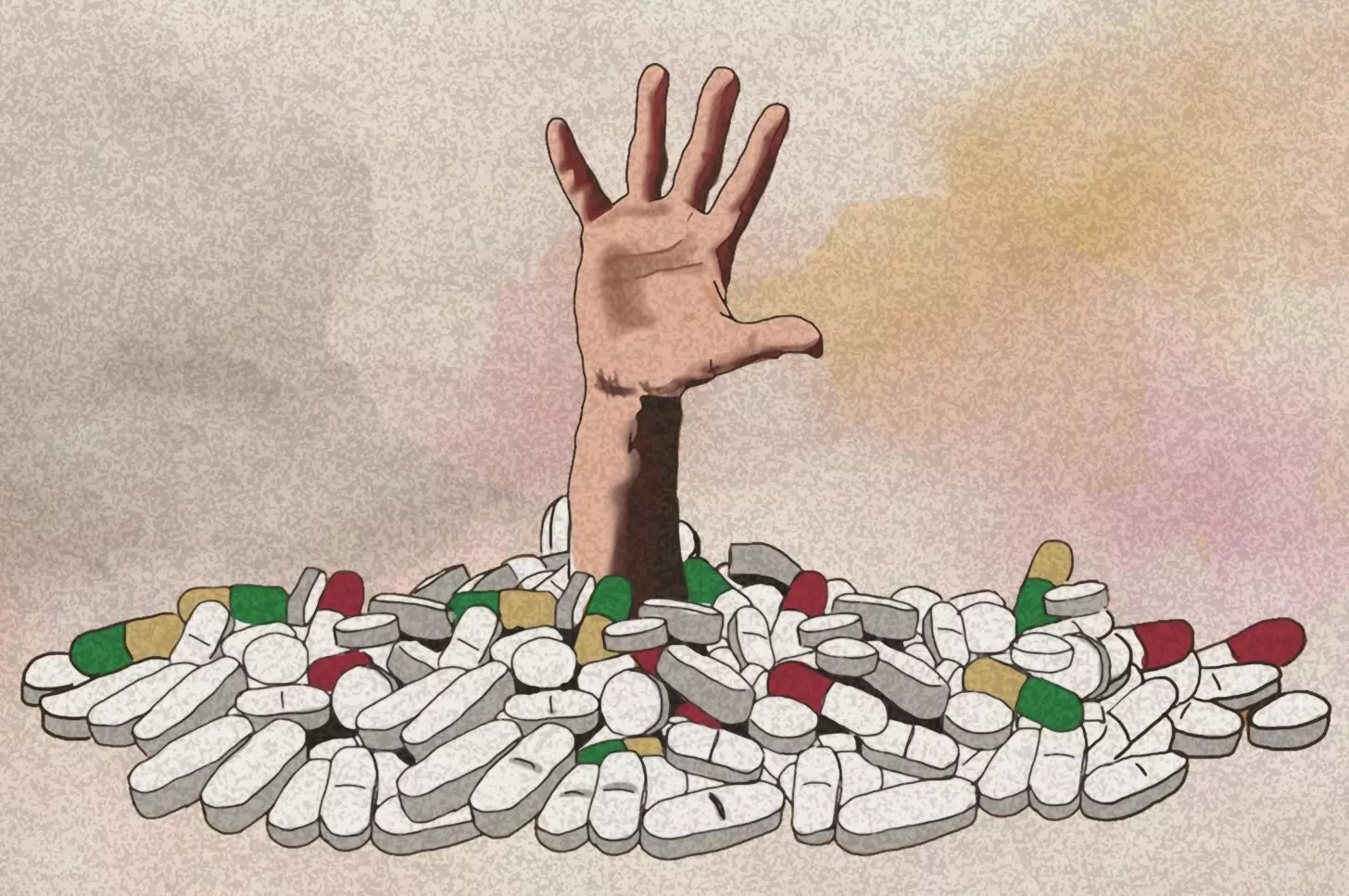

Path to an Opioid-Free Future

In the battle against opioid addiction, the involvement of government, community, social media, societal culture, and family is pivotal for paving the way toward an opioid-free future. The government sets policies and allocates resources, while communities offer support services and raise awareness. Social media platforms facilitate education and advocacy, and societal culture shapes perceptions of … Read more

LAI Buprenorphine in Addiction

Long-acting injectable (LAI) buprenorphine for addiction treatment improves adherence through weekly or monthly dosing and reduces misuse risk. Barriers include limited access, cost, and ethical concerns. Recovery also depends on self-management, family encouragement, and community support, such as counseling and peer groups. When medical care and support systems work together, long-term opioid-free recovery is achievable. … Read more

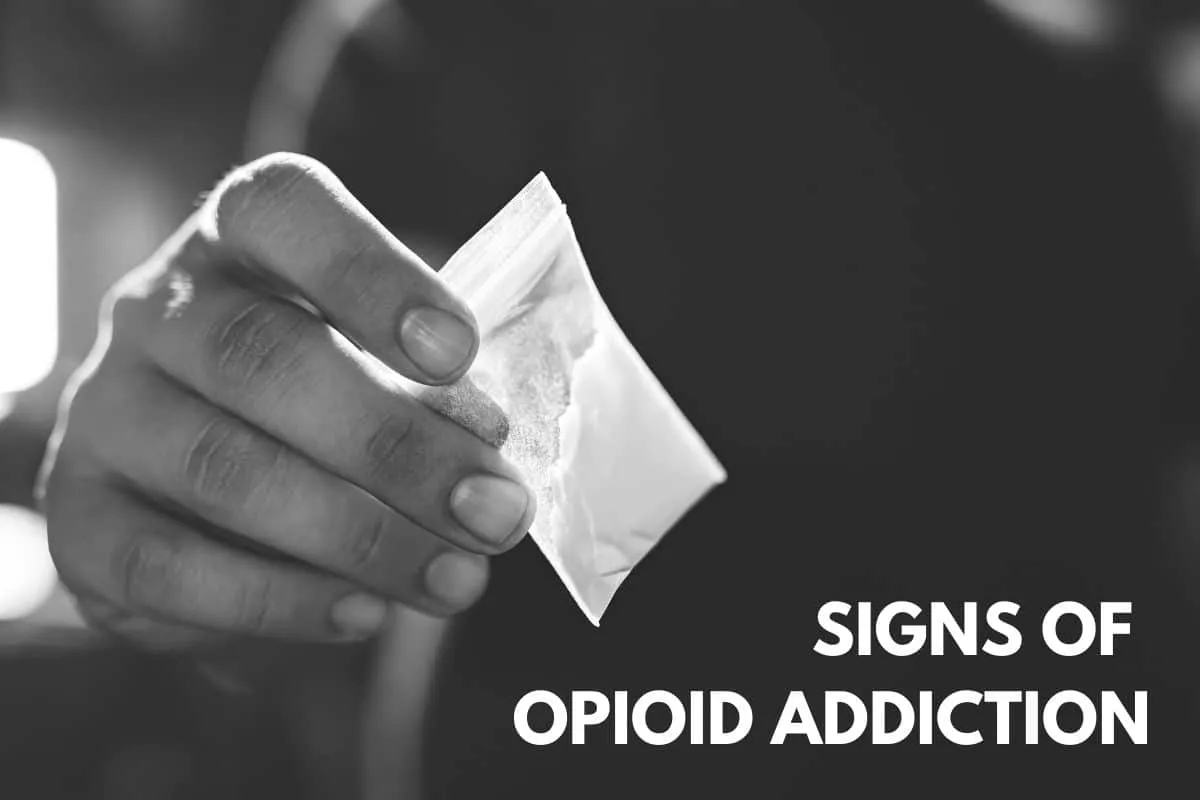
Opioid Addiction Signs

Opioid addiction poses a significant public health challenge, but early recognition of its signs is vital to prevention. Addressing opioid addiction requires a multifaceted approach, including self-management, family support, and community resources. In this overview, we’ll explore the signs of opioid addiction, strategies for self-management, the importance of family support, and community resources. Through understanding … Read more

Emotional Abuse Leads to Addiction

Emotional abuse can escalate vulnerability to addiction by eroding self-esteem and triggering a cycle of coping through substances or behaviors. Interventions must encompass self-management, family support, and community resources to address this complex issue. By empowering individuals to recognize and heal from emotional abuse while providing comprehensive support networks, communities can mitigate addiction risk and … Read more

Binge Eating Addiction

Binge eating disorder (BED) is a complex mental health condition characterized by recurrent episodes of consuming large amounts of food in a short period, accompanied by a sense of loss of control and distress. Understanding its causes, signs, and symptoms, diagnosis, and treatment options is crucial for effective management and recovery. Treatment typically includes psychotherapy, … Read more

Teen Suicide

Understanding teen suicide is vital for prevention. Risk factors like mental health issues and family problems lead to warning signs such as withdrawal and risky behaviors. Empowering teens with self-management strategies helps them cope, while family support fosters open communication. Community resources like hotlines provide aid. By addressing individual, familial, and societal factors, we prevent … Read more

Prevent Loneliness in Children

Preventing loneliness in children requires a comprehensive approach involving self-management, family support, and community resources. Self-management strategies help children recognize and cope with loneliness, while family support provides a foundation of love and communication. Community resources offer opportunities for social interaction and engagement beyond the family. Together, these strategies promote children’s social well-being and resilience. … Read more

Recovery Plans from Addiction

Substance addiction aftercare plans integrate self-management, family support, and community resource strategies to promote sustained recovery. Self-management empowers individuals to navigate challenges and maintain healthy habits. Family support provides encouragement and a nurturing environment, while community resources offer access to a range of support services. Together, these elements create a comprehensive plan to support individuals … Read more

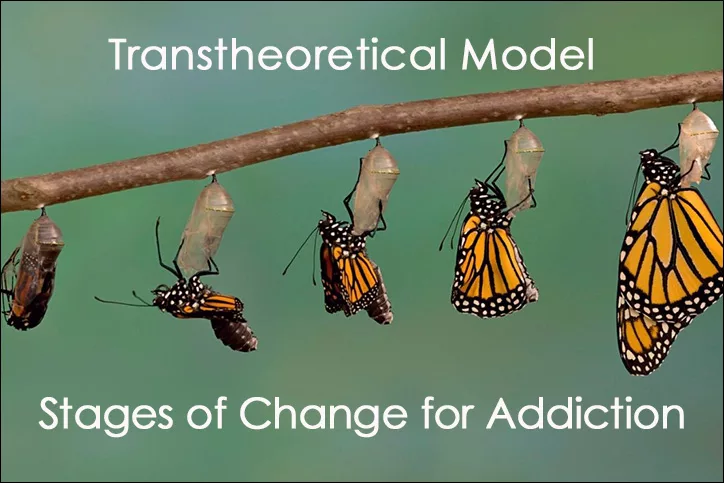
Stages of Change for Addiction

The Transtheoretical Model (TTM) offers a structured approach to addiction recovery, emphasizing stages of change and tailored interventions. Within this framework, self-management, family support, and community resources are essential. Self-management empowers individuals to navigate internal barriers, while family support fosters understanding and encouragement. Community resources ensure access to a range of support services. By integrating … Read more