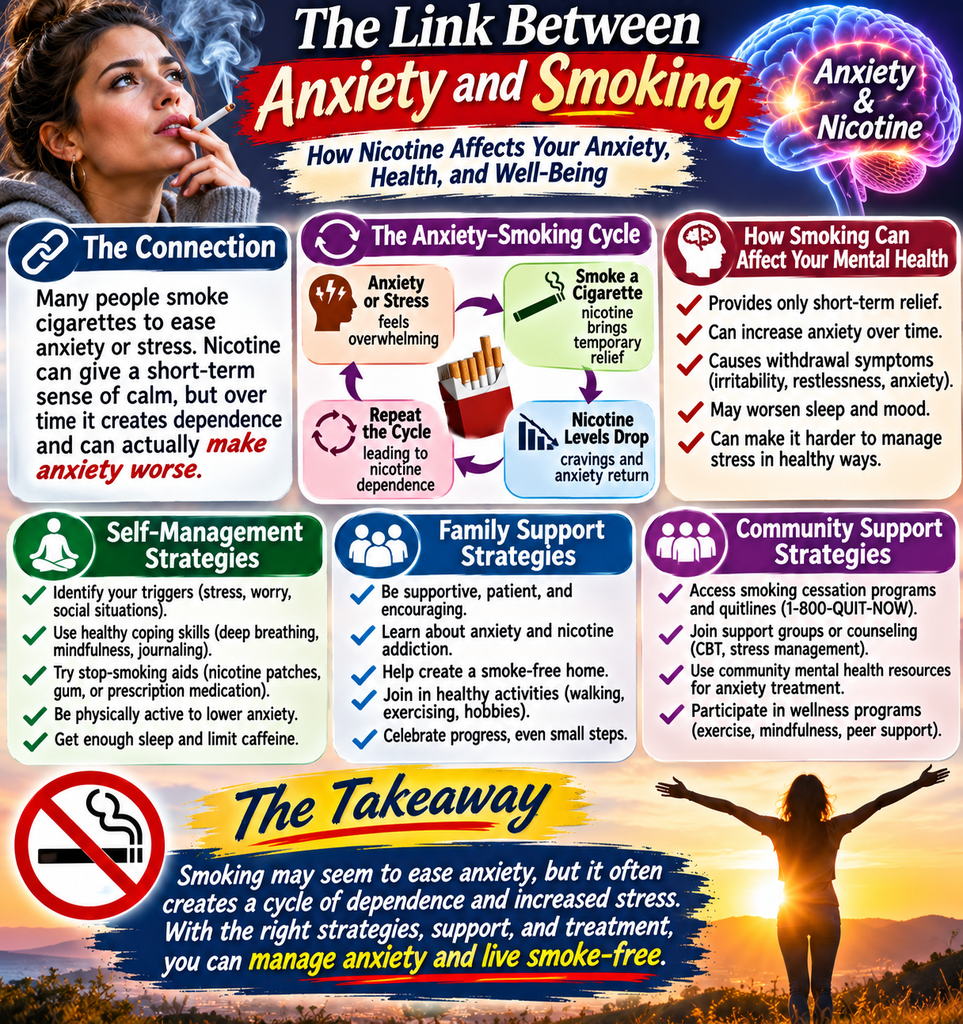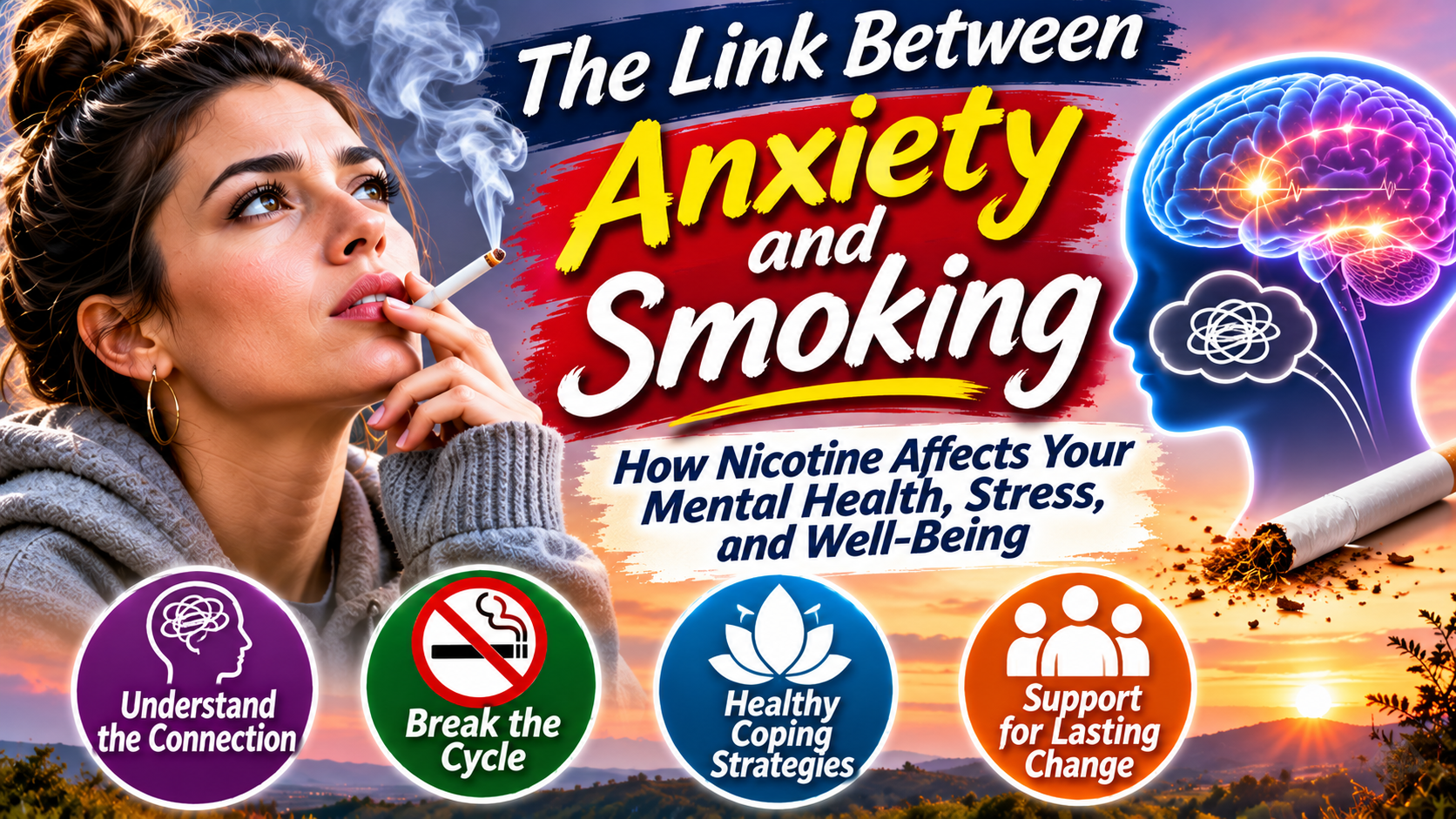
Anxiety and cigarette smoking are closely connected, creating a complicated relationship that can affect emotional well-being, physical health, and quality of life. Many individuals experiencing anxiety turn to cigarettes because they believe nicotine helps them relax, reduce stress, or manage overwhelming emotions.
Although smoking may provide temporary relief, nicotine dependence can actually contribute to a cycle of increased anxiety, withdrawal symptoms, and repeated cigarette use.
For individuals living with generalized anxiety disorder, panic disorder, social anxiety, or chronic stress, quitting smoking may feel especially challenging because cigarettes have become part of their emotional coping routine.
Understanding the connection between anxiety and smoking is essential for developing healthier coping strategies, preventing nicotine dependence, and supporting long-term recovery.
With appropriate self-management, family encouragement, professional treatment, and community support, individuals can learn to manage anxiety without depending on cigarettes.
Understanding the Relationship Between Anxiety and Smoking
Anxiety is a psychological and physiological response to perceived threats or stressful situations. It may involve excessive worry, restlessness, muscle tension, irritability, sleep disturbances, and difficulty concentrating.
Smoking introduces nicotine into the bloodstream, where it rapidly reaches the brain and activates nicotinic acetylcholine receptors. This stimulates neurotransmitter release, including dopamine, which contributes to nicotine’s reinforcing effects.
Nicotine can temporarily alter mood and attention, creating a sensation that some smokers interpret as relaxation.
However, nicotine is also a stimulant that can increase heart rate, blood pressure, and physiological arousal.
Over time, regular smoking can create physical dependence. When nicotine levels decrease, withdrawal symptoms may emerge, including anxiety, irritability, restlessness, and difficulty concentrating.
Smoking another cigarette temporarily relieves these withdrawal symptoms, reinforcing the belief that smoking reduces anxiety.
Why People With Anxiety May Smoke
Several factors can contribute to the relationship between anxiety and smoking:
- Temporary emotional relief: Smoking may briefly reduce nicotine withdrawal discomfort.
- Stress-related coping: Cigarettes may become associated with breaks from stressful situations.
- Nicotine dependence: Physical dependence can create anxiety between cigarettes.
- Social influences: Smoking may be normalized within certain friendships, workplaces, or family environments.
- Behavioral conditioning: Individuals may associate smoking with relaxation, socializing, or emotional control.
- Co-occurring mental health conditions: Anxiety disorders and tobacco use disorders can occur together and influence one another.
Not everyone with anxiety smokes, and smoking does not always cause an anxiety disorder. Their relationship is influenced by biological, psychological, and social factors.
The Anxiety–Smoking Cycle: Why Cigarettes Can Make Anxiety Worse
The cycle can repeat throughout the day, making cigarettes seem necessary for emotional relief.
The cycle often begins when someone experiences anxiety or emotional discomfort. Smoking produces a brief mood change that may feel calming.
As nicotine levels decline, withdrawal symptoms develop, and the individual experiences renewed irritability, restlessness, or anxiety.
The person may then smoke again, not necessarily to eliminate the original stressor, but to relieve withdrawal-related discomfort.
Over time, this cycle can strengthen nicotine dependence and make quitting more difficult.
How Smoking Affects Mental and Physical Health
Chronic cigarette smoking affects multiple organ systems and can worsen overall health.
Nicotine activates the sympathetic nervous system, while tobacco smoke exposes the body to carbon monoxide, oxidants, and numerous toxic chemicals.
Potential Health Consequences
- Increased cardiovascular risk: Smoking contributes to hypertension, atherosclerosis, heart attack, and stroke.
- Respiratory disease: Long-term smoking increases the risk of chronic obstructive pulmonary disease (COPD).
- Cancer: Tobacco smoke is associated with lung cancer and numerous other malignancies.
- Sleep disturbances: Nicotine stimulation and overnight withdrawal can interfere with sleep quality.
- Increased physiological arousal: Rapid heartbeat and other nicotine effects may resemble or intensify anxiety symptoms.
- Nicotine dependence: Repeated exposure reinforces cravings and withdrawal cycles.
- Reduced physical endurance: Smoking impairs respiratory and cardiovascular functioning.
Anxiety and smoking may also interact indirectly. For example, breathing difficulties or palpitations associated with smoking-related illness may become triggers for health-related anxiety.
Does Quitting Smoking Improve Anxiety?
Research indicates that smoking cessation is generally associated with improvements in mental health, including reductions in anxiety, depression, and stress.
A large systematic review published in the Cochrane Database of Systematic Reviews found that individuals who stopped smoking experienced improvements in mental health outcomes compared with those who continued smoking.
These improvements occurred in people with and without preexisting mental health conditions.
However, the early stages of quitting may temporarily increase anxiety because of nicotine withdrawal.
What Happens After Quitting?
- First several hours: Nicotine levels begin declining, and cravings may emerge.
- First few days: Withdrawal symptoms, including anxiety and irritability, may become more noticeable.
- First several weeks: Physical withdrawal generally decreases, although behavioral cravings may continue.
- Following months: Many individuals report improved emotional stability, confidence, and overall well-being.
Withdrawal timelines vary. People with anxiety disorders may need additional psychological support during smoking cessation.
Self-Management Strategies: Managing Anxiety Without Smoking
Quitting smoking while managing anxiety requires a combination of behavioral changes, emotional regulation, and evidence-based treatment.
Individuals who use cigarettes to cope with stress may benefit from learning alternative strategies that provide relief without reinforcing nicotine dependence.
Practical Self-Management Strategies
- Identify smoking triggers: Keep a journal documenting when cravings occur, the emotions involved, and the situations associated with smoking.
- Practice controlled breathing: Use slow, comfortable breathing exercises to reduce physiological arousal during anxiety episodes.
- Develop a quit plan: Select a quit date, identify potential obstacles, and prepare alternative coping strategies.
- Use nicotine replacement therapy: Nicotine patches, gum, and lozenges can reduce withdrawal symptoms and improve cessation success.
- Consider prescription medications: Varenicline and bupropion are effective smoking cessation medications for appropriate patients.
- Participate in cognitive behavioral therapy: CBT can help individuals challenge anxious thoughts and replace smoking with healthier coping behaviors.
- Engage in regular physical activity: Walking, swimming, stretching, and other activities can reduce stress and improve mood.
- Limit excessive caffeine: High caffeine intake can intensify palpitations, restlessness, and anxiety symptoms.
- Maintain healthy sleep habits: Keep a consistent sleep schedule and reduce stimulating activities before bedtime.
- Practice mindfulness: Meditation, grounding techniques, and progressive muscle relaxation can help manage emotional discomfort.
- Prepare for cravings: Use brief activities such as drinking water, chewing sugar-free gum, or taking a short walk.
- Track progress: Celebrate smoke-free milestones and recognize improvements in physical and emotional health.
The Importance of Treating Anxiety and Nicotine Dependence Together
For individuals with diagnosed anxiety disorders, smoking cessation treatment should be coordinated with mental health care.
CBT, exposure-based therapies when appropriate, and medications such as selective serotonin reuptake inhibitors (SSRIs) may be considered depending on the anxiety disorder.
Smoking cessation medications can generally be used alongside many psychiatric treatments, although medication interactions and individual risks should be reviewed.
An important consideration is that stopping cigarette smoking can alter the metabolism of certain medications, including clozapine and olanzapine, because tobacco smoke induces CYP1A2 activity. Clinicians may need to reassess medication doses when smoking patterns change.
Family Support Strategies: Helping Loved Ones Quit Smoking and Manage Anxiety
Family members often want to help someone stop smoking but may struggle to understand why quitting is difficult.
Nicotine dependence is not simply a habit. It involves neurobiological changes, withdrawal symptoms, learned behaviors, and emotional associations.
When anxiety is also present, individuals may fear losing a familiar coping mechanism.
Supportive family relationships can improve confidence and encourage continued participation in treatment.
Practical Family Support Strategies
- Communicate with compassion: Discuss smoking-related concerns without criticism, threats, or humiliation.
- Understand nicotine withdrawal: Recognize that irritability, anxiety, and difficulty concentrating may temporarily increase during cessation.
- Encourage professional treatment: Support appointments with healthcare providers, smoking cessation specialists, or mental health counselors.
- Create a smoke-free environment: Establish household rules that protect everyone from secondhand smoke exposure.
- Participate in healthy activities: Encourage walking, cooking, gardening, and other enjoyable smoke-free routines.
- Avoid enabling smoking: Refrain from purchasing cigarettes or encouraging tobacco use during stressful situations.
- Celebrate milestones: Recognize progress such as completing a smoke-free day, week, or month.
- Support relapse prevention: Help identify triggers and develop strategies for managing difficult situations.
- Practice patience: Understand that successful smoking cessation may require multiple attempts.
- Protect caregiver well-being: Family members should maintain healthy boundaries and seek support when necessary.
How Families Can Respond to Smoking Relapse
A return to smoking should be viewed as an opportunity to reassess the cessation plan rather than as evidence of personal failure.
Families can encourage individuals to identify what triggered the lapse, reconnect with treatment resources, and consider additional medication or counseling support.
A single cigarette does not have to become a return to regular smoking.
Community Support Strategies: Building Smoke-Free and Anxiety-Supportive Environments
Community support is essential for reducing tobacco dependence, especially among individuals who face financial barriers, limited healthcare access, or co-occurring mental health conditions.
Public health programs, healthcare organizations, schools, workplaces, and community groups can help people access smoking cessation treatment and emotional support.
Practical Community Support Strategies
- Expand smoking cessation services: Offer affordable counseling, nicotine replacement therapy, and prescription treatment.
- Promote tobacco quitlines: Connect individuals with trained cessation counselors who provide personalized support.
- Integrate mental health screening: Identify anxiety, depression, and other psychological conditions during tobacco cessation visits.
- Create smoke-free public spaces: Reduce exposure to secondhand smoke and support environments that discourage tobacco use.
- Provide community education: Explain the relationship between nicotine dependence, withdrawal symptoms, and anxiety.
- Support peer cessation groups: Encourage individuals to share coping strategies and recovery experiences.
- Improve healthcare access: Offer cessation resources through primary care clinics, pharmacies, and community health centers.
- Develop workplace wellness programs: Provide stress-management education, cessation benefits, and supportive workplace policies.
- Address health disparities: Ensure underserved populations can access affordable and culturally responsive cessation services.
- Encourage community recreation: Promote exercise programs, outdoor activities, and social events that provide healthier alternatives to smoking.
Helpful Smoking Cessation Resources
Several organizations provide evidence-based information and support:
- Smokefree.gov: Personalized quit plans, text-message programs, and craving-management tools.
- CDC Tobacco Prevention and Control: Education about smoking risks, cessation, and public health.
- 1-800-QUIT-NOW (1-800-784-8669): Free access to state tobacco cessation quitline services.
- National Institute of Mental Health: Information about anxiety disorders and evidence-based treatment.
Understanding the Role of Healthcare Professionals
Healthcare professionals play an important role in helping patients manage anxiety and nicotine dependence simultaneously.
A comprehensive assessment should evaluate tobacco use patterns, nicotine dependence severity, anxiety symptoms, psychiatric history, previous quit attempts, and treatment preferences.
Evidence-Based Clinical Interventions
1. Behavioral counseling
Motivational interviewing, cognitive behavioral therapy, and structured smoking cessation counseling can improve motivation and develop practical coping strategies.
2. Pharmacological treatment
Nicotine replacement therapy, varenicline, and bupropion can improve smoking cessation outcomes. Treatment selection should consider contraindications, potential adverse effects, psychiatric symptoms, and patient preferences.
3. Anxiety management
Patients with clinically significant anxiety may benefit from CBT, appropriate pharmacotherapy, or referral to mental health specialists.
4. Follow-up and relapse prevention
Regular follow-up appointments can help monitor withdrawal symptoms, medication adherence, anxiety severity, and smoking cessation progress.
5. Integrated healthcare
Coordinating tobacco treatment with primary care and behavioral health services can improve continuity of care and address overlapping health concerns.
Frequently Overlooked Challenges in Quitting Smoking With Anxiety
Individuals experiencing anxiety may encounter obstacles that require additional support.
Fear of Losing a Coping Mechanism
Some smokers believe cigarettes are the only effective way to calm their emotions. Counseling can help them recognize that smoking often relieves nicotine withdrawal rather than the underlying anxiety.
Increased Anxiety During Withdrawal
Nicotine withdrawal may temporarily intensify restlessness, irritability, and nervousness. Medication-assisted cessation and behavioral support can reduce these symptoms.
Social Anxiety and Smoking
For some individuals, smoking provides a socially accepted reason to leave uncomfortable situations or take breaks. Developing alternative social coping strategies can reduce reliance on cigarettes.
Fear of Weight Gain
Concerns about weight gain can discourage cessation. Balanced nutrition, physical activity, and supportive counseling can help individuals manage these concerns without returning to smoking.
Co-Occurring Depression
Anxiety and depression frequently occur together. Individuals experiencing persistent sadness, hopelessness, or worsening mental health symptoms should receive appropriate clinical evaluation.
Lessons About Anxiety, Smoking, and Recovery
The relationship between anxiety and smoking demonstrates that nicotine dependence involves more than physical addiction.
Smoking behaviors may become closely connected to emotional experiences, social routines, and beliefs about stress relief.
Several important lessons emerge:
- Temporary relief is not the same as effective anxiety treatment. Smoking may relieve withdrawal discomfort without addressing underlying emotional distress.
- Nicotine dependence can reinforce anxiety symptoms. Repeated withdrawal and cigarette use may contribute to an ongoing cycle of discomfort.
- Quitting smoking can improve mental health. Although withdrawal may initially increase anxiety, long-term cessation is generally associated with improved psychological well-being.
- Integrated treatment is beneficial. Addressing nicotine dependence and anxiety together can help individuals develop healthier coping skills.
- Family encouragement strengthens motivation. Compassionate communication and supportive environments can improve cessation experiences.
- Community resources improve access to care. Quitlines, counseling programs, and public health services can help individuals maintain tobacco abstinence.
Conclusion: Breaking the Anxiety–Smoking Cycle
Anxiety and cigarette smoking can become interconnected through nicotine dependence, emotional coping patterns, and repeated withdrawal symptoms.
Although cigarettes may seem to provide immediate relaxation, nicotine dependence can contribute to a cycle of cravings, temporary relief, and renewed anxiety.
Breaking this cycle requires more than simply putting down cigarettes. Individuals may need to develop healthier coping mechanisms, address underlying anxiety symptoms, and participate in evidence-based smoking cessation treatment.
Self-management strategies, family encouragement, professional healthcare, and community resources can help individuals overcome nicotine dependence while improving emotional and physical well-being.
Quitting smoking does not mean losing a way to cope with anxiety. It means gaining healthier tools to manage stress, protect your health, and regain control of your life.
For free smoking cessation support, call 1-800-QUIT-NOW (1-800-784-8669) or visit Smokefree.gov.
Frequently Asked Questions and Answers
Understanding Anxiety and Smoking
1. What is the connection between anxiety and smoking?
Anxiety and smoking have a complex, bidirectional relationship. Individuals experiencing anxiety may smoke to manage uncomfortable emotions, while nicotine dependence and withdrawal can contribute to anxiety symptoms.
Although smoking may provide temporary relief, repeated nicotine exposure can reinforce dependence and make emotional regulation more difficult.
2. Does smoking help reduce anxiety?
Smoking may temporarily relieve anxiety associated with nicotine withdrawal, creating the impression that cigarettes are calming.
However, nicotine stimulates the nervous system and can increase heart rate, blood pressure, and physiological arousal. Smoking is not an effective long-term treatment for anxiety disorders.
3. Can nicotine actually make anxiety worse?
Yes. Nicotine can contribute to restlessness, nervousness, sleep disturbances, and increased physiological arousal.
As nicotine levels decline, withdrawal symptoms may cause additional anxiety, creating a cycle in which individuals smoke repeatedly to relieve discomfort.
4. Why do people with anxiety disorders smoke cigarettes?
Some individuals use cigarettes as a coping mechanism for stress, excessive worry, social discomfort, or emotional distress.
Smoking may also become associated with relaxation breaks, social interactions, or familiar routines. Biological vulnerability, environmental influences, and nicotine dependence can contribute to continued use.
5. Are people with anxiety disorders more likely to smoke?
Research has found associations between anxiety disorders and higher rates of cigarette smoking or nicotine dependence in some populations.
However, the relationship varies by anxiety disorder, age, environmental exposure, and other mental health conditions.
Nicotine Dependence and Mental Health
6. How does nicotine affect the brain?
Nicotine activates nicotinic acetylcholine receptors and influences neurotransmitters such as dopamine, norepinephrine, and acetylcholine.
These effects can temporarily alter mood, attention, and alertness. Repeated exposure produces neuroadaptations that contribute to tolerance, cravings, and withdrawal.
7. What is the anxiety–smoking cycle?
The anxiety–smoking cycle occurs when an individual experiences stress or nicotine withdrawal, smokes a cigarette for temporary relief, and later develops renewed cravings or anxiety as nicotine levels decrease.
Repeated smoking can reinforce nicotine dependence without resolving the original cause of anxiety.
8. Can smoking trigger panic attacks?
Nicotine can cause palpitations, rapid breathing, dizziness, and other physical sensations that resemble panic symptoms.
In individuals vulnerable to panic attacks, these sensations may contribute to fear or intensify existing anxiety. However, not every smoker experiences panic attacks.
9. Does smoking affect sleep and increase anxiety?
Yes. Nicotine is a stimulant that can interfere with sleep initiation and quality. Overnight nicotine withdrawal may also contribute to sleep disturbances.
Poor sleep can increase irritability, emotional sensitivity, and anxiety symptoms.
10. Can secondhand smoke affect mental health?
Secondhand smoke is primarily associated with cardiovascular and respiratory health risks.
Some observational studies have reported associations between secondhand smoke exposure and psychological distress, but these findings do not establish that secondhand smoke directly causes anxiety disorders.
Quitting Smoking While Managing Anxiety
11. Does quitting smoking improve anxiety?
Yes. Research suggests that smoking cessation is generally associated with improvements in anxiety, depression, stress, and overall psychological well-being compared with continued smoking.
A Cochrane systematic review found that quitting smoking was associated with improved mental health outcomes, including among individuals with psychiatric conditions.
12. Why does anxiety sometimes increase after quitting smoking?
Nicotine withdrawal can temporarily cause anxiety, irritability, restlessness, difficulty concentrating, and sleep disturbances.
These symptoms often peak during the first several days and gradually improve over the following weeks, although individual experiences vary.
13. How long does nicotine withdrawal anxiety last?
Withdrawal symptoms commonly begin within several hours to a day after stopping smoking.
Symptoms are often most intense during the first three days and generally improve over two to four weeks. Psychological cravings and conditioned smoking triggers may persist longer.
14. What are the best self-management strategies for quitting smoking with anxiety?
Helpful strategies include:
- Identify emotional and environmental smoking triggers.
- Practice slow breathing, mindfulness, or progressive muscle relaxation.
- Develop a structured smoking cessation plan.
- Exercise regularly to improve mood and reduce stress.
- Maintain consistent sleep and meal schedules.
- Reduce excessive caffeine consumption.
- Use nicotine replacement therapy when appropriate.
- Seek cognitive behavioral therapy for anxiety.
- Develop strategies for managing cravings.
- Celebrate progress and prepare for potential setbacks.
15. Can breathing exercises replace smoking as a coping mechanism?
Breathing exercises can help manage stress and reduce physiological arousal.
Slow, comfortable breathing may help individuals respond to anxiety without reaching for cigarettes. However, breathing exercises do not directly treat nicotine dependence and are most effective when combined with evidence-based cessation strategies.
16. What medications help people quit smoking?
Evidence-based smoking cessation medications include:
- Nicotine replacement therapy (NRT): Patches, gum, and lozenges help reduce nicotine withdrawal symptoms.
- Varenicline: Partially stimulates nicotine receptors, reducing cravings and the rewarding effects of smoking.
- Bupropion SR: Helps reduce withdrawal symptoms and cravings through its effects on norepinephrine and dopamine.
Medication selection should consider individual health conditions, potential interactions, and patient preferences.
17. Is cognitive behavioral therapy effective for anxiety and smoking cessation?
Yes. Cognitive behavioral therapy (CBT) is an evidence-based treatment for anxiety disorders and can help individuals identify unhelpful thoughts, change behavioral responses, and develop healthier coping strategies.
Smoking cessation counseling can incorporate CBT techniques to address triggers, cravings, and relapse prevention.
Family Support Strategies
18. How can families support someone who smokes because of anxiety?
Families can provide encouragement by:
- Listening without criticism or judgment.
- Learning about nicotine dependence and anxiety.
- Encouraging professional smoking cessation treatment.
- Supporting healthy stress-management activities.
- Creating a smoke-free household environment.
- Recognizing withdrawal-related mood changes.
- Celebrating smoke-free milestones.
- Helping develop a relapse-prevention plan.
19. Should family members pressure someone to quit smoking?
Excessive pressure, criticism, or threats can increase conflict and emotional distress.
A more effective approach is to express concerns respectfully, discuss available treatment options, and encourage the individual to set personal cessation goals.
20. How can families help when someone becomes anxious during nicotine withdrawal?
Family members can offer reassurance, encourage relaxation activities, and support adherence to cessation treatment.
If anxiety becomes severe, persistent, or interferes with daily functioning, professional mental health evaluation is recommended.
Community Support and Recovery Resources
21. What community resources help people quit smoking?
Helpful resources include:
- Smokefree.gov: Quit plans, craving-management strategies, and text-based support.
- 1-800-QUIT-NOW (1-800-784-8669): Free tobacco cessation counseling and connections to state services.
- CDC Tobacco Prevention and Control: Evidence-based tobacco education.
- Community health centers: Medical evaluations, counseling, and smoking cessation treatment.
- Mental health clinics: Treatment for anxiety disorders and co-occurring nicotine dependence.
22. How can workplaces help employees experiencing anxiety and nicotine dependence?
Employers can provide confidential cessation benefits, mental health services, stress-management programs, and access to counseling.
Smoke-free workplace policies should be paired with supportive treatment resources rather than punitive approaches.
23. Can support groups improve smoking cessation success?
Yes. Group counseling and peer support can provide encouragement, accountability, and practical strategies for managing cravings.
Structured behavioral cessation programs have stronger evidence than informal encouragement alone, although both may be helpful.
24. How can communities reduce the stigma associated with smoking and anxiety?
Communities can promote respectful communication, educate the public about nicotine dependence, and encourage access to mental health treatment.
Avoiding shame-based messages can help individuals feel more comfortable seeking assistance.
25. What is the most important lesson about anxiety and smoking?
Smoking may feel calming in the short term, but nicotine dependence can reinforce anxiety through repeated cravings and withdrawal.
Addressing anxiety and nicotine dependence together can help individuals develop healthier coping strategies, improve emotional well-being, and achieve lasting smoking cessation.
Video: