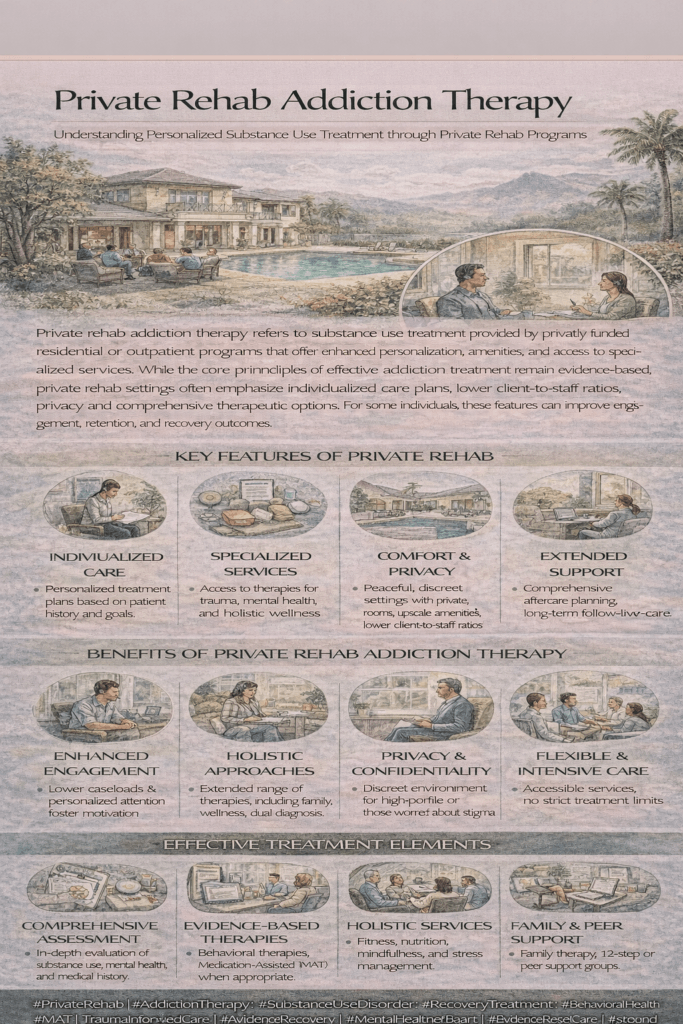
Private rehab centers are crucial in the battle against drug and alcohol addiction, offering personalized treatment plans, comfortable environments, and experienced staff to enhance recovery. However, they also pose challenges, such as high costs and variable care quality. Ethical dilemmas arise from profit motives versus patient care, as well as from issues of access and equity. Family support strategies, including education and the creation of supportive environments, are vital to enhancing treatment outcomes. Balancing these factors is essential for navigating the complexities of addiction treatment effectively.
Understanding Private Rehab: A Comprehensive Guide to Addiction Treatment
Private rehab refers to addiction treatment facilities that are privately owned and operated, offering specialized care for individuals struggling with drug and alcohol addiction. These centers provide a wide range of services designed to promote recovery and long-term sobriety, including medical detox, therapy programs, and ongoing support. Here’s an in-depth look at private rehab and its essential features in the context of addiction treatment:
Key Features of Private Rehab
- Personalized Treatment Plans:
- Customized Care: Private rehab centers prioritize individualized treatment plans. These are specifically tailored to address each patient’s unique addiction history, mental health conditions, and personal circumstances.
- Holistic Approaches: Many centers offer holistic therapies, such as yoga, meditation, nutritional counseling, and fitness programs, to enhance overall well-being during recovery.
- High-Quality Facilities and Amenities:
- Comfortable Environment: Private rehabs typically offer luxurious facilities, comfortable accommodations, recreational activities, and a serene atmosphere that fosters healing and recovery.
- Privacy and Confidentiality: These facilities emphasize discretion, allowing patients to focus on recovery in a safe, judgment-free environment.
- Experienced Staff:
- Qualified Professionals: Private rehabs employ highly trained and experienced staff, including doctors, nurses, counselors, and therapists with expertise in addiction treatment and mental health care.
- Personal Attention: With a low staff-to-patient ratio, these facilities offer personalized attention and care throughout recovery.
- Comprehensive Treatment Programs:
- Medical Detox: Many private rehabs offer medically supervised detoxification to help patients manage withdrawal symptoms safely before starting long-term treatment.
- Inpatient and Outpatient Options: Private rehabs offer both inpatient (residential) and outpatient treatment programs, allowing individuals to choose the option that best meets their needs.
- Evidence-Based Therapies: Treatment often includes evidence-based therapies, such as cognitive-behavioral therapy (CBT), dialectical behavior therapy (DBT), individual counseling, group therapy, and family therapy.
- Aftercare and Support:
- Continuing Care: Private rehabs typically offer vital aftercare programs to help patients maintain sobriety after completing primary treatment.
- Alumni Programs: Many centers also offer alumni programs that provide ongoing resources, support, and community involvement for graduates.
Private rehab plays a critical role in helping individuals recover from drug and alcohol addiction by offering personalized and comprehensive care in a safe, confidential setting. While the cost may be higher than public alternatives, the benefits of customized treatment plans, experienced staff, and a focus on holistic healing make private rehab a valuable choice for many. Increasing awareness and improving insurance coverage allow more people to access these transformative services and find lasting recovery.
The Advantages of Private Rehab for Drug and Alcohol Addiction
Private rehab centers offer several distinct advantages for individuals seeking treatment for drug and alcohol addiction. These facilities often provide a more personalized, comfortable, and comprehensive approach to recovery, making them a valuable option for those needing specialized care. Below are some of the key benefits of private rehab:
1. Personalized Treatment Plans
- Tailored Care: Private rehabs design individualized treatment plans that address each patient’s unique needs, addiction history, and personal circumstances. This customized approach enhances the effectiveness of the treatment.
- Holistic Therapies: Many private rehabs incorporate holistic therapies such as yoga, meditation, nutritional counseling, and fitness programs to support overall well-being and improve recovery outcomes.
2. High-Quality Facilities and Amenities
- Comfortable Environment: Private rehab centers often offer high-quality accommodations and amenities, creating a supportive, relaxed atmosphere conducive to healing.
- Privacy and Confidentiality: Emphasis on privacy allows patients to focus on their recovery without worrying about judgment or stigma, fostering a safer environment for self-reflection and growth.
3. Experienced and Qualified Staff
- Professional Care: Private rehabs employ highly trained and experienced staff, including doctors, nurses, therapists, and counselors specializing in addiction treatment and mental health care.
- Personal Attention: Lower staff-to-patient ratios give patients more individualized attention, ensuring their needs are met throughout treatment.
4. Comprehensive Treatment Programs
- Medical Detox: Many private rehabs offer medically supervised detox programs, ensuring that withdrawal symptoms are managed safely and patients are correctly assessed for the next phase of treatment.
- Inpatient and Outpatient Options: Patients can choose between inpatient (residential) and outpatient programs based on their specific needs, providing flexibility in care.
- Evidence-Based Therapies: Private rehabs often incorporate evidence-based therapies such as cognitive-behavioral therapy (CBT), dialectical behavior therapy (DBT), individual counseling, group therapy, and family counseling, all proven to be effective in treating addiction.
5. Focus on Dual Diagnosis
- Integrated Care: Many private rehab facilities are equipped to address co-occurring mental health disorders, providing integrated care for patients with a dual diagnosis of addiction and mental health issues.
6. Aftercare and Support
- Continuing Care: Private rehabs typically offer robust aftercare programs designed to help patients maintain sobriety after completing the primary phase of treatment.
- Alumni Programs: Many centers also offer alumni programs, which foster a sense of community and ongoing support for program graduates, which is vital for long-term recovery.
7. Reduced Waiting Times
- Immediate Access: Private rehabs often have shorter admissions waiting times than public facilities, ensuring that individuals can access the treatment they need when they need it most.
8. Enhanced Privacy
- Confidential Treatment: The focus on confidentiality ensures that treatment details remain private, which is especially important for high-profile individuals or those concerned about the stigma surrounding addiction.
Private rehab centers provide numerous advantages in the battle against drug and alcohol addiction. From personalized care plans and high-quality facilities to experienced staff and comprehensive treatment programs, these facilities offer a supportive environment that enhances recovery. While the cost may be higher than public options, the benefits—particularly privacy, immediate access, and tailored treatment—make private rehab a compelling choice for those seeking a successful path to recovery.
The Disadvantages of Private Rehab for Drug and Alcohol Addiction
While private rehab centers offer numerous benefits in treating drug and alcohol addiction, it’s essential to consider several disadvantages before deciding on a treatment facility. Here are some of the critical drawbacks associated with private rehab:
1. High Cost
- Expense: Private rehab can be prohibitively expensive, often costing tens of thousands of dollars for a month of treatment. This can create a significant barrier for many individuals seeking help.
- Limited Insurance Coverage: Not all insurance plans cover private rehab, and those that do may only cover part of the cost, leaving patients to pay substantial out-of-pocket expenses.
2. Variable Quality
- Inconsistent Standards: The quality of care can vary widely between private rehab facilities. While some offer exceptional treatment, others may lack adequate resources or expertise.
- Marketing vs. Reality: In some cases, private rehabs may prioritize marketing and appearances over high-quality care, creating a gap between advertised services and actual treatment.
3. Accessibility Issues
- Limited Availability: High demand for private rehab services can lead to limited availability and long waiting lists, which delay access to much-needed treatment.
- Geographical Limitations: Private rehabs are not always available in all regions, forcing some individuals to travel long distances, which can be costly and logistically challenging.
4. Potential for Less Oversight
- Regulatory Variations: Private rehabs may not be subject to the same level of oversight as public facilities, which can result in inconsistent treatment quality and varying safety standards.
- Proprietary Programs: Some private rehabs use proprietary or untested treatment methods that haven’t undergone independent evaluation, making it difficult to assess their effectiveness.
5. Stigma and Social Isolation
- Perceived Exclusivity: The exclusivity of private rehabs can sometimes foster perceptions of elitism or create stigma both for those seeking treatment and those who cannot afford it.
- Isolation from Broader Support Networks: Patients in private rehabs may be distanced from their broader social and community support systems, which are crucial for long-term recovery.
6. Focus on Amenities Over Treatment
- Amenity Focus: Some private rehabs may prioritize luxury accommodations and amenities over the comprehensiveness and quality of their addiction treatment programs. This focus can detract from the core objective of effective recovery.
7. Potential for Dependency on Treatment Setting
- Difficulty Transitioning: The structured, supportive environment in private rehabs can sometimes make it difficult for patients to transition back to everyday life, where such support may not be as readily available.
8. Ethical Concerns
- Profit Motive: The profit-driven nature of private rehab facilities can raise ethical concerns, including prioritizing financial gain over patient well-being and employing aggressive marketing tactics to attract clients.
While private rehabs offer personalized care, comfortable environments, and comprehensive treatment options, these advantages are tempered by several significant drawbacks. High costs, variable quality, accessibility challenges, and ethical concerns should be carefully weighed. Additionally, potential social isolation, limited oversight, and the transition back to daily life should be addressed when considering private rehab. Balancing these factors is essential in determining the most appropriate treatment setting for those struggling with drug and alcohol addiction.
Ethical Dilemmas in Private Rehab Centers: Balancing Profit and Patient Care
While private rehab centers offer significant advantages in treating drug and alcohol addiction, they also present several ethical dilemmas that require careful consideration. Below are some of the key challenges facing private rehabs:
1. Profit Motive vs. Patient Care
- Financial Incentives: Private rehabs are often driven by profit, which can sometimes conflict with patients’ best interests. Economic pressures may lead to prioritizing revenue over the highest-quality care.
- Overcharging: Some centers may charge exorbitant fees for services that could be offered at a lower cost, raising ethical concerns about fair pricing and access to treatment.
2. Access and Equity
- Affordability: The high cost of private rehab can make it inaccessible for many, especially those from lower socioeconomic backgrounds. This creates ethical issues around equity and whether everyone has the right to access effective addiction treatment.
- Selective Admission: Some private rehabs may admit patients based on their ability to pay or perceived likelihood of success, excluding those who need treatment most.
3. Quality of Care
- Inconsistent Standards: Without stringent oversight, the quality of care in private rehab centers can vary significantly. Some facilities may not provide adequate or evidence-based treatment, putting patients at risk.
- Marketing vs. Reality: Aggressive marketing campaigns may create unrealistic expectations, and the care delivered might not align with the advertised promises, leading to potential disappointment and harm.
4. Transparency and Informed Consent
- Lack of Transparency: Patients and their families may not always receive complete information about the methods, success rates, or potential risks involved in treatment, making informed consent challenging.
- Hidden Costs: Additional, undisclosed fees can burden families, leading to ethical concerns about transparency in pricing and financial practices.
5. Privacy and Confidentiality
- Confidentiality Breaches: Maintaining patient privacy is critical, but breaches can occur, especially in high-profile cases where confidentiality may be more challenging to protect.
- Data Usage: Using patient data for marketing or research without explicit consent raises serious ethical concerns about the handling of sensitive information and respect for patient privacy.
6. Exclusivity and Stigma
- Perceived Elitism: The luxurious nature of some private rehabs can create a perception of elitism, which can reinforce the stigma surrounding addiction, deterring those in need from seeking help.
- Social Isolation: Private rehabs often operate in isolated settings, potentially preventing patients from building critical support networks that are essential for long-term recovery.
7. Ethical Marketing Practices
- Misleading Claims: Some private rehabs use misleading success rates or testimonials to attract clients, raising ethical questions when the treatment does not meet expectations.
- Targeting Vulnerable Populations: Marketing that targets vulnerable individuals or families during crises can be exploitative, capitalizing on their desperation.
8. Treatment Philosophy and Approaches
- Lack of Evidence-Based Practices: Some private rehabs may offer alternative or unproven treatments, which lack scientific backing and may compromise patient outcomes.
- Proprietary Programs: Using proprietary methods not subject to independent evaluation can obscure the effectiveness of the care provided, posing risks to patients.
The ethical dilemmas associated with private rehab centers underscore the need for greater oversight and regulation to prioritize patient welfare over profit. Ensuring equitable access to care, maintaining transparency and informed consent, and adhering to evidence-based treatment practices are essential to fostering an ethical and supportive environment for individuals seeking recovery. Addressing these challenges will help private rehabs provide dignified, effective, practical recovery for all.
The Importance of Family Support in Private Rehab for Addiction Recovery
Family support is a crucial element in the recovery journey for individuals battling drug and alcohol addiction. When using private rehab facilities, families can play an essential role in improving treatment outcomes by offering emotional, practical, and ongoing support. Here are some effective family support strategies that can help during the rehab process:
1. Education and Awareness
- Understanding Addiction: Families should be educated about addiction, its effects on the brain, and the recovery process. This understanding fosters empathy and equips families to better support their loved ones.
- Treatment Process: Families need to be informed about the specifics of the treatment plan, including what to expect at different stages. Knowing how they can assist throughout the journey helps maintain a supportive atmosphere.
2. Involvement in the Treatment Process
- Family Therapy: Engaging in family therapy sessions offered by the rehab facility can address underlying family dynamics, communication challenges, and trust issues. These sessions provide a platform for healing and strengthening relationships.
- Regular Updates: Families should receive regular updates on their loved one’s progress to stay informed and involved in the recovery process.
3. Support Groups for Families
- Family Support Groups: Programs such as Al-Anon and Nar-Anon provide emotional support by connecting families with others facing similar challenges. This shared support helps reduce feelings of isolation.
- Peer Support Networks: Creating peer networks among rehab families offers opportunities to share experiences, strategies, and advice for managing recovery at home.
4. Building a Supportive Home Environment
- Create a Safe Space: When the individual returns home, ensure the environment is free of triggers and temptations to foster a safe, supportive atmosphere for recovery.
- Healthy Boundaries: Establish and maintain healthy boundaries to create a structured environment supporting the individual’s recovery while respecting personal space.
5. Encouraging Ongoing Recovery Efforts
- Aftercare Plans: Support the rehab center’s aftercare plan, which may include outpatient therapy, support groups, and counseling. This ongoing support is critical for maintaining sobriety.
- Continued Involvement: Stay involved by attending follow-up appointments, participating in family therapy, and encouraging participation in support groups post-rehab.
6. Emotional and Practical Support
- Active Listening: Practice nonjudgmental, active listening to understand your loved one’s challenges. This helps build trust and provides a space for open communication.
- Encouragement and Motivation: Provide positive reinforcement and encouragement to help sustain motivation and commitment to recovery.
7. Financial Support and Planning
- Insurance and Financing: Help clients navigate insurance and financing options for private rehab to ensure access to necessary treatments.
- Financial Management: Offer support in managing finances during and after rehab to ease stress and prevent financial worries from derailing recovery.
8. Participate in Rehabilitation Programs
- Family Programs: Participate in the rehab center’s workshops and family programs. These are designed to strengthen the family unit and reinforce support for long-term recovery.
- Skill-Building Workshops: Engage in skill-building workshops focusing on communication, coping strategies, and relapse prevention. These skills are vital for helping family members support their loved ones through the challenges of recovery.
9. Promote Healthy Lifestyle Choices
- Modeling Behavior: Set an example by modeling healthy lifestyle choices such as proper nutrition, regular exercise, and effective stress management.
- Shared Activities: Encourage shared activities that promote a balanced lifestyle, such as hiking, yoga, or other wellness routines that foster physical and emotional well-being.
Family support is a vital component of the successful recovery process for individuals battling addiction. Families can make a significant difference by participating in the treatment journey, engaging in family therapy, creating a supportive home environment, and encouraging ongoing recovery. Through education, emotional and practical support, and a commitment to healthy lifestyle choices, families can be instrumental in helping their loved ones achieve and maintain lasting recovery.
Frequently Asked Questions
Here are some common questions:
What is private rehab addiction therapy?
Private rehab addiction therapy is substance use treatment provided through privately funded residential or outpatient programs, often offering individualized care plans, enhanced privacy, and additional therapeutic services.
How is private rehab different from public or community-based treatment?
Private rehab typically has lower client-to-staff ratios, more flexible programming, greater privacy, and expanded therapy options, while public programs often prioritize accessibility and standardized care.
Does private rehab offer evidence-based treatment?
Some private rehab programs do, but not all. Quality depends on whether the program uses evidence-based therapies, medications for substance use disorder, and licensed clinical staff.
Are luxury amenities necessary for recovery?
No. Amenities may improve comfort and engagement, but they do not replace evidence-based care—clinical quality and aftercare planning matter far more than luxury features.
Who may benefit most from private rehab?
Individuals with complex mental health needs, high relapse risk, trauma histories, or those seeking privacy and intensive individualized care may benefit most.
Is private rehab more effective than public treatment?
Not inherently. Outcomes depend on treatment quality, medication use, continuity of care, and long-term support—not on cost or exclusivity.
Does private rehab use medications for addiction treatment?
Some programs do, but others avoid medication. Programs that integrate medication when clinically indicated generally have better outcomes.
Is private rehab confidential?
Most private rehabs emphasize confidentiality and discretion, which can reduce stigma-related barriers to seeking care.
How long do private rehab programs last?
Program length varies widely, from short residential stays to extended programs with step-down care and long-term aftercare services.
What should people look for when choosing a private rehab?
Key factors include evidence-based practices, licensed staff, medication availability, transparent outcomes, aftercare planning, and coordination with outpatient and community supports.
Conclusion
Private rehab centers represent a valuable resource in the fight against drug and alcohol addiction, offering personalized treatment plans, supportive environments, and experienced staff that can significantly aid in recovery. Despite their advantages, such as tailored care and comprehensive treatment options, private rehabs also pose challenges, including high costs, variable quality of care, and ethical dilemmas related to profit motives and access to treatment. Family support strategies play a crucial role in enhancing treatment outcomes by providing essential education, promoting engagement in therapy, and fostering a supportive home environment. By addressing these complexities with informed decision-making and a commitment to ethical care practices, private rehab centers can continue to play a pivotal role in supporting individuals on their journey to lasting recovery from addiction.
Video: How Personalized Addiction Care Saves Lives #recovery #addiction #health