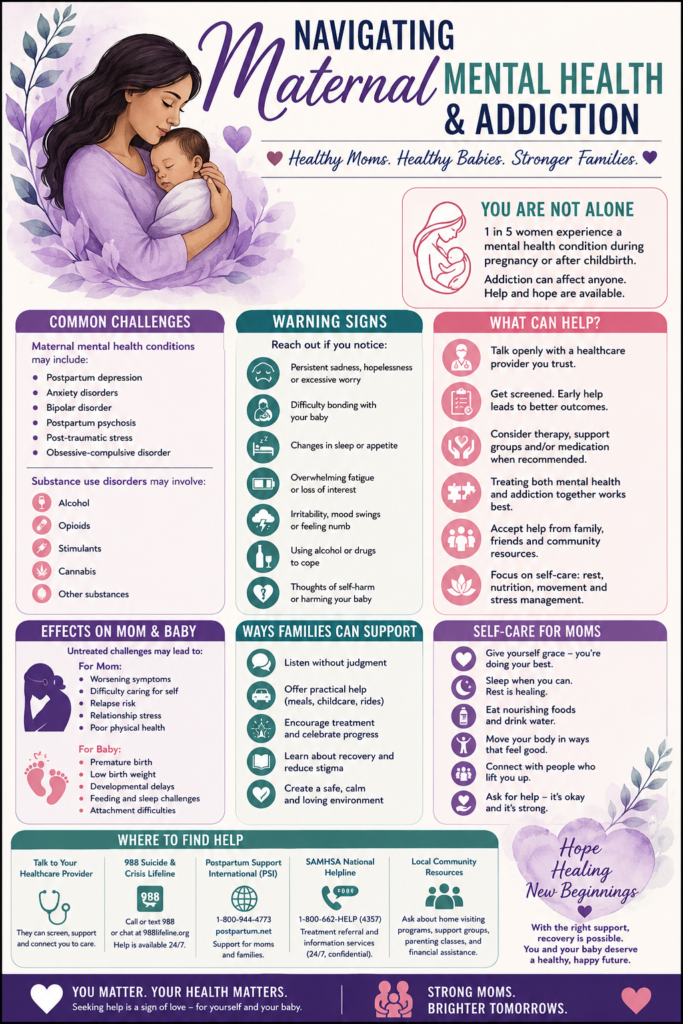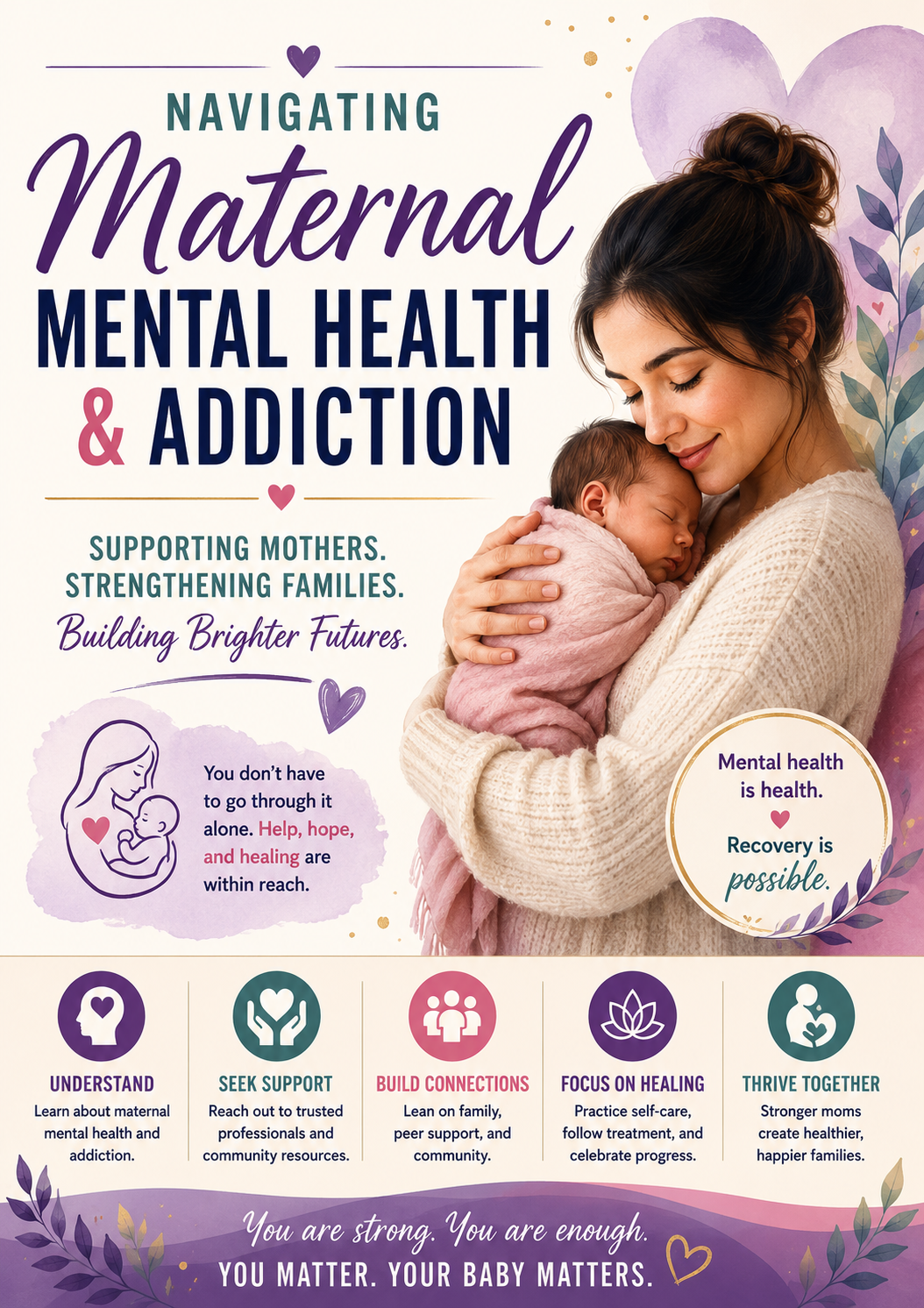
Maternal mental health and addiction are critical public health issues that affect the well-being of mothers, infants, families, and communities. Pregnancy and the postpartum period bring significant physical, emotional, hormonal, and social changes that can increase a woman’s vulnerability to mental health conditions such as depression, anxiety, bipolar disorder, and postpartum psychosis. Some women may also experience substance use disorders, while others face co-occurring mental health and addiction challenges that require specialized, integrated care. Early recognition of symptoms, compassionate support, and timely access to evidence-based treatment are essential for promoting healthy pregnancies, strengthening parent-child relationships, and improving long-term outcomes for both mother and child. Understanding the complex relationship between maternal mental health and addiction helps reduce stigma and encourages women to seek help without fear of judgment.
Navigating Maternal Mental Health and Addiction
Maternal mental health and addiction are closely connected and can significantly affect the health and well-being of mothers, infants, and families. Pregnancy and the first year after childbirth are periods of tremendous physical, emotional, and hormonal change. While many women adjust well, others experience mental health conditions such as depression, anxiety, bipolar disorder, or postpartum psychosis. Some may also struggle with substance use disorders (SUDs), either before pregnancy, during pregnancy, or after delivery. When mental health conditions and addiction occur together, they are known as co-occurring disorders or dual diagnosis, and they require integrated, evidence-based treatment that addresses both conditions simultaneously.
Maternal mental health conditions are common. The most frequently recognized is postpartum depression, which affects approximately 1 in 7 mothers, although many cases go undiagnosed or untreated. Other maternal mental health disorders include generalized anxiety disorder, panic disorder, obsessive-compulsive disorder (OCD), post-traumatic stress disorder (PTSD), bipolar disorder, and postpartum psychosis—a rare but serious psychiatric emergency that requires immediate medical attention. Hormonal changes, sleep deprivation, previous mental health conditions, stressful life events, financial hardship, lack of social support, and traumatic birth experiences can all increase the risk of developing these disorders.
Substance use disorders may involve alcohol, opioids, stimulants, cannabis, nicotine, sedatives, or other substances. Some women begin using substances before pregnancy and continue because of dependence, while others develop unhealthy coping behaviors during pregnancy or the postpartum period as they attempt to manage stress, anxiety, depression, trauma, or chronic pain. Unfortunately, substance use can worsen mental health symptoms, creating a cycle in which emotional distress leads to increased substance use, and substance use further intensifies depression or anxiety.
Women experiencing both mental illness and addiction often face significant barriers to seeking treatment. Fear of judgment, concerns about losing custody of their child, shame, stigma, financial limitations, transportation difficulties, lack of childcare, and limited access to specialized maternal behavioral health services may prevent women from asking for help. These barriers frequently delay treatment until symptoms become severe, increasing health risks for both mother and baby.
Risk Factors
Several factors increase the likelihood of maternal mental health disorders and substance use disorders, including:
- Previous depression, anxiety, bipolar disorder, or substance use disorder
- History of trauma or adverse childhood experiences
- Domestic violence or intimate partner violence
- Pregnancy complications
- Unplanned or high-risk pregnancy
- Financial hardship
- Limited social support
- Chronic medical conditions
- Sleep deprivation
- Family history of mental illness or addiction
Recognizing these risk factors allows healthcare providers to identify mothers who may benefit from closer monitoring and early intervention.
Common Warning Signs
Mothers experiencing mental health concerns or addiction may exhibit symptoms such as:
Emotional Symptoms
- Persistent sadness or hopelessness
- Excessive worry or anxiety
- Frequent crying
- Irritability
- Mood swings
- Feelings of guilt or worthlessness
- Difficulty bonding with the baby
- Feeling emotionally numb
Physical Symptoms
- Chronic fatigue
- Significant changes in sleep
- Appetite changes
- Frequent headaches
- Panic attacks
- Difficulty concentrating
Behavioral Symptoms
- Social withdrawal
- Missing prenatal or postpartum appointments
- Neglecting self-care
- Increased alcohol or drug use
- Difficulty caring for the infant
- Loss of interest in enjoyable activities
- Relationship problems
Any thoughts of harming oneself or the baby, hallucinations, severe confusion, or rapidly worsening mood require immediate emergency evaluation.
Effects on Mother and Infant
Untreated maternal mental illness and addiction can affect both maternal and infant health.
Potential maternal complications include:
- Worsening depression or anxiety
- Suicide risk
- Relapse of substance use
- Poor prenatal care
- Malnutrition
- Relationship difficulties
- Difficulty maintaining employment
- Chronic health problems
Potential infant complications include:
- Premature birth
- Low birth weight
- Neonatal withdrawal symptoms in some substance exposures
- Feeding difficulties
- Developmental delays
- Behavioral challenges
- Difficulty with parent-infant attachment
It is important to remember that these outcomes are risks, not certainties. Many mothers with mental health conditions or substance use disorders have healthy pregnancies and thriving children, especially when they receive timely, evidence-based care.
Importance of Integrated Treatment
The most effective approach combines treatment for both mental health conditions and substance use disorders. Care may involve:
- Prenatal and postpartum medical care
- Individual psychotherapy
- Cognitive Behavioral Therapy (CBT)
- Trauma-informed care
- Family therapy
- Peer recovery support
- Parenting education
- Medication management when appropriate
- Medications for opioid use disorder (MOUD), such as methadone or buprenorphine, when clinically indicated
- Case management and social services
Integrated care improves treatment engagement and reduces the likelihood of relapse.
Supporting Recovery
Recovery extends beyond symptom management. Long-term success is supported by:
- Regular follow-up with healthcare providers
- Safe and stable housing
- Reliable childcare
- Healthy nutrition
- Adequate sleep when possible
- Physical activity
- Strong family support
- Peer support groups
- Stress management techniques
- Continued mental health counseling
Parents should also develop a relapse prevention and wellness plan that identifies triggers, coping strategies, emergency contacts, and available community resources.
Reducing Stigma
Stigma remains one of the greatest barriers to care. Mothers may fear being labeled as “bad parents” or worry that asking for help will automatically result in losing custody of their children. In reality, healthcare professionals aim to protect the health and safety of both mother and child while supporting families whenever possible. Seeking treatment demonstrates a commitment to recovery and responsible parenting rather than failure.
Healthcare providers, families, employers, and communities all play important roles in creating supportive environments where mothers feel safe discussing mental health and substance use concerns without fear of judgment.
Conclusion
Navigating maternal mental health and addiction can be challenging, but recovery is achievable with timely, compassionate, and evidence-based care. Early recognition of symptoms, integrated treatment for co-occurring disorders, strong family involvement, and access to community resources can improve outcomes for both mother and child. Mental health conditions and substance use disorders are treatable medical conditions, not moral failings. By reducing stigma, expanding access to care, and supporting mothers throughout pregnancy and the postpartum period, communities can help families thrive and give children the healthiest possible start in life.
Self-Management Strategies to Understand Navigating Maternal Mental Health and Addiction
Pregnancy and the first year after childbirth are periods of significant physical, emotional, and psychological change. While many mothers experience occasional stress, mood swings, and fatigue, persistent mental health symptoms or substance use may indicate the need for professional support. Self-management strategies can help mothers recognize early warning signs, strengthen healthy coping skills, and actively participate in their recovery. These strategies are not a substitute for medical or mental health treatment but can complement professional care and promote long-term wellness for both mother and baby.
1. Learn About Maternal Mental Health
Understanding common maternal mental health conditions can help you recognize symptoms early and seek treatment before they become more severe.
Become familiar with conditions such as:
- Postpartum depression
- Postpartum anxiety
- Obsessive-compulsive disorder (OCD)
- Post-traumatic stress disorder (PTSD)
- Bipolar disorder
- Postpartum psychosis (a medical emergency)
- Substance use disorders
Knowing that these conditions are common and treatable can reduce fear and stigma.
2. Monitor Your Emotional Well-Being
Pay attention to your emotional health each day. Pregnancy and postpartum recovery involve many normal emotional changes, but symptoms that persist or worsen deserve attention.
Keep a journal to record:
- Your mood
- Anxiety levels
- Energy level
- Sleep quality
- Appetite
- Stress triggers
- Cravings for alcohol or drugs
- Positive experiences
- Questions for your healthcare provider
Tracking your symptoms can help identify patterns and provide useful information during medical appointments.
3. Recognize Early Warning Signs
Seek professional evaluation if you notice:
- Persistent sadness lasting more than two weeks
- Excessive worry or panic
- Frequent crying
- Feeling disconnected from your baby
- Difficulty bonding with your infant
- Loss of interest in activities
- Feelings of hopelessness or worthlessness
- Increased alcohol or drug use
- Thoughts of self-harm or harming your baby
Early intervention often leads to better outcomes for both mother and child.
4. Prioritize Sleep Whenever Possible
Sleep deprivation can worsen depression, anxiety, and cravings for substances.
Helpful strategies include:
- Sleeping when your baby sleeps.
- Accepting help with nighttime feedings when possible.
- Limiting screen time before bed.
- Creating a calming bedtime routine.
- Ask family members to assist with infant care so you can rest.
Even short periods of uninterrupted sleep can improve emotional well-being.
5. Maintain Healthy Nutrition and Hydration
Good nutrition supports both physical recovery and mental health.
Focus on:
- Fruits and vegetables
- Whole grains
- Lean protein
- Healthy fats
- Adequate hydration
- Limiting excessive caffeine
- Avoiding alcohol and non-prescribed substances
If breastfeeding, discuss nutritional needs and medication safety with your healthcare provider.
6. Practice Healthy Stress Management
Healthy coping skills reduce emotional distress and decrease the risk of substance use.
Consider:
- Deep breathing exercises
- Mindfulness meditation
- Gentle stretching
- Walking outdoors
- Prayer or spiritual practices
- Journaling
- Listening to calming music
- Reading
- Creative hobbies
Even 10–15 minutes of relaxation each day can improve emotional resilience.
7. Build a Strong Support System
Recovery is easier when you are surrounded by supportive people.
Stay connected with:
- Your partner
- Family members
- Trusted friends
- Healthcare providers
- Peer recovery groups
- Parenting support groups
- Faith communities
Accept help with meals, childcare, household chores, or transportation when it is offered.
8. Avoid Alcohol and Non-Prescribed Drugs
Alcohol and other substances may temporarily numb emotional pain, but often worsen depression, anxiety, sleep quality, and overall recovery.
If you are receiving treatment for a substance use disorder:
- Follow your treatment plan.
- Attend counseling appointments.
- Take medications exactly as prescribed.
- Participate in recovery support groups.
- Contact your healthcare provider if cravings increase.
Recovery is strengthened through consistency and honesty.
9. Keep All Prenatal and Postpartum Appointments
Regular medical visits provide opportunities to monitor both physical and emotional health.
During appointments:
- Share changes in your mood.
- Report substance cravings or relapse.
- Ask questions about medications.
- Discuss breastfeeding concerns.
- Complete recommended mental health screenings.
Open communication allows your healthcare team to provide timely support.
10. Create a Personal Wellness and Relapse Prevention Plan
Develop a written plan that includes:
- Daily self-care goals
- Stress management techniques
- Healthy coping strategies
- Emergency contact numbers
- Warning signs of worsening symptoms
- Follow-up appointment dates
- Recovery support meetings
- People you can call for help
Having a plan makes it easier to respond quickly if symptoms worsen.
11. Practice Self-Compassion
Many mothers place unrealistic expectations on themselves. Recovery and parenting are both learning processes.
Remind yourself:
- No parent is perfect.
- Asking for help is responsible.
- Healing takes time.
- Small improvements matter.
- Your well-being is essential for your baby’s well-being.
Replace self-criticism with kindness and patience.
12. Know When to Seek Immediate Help
Some symptoms require urgent medical attention.
Seek emergency care immediately if you experience:
- Thoughts of suicide or self-harm
- Thoughts of harming your baby
- Hallucinations or hearing voices
- Severe confusion
- Extreme mood changes
- Loss of touch with reality
These symptoms may indicate a psychiatric emergency, such as postpartum psychosis, and require immediate treatment.
Empowering Yourself Through Knowledge and Recovery
Managing maternal mental health and addiction begins with recognizing that both are treatable medical conditions, not personal failures. By learning about common warning signs, monitoring emotional health, practicing healthy coping skills, maintaining open communication with healthcare providers, and building a strong support network, mothers can actively participate in their recovery. Self-management is most effective when combined with professional care, family support, and community resources. Prioritizing your mental health not only benefits you but also strengthens your ability to care for your child, nurture healthy relationships, and build a safe, stable, and loving environment for your family’s future.
Family Support Strategies to Understand Navigating Maternal Mental Health and Addiction
Family members play an essential role in supporting mothers who are experiencing mental health challenges, substance use disorders, or both during pregnancy and the postpartum period. Compassionate family involvement can encourage early recognition of symptoms, improve treatment engagement, reduce feelings of isolation, and promote healthier outcomes for both mother and baby. Maternal mental health conditions and addiction are medical conditions—not signs of poor parenting or personal failure. When families approach these challenges with understanding rather than judgment, they become valuable partners in the recovery process.
1. Learn About Maternal Mental Health and Addiction
Educate yourself about common maternal mental health conditions and substance use disorders. Understanding these conditions helps family members respond with empathy rather than misunderstanding.
Learn about:
- Postpartum depression
- Postpartum anxiety
- Obsessive-compulsive disorder (OCD)
- Post-traumatic stress disorder (PTSD)
- Bipolar disorder
- Postpartum psychosis
- Alcohol use disorder
- Opioid use disorder
- Other substance use disorders
- Co-occurring mental health and substance use disorders
Knowing that these conditions are treatable reduces stigma and encourages supportive conversations.
2. Recognize Early Warning Signs
Family members are often the first to notice changes in a mother’s behavior or emotional well-being.
Watch for:
- Persistent sadness
- Frequent crying
- Excessive worry or panic
- Irritability or mood swings
- Difficulty bonding with the baby
- Withdrawal from family and friends
- Loss of interest in enjoyable activities
- Sleep disturbances beyond normal newborn care
- Feelings of hopelessness or worthlessness
- Increased alcohol or drug use
- Missing prenatal or postpartum appointments
Early recognition allows treatment to begin before symptoms become more severe.
3. Encourage Open and Honest Communication
Create a safe environment where the mother feels comfortable discussing her emotions without fear of criticism.
Supportive conversation starters include:
- “How have you really been feeling lately?”
- “I’ve noticed you’ve seemed overwhelmed. How can I help?”
- “You don’t have to go through this alone.”
- “It’s okay to ask for help.”
Listen without interrupting, minimizing, or immediately trying to solve the problem. Sometimes simply listening is one of the most valuable forms of support.
4. Reduce Stigma and Shame
Many mothers worry that admitting emotional struggles or substance use will make others think they are bad parents. Family members can help reduce these fears by reinforcing that mental health conditions and addiction are treatable medical conditions.
Avoid statements such as:
- “You should be happy.”
- “Other mothers handle this just fine.”
- “You’re overreacting.”
- “You just need to try harder.”
Instead, offer reassurance:
- “You’re doing your best.”
- “Asking for help is a sign of strength.”
- “Treatment can help you feel better.”
- “We’re here to support you.”
5. Encourage Professional Treatment
If symptoms persist, worsen, or interfere with daily functioning, encourage the mother to seek professional care.
Offer practical assistance by:
- Helping locate healthcare providers
- Scheduling appointments
- Providing transportation
- Watching the baby during appointments
- Assisting with insurance paperwork
- Encouraging follow-up visits
- Supporting participation in therapy or recovery programs
Professional treatment often includes counseling, medication when appropriate, peer support, and specialized maternal mental health services.
6. Help Reduce Daily Stress
The demands of caring for a newborn can feel overwhelming, particularly when a mother is experiencing depression, anxiety, or recovery from addiction.
Offer practical help by:
- Preparing meals
- Assisting with household chores
- Caring for the baby so the mother can rest
- Running errands
- Helping with older children
- Attending pediatric appointments when needed
Small acts of support can significantly reduce stress and improve recovery.
7. Encourage Healthy Lifestyle Habits
Families can promote emotional wellness by encouraging healthy daily routines.
Support:
- Regular meals
- Adequate hydration
- Healthy snacks
- Gentle physical activity when medically appropriate
- Opportunities for uninterrupted sleep
- Time outdoors
- Relaxation activities
- Medication adherence when prescribed
Healthy habits support both physical recovery and mental health.
8. Support Recovery From Substance Use Disorders
If the mother is receiving treatment for a substance use disorder:
- Encourage attendance at counseling sessions.
- Support participation in recovery meetings.
- Help create a substance-free home environment.
- Avoid keeping alcohol or non-prescribed drugs in the home when possible.
- Celebrate recovery milestones without judgment.
Recovery is a long-term process, and consistent family encouragement can reduce the risk of relapse.
9. Watch for Emergency Warning Signs
Seek immediate medical attention if the mother experiences:
- Thoughts of suicide
- Thoughts of harming the baby
- Hallucinations or hearing voices
- Severe confusion
- Extreme agitation
- Delusional beliefs
- Loss of touch with reality
These symptoms may indicate postpartum psychosis or another psychiatric emergency requiring immediate evaluation.
If you believe the mother or baby is in immediate danger, call 911 or seek emergency medical care. In the United States, the 988 Suicide & Crisis Lifeline is available by calling or texting 988 for immediate emotional support and crisis intervention.
10. Care for Yourself as a Family Caregiver
Supporting a loved one through maternal mental health challenges or addiction can be emotionally demanding. Family members should also protect their own well-being by:
- Maintaining healthy sleep habits
- Eating balanced meals
- Staying physically active
- Seeking counseling if needed
- Joining caregiver or family support groups
- Taking regular breaks
- Setting healthy boundaries
- Asking for help from other relatives or friends
Healthy caregivers are better able to provide consistent and compassionate support.
Building a Family-Centered Recovery Environment
Recovery from maternal mental health conditions and addiction is strengthened when families work together with healthcare providers to create a safe, supportive, and understanding environment. Open communication, patience, practical assistance, and encouragement to seek professional treatment can help mothers feel less isolated and more confident in their recovery. Families should remember that healing is a gradual process, and setbacks may occur, but consistent love, education, and support can make a profound difference. By recognizing that maternal mental health and addiction are treatable medical conditions, families help foster hope, resilience, and healthier futures for both mothers and their children.
Community Resource Strategies to Understand Navigating Maternal Mental Health and Addiction
Community resources are essential in helping mothers and families navigate maternal mental health conditions and substance use disorders during pregnancy and the postpartum period. Access to healthcare, mental health professionals, recovery services, parenting support, and social assistance can significantly improve outcomes for both mother and baby. Because many women face barriers such as stigma, financial challenges, transportation issues, limited childcare, or fear of judgment, community programs help ensure that mothers receive compassionate, evidence-based care and ongoing support throughout their recovery journey.
1. Access Prenatal and Postpartum Healthcare
Regular prenatal and postpartum medical care provides opportunities to identify mental health concerns and substance use early. Obstetricians, family physicians, midwives, pediatric providers, and primary care clinicians routinely screen for depression, anxiety, and substance use during pregnancy and after childbirth.
Healthcare providers can:
- Screen for postpartum depression and anxiety.
- Identify substance use disorders.
- Monitor maternal and infant health.
- Provide referrals to behavioral health specialists.
- Coordinate comprehensive treatment plans.
- Monitor medication safety during pregnancy and breastfeeding.
Keeping all prenatal and postpartum appointments increases the likelihood of early diagnosis and timely treatment.
2. Utilize Maternal Mental Health Specialists
Some healthcare systems offer professionals who specialize in caring for pregnant and postpartum women experiencing mental health challenges.
These specialists may include:
- Perinatal psychiatrists
- Maternal mental health therapists
- Reproductive psychiatrists
- Clinical psychologists
- Licensed professional counselors
- Psychiatric nurse practitioners
These providers understand the unique emotional, hormonal, and medical changes associated with pregnancy and the postpartum period.
3. Participate in Integrated Behavioral Health Programs
Many communities offer integrated treatment programs that address both mental health conditions and substance use disorders at the same time.
Services often include:
- Individual therapy
- Family counseling
- Medication management
- Prenatal care
- Substance use treatment
- Recovery coaching
- Parenting education
- Case management
- Relapse prevention planning
Integrated care is particularly beneficial for mothers experiencing co-occurring mental health and substance use disorders.
4. Join Peer Support Groups
Peer support groups connect mothers with others who have experienced similar challenges, helping reduce isolation and build confidence in recovery.
Support groups may focus on:
- Postpartum depression
- Anxiety disorders
- Recovery from substance use
- Parenting during recovery
- Pregnancy after addiction
- Mothers in long-term recovery
Benefits include emotional encouragement, practical advice, hope, accountability, and lasting social connections.
5. Utilize Home Visiting Programs
Many communities offer home visiting services for pregnant women and new mothers.
Home visitors may include:
- Registered nurses
- Social workers
- Community health workers
- Parent educators
These programs often provide:
- Parenting education
- Infant development guidance
- Mental health screening
- Breastfeeding support
- Safety education
- Referrals to community resources
Home visits help identify concerns early while supporting healthy family development.
6. Access Substance Use Treatment Programs Designed for Mothers
Specialized treatment programs recognize that mothers often face unique barriers to recovery.
Many programs offer:
- Pregnancy-specific addiction treatment
- Medication for opioid use disorder (MOUD)
- Child-friendly treatment environments
- Parenting classes
- Childcare services
- Family therapy
- Case management
- Relapse prevention education
Programs that allow mothers to remain with their children whenever safely possible can improve treatment engagement and family stability.
7. Utilize Public Health and Social Service Programs
Community agencies provide practical support that reduces stress and promotes recovery.
Available resources may include:
- Nutrition assistance programs
- Housing assistance
- Transportation services
- Childcare assistance
- Health insurance enrollment
- Employment support
- Domestic violence services
- Financial counseling
Meeting basic needs allows mothers to focus more fully on treatment and recovery.
8. Connect with Faith-Based and Community Organizations
Many faith communities and nonprofit organizations provide emotional, spiritual, and practical support.
These organizations may offer:
- Parenting support groups
- Meal assistance
- Volunteer childcare
- Counseling referrals
- Family mentoring
- Emergency financial assistance
- Community outreach programs
These services can reduce feelings of isolation and strengthen a mother’s support network.
9. Use Telehealth Services
Telehealth has expanded access to mental health and addiction treatment, particularly for mothers who have transportation challenges or limited childcare.
Telehealth services may include:
- Individual therapy
- Psychiatric evaluations
- Medication follow-up
- Recovery coaching
- Parenting education
- Virtual support groups
Virtual appointments increase flexibility while maintaining continuity of care.
10. Know When to Access Crisis Services
Some situations require immediate professional intervention.
Seek emergency assistance if a mother experiences:
- Thoughts of suicide
- Thoughts of harming her baby
- Hallucinations
- Delusions
- Severe confusion
- Extreme agitation
- Loss of touch with reality
These symptoms may indicate postpartum psychosis or another psychiatric emergency.
In the United States, individuals can call or text 988 to reach the 988 Suicide & Crisis Lifeline for immediate crisis support. If there is an immediate threat to the safety of the mother or infant, call 911 or seek emergency medical care.
11. Utilize Educational Programs and Parenting Classes
Community hospitals, health departments, and nonprofit organizations frequently offer educational programs that help parents understand mental health and healthy infant development.
Topics may include:
- Stress management
- Infant bonding
- Breastfeeding support
- Safe sleep practices
- Positive parenting techniques
- Maternal mental health awareness
- Recovery after substance use
- Building healthy family routines
Education empowers mothers and families to recognize warning signs early and seek help when needed.
12. Build a Long-Term Community Support Network
Recovery is strengthened through ongoing community connections. Mothers benefit from developing a network that may include:
- Obstetric providers
- Pediatricians
- Primary care providers
- Therapists
- Recovery coaches
- Peer support specialists
- Social workers
- Faith leaders
- Family members
- Trusted friends
Maintaining these relationships provides continued encouragement, accountability, and practical assistance throughout pregnancy, postpartum recovery, and early parenting.
Strengthening Communities to Support Mothers and Families
Communities have a powerful role in promoting maternal mental health and recovery from addiction by providing accessible healthcare, integrated behavioral health services, peer support, parenting education, and practical assistance. When healthcare systems, social service agencies, faith communities, nonprofit organizations, and families work together, mothers are more likely to receive early intervention, remain engaged in treatment, and build healthy relationships with their children. Reducing stigma, expanding access to evidence-based care, and supporting mothers with compassion and respect create stronger families and healthier communities. Every mother deserves the opportunity to receive timely care, recover with dignity, and provide a safe, nurturing environment where both she and her child can thrive.
Frequently Asked Questions
Here are some common questions:
1. What is maternal mental health?
Answer:
Maternal mental health refers to a woman’s emotional, psychological, and social well-being during pregnancy and throughout the first year after childbirth. It includes conditions such as postpartum depression, anxiety, bipolar disorder, obsessive-compulsive disorder (OCD), post-traumatic stress disorder (PTSD), and postpartum psychosis.
2. What is the connection between maternal mental health and addiction?
Answer:
Mental health conditions and substance use disorders often occur together. Some women use alcohol or drugs to cope with depression, anxiety, trauma, or overwhelming stress, while substance use itself can worsen mental health symptoms. Treating both conditions together—known as integrated or dual-diagnosis care—typically leads to better outcomes than treating each condition separately.
3. What are the most common maternal mental health conditions?
Answer:
Common conditions include:
- Postpartum depression
- Postpartum anxiety
- Generalized anxiety disorder
- Panic disorder
- Obsessive-compulsive disorder (OCD)
- Bipolar disorder
- Post-traumatic stress disorder (PTSD)
- Postpartum psychosis (a rare but serious emergency)
Early recognition and treatment improve recovery and support healthy bonding between mother and baby.
4. What are the warning signs that a mother may need professional help?
Answer:
Warning signs include:
- Persistent sadness or hopelessness
- Excessive worry or panic
- Difficulty bonding with the baby
- Severe mood swings
- Frequent crying
- Sleep or appetite changes beyond normal newborn care
- Social withdrawal
- Loss of interest in enjoyable activities
- Increased alcohol or drug use
- Thoughts of self-harm or harming the baby
Any symptoms that persist or worsen should be evaluated by a healthcare professional.
5. Is it common to experience depression or anxiety after childbirth?
Answer:
Yes. Many women experience temporary mood changes known as the “baby blues” during the first few days after delivery. However, if symptoms last longer than two weeks, become severe, or interfere with daily functioning, they may indicate postpartum depression or another mental health condition that requires professional treatment.
6. Can pregnancy or childbirth increase the risk of substance use relapse?
Answer:
Yes. Hormonal changes, sleep deprivation, stress, chronic pain, trauma, and emotional challenges associated with pregnancy and caring for a newborn can increase the risk of relapse for women recovering from substance use disorders. Ongoing treatment and support are essential during this period.
7. Can mothers safely receive treatment during pregnancy or while breastfeeding?
Answer:
Yes. Many mental health treatments, including psychotherapy and certain medications, can be safely used during pregnancy or breastfeeding under the guidance of a healthcare provider. Decisions should always be individualized, balancing the benefits of treatment with potential risks. Untreated mental illness can also pose significant risks to both the mother and baby.
8. What treatments are available for maternal mental health and addiction?
Answer:
Treatment may include:
- Individual counseling
- Cognitive Behavioral Therapy (CBT)
- Trauma-informed therapy
- Family therapy
- Peer support groups
- Medication when appropriate
- Medication for opioid use disorder (MOUD), such as methadone or buprenorphine
- Parenting education
- Recovery coaching
- Integrated behavioral health programs
Treatment plans are tailored to each mother’s unique needs.
9. What is postpartum psychosis?
Answer:
Postpartum psychosis is a rare but life-threatening psychiatric emergency that usually develops within the first few weeks after childbirth. Symptoms may include hallucinations, delusions, severe confusion, extreme mood changes, agitation, or thoughts of harming oneself or the baby. Immediate emergency medical evaluation is required.
10. How can family members support a mother who is struggling?
Answer:
Families can help by:
- Listening without judgment
- Learning about maternal mental health and addiction
- Encouraging professional treatment
- Assisting with childcare and household responsibilities
- Attending appointments if requested
- Supporting medication adherence and therapy participation
- Watching for worsening symptoms or signs of crisis
Compassion and practical support can significantly improve recovery.
11. Does seeking help mean someone is a bad mother?
Answer:
No. Seeking professional help is a sign of strength, responsibility, and commitment to both personal health and the child’s well-being. Mental health conditions and substance use disorders are medical conditions—not character flaws or signs of poor parenting.
12. Can substance use affect the baby?
Answer:
Yes. Alcohol, tobacco, opioids, stimulants, and other substances may affect fetal development or newborn health, depending on the substance, timing, amount used, and other factors. However, early prenatal care, honest communication with healthcare providers, and appropriate treatment can greatly improve outcomes for both mother and baby.
13. What can mothers do to support their own recovery?
Answer:
Helpful self-care strategies include:
- Attending prenatal and postpartum appointments
- Following the treatment plan
- Getting as much rest as possible
- Eating nutritious meals
- Staying hydrated
- Accepting help from family and friends
- Participating in counseling or support groups
- Avoiding alcohol and non-prescribed drugs
- Practicing stress management techniques
Recovery is strengthened by combining healthy habits with professional care.
14. What community resources are available for mothers?
Answer:
Many communities offer:
- Community mental health centers
- Perinatal mental health specialists
- Home visiting programs
- Parenting classes
- Peer recovery support groups
- Substance use treatment programs for mothers
- Public health services
- Telehealth counseling
- Nutrition and childcare assistance
- Faith-based and nonprofit support programs
These resources help reduce barriers to care and support long-term recovery.
15. When should emergency help be sought?
Answer:
Seek immediate emergency care if a mother:
- Talks about suicide or self-harm
- Expresses thoughts of harming her baby
- Experiences hallucinations or delusions
- Becomes severely confused or disoriented
- Loses touch with reality
- Is unable to care for herself or her infant due to severe mental illness
In the United States, call or text 988 to reach the 988 Suicide & Crisis Lifeline for immediate support. If there is an immediate threat to the safety of the mother or baby, call 911 or go to the nearest emergency department.
16. Can mothers recover from mental health conditions and addiction?
Answer:
Yes. With early diagnosis, evidence-based treatment, family support, and access to community resources, many mothers recover successfully and build healthy, fulfilling lives with their children. Recovery is often a gradual process, and setbacks may occur, but ongoing care, patience, and support greatly improve long-term outcomes.
17. Why is early intervention so important?
Answer:
Early identification and treatment can:
- Reduce the severity of symptoms
- Improve maternal health
- Strengthen parent-infant bonding
- Lower the risk of substance use relapse
- Improve infant development
- Enhance family relationships
- Prevent mental health crises
- Support long-term recovery
Early intervention gives mothers and babies the best opportunity for a healthy future.
18. What is the most important message about maternal mental health and addiction?
Answer:
Maternal mental health conditions and substance use disorders are treatable medical conditions, and no mother should feel ashamed to seek help. Recovery is possible with compassionate, evidence-based care, strong family support, and accessible community resources. By recognizing symptoms early, reducing stigma, and encouraging timely treatment, families and healthcare providers can help mothers regain their health, strengthen their relationships with their children, and build safe, loving, and resilient families.
Conclusion
Navigating maternal mental health and addiction requires a comprehensive, family-centered approach that recognizes these conditions as treatable medical illnesses rather than personal failures. Recovery is strengthened through early screening, integrated behavioral health care, prenatal and postpartum medical support, family involvement, peer support, and access to community resources. Mothers who receive timely treatment can successfully manage their mental health, maintain recovery from substance use disorders, and build strong, healthy bonds with their children. By promoting education, reducing stigma, expanding access to quality healthcare, and encouraging compassionate support, families, healthcare providers, and communities can help mothers achieve lasting recovery and create nurturing environments in which both mothers and their children can thrive.
Video: Postpartum Addiction Is More Common Than You Think #awareness #recovery