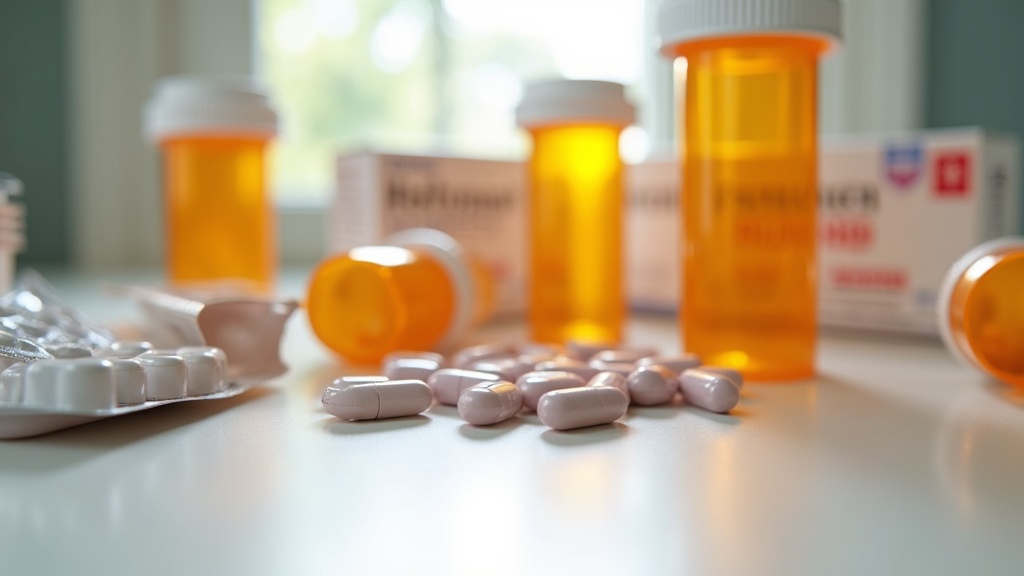
Overdose is often linked to addiction in most people’s minds, but that connection can be a little misleading. Realistically, an overdose can happen even if someone doesn’t struggle with a substance use disorder. I think it’s essential to unpack how this happens, who’s at risk, and what steps can help reduce those risks.
How Overdose Happens Without Addiction
An overdose means taking more of a substance than the body can safely handle. Addiction isn’t a prerequisite. Sometimes, a miscalculation, misunderstanding, or even an honest mistake can lead to dangerous situations. Medication errors, unexpected reactions, and sudden changes in health all play a part. So, it’s not about dependency or frequent use; it’s about how much enters your body once.
For example, a person might take two types of medication, not realizing they work similarly and intensify each other’s effects. Or someone may follow outdated dosage advice and end up with too much of an opioid, sedative, or even an over-the-counter cold medicine. The body is not ready for that much input and reacts dramatically.
Situations That Can Lead to Nonaddictive Overdose
It’s easy to think only people who use drugs frequently are at risk, but everyday situations can also result in overdose. You might be surprised at how often this pops up:
- Accidental Double Dosing: Taking an extra pill by mistake can happen to anyone. It’s even more likely if several people in a household use similar medications or if there’s confusion over schedules.
- Mixing Prescriptions: Combining different medications, sometimes even ones prescribed by separate doctors, can prevent risky drug interactions.
- Alcohol and Medication: Having a drink while on painkillers, sleep aids, or antidepressants sometimes boosts their effects in ways that aren’t obvious at first.
- First-time or Rare Use: Someone prescribed a potent opioid for surgery recovery, who’s never taken anything similar, faces a much higher risk if the starting dose is too high for their system.
- Changing Health Status: Liver or kidney issues, dehydration, or sudden illness can change how the body processes drugs, making a previously safe dose risky.
Common Substances Tied to Accidental Overdose
The term “overdose” isn’t limited to illegal drugs. Plenty of legitimate medications and over-the-counter products can cause trouble when things go sideways. Common culprits include:
- Opioid Pain Relievers: Oxycodone, hydrocodone, morphine, and similar drugs can easily overload a first-timer’s system.
- Benzodiazepines: Medications for anxiety or insomnia, like Xanax or Valium, depress the central nervous system and may interact with other sedatives or alcohol.
- Acetaminophen: Too much Tylenol (or similar products) can cause liver damage. The danger can sneak up because acetaminophen is found in countless cold and flu medicines.
- Illicit Substances: Even people experimenting with drugs once can overdose, especially with unpredictable substances like fentanyl.
How the Body Reacts During an Overdose
The body can’t keep up when too much substance is on board. With opioids, breathing slows down and may stop. With sedatives, you might get dangerously sleepy or pass out. Stimulant overdoses, like too much cocaine or amphetamines, can cause seizures or heart problems. Acetaminophen mainly attacks the liver, and symptoms might not show up until the damage is done.
Most of the time, overdose looks different depending on what was taken, but common warning signs include:
- Extreme drowsiness or inability to wake up
- Slowed or irregular breathing
- Bluish lips or fingertips
- Seizures or muscle twitching
- Confusion or hallucination
- Severe nausea or vomiting
- Chest pain or rapid pulse
Any of these should be treated seriously. Calling for medical help is always safer if you’re unsure.
Groups Who Might Be at Greater Risk (Unexpectedly)
It’s easy to assume that only young people experimenting or people with substance use histories end up in trouble. Still, plenty of people who don’t fit those stereotypes face risk. Here are some groups I’ve noticed are often at higher risk, sometimes without realizing it:
- Older Adults: Polypharmacy is common, and metabolism changes with age. This means drugs can stick around longer or interact in surprising ways.
- Children: A kid finding and swallowing medications, even vitamins or over-the-counter pain relievers, can overdose before anyone notices.
- People With Chronic Illness: Changes in kidney or liver function or frequent hospitalizations can mean new meds get added without considering the complete list.
- People With Language Barriers or Low Health Literacy: Dosing mistakes sometimes happen because instructions are too strict to understand or get lost in translation.
Practical Prevention Steps: What Actually Helps
Preventing overdose when there’s no ongoing addiction is all about practical habits and communication. Here are some ways I’ve found to help lower risk:
- Keep a Complete List of Medications, including over-the-counter and herbal products. Having everything written down helps doctors and pharmacists spot risky combinations.
- Double-Check Labels and Instructions: Before taking new medications, know the exact dosage, timing, and possible interactions. If something isn’t clear, call a pharmacist to check.
- Use a Pill Organizer: Helps prevent double-dosing, especially for people managing several meds at once.
- Store Medications Safely: Keep medications out of reach from kids and away from places where someone could accidentally grab the wrong bottle.
- Avoid Sharing Medications: What’s safe for one person might not be safe for another, even if the symptoms look the same.
- Be Cautious with Alcohol and Supplements: Mixing alcohol or certain supplements with prescription or over-the-counter meds sometimes changes the way drugs work or increases side effects.
- Have a Plan for Emergencies: Know what to do and who to call if someone appears to have a poor reaction to a dose. Quick action really makes a difference.
Common Questions About Overdose Without Addiction
Here are some things people often ask when they hear that overdose can happen without addiction:
Is one-time use really that risky?
Yes, especially with potent substances or in people who are drug naive. It’s not about the length of exposure. It’s about sensitivity and dose.
How can someone accidentally overdose on prescribed medication?
Doctors try to be careful, but mistakes happen. Interactions, a missed warning about alcohol, or a new health problem can all change what’s safe. That’s why having those open, honest chats with healthcare providers is super important.
Are there signs I should look for if I’m worried about someone’s reaction?
Breathing problems, confusion, trouble waking up, or seizures all mean you should get help fast.
What should I do if I suspect an overdose?
Call emergency services immediately. Stay with the person; if you know the substance, let the responders know. If naloxone (Narcan) is available and an opioid is involved, use it right away.
Why This All Matters
Being aware that overdose isn’t just linked to addiction helps break down stigma. It also means more people can keep themselves and loved ones safe by thinking differently about how medications are handled. Honest conversations with doctors, smart medication habits, and paying attention to changes in health or medicines make a huge difference. Overdose prevention isn’t just for people with addiction histories. It’s for everyone who takes, handles, or prescribes medications.
Being mindful about doses, asking questions, and treating every prescription respectfully helps protect anyone, regardless of their history. Knowledge plays a massive role in keeping ourselves and our communities safer.
Never hesitate to check in with your healthcare provider or pharmacist if unsure about a medication or potential risk. Taking that extra step can be lifesaving, and it encourages others around you to do the same. Looking out for yourself and others goes a long way in preventing tragedies and making medications as safe and effective as possible for everyone.
Video: The SHOCKING Truth About Overdose Risks
