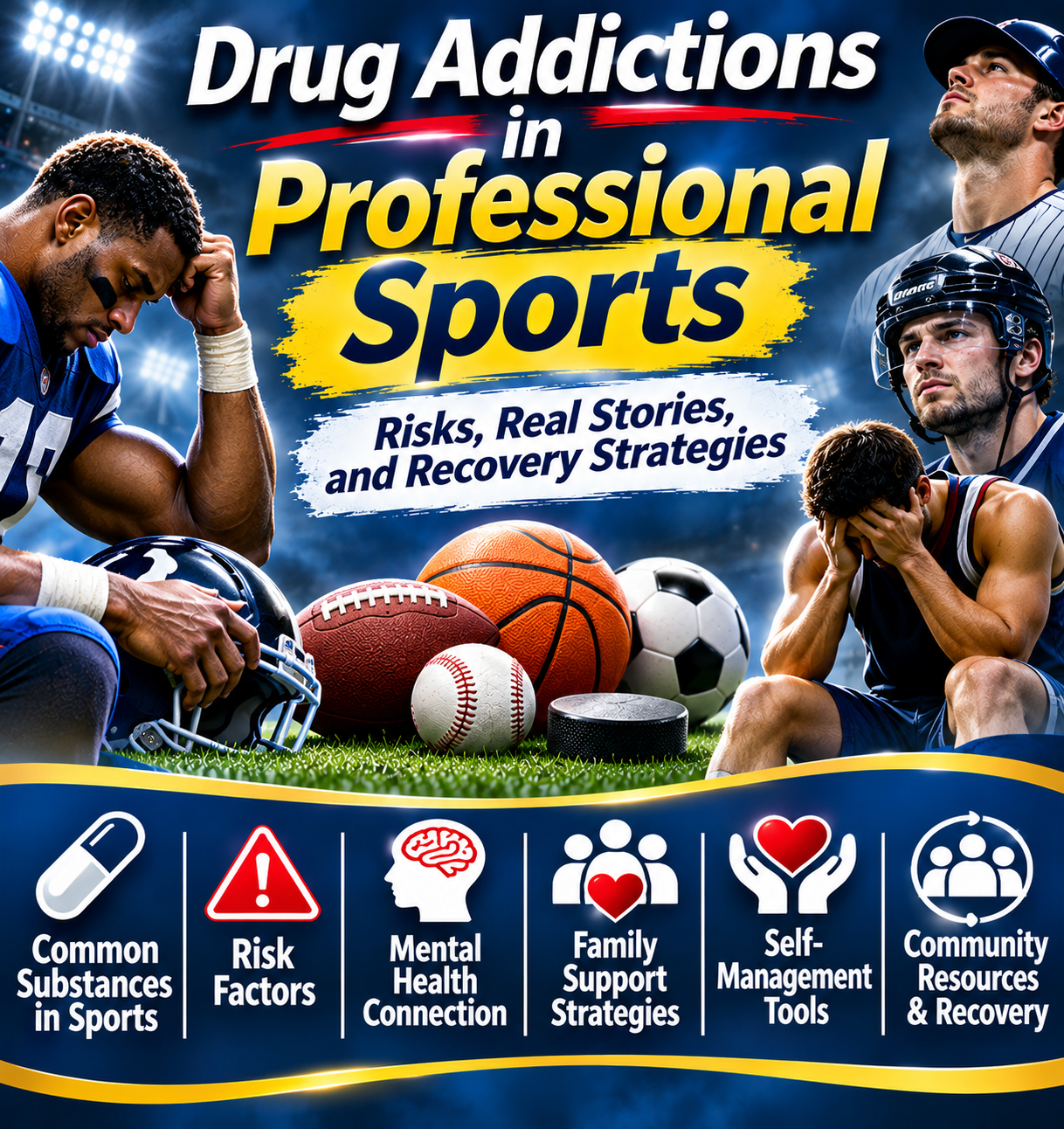
Can professional athletes who demonstrate extraordinary strength, discipline, and determination also struggle with drug addiction?
Professional athletes are often admired for their physical abilities, competitive spirit, and dedication to excellence. However, behind championship victories, lucrative contracts, and public recognition, some athletes experience significant challenges involving chronic pain, prescription medication misuse, mental health concerns, and substance use disorders.
The demands of professional sports can create unique vulnerabilities. Repeated injuries, pressure to perform, intense training schedules, public scrutiny, and career uncertainty may contribute to unhealthy substance use.
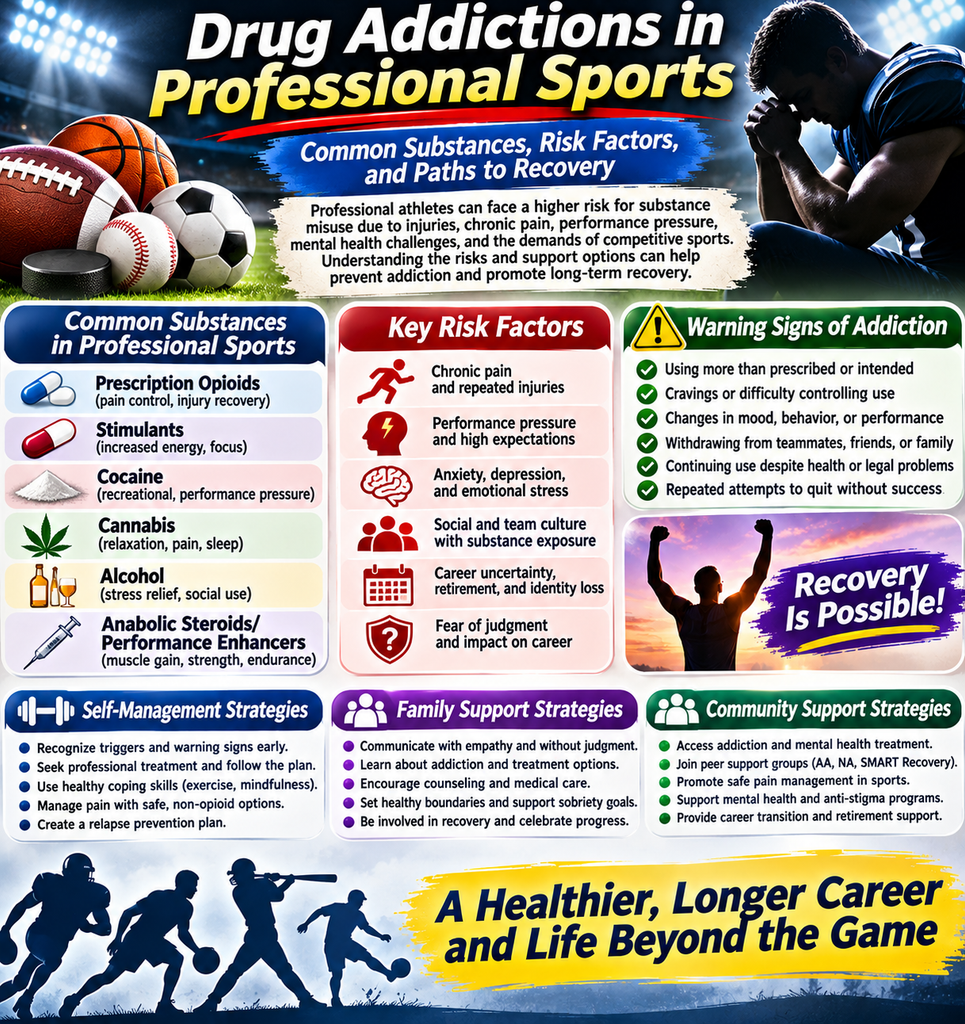
Substances of concern include prescription opioids, stimulants, cocaine, cannabis, alcohol, and performance-enhancing drugs. These substances differ substantially in their effects, medical uses, addiction potential, and health risks.
Although substance use disorders affect individuals across all professions, athletes may face additional barriers to seeking treatment because of concerns about their careers, reputations, and financial stability.
Understanding drug addiction in professional sports requires examining the relationship between physical injuries, psychological stress, substance use, and access to appropriate healthcare.
Through effective self-management, compassionate family involvement, and comprehensive community support, athletes experiencing addiction can receive treatment, strengthen recovery, and rebuild healthier lives.
Understanding Substance Use Disorders in Professional Sports
Substance use disorder is a medical condition characterized by a problematic pattern of substance use that leads to significant impairment or distress.
Professional athletes are not necessarily more likely than the general population to develop every type of substance use disorder. Risk varies by sport, substance, age, injury history, and other factors.
However, the environment surrounding professional athletics can create circumstances that increase vulnerability to certain forms of substance misuse.
Why Are Some Professional Athletes Vulnerable to Addiction?
Several factors may contribute to substance use problems:
- Chronic pain and injuries: Repeated physical trauma may increase exposure to prescription pain medications.
- Performance pressure: Athletes may experience anxiety related to competition, contracts, and expectations.
- Mental health challenges: Depression, anxiety, trauma, and sleep disturbances can complicate substance use.
- Career instability: Injuries, retirement, or declining performance may contribute to emotional distress.
- Social environments: Celebrations, travel, and team culture may normalize certain substance-related behaviors.
- Fear of judgment: Athletes may avoid treatment because they fear public criticism.
- Medication access: Treatment for injuries or other medical conditions may involve medications with misuse potential.
These factors do not mean addiction is inevitable. Many athletes manage similar pressures without developing substance use disorders.
Common Types of Substance Misuse in Professional Sports
Different substances present different health risks and treatment needs.
1. Prescription Opioid Misuse
Prescription opioids are sometimes used to manage severe pain following injuries or surgery.
Common examples include:
- Oxycodone.
- Hydrocodone.
- Morphine.
- Hydromorphone.
- Fentanyl, when medically prescribed.
Although opioids can provide effective short-term pain relief in selected circumstances, prolonged use increases the risk of physical dependence, overdose, and opioid use disorder.
Athletes experiencing persistent pain may feel pressure to continue competing despite injuries, potentially complicating medication decisions.
2. Stimulant Misuse
Prescription stimulants, such as amphetamine-based medications and methylphenidate, are used to treat conditions including attention-deficit/hyperactivity disorder.
However, nonmedical stimulant use may occur when individuals seek increased alertness, energy, or concentration.
Potential complications include:
- Elevated heart rate and blood pressure.
- Anxiety and agitation.
- Sleep disturbances.
- Cardiovascular complications.
- Dependence and stimulant use disorder.
Appropriately prescribed stimulant treatment for a diagnosed medical condition should not be confused with misuse.
3. Cocaine Use
Cocaine is a powerful stimulant associated with increased dopamine signaling and significant cardiovascular risks.
Its use may occur in recreational or social settings rather than directly for athletic performance.
Potential consequences include:
- Heart attack and abnormal heart rhythms.
- Stroke.
- Anxiety and paranoia.
- Sleep disturbances.
- Impaired judgment.
- Cocaine use disorder.
Cocaine can cause serious cardiovascular complications even in physically fit individuals.
4. Cannabis Use
Cannabis is sometimes used by athletes for relaxation, sleep, or perceived pain relief.
However, frequent use may impair attention, reaction time, memory, and coordination.
Some individuals develop cannabis use disorder, characterized by impaired control and continued use despite negative consequences.
Cannabis policies vary among professional sports organizations, and cannabis use alone does not establish addiction.
5. Alcohol Misuse
Although alcohol is legally available to adults, excessive consumption can create serious health and performance consequences.
Alcohol misuse may contribute to:
- Impaired coordination and reaction time.
- Dehydration.
- Sleep disturbances.
- Poor recovery following exercise.
- Liver disease.
- Cardiovascular complications.
- Alcohol use disorder.
Alcohol use may become particularly problematic when athletes rely on drinking to cope with stress, pain, or emotional distress.
6. Anabolic Steroids and Other Performance-Enhancing Drugs
Some athletes misuse anabolic-androgenic steroids or other performance-enhancing substances to increase muscle mass, strength, or competitive performance.
Potential complications include:
- Cardiovascular disease.
- Hormonal disturbances.
- Liver injury associated with certain agents.
- Mood and behavioral changes.
- Reproductive health problems.
- Dependence and withdrawal symptoms.
Performance-enhancing drug misuse is not identical to addiction. However, some individuals develop compulsive patterns of use and experience significant physical or psychological harm.
Professional Athletes Who Have Publicly Discussed Addiction
Several well-known athletes have shared their experiences with substance use disorders, helping increase public awareness and reduce stigma.
Trump pardons former Mets great Darryl Strawberry on past tax evasion and drug charges
Darryl Strawberry — Cocaine and Alcohol Addiction
The former Major League Baseball star experienced substance use problems involving cocaine and alcohol. He has discussed repeated treatment, legal difficulties, and the importance of faith, family, and ongoing recovery support.
CC Sabathia — Alcohol Addiction
The former New York Yankees pitcher entered alcohol rehabilitation in 2015. He has since discussed his recovery and encouraged others to seek treatment rather than conceal their struggles.
Josh Hamilton — Alcohol and Drug Addiction
Hamilton publicly discussed struggles involving cocaine and alcohol, along with periods of recovery and recurrence. His experiences illustrate the importance of continued treatment and support.
Brett Favre — The Movie Database (TMDB)
Brett Favre — Prescription Painkiller Addiction
The former NFL quarterback publicly acknowledged dependence on prescription painkillers, including Vicodin, during his playing career. His experiences highlight the risks associated with managing athletic injuries through opioids.
These athletes’ experiences differ, and their personal treatment decisions should not be assumed to represent the best approach for everyone.
The Connection Between Athletic Injuries, Chronic Pain, and Addiction
Professional athletes frequently experience musculoskeletal injuries, including ligament tears, fractures, spinal injuries, and joint damage.
Repeated injuries may produce persistent pain that affects sleep, emotional health, and athletic performance.
When pain management relies heavily on prescription opioids, some individuals may develop physical dependence or opioid use disorder.
A comprehensive approach should include:
- Appropriate injury assessment and diagnosis.
- Physical therapy and rehabilitation.
- Nonopioid pain management when clinically appropriate.
- Mental health screening.
- Medication monitoring and safety education.
- Shared decision-making about return-to-play expectations.
Athletes should never feel pressured to misuse medication or conceal symptoms to remain competitive.
Self-Management Strategies for Athletes Experiencing Addiction
Self-management involves recognizing substance-related problems, participating in treatment, and developing healthy coping skills.
1. Recognize Early Warning Signs
Athletes should understand that addiction may develop gradually.
Warning signs include:
- Using medication more frequently than prescribed.
- Experiencing cravings or difficulty controlling substance use.
- Continuing substance use despite negative consequences.
- Using drugs or alcohol to manage emotional distress.
- Withdrawing from teammates, friends, or family.
- Experiencing significant mood or behavioral changes.
- Repeatedly attempting to stop without success.
2. Seek Professional Addiction Treatment
Evidence-based addiction treatment should be individualized according to the substance involved and the person’s medical needs.
Options include:
- Opioid use disorder: Buprenorphine or methadone, with extended-release naltrexone appropriate for selected patients.
- Alcohol use disorder: Naltrexone, acamprosate, or disulfiram when clinically appropriate.
- Stimulant use disorder: Behavioral interventions, particularly contingency management, which has strong evidence for improving treatment outcomes.
- Cannabis use disorder: Behavioral therapies, including cognitive behavioral therapy and motivational enhancement therapy.
- Co-occurring mental health conditions: Integrated psychiatric and addiction treatment.
Withdrawal from alcohol or certain sedative medications can be life-threatening and may require medically supervised care.
3. Develop Healthy Stress-Management Skills
Athletes can reduce reliance on substances by practicing healthier coping techniques.
Strategies include:
- Mindfulness and relaxation exercises.
- Cognitive behavioral techniques.
- Individual counseling.
- Maintaining consistent sleep routines.
- Participating in hobbies outside competitive sports.
- Building supportive relationships.
- Developing realistic expectations about performance and recovery.
4. Establish a Relapse Prevention Plan
A prevention plan should identify personal triggers, high-risk situations, and appropriate responses.
Important components include:
- Recognizing early warning signs.
- Maintaining scheduled treatment appointments.
- Continuing prescribed addiction medications.
- Developing a trusted support network.
- Planning for travel, injuries, and stressful competitions.
- Seeking additional treatment if substance use resumes.
- Keeping naloxone available when opioid overdose is a concern.
Recovery is not always linear. A return to substance use should prompt treatment reassessment rather than shame.
5. Prepare for Life Beyond Professional Sports
Retirement, injury-related career changes, and loss of athletic identity may create emotional challenges.
Athletes can prepare by developing interests, educational goals, financial plans, and meaningful relationships outside their sport.
Professional counseling can also help individuals navigate career transitions.
Family Support Strategies for Athletes Struggling With Addiction
Family members often provide emotional stability during difficult periods involving injury, substance use, and career uncertainty.
1. Encourage Open Communication
Families should approach addiction discussions with empathy rather than criticism.
Helpful strategies include:
- Expressing concern about specific behaviors.
- Listening without judgment.
- Encouraging professional assessment.
- Avoiding stigmatizing language.
- Recognizing positive recovery efforts.
2. Learn About Substance Use Disorders
Family education helps loved ones understand addiction, withdrawal, overdose risks, and evidence-based treatment.
Understanding the medical nature of addiction can reduce blame and encourage appropriate intervention.
3. Establish Healthy Boundaries
Families can support recovery while maintaining expectations concerning safety, financial responsibilities, and respectful behavior.
Healthy boundaries protect everyone involved without using punishment or humiliation.
4. Participate in Family Counseling
Family therapy can improve communication, address emotional distress, and help rebuild trust.
It may also support families dealing with the pressures of professional sports, frequent travel, and career uncertainty.
5. Support Recovery Beyond Athletic Performance
Athletes may feel that their personal worth depends on winning competitions or maintaining professional contracts.
Families can help by emphasizing personal relationships, health, emotional well-being, and identity beyond sports.
Community Support Strategies: Creating Healthier Sports Environments
Professional sports organizations, healthcare systems, and communities can play important roles in addiction prevention and recovery.
1. Expand Confidential Treatment Services
Athletes may hesitate to seek treatment because of concerns about public exposure or career consequences.
Sports organizations should promote confidential access to addiction specialists, mental health professionals, and appropriate rehabilitation services.
2. Improve Injury and Pain Management
Teams should develop comprehensive pain management programs that prioritize athlete safety.
Strategies include:
- Multidisciplinary injury management.
- Appropriate prescribing practices.
- Medication reconciliation and monitoring.
- Access to physical rehabilitation.
- Screening for substance use disorders.
- Education about overdose prevention.
3. Encourage Peer Recovery Support
Peer support programs can connect athletes with others who understand the pressures of competitive sports.
Examples include:
- Alcoholics Anonymous.
- Narcotics Anonymous.
- SMART Recovery.
- Local recovery community organizations.
Peer support complements, but does not replace, evidence-based medical treatment.
4. Promote Mental Health Awareness
Sports organizations can help normalize conversations about anxiety, depression, trauma, addiction, and psychological stress.
Educational programs should emphasize that seeking treatment is compatible with professional responsibility and athletic achievement.
5. Strengthen Retirement and Career Transition Programs
Former athletes may benefit from continued access to healthcare, career counseling, financial education, and mental health services.
Support should not automatically end when an athlete retires or leaves a professional team.
Barriers to Addiction Treatment in Professional Sports
| Challenge | Potential solution |
|---|---|
| Fear of losing contracts or playing opportunities | Confidential treatment pathways and clear support policies |
| Chronic pain and repeated injuries | Integrated pain management and addiction care |
| Pressure to return to competition | Athlete-centered medical decision-making |
| Mental health stigma | Education and confidential counseling |
| Frequent travel and demanding schedules | Flexible treatment and telehealth services |
| Substance use within social environments | Healthy team cultures and alcohol-free activities |
| Retirement and identity loss | Career transition programs and psychological support |
Ethical Considerations in Professional Sports
Addiction treatment in professional athletics raises important ethical questions involving privacy, informed consent, employment, and medical responsibility.
Healthcare professionals should prioritize the athlete’s health rather than focusing exclusively on competitive performance.
Important principles include:
- Patient autonomy: Athletes should participate in informed decisions about treatment.
- Confidentiality: Sensitive medical information should be protected in accordance with applicable laws and professional standards.
- Nonmaleficence: Medical decisions should minimize avoidable harm.
- Fair access: Athletes should have access to appropriate care regardless of professional status.
- Recovery support: Substance use disorders should be addressed through healthcare rather than punishment alone.
Sports organizations must balance legitimate safety and competition requirements with respect for individual health and dignity.
Lessons From Addiction in Professional Sports
The experiences of athletes who have struggled with addiction provide several important lessons.
1. Physical strength does not eliminate addiction risk. Athletic ability and professional discipline do not guarantee protection from substance use disorders.
2. Chronic pain deserves comprehensive treatment. Injury management should address physical symptoms, emotional well-being, and medication safety.
3. Mental health and addiction are interconnected. Anxiety, depression, trauma, and substance use may require integrated care.
4. Recovery is an ongoing process. Treatment may involve medications, counseling, lifestyle changes, and long-term follow-up.
5. Families and teammates can provide meaningful support. Compassionate relationships can encourage individuals to seek and remain engaged in treatment.
6. Professional sports organizations have responsibilities. Confidential healthcare, safer prescribing, and mental health education can help reduce preventable harm.
7. Athletic identity should not determine personal worth. Individuals deserve respect and support regardless of their performance, career status, or recovery challenges.
Conclusion: Understanding Addiction Can Save Lives in Professional Sports
Drug addiction in professional sports is a complex issue involving physical injuries, prescription medications, psychological stress, social environments, and the demands of competitive performance.
Although not every professional athlete experiences substance misuse, those who develop addiction may encounter unique barriers to recognizing problems and obtaining treatment.
Self-management strategies can help athletes identify warning signs, manage stress, and participate in evidence-based treatment.
Families can provide encouragement, education, healthy boundaries, and emotional stability.
Communities and sports organizations can strengthen recovery by expanding access to treatment, improving pain management, reducing stigma, and supporting athletes throughout their careers and beyond retirement.
Being a champion is not only about winning games. Protecting physical health, seeking help when needed, and building a meaningful life beyond competition are equally important.
Recovery is possible, and every athlete deserves access to compassionate, effective healthcare.
Addiction Treatment and Family Support Resources
- SAMHSA FindTreatment.gov — Locate addiction and mental health treatment services.
- SAMHSA National Helpline — Call 1-800-662-HELP (4357) for confidential referrals.
- Alcoholics Anonymous — Peer support for alcohol recovery.
- Narcotics Anonymous — Peer support for drug addiction recovery.
- SMART Recovery — Evidence-informed behavioral recovery support.
- 988 Suicide & Crisis Lifeline — Call or text 988 for immediate mental health crisis support.
Frequently Asked Questions and Answers
Understanding Drug Addiction in Professional Sports
1. What is drug addiction in professional sports?
Drug addiction in professional sports refers to substance use disorders affecting professional athletes, including problematic use of prescription medications, illicit drugs, alcohol, or certain performance-enhancing substances.
Substance use disorder is a medical condition involving impaired control over substance use despite significant harmful consequences.
Not every instance of substance use or violation of an athletic drug policy constitutes addiction.
2. What drugs are commonly misused in professional sports?
Substances of concern include:
- Prescription opioids: Sometimes misused in connection with pain management and athletic injuries.
- Stimulants: May be misused to increase alertness, energy, or concentration.
- Cocaine: A powerful stimulant associated with cardiovascular complications and addiction.
- Cannabis: Sometimes used for relaxation, sleep, or perceived pain relief.
- Alcohol: Excessive consumption can impair recovery, judgment, and physical health.
- Anabolic steroids: May be misused to increase muscle mass, strength, or performance.
- Sedative medications: Benzodiazepines and certain sleep medications may be misused to manage anxiety or insomnia.
The prevalence of these substances varies by sport, population, and the methods used to measure substance use.
3. Are professional athletes more likely to develop addiction than the general population?
Not necessarily.
Research indicates that substance use patterns vary among athletes according to sport, competitive level, age, sex, and type of substance.
Some athletic populations may experience increased exposure to prescription pain medications or performance-enhancing substances, while others report lower use of certain recreational drugs than nonathletes.
It would be inaccurate to conclude that all professional athletes have a higher overall addiction risk than the general population.
4. Why do some professional athletes develop substance use disorders?
Several factors may contribute:
- Repeated injuries and chronic pain.
- Pressure to maintain athletic performance.
- Fear of losing contracts or team positions.
- Anxiety, depression, or emotional distress.
- Social environments where substance use is normalized.
- Difficulty managing retirement or career transitions.
- Concerns about confidentiality and public reputation.
Addiction generally develops through interactions among biological, psychological, and environmental factors rather than a single cause.
5. Which professional sports are associated with substance misuse concerns?
Substance misuse has been documented across multiple sports, including:
- American football.
- Baseball.
- Basketball.
- Hockey.
- Soccer.
- Cycling.
- Boxing and mixed martial arts.
- Weightlifting and bodybuilding.
Different sports may involve different exposures and risks. For example, contact sports can involve frequent injuries, while strength-focused sports may have particular concerns involving anabolic-androgenic steroid misuse.
This does not establish that one sport has the highest addiction prevalence.
Prescription Opioids and Athletic Injuries
6. Why are prescription opioids a concern in professional sports?
Prescription opioids may be used to manage severe pain after injuries or surgery.
However, prolonged exposure can increase the risk of physical dependence, overdose, and opioid use disorder.
Athletes may experience additional pressure to continue competing despite pain, potentially increasing the risk of inappropriate medication use.
7. Can athletes become addicted to painkillers prescribed by their doctors?
Yes. Some individuals develop opioid use disorder after initially receiving legitimate prescriptions.
However, physical dependence alone does not mean someone has addiction. A diagnosis requires a broader pattern of problematic use and associated impairment or distress.
Appropriate prescribing, monitoring, and comprehensive pain management can reduce risks.
8. What are safer alternatives to opioids for managing sports injuries?
Depending on the injury, alternatives may include:
- Physical therapy and rehabilitation.
- Acetaminophen or nonsteroidal anti-inflammatory medications when appropriate.
- Ice, heat, or other supportive treatments.
- Individualized exercise programs.
- Cognitive behavioral therapy for chronic pain.
- Nonopioid pain management procedures.
- Consultation with sports medicine specialists.
Treatment should be individualized according to the injury, medical history, and severity of pain.
Performance-Enhancing Drugs and Stimulants
9. Are anabolic steroids addictive?
Anabolic-androgenic steroids can produce dependence and problematic patterns of use.
Some individuals continue taking them despite cardiovascular, hormonal, psychological, or reproductive complications.
Stopping prolonged steroid use may also produce withdrawal symptoms, including fatigue, depressed mood, and reduced libido.
However, not every athlete who uses a prohibited performance-enhancing substance has a substance use disorder.
10. Why do some athletes misuse stimulants?
Stimulants may be misused to increase alertness, energy, or concentration.
Potential risks include:
- Increased heart rate and blood pressure.
- Anxiety and agitation.
- Insomnia.
- Cardiovascular complications.
- Dependence and stimulant use disorder.
Properly prescribed stimulant treatment for ADHD should not be confused with nonmedical misuse.
11. Is cocaine dangerous for physically fit athletes?
Yes. Excellent physical conditioning does not protect individuals from cocaine-related complications.
Cocaine can cause coronary artery constriction, abnormal heart rhythms, heart attacks, strokes, and seizures.
Combining cocaine with alcohol produces cocaethylene, a substance associated with additional cardiovascular toxicity.
Alcohol, Cannabis, and Mental Health
12. Is alcohol misuse common among professional athletes?
Alcohol is among the most extensively studied substances in athletic populations.
A 2026 International Olympic Committee consensus statement reported that binge-drinking rates across studied collegiate and professional athlete groups varied widely, from approximately 8% to 68%, depending on the sport and population.
These figures describe episodes of heavy drinking, not the prevalence of alcohol use disorder. DOI+1
13. Can cannabis use affect athletic performance?
Yes. Cannabis can impair reaction time, attention, coordination, and decision-making, particularly during intoxication.
Frequent use may also lead to cannabis use disorder in some individuals.
Although athletes sometimes report using cannabis for sleep or pain, evidence for these purposes varies, and perceived benefits do not eliminate potential risks.
14. How are mental health conditions connected to addiction in athletes?
Anxiety, depression, trauma, sleep disturbances, and chronic pain can increase vulnerability to problematic substance use.
Athletes may use substances to cope with distress or performance pressure.
Integrated treatment can address both mental health symptoms and substance use disorders, improving overall functioning and recovery.
15. Can retirement from professional sports increase addiction vulnerability?
Retirement can involve major changes in identity, income, routine, social relationships, and access to healthcare.
For some athletes, these transitions contribute to emotional distress or problematic substance use.
However, retirement does not automatically cause addiction.
Career counseling, mental health support, and strong social connections can help athletes adjust.
Warning Signs and Early Intervention
16. What are common warning signs of substance use disorders in athletes?
Warning signs may include:
- Taking medications more frequently than prescribed.
- Strong cravings or difficulty controlling substance use.
- Continuing use despite harmful consequences.
- Changes in mood, sleep, or behavior.
- Withdrawal from teammates or loved ones.
- Declining performance or missed responsibilities.
- Repeated unsuccessful attempts to reduce substance use.
- Using substances to cope with pain or emotional distress.
These symptoms warrant assessment but do not independently establish addiction.
17. Why might athletes hide substance use problems?
Athletes may fear losing contracts, sponsorships, playing opportunities, or the respect of teammates.
They may also worry about confidentiality, public criticism, and disciplinary consequences.
Confidential healthcare services and supportive team policies can encourage earlier treatment.
18. Can an athlete continue competing while receiving addiction treatment?
In many circumstances, yes.
Whether an athlete can safely continue competing depends on the substance involved, treatment requirements, medical condition, and applicable sports regulations.
Treatment plans should prioritize patient safety and be coordinated with appropriate healthcare professionals.
Self-Management and Addiction Recovery
19. What self-management strategies can help athletes recover from addiction?
Helpful strategies include:
- Recognizing personal triggers and warning signs.
- Seeking professional addiction assessment.
- Following prescribed treatment.
- Developing healthier stress-management techniques.
- Maintaining consistent sleep and nutrition.
- Participating in appropriate physical activity.
- Building supportive relationships.
- Creating a relapse prevention plan.
- Seeking additional care when substance use resumes.
Self-management should complement evidence-based treatment rather than replace it.
20. What treatments are available for opioid addiction?
FDA-approved medications for opioid use disorder include:
- Buprenorphine: Reduces cravings and withdrawal symptoms.
- Methadone: Provides effective ongoing treatment and reduces overdose risk.
- Naltrexone: Blocks opioid effects and may be appropriate after complete opioid withdrawal.
Buprenorphine and methadone have strong evidence for reducing overdose mortality. Behavioral therapy and peer support can complement medication treatment. SAMHSA
21. What treatments help athletes with alcohol addiction?
Evidence-based options include:
- Cognitive behavioral therapy.
- Motivational interviewing.
- Naltrexone.
- Acamprosate.
- Disulfiram for selected patients.
- Peer recovery support.
- Medically supervised withdrawal when indicated.
Individuals with significant physical alcohol dependence should not abruptly stop drinking without medical assessment because withdrawal can be life-threatening.
22. What treatments are effective for stimulant addiction?
Behavioral interventions are the foundation of treatment for stimulant use disorder.
Contingency management has particularly strong evidence for improving treatment engagement and reducing stimulant use.
Cognitive behavioral therapy and community reinforcement approaches may also help.
There are currently no FDA-approved medications specifically for cocaine or methamphetamine use disorder.
23. How can athletes prevent relapse during recovery?
A relapse prevention plan should address:
- Injury-related pain and medication exposure.
- Stressful competitions and travel.
- Social environments involving substance use.
- Emotional distress and sleep problems.
- Access to treatment during the athletic season.
- Communication with trusted supporters.
- Emergency responses to overdose risk.
A return to substance use should prompt treatment reassessment rather than punishment or abandonment of care.
Family Support Strategies
24. How can families support professional athletes experiencing addiction?
Families can help by:
- Communicating with empathy and without judgment.
- Encouraging professional treatment.
- Learning about substance use disorders.
- Supporting prescribed medications and counseling.
- Establishing healthy boundaries.
- Participating in family therapy.
- Recognizing recovery progress.
- Seeking support for their own emotional well-being.
25. Why are healthy family boundaries important?
Healthy boundaries protect both the individual experiencing addiction and their loved ones.
Families may establish expectations concerning medication safety, financial responsibilities, transportation, and household behavior.
Boundaries should encourage safety and accountability without humiliation or threats.
26. How can families help athletes manage the emotional effects of retirement?
Families can encourage athletes to develop interests, relationships, and goals beyond competitive sports.
Helpful strategies include career planning, counseling, educational opportunities, volunteer activities, and maintaining meaningful social connections.
These activities may help reduce isolation and support emotional well-being.
Community Support and Prevention
27. What role should professional sports organizations play in addiction prevention?
Sports organizations can promote prevention by providing:
- Confidential addiction screening and treatment referrals.
- Comprehensive injury and pain management.
- Mental health counseling.
- Prescription medication safety education.
- Overdose prevention training.
- Peer recovery programs.
- Career transition and retirement support.
The 2026 International Olympic Committee consensus statement emphasizes screening, appropriate clinical assessment, and integrated approaches to athlete mental health and substance use concerns. PubMed Central (PMC)
28. How can coaches and teammates support an athlete in recovery?
Coaches and teammates can create supportive environments by respecting confidentiality, avoiding stigmatizing language, and encouraging appropriate medical treatment.
They should avoid pressuring injured athletes to return to competition prematurely or using medication inappropriately.
Supportive team cultures can make seeking treatment easier.
29. What community resources are available for athletes with addiction?
Resources include:
- Addiction medicine clinics.
- Outpatient and residential treatment programs.
- Mental health counseling.
- Alcoholics Anonymous and Narcotics Anonymous.
- SMART Recovery.
- Peer recovery coaching.
- Family support organizations.
- Telehealth addiction services.
These resources may help athletes maintain recovery during competition, travel, and retirement.
30. How can sports organizations reduce addiction stigma?
Organizations can normalize discussions about substance use disorders through education, confidential healthcare access, and respectful communication.
They can also develop policies that distinguish medical treatment needs from disciplinary matters.
Athletes who seek help should have access to appropriate care without unnecessary public exposure of their medical information.
Public Health, Safety, and Long-Term Recovery
31. How can prescription drug monitoring help prevent addiction in sports?
Prescription drug monitoring programs help authorized healthcare professionals identify potentially unsafe prescribing patterns.
When combined with medication reconciliation, patient education, and coordinated care, these systems can reduce the risk of inappropriate opioid prescribing and dangerous drug combinations.
Monitoring should support patient safety rather than automatically denying appropriate pain treatment.
32. Why is naloxone important in professional sports communities?
Naloxone is a medication that can rapidly reverse opioid-induced respiratory depression during an overdose.
Athletic organizations, training facilities, and community programs can improve emergency preparedness by making naloxone available and teaching individuals how to use it.
If an overdose is suspected, call 911 immediately, administer naloxone, and provide breathing support or CPR according to training and dispatcher instructions.
33. What ethical issues arise when athletes experience addiction?
Important ethical considerations include:
- Confidentiality: Protecting sensitive medical information.
- Patient autonomy: Respecting informed treatment decisions.
- Nonmaleficence: Preventing avoidable medical harm.
- Fair treatment: Providing access to healthcare regardless of athletic status.
- Employment concerns: Balancing safety requirements with appropriate support.
- Medical independence: Ensuring healthcare decisions prioritize the athlete’s well-being rather than competitive demands.
34. Can athletes rebuild successful lives after addiction?
Yes. Substance use disorders are treatable, and many individuals achieve sustained recovery.
Some athletes return to competition, while others pursue coaching, business, education, advocacy, or different careers.
Recovery should not be measured solely by athletic performance. Improved health, relationships, stability, and quality of life are equally meaningful outcomes.
35. What is the most important lesson about drug addiction in professional sports?
The most important lesson is that athletic strength and professional success do not eliminate vulnerability to substance use disorders.
Addiction is a complex medical condition influenced by biological, psychological, and environmental factors.
Early recognition, evidence-based treatment, supportive relationships, and accessible healthcare can improve recovery outcomes.
Video: