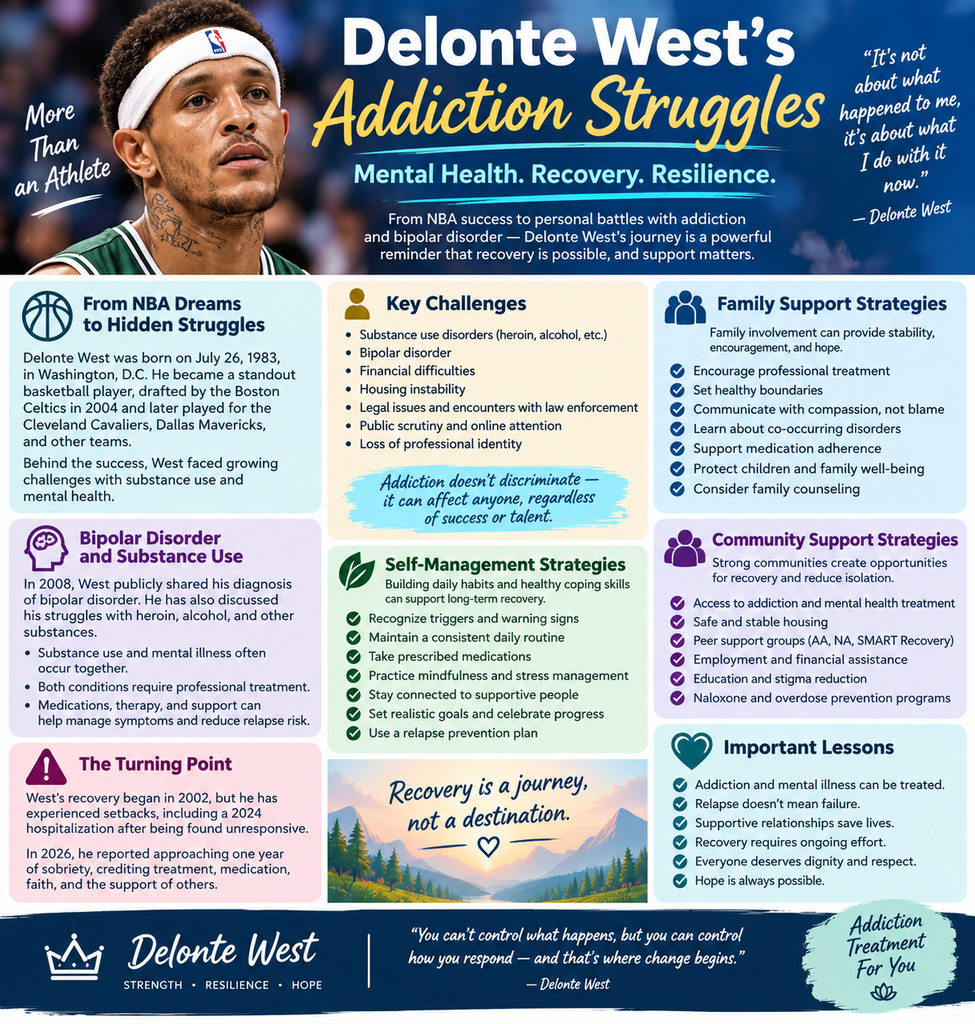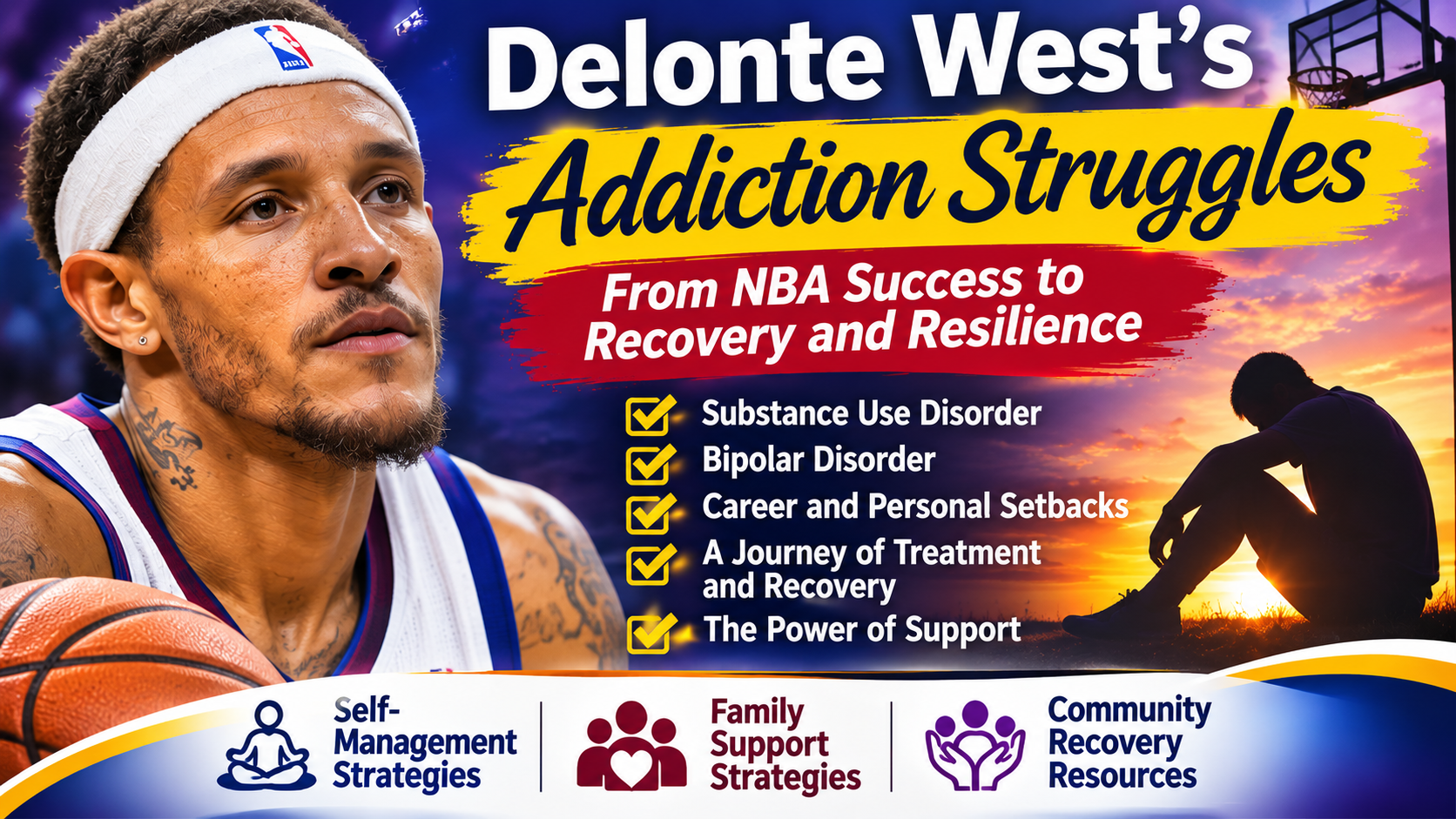
What happens when a successful professional athlete struggles with addiction, mental illness, and the loss of the career that once defined his identity?
Former NBA player Delonte West has experienced a difficult and highly publicized journey involving substance use disorders, bipolar disorder, financial instability, and repeated attempts to rebuild his life.
Once recognized for his basketball talent with the Boston Celtics, Cleveland Cavaliers, and Dallas Mavericks, West later faced serious personal challenges that extended far beyond professional sports.
His experiences highlight an important reality: Financial success, professional recognition, and athletic ability do not protect someone from addiction or mental health disorders.
West’s journey also demonstrates how professional treatment, supportive relationships, and community resources can create opportunities for recovery.
In September 2026, West publicly discussed approaching one year of sobriety, crediting consistent treatment, appropriate medication, faith, and people who continued supporting him. Apple Podcasts+1
His story provides valuable lessons about addiction recovery, relapse prevention, mental health treatment, family involvement, and the importance of helping people rebuild their lives without judgment.
Delonte West’s Early Life and Basketball Career
Delonte West was born on July 26, 1983, in Washington, D.C., and grew up in the Washington metropolitan area.
Basketball became an important part of his life, offering structure, purpose, and opportunities for achievement.
After a successful college basketball career at Saint Joseph’s University, West was selected by the Boston Celtics in the first round of the 2004 NBA Draft.
He went on to play eight NBA seasons, including time with the Cleveland Cavaliers alongside LeBron James.
Despite his professional accomplishments, West experienced significant mental health challenges.
The Hidden Pressures of Professional Sports
Professional athletes may face psychological pressures that are not always visible to fans.
Potential challenges include:
- Performance expectations: Pressure to maintain elite athletic performance.
- Public criticism: Constant attention from fans, media, and social platforms.
- Career instability: Injuries, trades, and uncertain employment.
- Identity struggles: Difficulty adjusting when professional sports no longer provide daily structure.
- Mental health stigma: Fear that seeking treatment will affect professional opportunities.
- Social isolation: Difficulty maintaining supportive relationships during major life transitions.
West’s experiences illustrate why mental health services should be integrated into professional sports organizations.
Delonte West’s Bipolar Disorder and Mental Health Challenges
West publicly discussed receiving a bipolar disorder diagnosis in 2008 while playing for the Cleveland Cavaliers.
In a 2022 interview with ABC News, he described how emotional difficulties affected his experiences both on and off the basketball court. He also discussed receiving counseling and medication during earlier periods of his life. ABC News
Bipolar disorder is a mental health condition characterized by episodes of depression and mania or hypomania, which involve significant changes in mood, energy, activity, and functioning.
Understanding the Relationship Between Bipolar Disorder and Addiction
Bipolar disorder and substance use disorders frequently occur together.
Several factors may contribute to this relationship:
- Emotional distress may increase vulnerability to substance use.
- Alcohol and drugs can worsen mood instability.
- Substance use can interfere with prescribed medications.
- Sleep disruption can contribute to mood episodes.
- Impulsivity during manic episodes may increase risky behavior.
- Untreated symptoms may complicate addiction recovery.
However, bipolar disorder does not automatically cause addiction, and not everyone with bipolar disorder develops a substance use disorder.
Why Integrated Treatment Matters
When bipolar disorder and addiction occur together, treatment should address both conditions.
Effective care may include:
- Comprehensive psychiatric assessment.
- Appropriate mood-stabilizing medication.
- Evidence-based addiction treatment.
- Cognitive behavioral therapy.
- Psychoeducation about mood symptoms and substance use.
- Sleep stabilization and relapse prevention.
- Ongoing psychiatric follow-up.
Treating one condition while ignoring the other may increase the risk of continued difficulties.
Delonte West’s Addiction Struggles and Personal Setbacks
Following his NBA career, West experienced periods of substance use, financial difficulties, and public instability.
Reports and videos of him in vulnerable circumstances circulated online, drawing widespread concern from former teammates, fans, and the broader basketball community.
West also experienced repeated encounters with law enforcement and addiction treatment services.
In June 2024, he was hospitalized after being found unresponsive during an encounter with police. According to ABC News reporting, naloxone was administered during the emergency. The incident highlighted the potentially life-threatening consequences of substance-related crises. ABC News
Understanding the Cycle of Addiction
Substance use disorders can involve recurring patterns of cravings, compulsive substance use, and difficulty maintaining behavioral changes.
Contributing factors may include:
- Intense cravings associated with changes in brain reward systems.
- Withdrawal symptoms and physical dependence.
- Co-occurring psychiatric conditions.
- Limited access to stable housing and healthcare.
- Social isolation and loss of meaningful routines.
- Exposure to environments associated with previous substance use.
- Shame and stigma that discourage treatment.
These challenges can reinforce one another, making comprehensive treatment especially important.
Relapse does not mean that recovery is impossible. It signals a need to reassess treatment, address new or unresolved risks, and strengthen support.
Mark Cuban’s Intervention and the Importance of Support
One of the most widely reported moments in West’s recovery journey occurred in September 2020.
Former Dallas Mavericks owner Mark Cuban personally found West at a gas station in Dallas and helped him reconnect with his mother.
Cuban also helped West enter a rehabilitation facility in Florida.
This intervention demonstrated how practical assistance and compassionate outreach can help someone access treatment.
Lessons From This Intervention
- Personal connection matters: Individuals experiencing addiction may benefit from direct, respectful outreach.
- Family involvement can help: Trusted relatives may provide emotional stability and encouragement.
- Access to treatment is essential: Support should include practical pathways into professional care.
- Financial assistance can reduce barriers: Transportation, housing, and treatment expenses may prevent people from obtaining help.
- Recovery requires ongoing engagement: A single intervention cannot guarantee sustained recovery.
Cuban’s involvement attracted significant public attention, but West’s subsequent challenges also demonstrated that recovery is often a long-term process requiring continued support.
Self-Management Strategies: Rebuilding Stability and Preventing Relapse
Self-management is an important component of addiction recovery.
For individuals experiencing both substance use disorders and bipolar disorder, self-management should complement professional psychiatric and addiction treatment.
Recognizing Emotional and Behavioral Triggers
Triggers are situations, emotions, or experiences that increase the likelihood of substance use.
Common triggers include:
- Stress, anxiety, and depression.
- Sleep deprivation.
- Feelings of rejection or failure.
- Financial instability.
- Loneliness and social isolation.
- Exposure to substances or high-risk environments.
- Major life transitions.
Keeping a journal or using a recovery tracking tool can help identify patterns and develop healthier responses.
Establishing a Structured Daily Routine
West has discussed how basketball once provided discipline and structure in his life.
In a September 2026 podcast interview, he described applying that same discipline to recovery, including following treatment recommendations, taking medication, and maintaining consistent habits. Apple Podcasts
Helpful daily practices include:
- Maintaining regular sleep and wake times.
- Taking prescribed medications as directed.
- Attending counseling and recovery appointments.
- Participating in physical activity.
- Eating balanced meals.
- Practicing mindfulness and stress reduction.
- Setting realistic daily goals.
- Maintaining contact with supportive individuals.
Consistent sleep is particularly important for people with bipolar disorder because sleep disruption may contribute to mood instability.
Managing Cravings and High-Risk Situations
Cravings can occur even after extended periods of sobriety.
Effective strategies include:
- Urge surfing: Observing cravings without acting on them.
- Delay techniques: Allowing time for cravings to decrease.
- Cognitive restructuring: Challenging thoughts that encourage substance use.
- Distraction: Participating in healthy activities.
- Peer support: Contacting a recovery sponsor, counselor, or trusted person.
- Medication treatment: Using appropriate medications for opioid or alcohol use disorder when clinically indicated.
Developing a Personalized Relapse Prevention Plan
A relapse prevention plan should identify warning signs, coping strategies, and emergency contacts.
It may include:
- Personal triggers and early warning signs.
- Strategies for managing cravings.
- Contact information for healthcare professionals.
- Supportive friends and family members.
- A plan for responding to worsening psychiatric symptoms.
- Immediate steps to take following a return to substance use.
For opioid use disorder, maintaining access to naloxone and evidence-based medications can significantly reduce overdose risk.
Family Support Strategies: Compassion, Boundaries, and Recovery
Addiction and mental health disorders affect entire families, not only the individual experiencing symptoms.
Family members may experience fear, frustration, grief, financial strain, and emotional exhaustion while trying to help a loved one.
West’s mother, Delphina Addison, has been involved in efforts to connect him with assistance, including the 2020 intervention coordinated with Mark Cuban.
Encouraging Professional Treatment
Families can help by encouraging appropriate medical and psychological care.
Helpful strategies include:
- Discussing treatment options without blame or humiliation.
- Encouraging evaluation by addiction medicine and psychiatric professionals.
- Supporting medication adherence when prescribed.
- Offering transportation to treatment appointments.
- Learning about bipolar disorder and substance use disorders.
- Encouraging participation in counseling and recovery programs.
Establishing Healthy Boundaries
Supporting someone with addiction does not mean accepting unsafe or destructive behavior.
Families can establish boundaries by:
- Avoiding financial assistance that directly supports substance use.
- Establishing expectations for safety and respectful communication.
- Protecting children from dangerous situations.
- Refusing to participate in threatening or abusive interactions.
- Seeking professional guidance when family conflict escalates.
Healthy boundaries help families maintain compassion while protecting their own well-being.
Supporting Mental Health Stability
Family members may recognize changes in behavior that suggest worsening psychiatric symptoms.
Potential warning signs include significant sleep disruption, unusually elevated energy, severe depression, agitation, and changes in judgment.
Families can encourage timely professional evaluation rather than attempting to manage serious psychiatric symptoms independently.
Recognizing the Importance of Family Counseling
Family therapy can help address:
- Communication difficulties.
- Broken trust.
- Emotional exhaustion.
- Conflict associated with substance use.
- Unrealistic expectations about recovery.
- Strategies for supporting treatment without enabling harmful behavior.
Families also deserve their own emotional support, regardless of whether their loved one is ready to seek treatment.
Community Support Strategies: Creating Opportunities for Recovery
Delonte West’s experiences highlight the importance of community resources for people experiencing addiction, mental illness, housing instability, and financial hardship.
Professional athletes may have access to resources unavailable to many individuals, but even extensive financial assistance cannot replace comprehensive and sustained care.
Expanding Access to Integrated Treatment
Communities should prioritize services that address substance use and psychiatric conditions together.
Important resources include:
- Addiction treatment centers.
- Community mental health clinics.
- Psychiatric medication management.
- Outpatient and residential treatment programs.
- Peer recovery coaching.
- Crisis intervention services.
- Recovery housing and supportive employment programs.
Providing Housing and Financial Stability
Housing instability can complicate recovery by increasing stress and making it difficult to maintain consistent treatment.
Community programs can help through:
- Supportive housing services.
- Employment assistance.
- Financial counseling.
- Transportation to healthcare appointments.
- Case management.
- Assistance obtaining identification, insurance, and benefits.
Stable housing and meaningful daily activities can improve opportunities for sustained recovery.
Developing Peer Support Networks
Peer recovery programs connect individuals with others who understand the challenges of addiction.
Examples include:
- Alcoholics Anonymous (AA).
- Narcotics Anonymous (NA).
- SMART Recovery.
- Recovery Dharma.
- Peer recovery coaching programs.
- Mental health support groups through NAMI.
Peer support can reduce isolation, encourage accountability, and help individuals remain connected to treatment.
Improving Addiction and Mental Health Education
Community education can help reduce harmful stereotypes.
Effective initiatives include:
- Public education about bipolar disorder and addiction.
- Mental health awareness programs in schools.
- Training for coaches and athletic organizations.
- Overdose prevention education.
- Naloxone distribution programs.
- Workshops for families affected by addiction.
Community support should emphasize dignity and confidentiality rather than publicly exposing someone experiencing a crisis.
Delonte West’s 2026 Recovery Progress: Renewed Hope
In March 2026, West publicly reported reaching 100 days of sobriety while receiving support through a wellness program in Florida. Us
By September 2026, he reported approximately 10 months of sobriety.
During an appearance on the Rise Above with Kevin Lanning podcast, West described how he was rebuilding his life through treatment, medication, spirituality, and personal discipline.
He emphasized the importance of approaching recovery with the same dedication he had once applied to professional basketball. Basketball Network+1
In October 2026, West also appeared on The Danza Project, discussing addiction, recovery, identity, and his desire to become the person he wanted his children to know. The Danza Project
Lessons From His Recent Progress
His reported recovery milestones highlight several principles:
- Recovery can remain possible after repeated setbacks.
- Consistent treatment and medication can support stability.
- Meaningful routines help rebuild confidence.
- Supportive relationships can reduce isolation.
- Personal goals provide motivation beyond simply avoiding substances.
- Long-term recovery requires continued attention and care.
These reports reflect West’s publicly shared progress rather than independently verified evidence of his current clinical status.
The Relationship Between Addiction, Mental Illness, and Homelessness
West’s experiences also highlight how substance use disorders, psychiatric conditions, and housing instability can interact.
These challenges are often interconnected but should not be treated as interchangeable.
A person experiencing homelessness does not necessarily have an addiction, and someone with bipolar disorder is not automatically at risk of homelessness.
However, when multiple conditions occur together, they may create significant barriers to recovery.
Barriers to Successful Treatment
Common obstacles include:
- Limited access to affordable psychiatric care.
- Difficulty maintaining prescribed medication.
- Unstable housing.
- Lack of transportation.
- Financial insecurity.
- Discrimination and social stigma.
- Fragmented healthcare services.
- Limited access to long-term case management.
Strategies for Improving Outcomes
Healthcare systems and communities can address these barriers through coordinated services.
Effective approaches include integrated behavioral healthcare, supportive housing, assertive community treatment for eligible individuals with serious mental illness, and accessible addiction medication services.
Long-term support should focus on stability, safety, dignity, and individual recovery goals.
Important Lessons From Delonte West’s Journey
West’s experiences provide valuable insights for individuals, families, healthcare professionals, and community organizations.
1. Addiction does not discriminate. Professional success and financial resources do not eliminate vulnerability to substance use disorders.
2. Mental health treatment is essential. Co-occurring psychiatric conditions require appropriate evaluation and ongoing care.
3. Recovery is rarely a straight line. Setbacks may occur, but they do not eliminate the possibility of future progress.
4. Family support can make a difference. Compassionate communication, healthy boundaries, and practical assistance can encourage engagement in treatment.
5. Community resources strengthen recovery. Housing, healthcare, employment assistance, and peer support can improve long-term stability.
6. Dignity matters. People experiencing addiction or mental health crises deserve respectful treatment rather than humiliation or public ridicule.
7. Personal identity can be rebuilt. Meaningful goals, supportive relationships, and healthy routines can help individuals find purpose beyond past accomplishments or setbacks.
Conclusion: Delonte West’s Journey of Addiction, Resilience, and Hope
Delonte West’s story is more than a former NBA player’s struggle with substance use and mental illness.
It is a powerful example of how addiction, psychiatric conditions, financial instability, and major life transitions can create complex challenges that require comprehensive care.
His experiences also demonstrate the importance of family involvement, professional treatment, community resources, and compassionate intervention.
The recovery progress he publicly described in 2026 offers encouragement while reinforcing that lasting stability requires continued treatment, accountability, and support.
For families affected by addiction, West’s journey provides an important reminder that recovery cannot always be achieved through determination alone.
Medical treatment, emotional support, stable living conditions, and meaningful relationships all play important roles.
Recovery is possible, even after repeated setbacks. Every person deserves access to treatment, dignity, and the opportunity to rebuild their life.
Addiction and Mental Health Resources
For individuals or families experiencing similar challenges, the following resources may help:
- SAMHSA National Helpline: 1-800-662-HELP (4357), offering confidential addiction treatment referrals.
- 988 Suicide & Crisis Lifeline: Call or text 988 for immediate mental health crisis support.
- NAMI: Mental health education and family resources.
- SMART Recovery: Recovery meetings and self-management resources.
- FindTreatment.gov: Search for substance use treatment services.
If someone is unresponsive or breathing abnormally after suspected substance use, call 911 immediately and administer naloxone if an opioid overdose is possible and naloxone is available.
Frequently Asked Questions and Answers
Delonte West’s Background and Addiction Struggles
1. Who is Delonte West, and why is his addiction journey widely discussed?
Delonte West is a former professional basketball player who played for the Boston Celtics, Cleveland Cavaliers, Seattle SuperSonics, and Dallas Mavericks.
After his NBA career, West experienced publicly reported challenges involving substance use, mental health, financial instability, and housing difficulties.
His experiences have raised awareness about the relationship between addiction, mental illness, and the importance of long-term recovery support.
2. What substances has Delonte West struggled with?
West has experienced publicly reported substance use problems involving drugs and alcohol.
Some reporting has discussed opioid-related concerns, but not every substance associated with his experiences has been independently confirmed.
It is important to distinguish documented substance use from speculation about specific drugs.
Substance use disorders can affect brain function, behavior, relationships, and physical health. Effective treatment depends on the substances involved and the individual’s medical and psychological needs.
3. Was Delonte West diagnosed with bipolar disorder?
Yes. West publicly discussed receiving a bipolar disorder diagnosis in 2008 while playing for the Cleveland Cavaliers.
Bipolar disorder is a psychiatric condition characterized by episodes of depression and mania or hypomania.
Symptoms may include changes in mood, energy, sleep, judgment, and daily functioning.
Appropriate psychiatric treatment can help manage symptoms and improve long-term stability.
4. Is there a connection between bipolar disorder and substance use disorders?
Yes. Bipolar disorder and substance use disorders frequently occur together.
Possible contributing factors include:
- Emotional distress and difficulty regulating mood.
- Substance use as an attempt to cope with symptoms.
- Impulsivity during manic episodes.
- Sleep disruption and increased stress.
- Interactions between substance use and psychiatric medications.
- Challenges maintaining consistent treatment.
However, bipolar disorder does not automatically cause addiction.
When both conditions are present, integrated treatment addressing psychiatric symptoms and substance use generally offers the most comprehensive approach.
5. How did Delonte West’s addiction struggles affect his life after basketball?
Following his NBA career, West experienced periods of financial hardship, unstable housing, public crises, and encounters with law enforcement.
His experiences illustrate how substance use and psychiatric conditions can interact with social and economic challenges.
The end of a professional sports career can also involve a significant loss of routine, identity, income, and social support.
These factors may complicate recovery and increase the importance of coordinated healthcare and community services.
6. Did Delonte West experience homelessness?
West has been publicly reported to have experienced housing instability and periods of homelessness following his professional basketball career.
Housing instability can make addiction and psychiatric treatment more difficult by disrupting sleep, medication access, nutrition, and regular healthcare appointments.
Stable housing is an important component of comprehensive recovery support.
7. Did Delonte West experience a medical emergency related to substance use?
In June 2024, West was hospitalized after being found unresponsive during an encounter with police in Virginia.
Reports indicated that naloxone was administered during the emergency.
Naloxone is a medication used to reverse opioid overdose. However, its administration alone does not establish which substances were involved.
The incident highlighted the importance of rapid emergency response, overdose prevention education, and access to addiction treatment.
8. Did Mark Cuban help Delonte West enter rehabilitation?
Yes. In September 2020, former Dallas Mavericks owner Mark Cuban located West at a Dallas gas station and helped him obtain assistance.
Cuban subsequently supported his entry into a rehabilitation program in Florida.
West later worked at the treatment facility where he had received care. His experience demonstrates how personal outreach, practical assistance, and access to professional treatment can create opportunities for recovery. The Washington Post+1
9. Has Delonte West experienced relapses during recovery?
West has experienced multiple periods of treatment, improvement, and renewed substance-related difficulties.
Relapse can occur during recovery from substance use disorders, particularly when psychiatric symptoms, unstable housing, and environmental stressors are present.
A relapse does not mean treatment has permanently failed. It indicates that the recovery plan may need reassessment, additional support, or changes in treatment intensity.
10. Is Delonte West sober in 2026?
West has publicly reported significant recovery progress during 2026.
In March, he announced reaching 100 days of sobriety. By September, he reported approximately 10 months of sobriety. Us+1
In an October 31, 2026 podcast episode, West discussed approaching one year of sobriety in December. He credited treatment, medication, faith, and supportive relationships. Apple Podcasts
These are self-reported milestones and do not independently verify his current clinical status.
Self-Management and Relapse Prevention
11. What self-management strategies can help people experiencing addiction and bipolar disorder?
Individuals living with both conditions may benefit from a structured recovery plan that includes:
- Taking prescribed psychiatric medications consistently.
- Attending addiction treatment and mental health appointments.
- Maintaining regular sleep and wake times.
- Identifying triggers associated with substance use.
- Practicing stress management and mindfulness.
- Avoiding environments associated with previous substance use.
- Building healthy relationships and meaningful routines.
- Developing a written relapse prevention plan.
Self-management should complement professional medical treatment rather than replace it.
12. Why is medication adherence important for someone with bipolar disorder and addiction?
Medication adherence can help stabilize mood, reduce psychiatric symptoms, and support daily functioning.
For bipolar disorder, treatment may include mood stabilizers or certain antipsychotic medications, depending on the individual’s clinical presentation.
For opioid use disorder, medications such as buprenorphine and methadone reduce overdose risk and improve treatment retention.
West has publicly emphasized taking appropriate medications and following treatment recommendations as part of his recovery. Basketball Network
13. How can individuals manage addiction cravings?
Cravings are common during addiction recovery and may occur even after extended periods of abstinence.
Helpful strategies include:
- Urge surfing: Recognizing cravings without immediately acting on them.
- Delay techniques: Allowing time for craving intensity to decrease.
- Distraction: Participating in exercise, hobbies, or meaningful activities.
- Cognitive behavioral techniques: Challenging thoughts that encourage substance use.
- Peer support: Contacting a trusted recovery supporter.
- Medication treatment: Using appropriate evidence-based medications when indicated.
Cravings that become persistent or difficult to manage should be discussed with an addiction treatment professional.
14. How can someone recognize early warning signs of relapse?
Warning signs may include increased cravings, withdrawal from supportive relationships, disrupted sleep, missed treatment appointments, and returning to high-risk environments.
For individuals with bipolar disorder, changes in mood, energy, and sleep may also signal worsening psychiatric symptoms.
Recognizing these changes early allows treatment teams and families to intervene before a crisis develops.
15. How can someone rebuild their identity after losing a professional career?
Losing a career can create feelings of grief, uncertainty, and diminished self-worth.
West has discussed how basketball once provided structure and identity, and how he has tried to apply that same discipline to recovery.
Helpful approaches include:
- Establishing new personal and professional goals.
- Participating in meaningful activities.
- Developing skills outside a previous career.
- Maintaining supportive relationships.
- Exploring volunteer work or mentorship.
- Celebrating progress in recovery and daily functioning.
Rebuilding identity involves recognizing that personal worth extends beyond professional accomplishments.
Family Support and Healthy Relationships
16. How can families support someone struggling with addiction and bipolar disorder?
Families can provide encouragement while helping their loved one remain connected to professional treatment.
Supportive strategies include:
- Learning about both conditions.
- Encouraging psychiatric and addiction treatment.
- Supporting prescribed medication routines.
- Communicating without judgment.
- Helping with transportation and appointments.
- Recognizing early warning signs of psychiatric deterioration.
- Maintaining healthy boundaries.
- Participating in family counseling.
Families should also seek support for their own emotional well-being.
17. What role did Delonte West’s family play in his recovery?
West’s family has been involved in efforts to help him obtain assistance.
His mother was part of the widely reported 2020 intervention involving Mark Cuban.
Family involvement can encourage treatment engagement, provide emotional stability, and help individuals maintain connections during difficult periods.
However, recovery ultimately requires ongoing treatment and the individual’s participation.
18. How can families establish healthy boundaries without abandoning a loved one?
Healthy boundaries allow family members to provide support while protecting their own safety and well-being.
Examples include:
- Refusing to finance substance use.
- Establishing expectations for respectful communication.
- Protecting children from unsafe situations.
- Avoiding repeated arguments during intoxication.
- Encouraging professional treatment rather than attempting to control recovery.
- Seeking outside assistance when safety is threatened.
Compassion and accountability can coexist.
19. Can family counseling improve addiction recovery outcomes?
Family counseling can help address communication difficulties, emotional distress, conflict, and disrupted relationships.
It may also help family members understand how addiction and psychiatric symptoms influence behavior.
Therapy can provide practical strategies for rebuilding trust and supporting recovery without encouraging unhealthy dependence.
Community Support and Recovery Resources
20. Why is community support important in Delonte West’s recovery journey?
Community support can provide resources that individuals and families may not be able to access on their own.
These resources include addiction treatment, psychiatric services, housing assistance, employment support, and peer recovery programs.
West’s experiences demonstrate that recovery often requires more than a single intervention.
Sustained support can help individuals maintain stability and remain connected to treatment.
21. How can communities support people experiencing addiction and homelessness?
Communities can improve recovery opportunities by expanding access to:
- Affordable and supportive housing.
- Integrated addiction and mental health treatment.
- Psychiatric medication management.
- Employment and vocational rehabilitation.
- Transportation assistance.
- Peer recovery coaching.
- Overdose prevention services.
- Long-term case management.
Housing stability can improve treatment engagement by reducing daily stress and supporting consistent access to healthcare.
22. What recovery support groups may help people with addiction?
Several peer support organizations offer recovery resources.
Alcoholics Anonymous (AA) provides peer support for individuals seeking recovery from alcohol problems.
Narcotics Anonymous (NA) offers a 12-step recovery community for people affected by drug addiction.
SMART Recovery provides skills-based approaches to managing addictive behaviors.
Recovery Dharma incorporates mindfulness and peer support.
NAMI offers mental health education and support for individuals and families affected by psychiatric conditions.
Peer support is valuable but should not replace appropriate medical or psychiatric treatment.
23. What resources are available for individuals experiencing addiction and mental health crises?
In the United States, several organizations provide assistance:
- SAMHSA National Helpline: 1-800-662-HELP (4357) for confidential addiction treatment referrals.
- 988 Suicide & Crisis Lifeline: Call or text 988 for mental health crisis support.
- NAMI: Mental health education and support.
- SMART Recovery: Recovery meetings and self-management resources.
- FindTreatment.gov: Find addiction treatment services.
If someone is unconscious, breathing abnormally, or experiencing a suspected overdose, call 911 immediately. Administer naloxone if opioid exposure is possible and naloxone is available.
Lessons From Delonte West’s Recovery Journey
24. What can professional sports organizations learn from Delonte West’s experiences?
West’s journey highlights the importance of supporting athletes before, during, and after their professional careers.
Sports organizations can improve mental health and addiction support by:
- Providing confidential psychiatric and addiction services.
- Offering mental health education.
- Supporting athletes during retirement and career transitions.
- Providing financial planning assistance.
- Establishing peer mentorship programs.
- Connecting former athletes with community treatment resources.
These services can help athletes navigate major life transitions and reduce barriers to seeking help.
25. What is the most important lesson from Delonte West’s addiction struggles?
West’s experiences demonstrate that addiction and mental illness can affect anyone, regardless of professional success, financial resources, or public recognition.
His recovery efforts emphasize several important lessons:
- Addiction and bipolar disorder are treatable conditions.
- Recovery may involve setbacks and repeated treatment attempts.
- Professional medical and psychiatric care are essential.
- Family encouragement and healthy boundaries can support recovery.
- Stable housing and community resources can improve long-term outcomes.
- Personal dignity should be respected throughout the recovery process.
26. What message does Delonte West’s recovery journey offer to people who have experienced repeated setbacks?
West’s publicly reported progress in 2026 provides encouragement for people who have experienced repeated difficulties with addiction.
Recovery does not require a perfect history. Individuals can reengage with treatment, strengthen coping skills, rebuild relationships, and establish new goals.
His journey reinforces the importance of consistent treatment, supportive relationships, and recognizing progress over time.
A setback does not erase the possibility of recovery. Every person deserves another opportunity to seek help and rebuild their life.
Video: