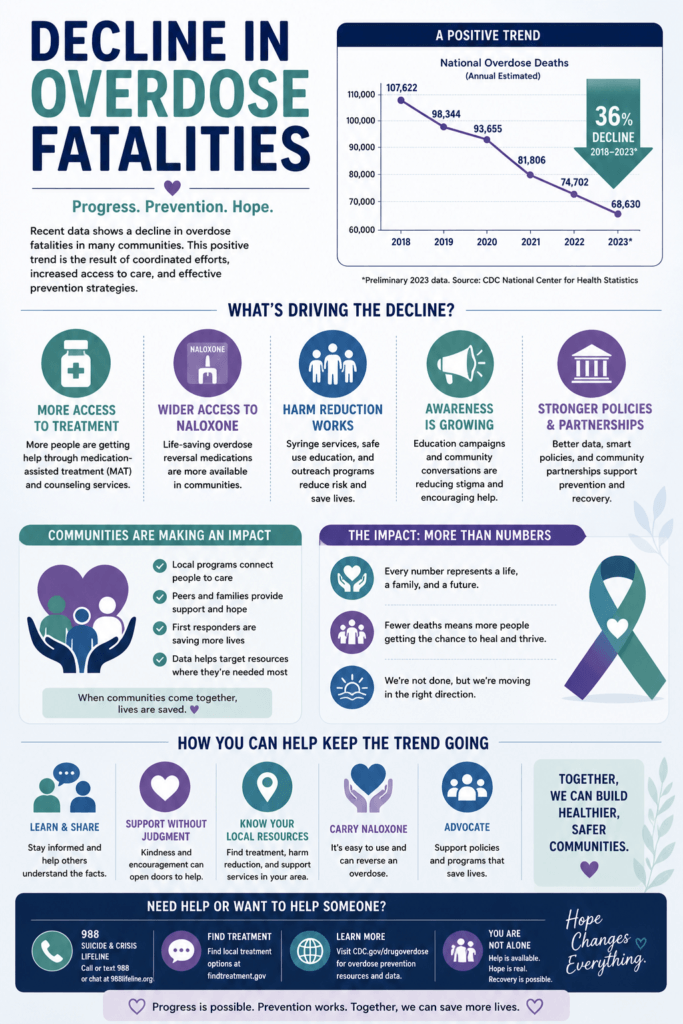
The decline in overdose fatalities in recent years represents a significant and encouraging shift in the ongoing substance use crisis. For decades, overdose deaths have posed a major public health challenge, driven by factors such as the rise of opioid misuse, the spread of synthetic drugs like fentanyl, and limited access to treatment. However, recent data suggests that coordinated efforts—ranging from expanded treatment options to harm reduction strategies—are beginning to make a measurable impact. Understanding this decline requires examining the combined influence of healthcare advancements, policy changes, and community-based interventions that aim to reduce risk and improve outcomes for individuals affected by substance use.
Turning the Tide: Understanding the Decline in Overdose Fatalities
In recent years, many regions have begun to see a gradual decline in overdose fatalities, offering a hopeful shift in what has long been a devastating public health crisis. While overdose deaths remain a serious concern, this downward trend suggests that targeted interventions, increased awareness, and improved access to treatment are beginning to make a meaningful impact. Understanding the reasons behind this decline is essential for sustaining progress and continuing to save lives.
Overdose fatalities are influenced by a complex mix of factors, including substance availability, healthcare access, social conditions, and public health strategies. The recent decrease is not due to a single cause but rather a combination of coordinated efforts across healthcare systems, communities, and policy initiatives. By examining these contributing factors, we can better understand what is working and where continued efforts are needed.
Key Factors Contributing to the Decline
Several evidence-based strategies have played a role in reducing overdose deaths:
- Expanded Access to Treatment: Increased availability of medication-assisted treatment (MAT) for substance use disorders
- Wider Distribution of Overdose Reversal Medications: Greater access to life-saving drugs like naloxone
- Improved Public Awareness: Education campaigns about overdose risks and prevention
- Harm Reduction Programs: Services such as syringe exchange programs and safe-use education
- Better Prescription Monitoring: Efforts to reduce overprescribing of opioids
Role of Healthcare and Policy Changes
System-level changes have also contributed to improved outcomes:
- Integration of mental health and substance use treatment services
- Increased funding for addiction recovery programs
- Policies supporting harm reduction and prevention strategies
- Training for healthcare providers on recognizing and treating substance use disorders
Community and Social Impact
Community-level efforts are critical in sustaining progress:
- Local outreach programs connecting individuals to care
- Peer support and recovery networks
- Reduced stigma encouraging more people to seek help
- Collaboration between public health agencies, law enforcement, and community organizations
Ongoing Challenges
Despite progress, several challenges remain:
- Continued presence of potent synthetic substances (e.g., fentanyl)
- Gaps in access to treatment in rural or underserved areas
- Stigma and barriers to seeking help
- Risk of relapse without long-term support
Looking Ahead
Sustaining the decline in overdose fatalities requires ongoing commitment and adaptation. Continued investment in prevention, treatment, and harm reduction—along with addressing social determinants of health—will be essential. Monitoring trends and responding to emerging threats can help ensure that progress is not only maintained but expanded.
A Message of Hope
The decline in overdose fatalities represents more than just a statistic—it reflects lives saved, families preserved, and communities strengthened. While the crisis is not over, the progress made demonstrates that coordinated, evidence-based strategies can make a real difference. By building on these efforts, society can continue moving toward a future where fewer lives are lost to overdose and more individuals have the opportunity to recover and thrive.
Staying Informed: Self-Management Strategies for Understanding the Decline in Overdose Fatalities
The recent decline in overdose fatalities in some regions reflects meaningful progress in addressing the substance use crisis. However, understanding this trend requires more than just awareness of statistics—it involves recognizing the behaviors, resources, and personal strategies that contribute to safer outcomes. Self-management plays an important role in this process, especially for individuals at risk, those in recovery, or those supporting others. By staying informed and actively engaged, individuals can better protect their health and contribute to continued progress.
Self-management in this context focuses on awareness, decision-making, and the ability to use available resources effectively. It empowers individuals to reduce risk, respond to warning signs, and maintain stability. While broader systems like healthcare and policy changes are essential, personal strategies help translate these improvements into real-life outcomes.
Building Awareness of Risk and Prevention
Understanding what contributes to overdose risk is a key first step:
- Learn about high-risk substances, especially synthetic opioids like fentanyl
- Recognize how tolerance changes (e.g., after periods of abstinence)
- Stay informed about local trends and warnings in your community
- Understand how mixing substances increases overdose risk
Practicing Harm Reduction Strategies
Simple, practical steps can significantly reduce the risk of overdose:
- Avoid using substances alone when possible
- Start with small amounts to gauge potency
- Carry overdose-reversal medication such as Naloxone
- Test substances when testing tools are available
- Use trusted sources of information and support
Monitoring Personal Health and Behavior
Self-checks help identify early warning signs:
- Notice increased tolerance or changes in use patterns
- Be aware of cravings or loss of control
- Monitor physical and mental health changes
- Reflect on how substance use affects daily functioning
Strengthening Decision-Making and Coping Skills
Healthy coping reduces reliance on substances:
- Develop stress-management techniques (exercise, mindfulness, journaling)
- Build routines that support stability (sleep, nutrition, structure)
- Practice delaying urges and making intentional choices
- Set realistic goals for reducing or managing use
Utilizing Available Resources
Accessing support is a critical part of self-management:
- Engage in counseling or therapy when needed
- Connect with peer support or recovery groups
- Use community resources such as clinics or outreach programs
- Stay informed about local services and emergency options
Preparing for Emergencies
Being ready to respond can save lives:
- Learn to recognize signs of overdose (slow breathing, unconsciousness)
- Know how to administer naloxone if available
- Have a plan for contacting emergency services
- Educate friends or family on how to respond
Maintaining Long-Term Awareness
Sustaining progress requires ongoing effort:
- Regularly reassess personal goals and risk factors
- Stay updated on new prevention strategies and resources
- Remain open to adjusting approaches as needed
- Celebrate progress and learn from setbacks
Moving Forward with Responsibility and Awareness
The decline in overdose fatalities is a sign that prevention and intervention strategies are working—but continued progress depends on both systemic efforts and individual actions. Self-management empowers individuals to make safer choices, respond effectively to risks, and contribute to a broader culture of awareness and prevention. By staying informed and proactive, individuals play a meaningful role in sustaining this positive trend and protecting lives.
Stronger Together: Family Support Strategies in Understanding the Decline in Overdose Fatalities
The recent decline in overdose fatalities offers a hopeful sign that prevention efforts, treatment access, and harm reduction strategies are making a difference. However, sustaining this progress requires more than healthcare systems and policies—it depends heavily on the role of families. Families are often the first line of support for individuals at risk of substance use or in recovery, and their understanding of these positive trends can influence outcomes in meaningful ways.
By learning what contributes to the decline in overdose deaths, families can better support safer behaviors, encourage treatment, and respond effectively in times of crisis. Family involvement helps translate broader public health successes into everyday protection, accountability, and care within the home environment.
Educating Families on Overdose Prevention
Knowledge empowers families to act with confidence and clarity:
- Learn about substances associated with overdose risk, especially opioids and synthetic drugs
- Understand how tolerance changes can increase overdose risk
- Stay informed about local trends and prevention efforts
- Recognize the importance of early intervention and treatment access
Encouraging Safe Practices and Harm Reduction
Families can support safer behaviors without judgment:
- Promote awareness of harm reduction strategies (e.g., not using alone, testing substances)
- Encourage carrying overdose-reversal medication like Naloxone
- Support open conversations about substance use rather than avoiding the topic
- Reinforce the importance of seeking help early
Recognizing Warning Signs
Early detection can prevent life-threatening situations:
- Changes in behavior, mood, or daily functioning
- Increased isolation or secrecy
- Signs of substance misuse or relapse
- Physical symptoms such as extreme drowsiness or confusion
Supporting Treatment and Recovery
Families play a key role in connecting individuals to care:
- Encourage participation in treatment programs or counseling
- Support medication-assisted treatment when appropriate
- Help maintain routines that promote stability and health
- Celebrate progress and milestones in recovery
Preparing for Emergencies
Being prepared can save lives:
- Learn to recognize the signs of an overdose (slow breathing, unconsciousness)
- Know how to administer naloxone if available
- Have emergency contact plans in place
- Educate all family members on how to respond quickly
Creating a Supportive Home Environment
A stable environment reduces risk and supports long-term progress:
- Foster open, nonjudgmental communication
- Set healthy boundaries while maintaining compassion
- Reduce stigma and encourage honesty
- Promote healthy habits like sleep, nutrition, and stress management
Caring for Family Well-Being
Supporting someone at risk can be emotionally challenging:
- Seek family counseling or support groups if needed
- Acknowledge feelings of stress, fear, or uncertainty
- Avoid taking sole responsibility for another person’s recovery
- Maintain self-care and personal boundaries
Moving Forward as a Family Unit
The decline in overdose fatalities is a positive step forward, but continued progress depends on sustained awareness and support. Families who stay informed, prepared, and engaged can help reinforce prevention efforts and protect their loved ones. By combining education, compassion, and practical strategies, families become a powerful force in reducing overdose risk and supporting long-term recovery and well-being.
Community Impact: Resource Strategies Behind the Decline in Overdose Fatalities
The decline in overdose fatalities in many regions reflects the success of coordinated community efforts, improved access to care, and widespread harm reduction strategies. While national policies and healthcare systems play a major role, it is often community-level resources that make the most immediate difference in people’s lives. Local organizations, outreach programs, and public health initiatives help translate large-scale strategies into accessible, real-world support.
Understanding how community resources contribute to this decline is essential for maintaining and expanding progress. These strategies not only prevent overdose deaths but also promote long-term recovery, reduce stigma, and improve overall public health outcomes.
Expanding Access to Treatment Services
Communities are increasing opportunities for individuals to receive care:
- Local clinics offering substance use and mental health treatment
- Outpatient and inpatient recovery programs
- Mobile health units reaching underserved populations
- Integrated care that addresses both addiction and mental health
Strengthening Harm Reduction Initiatives
Harm reduction has been a key driver in reducing overdose fatalities:
- Distribution of overdose-reversal medications like Naloxone
- Syringe service programs to reduce health risks
- Safe-use education to prevent overdose
- Outreach teams connecting individuals to immediate support
Enhancing Public Awareness and Education
Education helps communities respond proactively:
- Campaigns on recognizing overdose signs and prevention methods
- Training sessions on how to administer naloxone
- School and workplace education programs
- Community workshops addressing substance use and recovery
Improving Emergency Response Systems
Quick response saves lives during overdose situations:
- First responder training in overdose recognition and intervention
- Expanded availability of emergency services
- Community members trained in basic life-saving techniques
- Partnerships between public health and emergency services
Building Peer and Recovery Support Networks
Connection is critical for sustained progress:
- Peer recovery groups and mentorship programs
- Community recovery centers offering safe spaces
- Support networks that reduce isolation and stigma
- Programs led by individuals with lived experience
Addressing Social Determinants of Health
Long-term success depends on stability and opportunity:
- Housing assistance and transitional living programs
- Job training and employment support
- Access to education and skill development
- Transportation services to attend treatment and appointments
Reducing Stigma and Promoting Inclusion
Community attitudes influence whether people seek help:
- Anti-stigma campaigns that treat addiction as a health issue
- Inclusive policies that encourage help-seeking behavior
- Open community dialogue to build empathy and understanding
- Supportive environments that reduce fear of judgment
Collaborating Across Community Systems
Coordination strengthens effectiveness:
- Partnerships between healthcare providers, law enforcement, and nonprofits
- Data sharing to identify trends and improve interventions
- Community leaders advocating for resources and funding
- Cross-sector strategies to address emerging challenges
Moving Forward as a Community
The decline in overdose fatalities demonstrates what is possible when communities invest in comprehensive, compassionate, and evidence-based strategies. By continuing to expand resources, improve access, and foster collaboration, communities can sustain this progress and save more lives. Ultimately, community involvement transforms prevention from a policy goal into a lived reality—creating safer, healthier environments for everyone.
Frequently Asked Questions
Here are some common questions:
1. What does “decline in overdose fatalities” mean?
It refers to a decrease in the number of deaths caused by drug overdoses over a specific period. This trend suggests that prevention, treatment, and intervention strategies may be working.
2. Why are overdose deaths decreasing in some areas?
Several factors contribute to this decline, including:
- Increased access to treatment programs
- Wider availability of overdose-reversal medications like Naloxone
- Improved public awareness and education
- Expansion of harm reduction services
3. Does this mean the overdose crisis is over?
No. While the decline is encouraging, overdose deaths still occur at high rates in many areas. Continued effort is needed to sustain and expand progress.
4. What role does naloxone play in reducing fatalities?
Naloxone is a life-saving medication that can quickly reverse opioid overdoses. Increased access and training in its use have significantly reduced fatal outcomes.
5. How do treatment programs help reduce overdose deaths?
Treatment programs, especially medication-assisted treatment (MAT), help individuals manage substance use disorders, reduce relapse risk, and improve overall health, lowering the likelihood of overdose.
6. What is harm reduction, and how does it help?
Harm reduction focuses on minimizing the negative effects of substance use rather than requiring complete abstinence. Examples include safe-use education, syringe services, and overdose prevention efforts.
7. Are certain drugs still a major concern?
Yes. Synthetic opioids like fentanyl remain a significant risk due to their high potency and presence in many illicit drug supplies.
8. How do community programs contribute to the decline?
Community programs:
- Connect individuals to treatment and support
- Provide education and outreach
- Distribute naloxone and other resources
- Reduce stigma, encouraging people to seek help
9. What role does public awareness play?
Education helps people recognize overdose risks, understand prevention strategies, and respond effectively in emergencies, which can save lives.
10. Can individuals help continue this positive trend?
Yes. Individuals can:
- Learn about overdose prevention
- Carry naloxone if at risk or supporting someone who is
- Support others without judgment
- Advocate for community resources and policies
11. What challenges still exist despite the decline?
- Limited access to care in some areas
- Ongoing stigma around substance use
- High potency of certain drugs
- Risk of relapse without long-term support
12. How important is mental health in this issue?
Very important. Mental health conditions often co-occur with substance use disorders, and addressing both is key to reducing overdose risk.
13. What can families do to help?
- Stay informed about overdose risks and prevention
- Encourage treatment and support
- Keep naloxone accessible
- Maintain open, nonjudgmental communication
14. Will overdose fatalities continue to decline?
It’s possible, but not guaranteed. Continued investment in prevention, treatment, harm reduction, and community support is necessary to maintain progress.
Conclusion
While the decrease in overdose fatalities offers hope, it does not signal the end of the crisis. Sustaining and expanding this progress will require continued investment in prevention, treatment, and harm reduction efforts, as well as addressing underlying factors such as mental health, social instability, and access to care. The progress made demonstrates that evidence-based strategies can save lives when implemented effectively and consistently. Moving forward, a comprehensive and collaborative approach—engaging individuals, families, healthcare systems, and communities—will be essential to ensure that the decline continues and that more individuals have the opportunity to recover and thrive.
Video: This Is What’s Actually Saving Lives from Overdose #addictionrecovery #communityhealth