Addiction Treatment after Infection
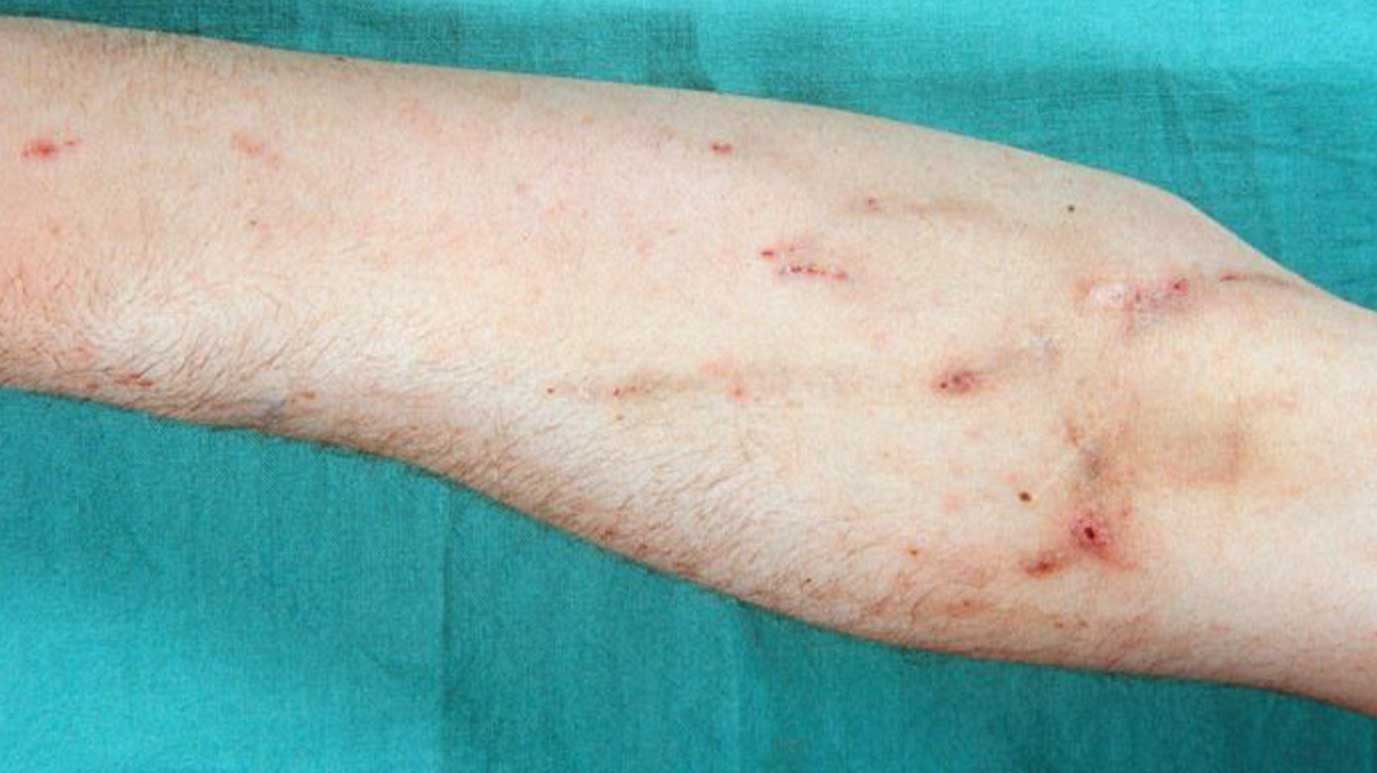
Medication for Opioid Use Disorder (MOUD) is a vital tool in the recovery process for individuals with a history of infections related to intravenous drug use. While MOUD helps stabilize health and manage addiction, there are significant challenges, such as side effects, accessibility issues, and ethical dilemmas that complicate its use. Integrating MOUD with comprehensive … Read more

Hepatitis C and Opioid Use

The dual epidemics of Hepatitis C (HCV) and Opioid Use Disorder (OUD) pose a significant public health challenge, especially among intravenous drug users. Tackling these interconnected issues requires a comprehensive approach that includes government action, healthcare integration, community support, and societal change. Collaborative efforts across these areas can lead to significant progress in addressing both … Read more

Drones Usage in Addiction Therapy

The challenge of delivering addiction medications, particularly to remote or underserved areas, is being met with innovative solutions, such as using drones. This cutting-edge technology promises to revolutionize the accessibility and timeliness of essential treatments for individuals struggling with addiction. “Revolutionizing Access: The Role of Drones in Delivering Addiction Medications” In recent years, drones have … Read more

Addiction Psychosis

Addiction psychosis is a severe mental health condition arising from prolonged substance abuse, especially with drugs that have intense psychoactive effects. This condition is marked by a profound loss of contact with reality, manifesting in symptoms like hallucinations, delusions, paranoia, and disorganized thinking. It can occur during active substance use, during withdrawal, or even after … Read more

Vagus Nerve Stimulation Therapy

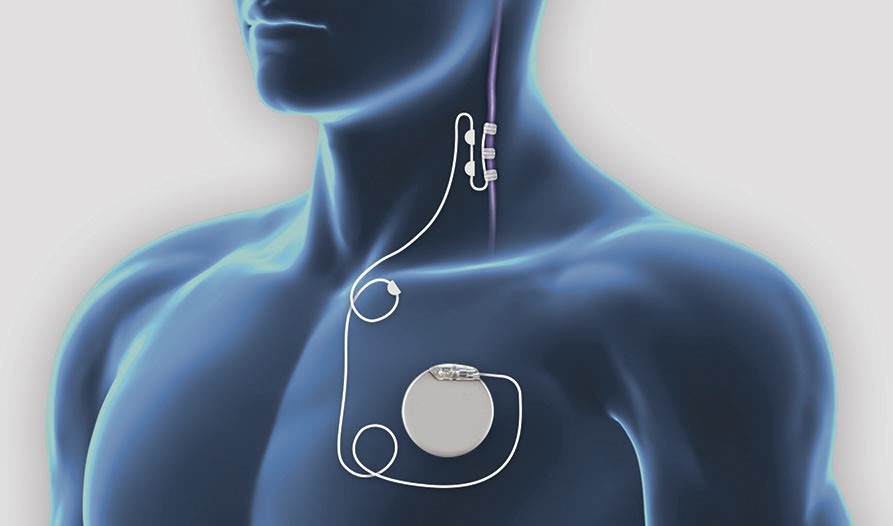
Vagus nerve stimulation (VNS) is an innovative therapy for addiction, using electrical impulses to modulate brain activity and potentially reduce cravings. This emerging treatment involves implanting a small device that sends electrical signals to the vagus nerve, which is thought to influence brain regions involved in addiction and mood regulation. While VNS presents promising benefits, … Read more

Integration of Addiction Treatment

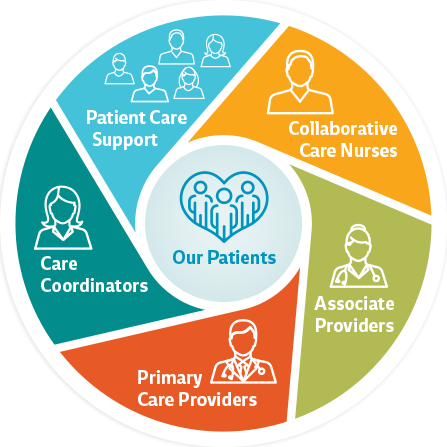
Integrating addiction treatment into primary care, hospitals, and broader healthcare systems is a pivotal strategy for providing holistic support to individuals with substance use disorders. This comprehensive approach enhances access to care, improves continuity of treatment, and helps to diminish the stigma often associated with addiction. However, it also presents several challenges that must be … Read more

Nihilism in Addiction Therapy

Nihilism, the belief that life lacks meaning, purpose, or value, can be a significant barrier in addiction therapy, often contributing to feelings of hopelessness and despair. In the context of addiction, individuals may struggle with nihilistic thoughts, which can hinder motivation for recovery. Combating nihilism involves a multifaceted approach, including self-management techniques, family support, and … Read more

Addiction During Pregnancy

Addiction during pregnancy poses significant risks to both the mother and the developing fetus, making prevention crucial for healthy outcomes. Effective prevention strategies include self-management techniques that empower individuals to adopt healthy coping mechanisms and make informed choices. Family support provides emotional encouragement and fosters open communication, creating a nurturing environment for pregnant individuals. Community … Read more

Recidivism in Drug Addiction

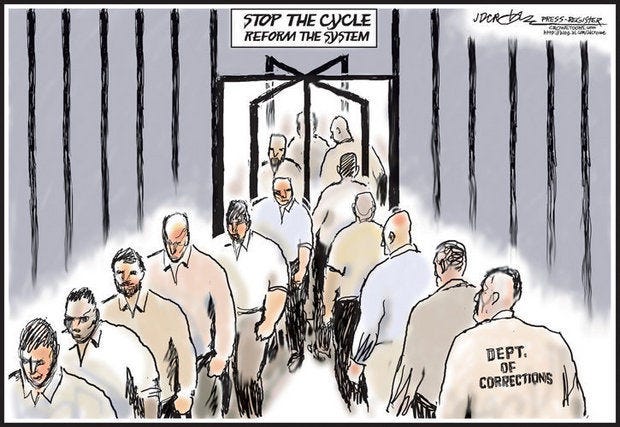
Recidivism, or the return to criminal behavior after incarceration, is a significant concern for public safety. Addressing it requires a combined approach involving government programs, community resources, family support, and drug rehabilitation. Government initiatives like the Second Chance Act support reintegration through job training and treatment services. Community resources offer educational and vocational training, while … Read more

Veteran and First Responder OUD

Substance abuse disorder is a significant issue for veterans and first responders, driven by trauma and stress inherent in their roles. Addressing this problem requires a comprehensive approach that includes self-management strategies, such as coping skills and structured routines, robust family support through education and open communication, and targeted community resources, such as specialized programs … Read more