VR in Addiction Therapy

Virtual Reality (VR) is becoming a valuable tool in addiction recovery, offering benefits like controlled exposure to triggers, enhanced engagement, and stress management. However, it also presents challenges, including physical discomfort, potential psychological impacts, and high costs. Ethical concerns related to privacy and informed consent, as well as equitable access, must be carefully managed. Community … Read more

AI in Sobriety Applications

Integrating artificial intelligence (AI) into sobriety apps for addiction therapy brings transformative potential by offering personalized support, real-time monitoring, and greater accessibility. While AI can enhance effectiveness and reach, it raises privacy concerns, algorithmic biases, and potential over-reliance on technology. Ethical dilemmas around data security, informed consent, and equity must be addressed. In real-world settings, … Read more

Alcohol Neurofeedback Therapy

Neurofeedback training is an approach in alcohol rehabilitation to regulate brain activity and manage addiction. Its advantages include being noninvasive, targeted, and potentially improving emotional and cognitive functions. However, it has drawbacks, including high costs, variable effectiveness, and potential side effects like fatigue and mood swings. Ethical dilemmas, such as concerns about informed consent, access, … Read more

Using Opioid Agonist Treatment

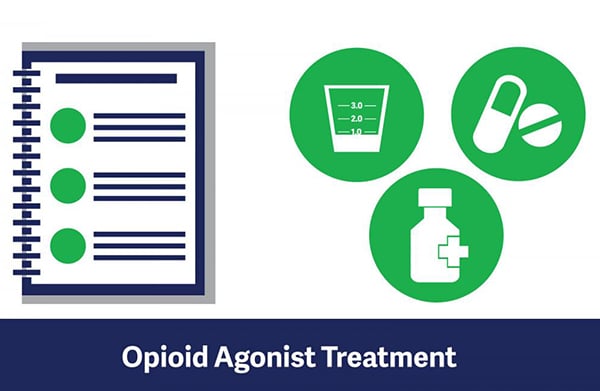
Opioid Agonist Therapy (OAT) is a treatment for opioid use disorder that uses methadone and buprenorphine to reduce withdrawal symptoms and cravings. While OAT lowers overdose risk and enhances stability, it may lead to side effects and long-term dependency concerns. Ethical dilemmas include substituting one opioid for another and ensuring equitable access to care. Effective … Read more

Buprenorphine Treatment

Fentanyl addiction needs higher doses of buprenorphine to treat fentanyl’s potency and manage cravings and withdrawal while reducing overdose risk. Self-management strategies like education, healthy coping, and strong family support for open communication are vital. Community resources, including harm reduction programs and naloxone distribution, promote a safer environment. Together, these efforts form a holistic framework … Read more

AI in Sobriety Apps

Integrating artificial intelligence (AI) into sobriety apps for addiction therapy brings transformative potential by offering personalized support, real-time monitoring, and greater accessibility. While AI can enhance effectiveness and reach, it raises privacy concerns, algorithmic biases, and potential over-reliance on technology. Ethical dilemmas around data security, informed consent, and equity must be addressed. In real-world settings, … Read more

Neurofeedback for Alcohol Rehab

Neurofeedback training in alcohol rehabilitation regulates brain activity and manages addiction. It offers advantages, including noninvasiveness and targeted delivery, and may improve emotional and cognitive functions. However, its drawbacks include high costs, variable effectiveness, and potential side effects like fatigue and mood swings. Ethical dilemmas, such as concerns about informed consent, access, and the strength … Read more

Deep Brain Stimulator Therapy

Deep brain stimulation (DBS) is a neurosurgical treatment involving electrode implantation to modulate brain activity. The device offers potential benefits for substance use disorder (SUD), like targeted treatment and long-term relief. However, DBS presents challenges, including invasiveness, high costs, variable effectiveness, and potential side effects, such as cognitive and emotional changes. Ethical concerns also arise … Read more

Biomarkers of Addiction Therapy

Biological markers (biomarkers) offer a promising approach to addiction treatment by enabling personalized care through insights into genetic, biochemical, and neurological factors. They improve diagnosis and treatment monitoring but also pose challenges, including high costs, complexity, and potential over-reliance on biological data. Ethical concerns include privacy, discrimination, and stigmatization, especially for vulnerable groups. Community resource … Read more

Substance Abuse Challenges

Substance abuse has complex challenges that affect individuals, families, and communities. These challenges include addiction, mental and physical health deterioration, social stigma, and economic instability. Addressing substance abuse requires a multifaceted approach. Government interventions, such as policies to expand access to treatment and reduce stigma, play a crucial role. Healthcare practice reforms, including integrating mental … Read more