Adult Children of Alcoholics

Parental alcoholism can profoundly affect older children, leading to emotional struggles, trust issues, and boundary-setting difficulties. Self-management strategies, like setting boundaries and practicing self-care, are crucial for coping. Family support fosters open communication and helps avoid enabling behaviors, while community resources, such as support groups and counseling, provide essential external support. These approaches collectively aid … Read more

Intensive Outpatient Program

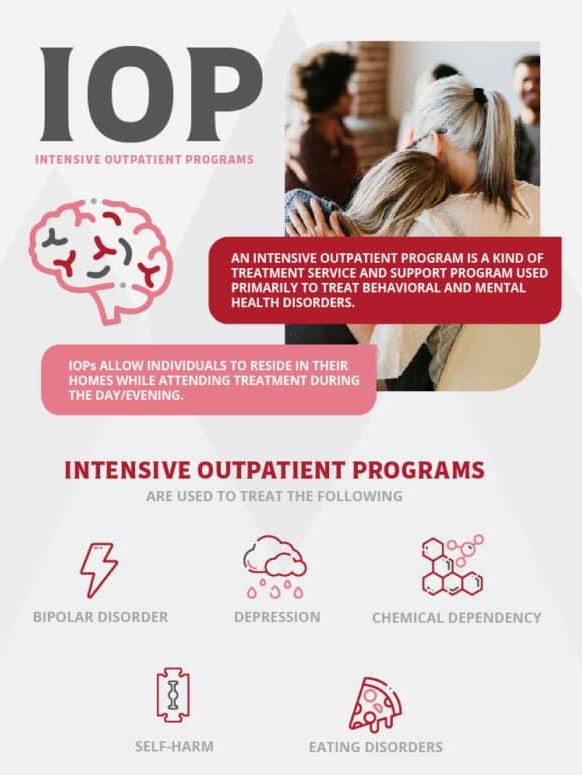
Intensive Outpatient Programs (IOPs) provide structured addiction treatment with flexibility for individuals to maintain daily routines. Offering more support than traditional outpatient therapy but less than inpatient care, IOPs include a range of therapies and peer support. However, challenges such as limited crisis support, varying program quality, and ethical issues related to autonomy can arise. … Read more

Gabapentin Addiction & Treatment

Gabapentin, used for neuropathic pain, seizures, and anxiety, can still lead to misuse and dependence due to its calming effects. Understanding its addictive properties, such as its impact on neurotransmitters, is crucial to recognizing the risks. Preventing gabapentin addiction involves self-management for responsible use, family support for healthy coping, and community resources offering education, alternative … Read more

GLP-1 Drug Treats Addiction

Glucagon-like peptide-1 (GLP-1) drugs are emerging as a promising treatment for addiction, especially in managing obesity and substance use disorders. Initially developed for type 2 diabetes, these medications help reduce cravings but come with side effects like gastrointestinal issues and pancreatitis risk. Disadvantages include high costs and the need for injections, along with ethical concerns … Read more

Exercise strengthens Recovery

Exercise influences brain chemistry by releasing endorphins and dopamine, easing withdrawal and cravings while enhancing mood and cognitive function. Challenges include overemphasis, accessibility issues, and the risk of exercise addiction, alongside potential side effects like injuries. Ethical concerns focus on equity, privacy, and unrealistic expectations. Community strategies for recovery include accessible fitness programs, gym partnerships, … Read more

CBD therapy for Fentanyl Addiction

CBD-based therapy for fentanyl addiction leverages cannabidiol to reduce cravings and withdrawal symptoms by modulating the endocannabinoid system. Benefits include reduced opioid dependency and a favorable safety profile, but challenges involve limited research, inconsistent product quality, and potential side effects like fatigue. Ethical issues include informed consent, regulation, and risks of misuse. Community strategies should … Read more

VX-548 for Chronic Pain Treatment

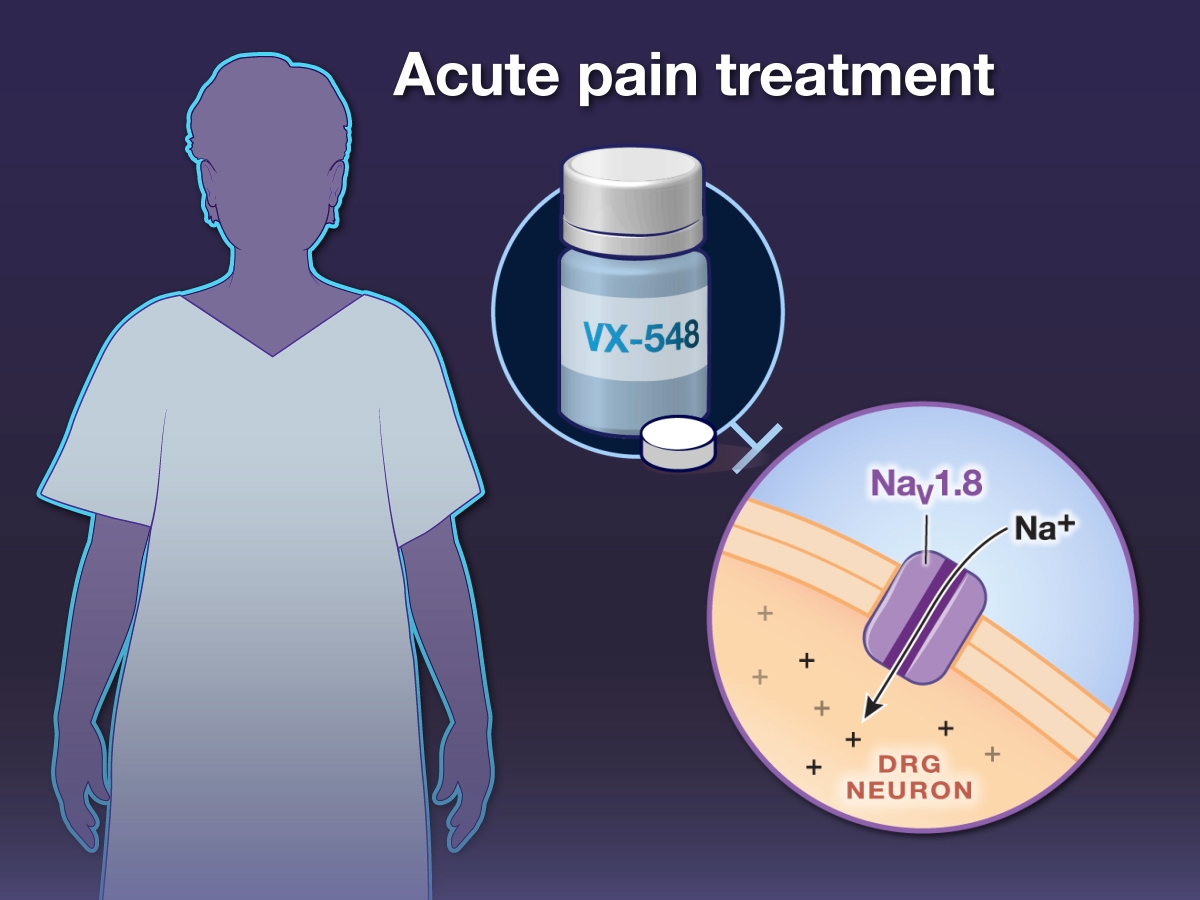
VX-548 is a new drug for managing chronic pain while reducing addiction risks by targeting Nav1.8 sodium channels, which are involved in pain signaling. It promises effective pain relief with less risk of dependency compared to traditional opioids. However, its potential disadvantages include limited long-term data, possible side effects like dizziness, and high costs. Ethical … Read more

Topamax for Addiction Treatment

Topamax (topiramate) is used in addiction treatment for alcohol and cocaine dependence by targeting brain pathways linked to cravings and impulse control. It helps reduce cravings but may cause cognitive impairment and mood changes. Ethical concerns include off-label use, patient autonomy, and long-term risks. Community resources like integrated care, education, and financial aid can help … Read more

Addiction as Chronic Brain Disease

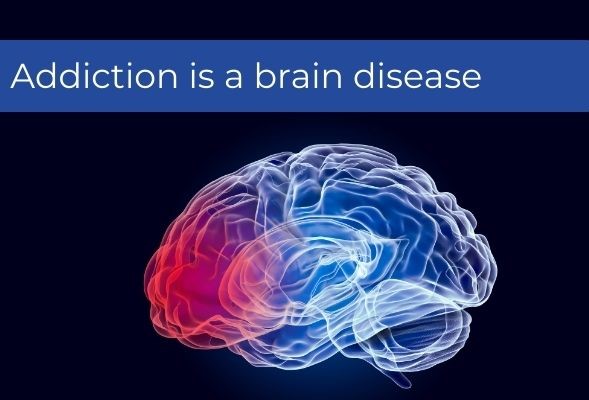
Addiction as a chronic brain disease provides understanding, supports comprehensive treatment, and reduces stigma. However, it also poses challenges, including an over-reliance on medication and ethical concerns about autonomy and medicalization. To address these issues, communities must implement education, integrated care, support networks, and policy advocacy strategies to ensure effective and equitable addiction management. Understanding … Read more

Ending Drug Abuse

Ending drug abuse requires a multifaceted approach, including practical strategies like seeking professional help and building supportive networks. Challenges such as limited access to treatment and stigma can hinder progress. Family support is vital, offering encouragement and setting boundaries, while community resources, such as treatment programs and prevention initiatives, provide essential support. Combining these elements … Read more