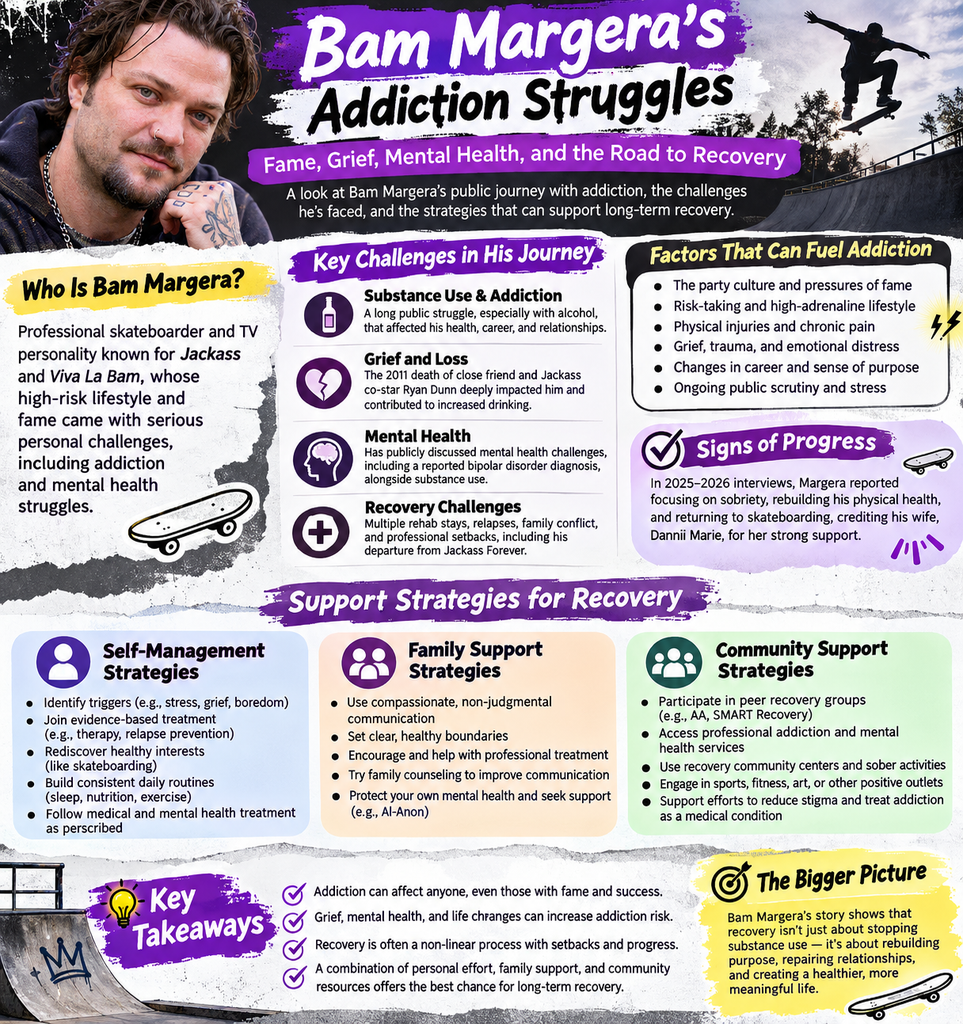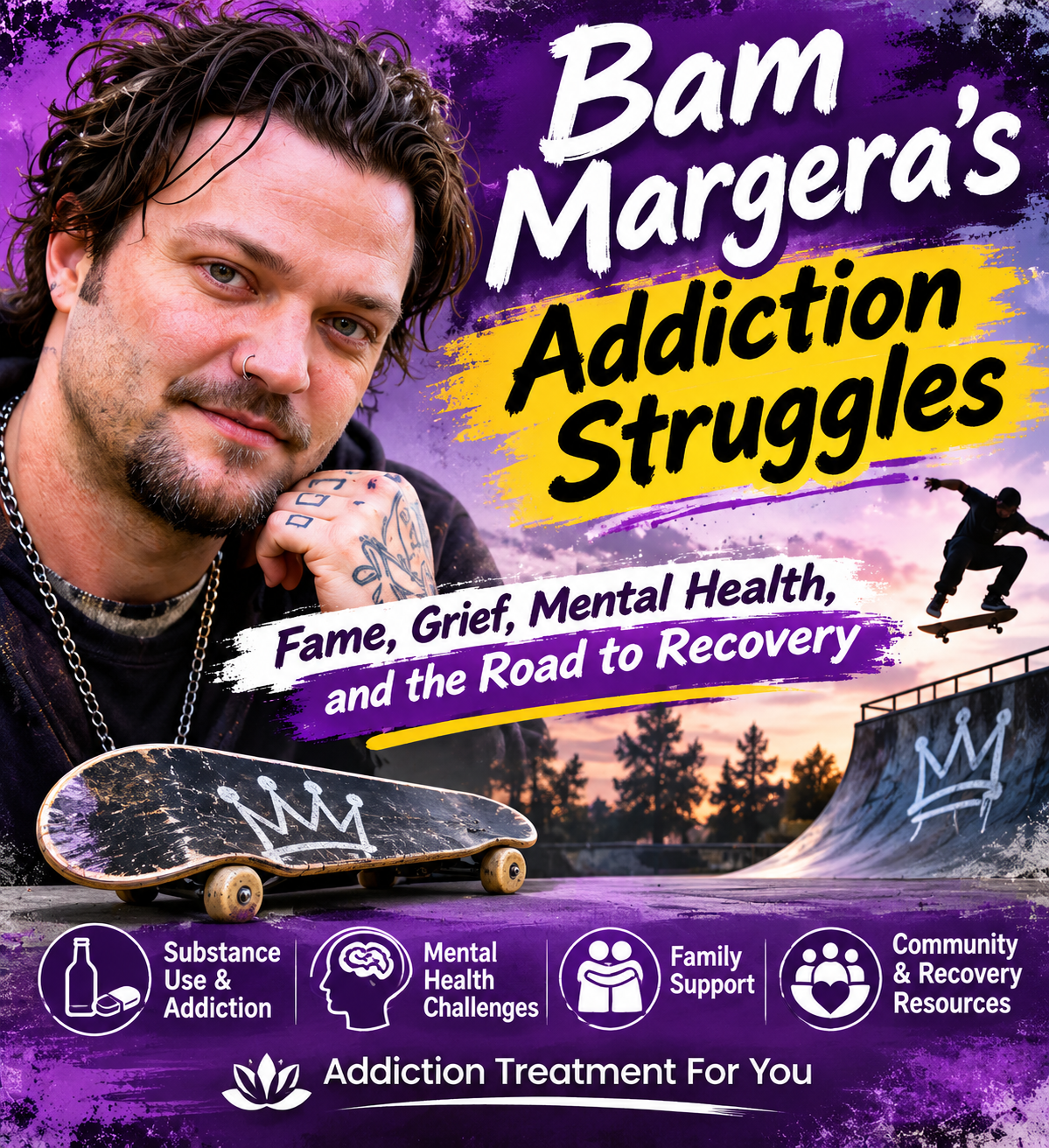
Bam Margera became a household name through his fearless skateboarding, outrageous stunts, and appearances on MTV’s Jackass and Viva La Bam. His rebellious personality, humor, and adventurous lifestyle made him an entertainment icon during the early 2000s.
However, behind the fame and success, Margera has faced significant challenges involving alcohol use, substance-related problems, mental health, grief, strained family relationships, and repeated attempts at recovery.
His highly publicized struggles demonstrate how addiction can affect individuals regardless of their wealth, fame, or professional accomplishments.
Margera’s experiences also highlight an important reality: Addiction is a chronic, treatable medical condition, and recovery often requires more than simply stopping substance use. Effective treatment addresses psychological distress, behavioral patterns, relationships, and the environment in which a person lives.
Understanding his journey can help individuals and families recognize the complexities of addiction while learning practical strategies for self-management, family involvement, and community support.
The Rise of Bam Margera: Fame, Risk-Taking, and Addiction
Bam Margera began his career as a talented skateboarder before gaining international recognition through Jackass. His lifestyle revolved around dangerous stunts, entertainment, parties, and pushing physical limits.
Although this lifestyle brought success, it also created an environment where alcohol consumption and risky behavior could become normalized.
Margera has described how alcohol became increasingly central to his life as his priorities shifted away from skateboarding.
Factors That May Contribute to Addiction in High-Pressure Careers
- Celebrity culture: Frequent exposure to alcohol, parties, and social pressure.
- Risk-taking behavior: Repeated exposure to intense stimulation can make ordinary activities seem less rewarding.
- Physical injuries: Chronic pain and reduced mobility may contribute to psychological distress.
- Loss of personal identity: Changes in professional success can leave individuals feeling directionless.
- Limited privacy: Public scrutiny may increase stress and complicate treatment.
These factors do not automatically cause addiction, but they can increase vulnerability when combined with biological, psychological, and environmental risks.
The Death of Ryan Dunn: Grief and Emotional Trauma
One of the most significant events in Margera’s life was the death of his close friend and fellow Jackass performer, Ryan Dunn, in a 2011 automobile accident.
Margera has publicly connected his escalating alcohol use with the grief he experienced following Dunn’s death.
In a July 2026 interview with Rolling Stone, Margera described drinking to escape painful memories and losing interest in skateboarding for years. Rolling Stone Canada+1
Understanding the Connection Between Grief and Addiction
Grief can produce overwhelming emotional responses, including sadness, anger, loneliness, guilt, and emotional numbness.
Some individuals use alcohol or drugs to temporarily escape these feelings. Unfortunately, substance use can interfere with healthy emotional processing and contribute to worsening depression, anxiety, and dependence.
Healthy grief-management strategies include:
- Participating in grief counseling or trauma-informed psychotherapy.
- Talking openly with trusted friends and family members.
- Developing healthy routines for sleep, nutrition, and exercise.
- Participating in meaningful activities that honor a deceased loved one.
- Learning to tolerate painful emotions without relying on substances.
- Seeking professional treatment when grief contributes to persistent functional impairment or substance misuse.
Grief does not follow a predictable timeline. Individuals need compassionate support rather than pressure to recover emotionally within a specific period.
Mental Health Challenges and Co-Occurring Disorders
Margera has publicly discussed mental health difficulties, including a reported bipolar disorder diagnosis, alongside his struggles with substance use.
His experiences demonstrate why mental health and addiction should be evaluated together rather than treated as unrelated conditions. However, public reporting cannot establish his current psychiatric diagnosis or clinical status. Rolling Stone Canada
Why Mental Health and Addiction Are Connected
Individuals experiencing untreated psychiatric symptoms may use alcohol or drugs to temporarily manage distress.
At the same time, substance use can worsen emotional instability, impair judgment, disrupt sleep, and complicate psychiatric treatment.
Common co-occurring conditions include:
- Depression and alcohol use disorder.
- Anxiety disorders and substance misuse.
- Bipolar disorder and substance use disorders.
- Post-traumatic stress disorder and addiction.
- Attention-deficit/hyperactivity disorder and substance-related problems.
Integrated treatment is particularly important when psychiatric and substance use disorders occur together.
This may involve psychiatric assessment, appropriate medications, evidence-based psychotherapy, substance use treatment, and coordinated follow-up.
For individuals with bipolar disorder, maintaining prescribed treatment and stable sleep routines can be especially important. Psychiatric medications should not be discontinued without professional supervision.
Rehabilitation, Relapse, and the Challenges of Recovery
Margera’s recovery journey has included multiple rehabilitation experiences, public controversies, family disagreements, and professional consequences.
His departure from Jackass Forever involved a disputed sobriety agreement and subsequent legal proceedings. The parties offered differing accounts of the circumstances.
In interviews, Margera has also criticized aspects of his previous rehabilitation experiences, including prolonged treatment placements and medication-related concerns. These are his reported experiences and should not be generalized to all treatment programs. Rolling Stone Canada
Why Addiction Recovery Can Be Difficult
Addiction affects brain circuits involved in motivation, reward, stress, and behavioral control.
Recovery may be complicated by:
- Environmental triggers and social pressures.
- Unresolved trauma or grief.
- Co-occurring psychiatric conditions.
- Lack of meaningful daily activities.
- Family conflict and relationship difficulties.
- Inadequate continuity of care following rehabilitation.
A return to substance use does not erase previous recovery progress. However, it is an important signal to reassess treatment needs and strengthen the recovery plan.
Self-Management Strategies: Taking Responsibility for Recovery
Self-management is a critical component of addiction recovery. It involves developing the skills needed to recognize triggers, regulate emotions, maintain treatment engagement, and build a healthier lifestyle.
Margera has described boredom as a major drinking trigger. He has also emphasized how returning to skateboarding helped him rediscover purpose and enjoyment.
In 2025 and 2026 interviews, he discussed sobriety, physical rehabilitation, and the importance of his renewed passion for skating. Complex+1
How to Stay Sober: 7 Proven Secrets
Identify triggers and warning signs
Recognize emotional and environmental situations associated with substance use, including boredom, loneliness, grief, anger, and stress. Record patterns in a journal and develop alternative responses.
Why Mental Health Pros are in Demand in Canada | Herzing College
Participate in evidence-based treatment
Cognitive behavioral therapy (CBT), motivational interviewing, and relapse prevention counseling can help individuals change unhelpful thinking patterns and strengthen coping skills.
Top Beginner Skates: A Complete Buying Guide
Rediscover healthy interests
Exercise, creative activities, volunteering, and meaningful hobbies can provide enjoyment, structure, and a sense of accomplishment without substance use.
Small Steps, Big Impact: Preventative Health Habits for a Healthier You – Hippotanicals
Build consistent daily routines
Prioritize adequate sleep, balanced meals, physical activity, scheduled appointments, and regular communication with supportive people.
Additional Medical Considerations
Individuals with moderate or severe alcohol use disorder may benefit from medications such as naltrexone or acamprosate when clinically appropriate.
People with significant physiological alcohol dependence should not attempt abrupt withdrawal without medical assessment. Alcohol withdrawal can cause seizures, delirium, and other life-threatening complications.
Some alternative interventions discussed by celebrities, including unregulated psychedelic ceremonies and kambo, have significant safety concerns and should not replace established addiction treatment.
Family Support Strategies: Helping Without Enabling
Margera’s addiction struggles have affected his relationships with relatives, romantic partners, friends, and professional colleagues.
His family members have publicly expressed concerns about his health and safety, while Margera has described disagreements over how his treatment was managed.
These conflicts illustrate how addiction can create tension between an individual’s autonomy and loved ones’ desire to protect them.
How Families Can Provide Effective Support
Practice compassionate communication.
Family members should communicate concerns without humiliation, threats, or personal attacks.
For example, rather than saying, “You are destroying this family,” a loved one might say, “I am worried about your drinking and want to help you find treatment.”
Establish healthy boundaries.
Boundaries help families protect their emotional, physical, and financial well-being.
Examples include:
- Refusing to provide money that may support substance use.
- Avoiding arguments when a loved one is intoxicated.
- Establishing expectations for respectful communication.
- Protecting children from unsafe or unpredictable situations.
- Supporting treatment while allowing individuals to take responsibility for their choices.
Encourage professional treatment.
Families can help identify qualified addiction specialists, arrange transportation to appointments, and encourage consistent follow-up.
Participate in family counseling.
Family therapy can improve communication, reduce conflict, address unhealthy relationship patterns, and strengthen recovery support.
Protect caregivers’ mental health.
Family members may experience anxiety, exhaustion, resentment, grief, and helplessness.
They should be encouraged to seek counseling, set personal boundaries, and join peer support groups.
Family Support Does Not Mean Controlling Recovery
One important lesson from Margera’s public experiences is that treatment relationships should respect patient autonomy whenever clinically and legally appropriate.
Families can offer encouragement and establish boundaries, but they cannot guarantee another person’s sobriety.
Recovery is more sustainable when individuals participate meaningfully in treatment decisions and develop personal motivation for change.
Community Support Strategies: Building a Recovery-Friendly Environment
Long-term recovery requires more than individual determination or family involvement.
Communities play an important role by providing accessible healthcare, peer support, safe social environments, and opportunities to rebuild a meaningful life.
Community Resources That Support Recovery
- Peer recovery groups: Alcoholics Anonymous, SMART Recovery, and other mutual-help programs offer connection and accountability.
- Professional addiction treatment: Outpatient clinics, intensive outpatient programs, residential treatment, and medication management provide different levels of care.
- Mental health services: Counseling and psychiatric treatment address co-occurring disorders.
- Recovery community centers: These organizations may offer mentoring, educational workshops, and sober social activities.
- Recreational programs: Sports, fitness, art, music, and community activities can help individuals rediscover healthy interests.
- Family education programs: Community workshops can teach relatives about addiction, communication, boundaries, and relapse prevention.
The Importance of Reducing Stigma
Public figures such as Margera often experience intense scrutiny when their addiction-related difficulties become visible.
Sensationalized reporting may reinforce the misconception that addiction represents a lack of character or willpower.
Communities can challenge stigma by treating addiction as a medical condition, promoting evidence-based treatment, and recognizing that recovery trajectories differ among individuals.
Bam Margera’s Recovery Progress and Renewed Purpose
In interviews published during 2025 and June–July 2026, Margera spoke positively about his sobriety-focused lifestyle, renewed physical health, and return to skateboarding.
He credited his wife, Dannii Marie, with helping him rebuild physical strength and reestablish healthier routines.
He also discussed how becoming more involved in skateboarding gave him goals and structure that had been missing during his years of heavy drinking. dbltap.com+1
These public statements suggest meaningful positive changes in his life. Nevertheless, interviews cannot independently verify continuous sobriety or predict long-term recovery outcomes.
Lessons From His Experiences
Margera’s story offers several important insights:
- Recovery can begin after years of serious substance-related problems.
- Grief and emotional distress deserve attention during addiction treatment.
- Healthy relationships can provide encouragement and accountability.
- Rediscovering meaningful activities can strengthen motivation to recover.
- Professional treatment should address both substance use and mental health.
- Personal responsibility and supportive environments work best together.
A Practical Relapse Prevention Plan
People experiencing challenges similar to Margera’s can benefit from a structured relapse prevention plan.
| Recovery area | Practical strategy |
|---|---|
| Emotional triggers | Identify stress, grief, anger, and boredom before they escalate |
| Craving management | Practice urge surfing, grounding techniques, and contacting support |
| Mental health | Maintain therapy, psychiatric follow-up, and prescribed treatment |
| Physical wellness | Establish consistent sleep, nutrition, and exercise habits |
| Family relationships | Practice healthy communication and respect boundaries |
| Social environment | Avoid high-risk situations and build sober friendships |
| Emergency planning | Know whom to contact when cravings or substance use become difficult to manage |
If a return to substance use occurs, the individual should seek prompt support rather than abandon treatment.
For alcohol use disorder, repeated withdrawal episodes can become medically dangerous, making professional assessment especially important.
What Families and Communities Can Learn From Bam Margera
Margera’s experiences illustrate that addiction rarely affects only one person.
Substance use disorders can influence family stability, employment, friendships, parenting, physical health, and psychological well-being.
His journey also demonstrates that recovery may involve rebuilding an identity beyond addiction.
For Margera, skateboarding has become a meaningful part of that process. For someone else, renewed purpose might come through parenting, education, employment, faith, volunteering, or creative expression.
The goal is not simply to eliminate alcohol or drugs. It is to develop a fulfilling life in which substance use is no longer the primary way of managing emotions or finding satisfaction.
Conclusion: Recovery Is About Rebuilding a Life
Bam Margera’s addiction struggles provide a powerful example of the complicated relationship between substance use, grief, mental health, fame, and family relationships.
His public experiences reveal how addiction can disrupt even the most successful careers and deeply affect the people who care about someone.
At the same time, his recent interviews about sobriety and rediscovering skateboarding offer an encouraging perspective on the possibility of meaningful change.
Effective recovery involves personal commitment, professional treatment, supportive relationships, healthy boundaries, and opportunities to rediscover purpose.
The most important lesson is that recovery is not defined by a person’s past mistakes. It is shaped by the support, treatment, and choices that help them move toward a healthier future.
No matter how complicated the journey becomes, individuals deserve access to compassionate, evidence-based care and opportunities to rebuild their lives.
Addiction and Mental Health Support Resources
For individuals and families seeking assistance:
- SAMHSA National Helpline: 1-800-662-HELP (4357), for confidential treatment referrals and information.
- 988 Suicide & Crisis Lifeline: Call or text 988 for immediate emotional or mental health crisis support in the United States.
- SMART Recovery: Evidence-informed recovery meetings and resources
- Al-Anon Family Groups: Support for families affected by another person’s drinking
- FindTreatment.gov: Search for substance use and mental health treatment services
Frequently Asked Questions and Answers
Understanding Bam Margera’s Addiction Journey
1. Who is Bam Margera, and why is his addiction journey widely discussed?
Bam Margera is an American professional skateboarder, television personality, and entertainer best known for MTV’s Jackass and Viva La Bam.
His addiction struggles attracted public attention because they involved repeated rehabilitation experiences, professional setbacks, family disagreements, and highly publicized personal difficulties.
His story demonstrates that fame and financial success do not protect individuals from substance use disorders.
2. What substances has Bam Margera struggled with?
Margera has publicly discussed significant problems with alcohol, as well as other substance-related concerns.
Alcohol has been the most consistently documented substance in his public accounts. His treatment experiences have also involved disagreements surrounding prescribed medications.
It is important to distinguish reported substance use from a medically confirmed substance use disorder involving a particular drug.
3. What contributed to Bam Margera’s addiction?
Addiction rarely develops from one cause. Margera has discussed several experiences that he associates with his alcohol use, including grief, emotional distress, boredom, and changes in his lifestyle.
Potential contributing factors include:
- Exposure to partying and alcohol during his entertainment career.
- Grief following the death of close friend Ryan Dunn.
- Psychological stress and mental health difficulties.
- Physical injuries and changes in his skateboarding career.
- Relationship difficulties and public scrutiny.
These circumstances may increase vulnerability, but they do not establish a single cause of his addiction.
4. How did Ryan Dunn’s death affect Bam Margera?
Ryan Dunn, Margera’s close friend and fellow Jackass performer, died in a car accident in June 2011.
Margera has publicly described Dunn’s death as a devastating loss and connected his grief with increased alcohol consumption.
Grief can contribute to substance misuse when alcohol or drugs become a way of temporarily escaping painful emotions.
Professional grief counseling, supportive relationships, and healthy coping strategies can help individuals process loss without relying on substances.
5. Has Bam Margera experienced mental health challenges?
Yes. Margera has publicly discussed mental health difficulties, including a reported bipolar disorder diagnosis.
Mental health symptoms and substance use can interact in complicated ways. Alcohol may worsen mood instability, interfere with sleep, and complicate psychiatric treatment.
However, his current psychiatric diagnosis and treatment needs cannot be established from media reports alone.
6. Why has Bam Margera attended rehabilitation multiple times?
Margera has undergone multiple treatment experiences related to his substance use and associated difficulties.
Repeated treatment does not necessarily indicate that recovery is impossible. Substance use disorders can be chronic conditions requiring ongoing care, treatment adjustments, and relapse prevention.
Some individuals benefit from residential rehabilitation, while others respond well to outpatient treatment, medication management, and community support.
The appropriate level of care depends on medical risks, psychiatric needs, substance use severity, and the individual’s circumstances.
Recovery, Relapse, and Mental Health
7. Is Bam Margera currently sober?
In interviews published in June and July 2026, Margera described maintaining a sobriety-focused lifestyle and returning to skateboarding.
He credited his renewed interest in physical fitness, his relationship with his wife, Dannii Marie, and his return to meaningful activities as important parts of his progress.
These statements are encouraging, although his current sobriety cannot be independently verified through public interviews. Rolling Stone Canada+1
8. How has skateboarding helped Bam Margera’s recovery?
Margera has described skateboarding as an important source of motivation, emotional relief, and personal identity.
Returning to skating gave him goals, structure, physical activity, and something meaningful to look forward to.
Healthy recreational activities can support addiction recovery by reducing boredom, improving mood, strengthening social connections, and providing alternatives to substance use.
However, recreational activities should complement, not replace, necessary medical or psychiatric treatment.
9. Why is relapse common during addiction recovery?
Substance use disorders involve changes in brain pathways associated with reward, motivation, stress, and behavioral control.
Relapse can occur when individuals encounter powerful triggers or when their treatment and coping strategies are insufficient for their current needs.
Common triggers include:
- Emotional distress, grief, and loneliness.
- Exposure to alcohol or drug-related environments.
- Relationship conflict.
- Sleep disturbances and untreated psychiatric symptoms.
- Boredom and loss of daily structure.
- Discontinuation of treatment or recovery support.
A relapse should prompt reassessment and renewed treatment engagement rather than shame or abandonment.
10. Can alcohol addiction permanently affect physical health?
Yes. Long-term excessive alcohol consumption can damage multiple organs and body systems.
Potential complications include liver disease, pancreatitis, cardiovascular problems, peripheral neuropathy, cognitive impairment, and nutritional deficiencies.
Margera has discussed physical deterioration during his years of heavy drinking and improvements after changing his lifestyle. Complex
Some alcohol-related complications improve with sustained abstinence and appropriate medical care, while others may cause permanent damage.
11. What treatments are effective for alcohol use disorder?
Evidence-based treatment depends on the severity of alcohol use disorder and the individual’s medical and psychiatric needs.
Treatment options include:
- Cognitive behavioral therapy (CBT).
- Motivational interviewing and motivational enhancement therapy.
- Relapse prevention counseling.
- Medications such as naltrexone or acamprosate when appropriate.
- Medically supervised withdrawal management when indicated.
- Intensive outpatient or residential treatment.
- Peer recovery programs and ongoing follow-up.
For individuals with co-occurring psychiatric disorders, integrated mental health and addiction treatment is particularly important.
12. What role does boredom play in addiction?
Boredom can become a powerful relapse trigger, especially when someone previously relied on alcohol or drugs for excitement, stimulation, or social interaction.
Margera identified boredom as an important trigger in his own drinking history. Rolling Stone Canada
Recovery strategies include establishing daily routines, pursuing hobbies, setting realistic goals, exercising, volunteering, and developing supportive friendships.
Family and Community Support
13. How has addiction affected Bam Margera’s family relationships?
Margera’s substance use difficulties have coincided with publicly reported family disagreements, custody-related conflicts, and strained personal relationships.
These experiences demonstrate how addiction can affect trust, communication, parenting, and family stability.
Family support is most effective when it combines compassion, appropriate boundaries, and encouragement to participate in professional treatment.
14. How can families support a loved one struggling with addiction?
Families can help by creating a supportive environment while respecting the individual’s responsibility for recovery.
Recommended strategies include:
- Communicating concerns calmly and without judgment.
- Encouraging professional addiction treatment.
- Participating in family counseling.
- Establishing healthy financial and emotional boundaries.
- Recognizing warning signs of relapse.
- Avoiding behaviors that unintentionally sustain harmful substance use.
- Seeking their own counseling or peer support.
Family members should remember that they can positively influence recovery, but they cannot control another person’s decisions.
15. What is the difference between supporting and enabling someone with addiction?
Supporting means encouraging healthy choices, treatment participation, accountability, and personal responsibility.
Enabling refers to behaviors that unintentionally protect someone from the consequences of continued substance use or make harmful behavior easier to continue.
For example, helping a loved one attend counseling is supportive. Repeatedly providing money that is knowingly used to purchase alcohol may sustain harmful behavior.
Families should establish boundaries without using punishment, humiliation, or threats as treatment strategies.
16. What community resources can help people facing addiction?
Community-based resources can provide emotional support, professional treatment, and opportunities to develop healthier lifestyles.
Examples include:
- Alcoholics Anonymous (AA).
- SMART Recovery.
- Recovery community organizations.
- Licensed addiction treatment programs.
- Community mental health centers.
- Peer recovery coaching.
- Family education workshops.
- Sober recreational and social programs.
These resources can help individuals build connections and maintain recovery beyond formal rehabilitation.
Lessons From Bam Margera’s Journey
17. Can someone recover after multiple rehabilitation attempts?
Yes. Many individuals achieve sustained recovery after experiencing repeated treatment episodes or setbacks.
Recovery is influenced by the quality of treatment, personal motivation, mental health needs, social support, and access to continuing care.
Previous treatment difficulties do not mean future treatment will fail.
18. How can someone manage grief without turning to alcohol or drugs?
Healthy grief-management strategies include counseling, journaling, physical activity, mindfulness, supportive conversations, and meaningful remembrance activities.
Individuals experiencing persistent depression, traumatic grief, or substance misuse should seek professional evaluation.
Grief does not need to disappear before recovery can begin. Treatment can help people process loss while developing healthier coping skills.
19. What are the warning signs that someone may be developing alcohol addiction?
Common warning signs include:
- Drinking more frequently or in larger amounts than intended.
- Difficulty reducing or stopping alcohol consumption.
- Continuing to drink despite relationship or health problems.
- Neglecting responsibilities.
- Experiencing strong cravings.
- Developing tolerance or withdrawal symptoms.
- Spending increasing amounts of time drinking or recovering from drinking.
A healthcare professional can evaluate these symptoms using established diagnostic criteria.
Important: Abruptly stopping alcohol after prolonged heavy use can cause dangerous withdrawal symptoms, including seizures and delirium. Medical evaluation is recommended before attempting withdrawal when physical dependence is suspected.
20. What is the biggest lesson from Bam Margera’s addiction struggles?
Margera’s experiences demonstrate that addiction can affect anyone, regardless of professional success, popularity, or financial resources.
His public discussions of grief, alcohol use, rehabilitation, family relationships, and renewed interest in skateboarding illustrate the importance of addressing the whole person during recovery.
Recovery is not simply about stopping substance use. It is about rebuilding physical health, emotional stability, relationships, purpose, and a meaningful future.
Video: