Stimulant Use in Fatal Overdoses

Stimulant use, including drugs like methamphetamine and cocaine, is increasingly linked to overdoses due to its dangerous effects on the body, such as cardiovascular strain and seizures. Overdose risks rise when stimulants are used in high doses or mixed with opioids like fentanyl. Stimulants are often used for energy and euphoria, but the risks are … Read more
Barriers to Buprenorphine

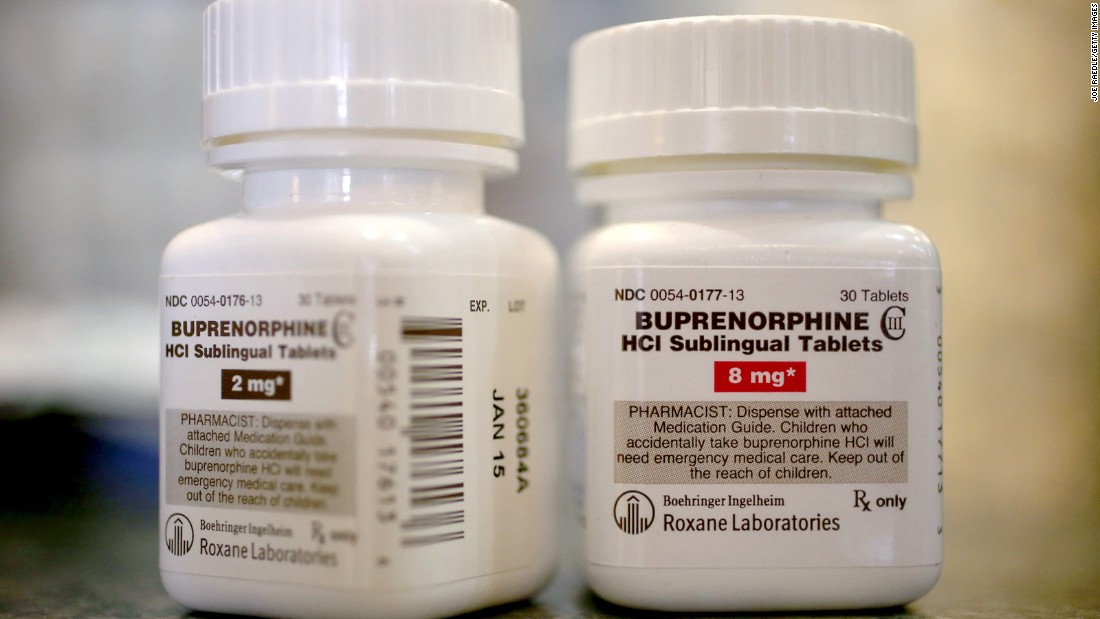
Buprenorphine is an effective treatment for opioid use disorder, helping to manage cravings and withdrawal. However, its use faces barriers like regulatory restrictions, stigma, and limited access. Government interventions, such as expanding prescribing authority and improving insurance coverage, are crucial to overcoming these obstacles. Despite its benefits, buprenorphine has side effects and raises ethical concerns, … Read more

Ibogaine for Addiction Treatment

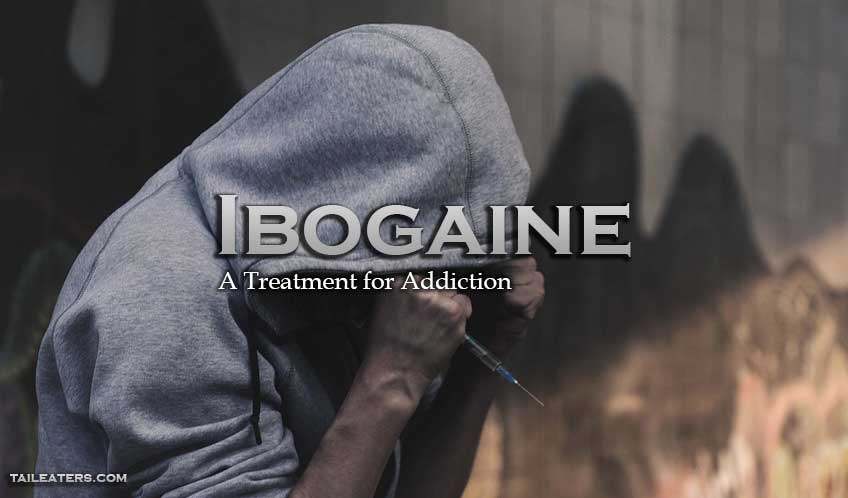
Ibogaine, derived from the Tabernanthe iboga plant, is used for addiction treatment due to its effects on neurotransmitter systems. However, it is not FDA-approved due to safety concerns, including cardiac and neurological risks and inconsistent dosing. While it is available in some other countries with more flexible regulations, the cost of treatment can be high, … Read more

Insurance Coverage for Addiction

Insurance gaps in addiction treatment create significant barriers to accessing care due to limited coverage, high costs, and insufficient financial support. Government intervention is vital in enhancing coverage and funding through policy reforms. Self-management strategies, like seeking alternative financing and negotiating with providers, help individuals overcome financial obstacles. Family support, including education and advocacy, is … Read more

Understanding Gambling Disorder

Gambling can become problematic due to psychological, social, and environmental factors. Issues arise from a need for excitement or to escape stress, leading to symptoms like preoccupation, chasing losses, and financial ruin. Compulsive gambling refers to uncontrollable urges, while pathological gambling is a more severe, clinically recognized disorder. Treatment options include therapy, support groups, and … Read more

Medetomidine Tranquilizer Abuse

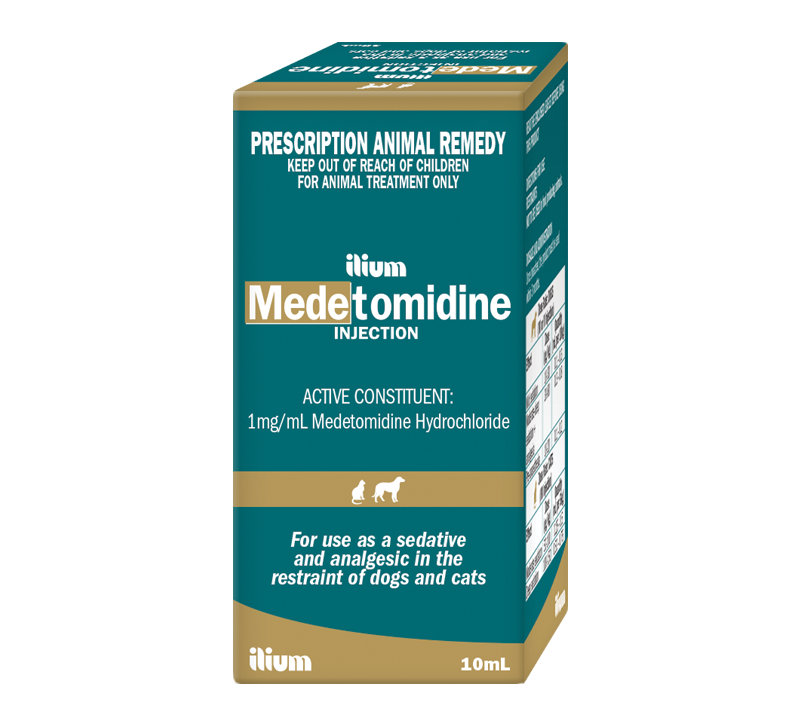
Medetomidine, a powerful sedative used in veterinary medicine for calming and anesthesia, can be misused due to its strong sedative effects. Inappropriate use by humans may lead to addiction and dependence, similar to other tranquilizers. Symptoms of misuse or overdose include severe drowsiness, slowed breathing, and potentially life-threatening complications. This highlights the need for strict … Read more

Teen Virtual Addiction Therapy

Virtual adolescent care programs for addiction therapy use digital platforms to offer accessible, convenient treatment for young people. Advantages include flexibility and increased reach, while disadvantages involve technology issues, privacy concerns, and challenges in building solid therapeutic bonds. Ethical dilemmas involve maintaining confidentiality, ensuring informed consent, and addressing access disparities. Balancing these factors is critical … Read more

Suboxone Alternatives

Suboxone alternatives, including methadone, naltrexone, buprenorphine alone, and Probuphine, offer various benefits and drawbacks for treating opioid use disorder (OUD). These alternatives can reduce cravings and withdrawal symptoms but may involve higher costs, availability issues, and ethical concerns. Challenges include accessibility, stigma, and long-term effectiveness. Understanding these factors is key to selecting the proper treatment … Read more

Hemp and Marijuana Differences

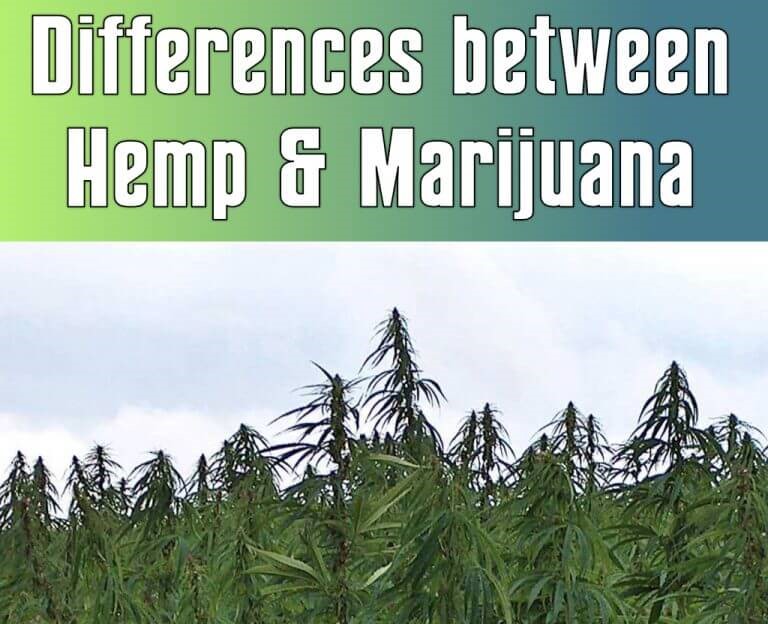
Hemp and CBD, both from Cannabis sativa, differ from marijuana. Hemp’s low THC makes it industrial, while CBD is non-psychoactive. Neither is typically addictive, though dependency can occur. Hemp offers medicinal benefits like anxiety relief and is more accepted legally due to low THC. Concerns include misuse, quality issues, ethical dilemmas tied to marijuana, legal … Read more

Free Drug or Alcohol Rehab

Implementing free or low-cost rehabs is essential for ensuring that addiction treatment is accessible to everyone, regardless of their financial situation. These programs are often funded by government grants, charitable organizations, and community-based initiatives, making it possible to provide necessary care to those who might otherwise be unable to afford it. Access to free or … Read more