Addiction affects millions of individuals and families, often creating devastating consequences for physical health, mental well-being, relationships, employment, and community safety. Yet misunderstanding, stigma, and fear continue to prevent many people from recognizing addiction and seeking appropriate treatment.
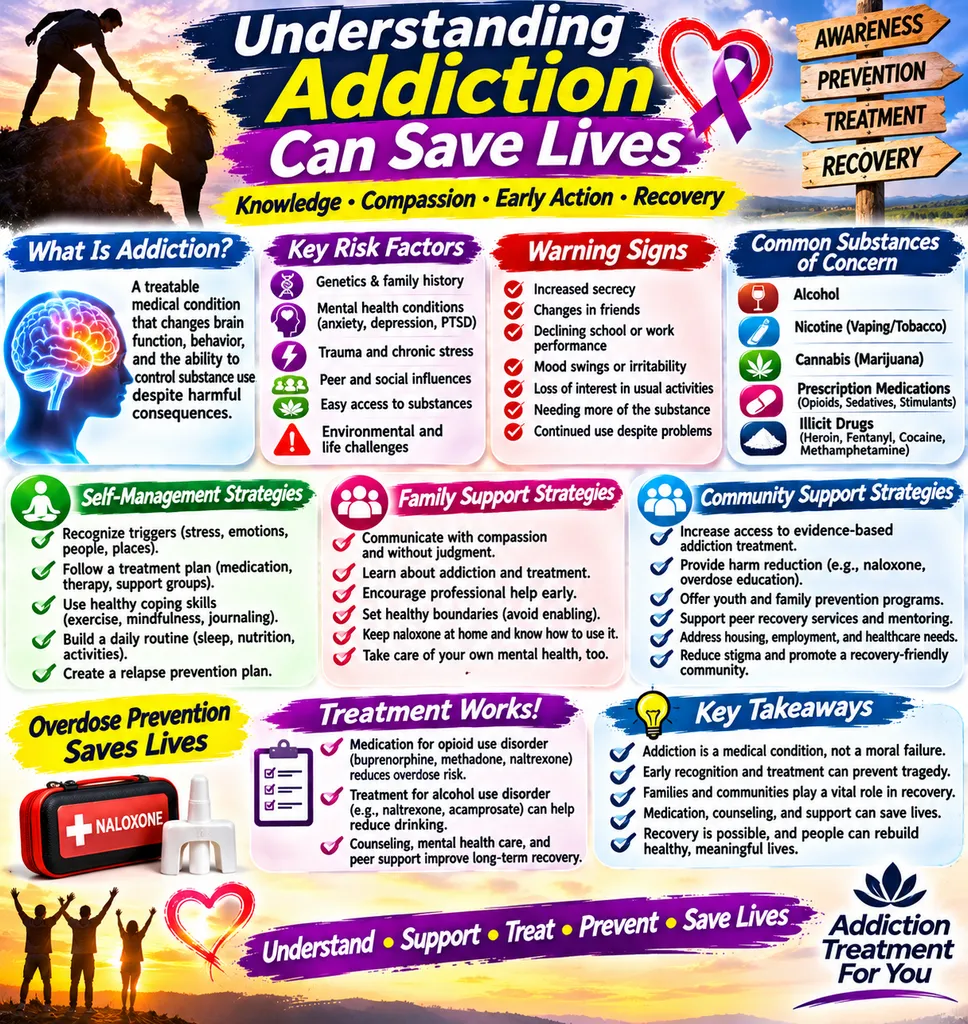
Substance use disorders are complex, treatable medical conditions involving changes in brain function, behavior, motivation, and the ability to control substance use despite harmful consequences.
Addiction is not simply a lack of willpower or a failure of personal responsibility. It develops through interactions among genetic vulnerability, environmental influences, psychological factors, trauma, and repeated substance exposure.
When individuals and families understand how addiction develops, recognize warning signs, and learn about effective treatment, they become better equipped to prevent overdose, encourage early intervention, and support recovery.
Understanding addiction can save lives because knowledge replaces judgment with action, fear with preparation, and hopelessness with opportunities for treatment.
This article explores the science of addiction, common misconceptions, early warning signs, overdose prevention, and practical self-management, family, and community support strategies.
What Is Addiction? Understanding the Medical Condition
Addiction, commonly diagnosed as a substance use disorder, involves a problematic pattern of substance use that causes clinically significant impairment or distress.
Individuals may experience difficulty controlling their substance use, strong cravings, and continued consumption despite harmful consequences.
Substances associated with addiction include:
- Alcohol.
- Opioids, including heroin, fentanyl, and certain prescription pain medications.
- Nicotine and tobacco products.
- Stimulants, including cocaine and methamphetamine.
- Cannabis.
- Sedatives and certain prescription medications.
Substance use disorders vary in severity, and not everyone who uses a substance develops addiction.
How Addiction Changes the Brain
Repeated substance exposure can affect brain circuits involved in reward, motivation, stress, learning, and decision-making.
Important brain systems include:
The reward system: Drugs may produce powerful reinforcing effects that encourage repeated use.
The prefrontal cortex: Changes in executive functioning can interfere with judgment, planning, and impulse control.
Stress and emotional regulation systems: Repeated substance use may increase sensitivity to stress and negative emotions.
Learning and memory pathways: Environmental cues associated with substance use can trigger powerful cravings.
These changes help explain why stopping substance use may be difficult even when someone understands the consequences.
However, brain function and behavior can improve with effective treatment, supportive environments, and sustained recovery.
Why People Develop Addiction: Understanding the Risk Factors
Addiction rarely results from one isolated cause.
Multiple biological, psychological, and social factors interact to influence vulnerability.
Genetic and Biological Factors
Genetic differences contribute substantially to individual susceptibility to substance use disorders.
A family history of addiction may increase risk, but it does not guarantee that a person will develop the condition.
Mental Health Conditions
Depression, anxiety, post-traumatic stress disorder, bipolar disorder, and other psychiatric conditions may coexist with substance use disorders.
Some individuals use substances to temporarily manage emotional symptoms.
Unfortunately, repeated substance use can worsen psychiatric symptoms and complicate treatment.
Trauma and Adverse Experiences
Childhood adversity, interpersonal violence, grief, neglect, and other traumatic experiences can increase vulnerability to substance misuse.
Trauma-informed care helps clinicians recognize these experiences without blaming individuals for their responses.
Environmental and Social Factors
Additional influences include:
- Peer substance use.
- Easy access to addictive substances.
- Chronic stress.
- Social isolation.
- Housing instability.
- Economic hardship.
- Family conflict.
- Limited access to healthcare.
Understanding these factors helps healthcare professionals and families develop individualized prevention and treatment strategies.
Recognizing the Early Warning Signs of Addiction
Early identification is one of the most important opportunities to prevent serious complications.
Signs may develop gradually and can differ depending on the substance and individual.
Behavioral Warning Signs
- Increasing secrecy about activities or spending.
- Neglecting responsibilities.
- Withdrawing from friends or family.
- Continuing substance use despite relationship problems.
- Repeated unsuccessful attempts to stop.
- Spending significant time obtaining or using substances.
- Abandoning previously enjoyable activities.
Physical Warning Signs
- Changes in sleep or appetite.
- Unexplained weight changes.
- Frequent intoxication.
- Impaired coordination.
- Unusual sedation or agitation.
- Withdrawal symptoms when substance use decreases.
Psychological Warning Signs
- Increased anxiety or irritability.
- Mood changes.
- Strong cravings.
- Difficulty concentrating.
- Emotional instability.
- Feeling unable to function without substances.
These signs are not diagnostic on their own and may have other medical or psychological explanations.
A professional assessment is necessary to determine whether a substance use disorder is present.
Understanding Overdose: Recognizing an Emergency Can Save a Life
One of the most immediate reasons to understand addiction is the ability to recognize and respond to an overdose.
Overdose can occur with opioids, alcohol, stimulants, sedatives, and combinations of substances.
Signs of an Opioid Overdose
- Unresponsiveness.
- Slow, irregular, or absent breathing.
- Gurgling or choking sounds.
- Blue, gray, or discolored lips or fingernails.
- Very small pupils, although this is not always present.
What to Do During a Suspected Opioid Overdose
- Call 911 immediately.
- Administer naloxone if available.
- Follow emergency dispatcher instructions for rescue breathing or CPR.
- Give additional naloxone doses as directed if the person does not respond.
- Stay with the individual until emergency responders arrive.
Naloxone reverses opioid-related respiratory depression and can prevent death when administered promptly.
It does not reverse overdoses caused solely by alcohol, benzodiazepines, or stimulants, but it should be given when opioid exposure is possible.
Recognizing Other Substance Emergencies
Severe alcohol poisoning may cause confusion, vomiting, seizures, dangerously slow breathing, or unconsciousness.
Stimulant toxicity may cause chest pain, overheating, seizures, severe agitation, or cardiac complications.
Any suspected severe overdose requires immediate emergency medical care.
Why Stigma Prevents People From Seeking Addiction Treatment
Stigma remains a major barrier to treatment.
Individuals experiencing addiction may fear being judged, losing employment, damaging relationships, or being treated unfairly by healthcare professionals.
Common misconceptions include:
- Addiction is simply a personal choice.
- People with addiction lack moral character.
- Treatment only works when someone reaches “rock bottom.”
- Medication treatment replaces one addiction with another.
- Relapse means treatment has failed.
- People cannot recover after years of substance use.
These beliefs are inaccurate or misleading.
Substance use disorders are treatable conditions, and effective interventions can reduce substance use, prevent overdose, and improve quality of life.
Replacing Stigma With Compassion
Families and communities can use person-first language, such as “person with opioid use disorder” rather than stigmatizing labels.
Compassion does not mean ignoring harmful behavior.
It means responding with appropriate boundaries, accountability, medical care, and respect.
People are more likely to seek help when they believe they will be treated with dignity.
Self-Management Strategies: Taking Steps Toward Recovery
Self-management involves recognizing personal risks, participating in treatment, and developing behaviors that support long-term health.
Recovery is individualized, and strategies should reflect the person’s medical condition, substance use history, and social circumstances.
Recognize Personal Triggers
Common triggers include:
- Emotional stress.
- Anxiety or depression.
- Relationship conflict.
- Chronic pain.
- Social environments associated with substance use.
- Isolation or boredom.
- Exposure to substance-related cues.
Individuals can create a written plan identifying triggers and healthier responses.
Seek Evidence-Based Treatment
Professional treatment may include medication, counseling, psychiatric care, and social support.
For opioid use disorder, buprenorphine and methadone substantially reduce overdose mortality.
For alcohol use disorder, medications such as naltrexone and acamprosate may reduce drinking or support abstinence when clinically appropriate.
Develop Healthy Coping Skills
Helpful strategies include:
- Cognitive behavioral therapy.
- Mindfulness and grounding exercises.
- Regular physical activity.
- Structured sleep routines.
- Journaling.
- Creative expression.
- Supportive social activities.
- Problem-solving and emotional regulation skills.
Create a Relapse Prevention Plan
A practical plan should identify warning signs, trusted contacts, treatment resources, and immediate steps to take if substance use resumes.
A return to substance use should lead to reassessment and additional support rather than abandonment of treatment.
Prioritize Medical Safety
People with significant alcohol or benzodiazepine dependence should not abruptly stop use without medical guidance because withdrawal can cause seizures and other life-threatening complications.
Individuals with opioid use disorder should have access to naloxone and effective medication treatment.
Family Support Strategies: Helping Without Enabling Harmful Behaviors
Addiction affects entire families.
Relatives may experience fear, frustration, financial stress, emotional exhaustion, and uncertainty about how to help.
Family education can reduce conflict and improve engagement in treatment.
Communicate Without Judgment
Families should express concerns using calm, specific observations.
For example:
“I’ve noticed that drinking has been affecting your sleep and work. I’m concerned about your health, and I want to help you find support.”
This approach is generally more productive than blame or humiliation.
Encourage Professional Treatment
Family members can help identify qualified addiction specialists, arrange transportation, and support attendance at medical appointments.
Learn Overdose Prevention
Families should recognize overdose symptoms, know how to administer naloxone, and understand when emergency services are needed.
Establish Healthy Boundaries
Boundaries may involve refusing to provide money that would knowingly support harmful substance use, protecting children from unsafe situations, and setting expectations for respectful behavior.
Participate in Family Counseling
Family therapy can help address communication difficulties, rebuild trust, and improve problem-solving.
Protect Caregiver Mental Health
Relatives may benefit from counseling, peer support, and respite.
Families can encourage treatment, but they cannot control another person’s recovery.
Community Support Strategies: Building Environments That Save Lives
Communities influence addiction outcomes through healthcare access, education, housing, employment opportunities, and social support.
Effective responses require collaboration among healthcare professionals, schools, public health agencies, recovery organizations, and policymakers.
Expand Access to Addiction Treatment
Communities should promote timely access to:
- Buprenorphine and methadone treatment.
- Alcohol use disorder medications.
- Behavioral health counseling.
- Psychiatric care.
- Residential treatment when clinically indicated.
- Recovery support services.
Increase Naloxone Distribution
Naloxone should be available in settings where opioid overdoses may occur, including community organizations, healthcare facilities, and households affected by opioid use.
Support Harm Reduction
Evidence-based harm reduction strategies include naloxone distribution, syringe services where legally available, drug-checking education, and low-barrier treatment access.
These interventions can reduce preventable harm and create opportunities for treatment engagement.
Strengthen Peer Recovery Programs
Peer recovery specialists use lived experience to help individuals navigate treatment systems, develop recovery goals, and build supportive relationships.
Address Social Determinants of Health
Recovery is more difficult when individuals lack stable housing, transportation, employment, or affordable healthcare.
Community programs should address these barriers alongside clinical treatment.
Promote Prevention Education
Schools, workplaces, and community organizations can provide accurate information about substance-related risks and available treatment resources.
Why Medication-Assisted Treatment Can Save Lives
Medication treatment is one of the most important advances in addiction medicine.
For opioid use disorder, buprenorphine and methadone reduce illicit opioid use, improve treatment retention, and lower mortality.
Extended-release naltrexone may be useful for selected individuals who have completed opioid withdrawal.
For alcohol use disorder, medications such as naltrexone and acamprosate can help reduce heavy drinking or maintain abstinence.
Common Misconceptions About Addiction Medication
Myth: Medication treatment simply substitutes one addiction for another.
Fact: Appropriately prescribed medications stabilize physiological processes, reduce cravings, and improve functioning.
Myth: Everyone must discontinue medication quickly.
Fact: Treatment duration should be individualized. Some patients benefit from long-term or indefinite medication treatment.
Myth: Counseling alone is always sufficient.
Fact: Counseling can be valuable, but medications are particularly important for reducing mortality in opioid use disorder.
Medication treatment should be discussed through shared decision-making between patients and qualified healthcare professionals.
Understanding Co-Occurring Mental Health Disorders
Substance use disorders frequently coexist with psychiatric conditions.
Common co-occurring disorders include:
- Major depressive disorder.
- Anxiety disorders.
- Post-traumatic stress disorder.
- Bipolar disorder.
- Schizophrenia and other psychotic disorders.
- Attention-deficit/hyperactivity disorder.
Mental health symptoms may contribute to substance use, while substances may worsen psychiatric conditions or complicate diagnosis.
Why Integrated Treatment Matters
Integrated treatment addresses substance use and mental health conditions together rather than treating them as unrelated problems.
This may involve psychiatric evaluation, appropriate medications, psychotherapy, addiction treatment, and coordinated follow-up.
Patients with severe mental illness may require additional support for medication adherence, housing stability, and ongoing care.
Addiction and Relapse: Understanding Recovery as a Process
Recovery does not always follow a straight path.
Some individuals achieve sustained remission after initial treatment, while others experience periods of recurrence and require additional care.
A return to substance use does not erase previous progress.
However, it can be medically dangerous, particularly when opioid tolerance has decreased.
Strategies for Responding to Recurrence
- Seek medical reassessment promptly.
- Identify factors contributing to renewed substance use.
- Reevaluate medication treatment.
- Strengthen behavioral and social supports.
- Update overdose prevention plans.
- Address untreated mental health conditions.
- Maintain compassionate accountability.
The goal is to respond early and prevent further harm.
A Practical Addiction Awareness and Life-Saving Action Plan
| Area | Recommended action | Potential benefit |
|---|---|---|
| Addiction education | Learn about substance use disorders and treatment | Reduces stigma and misinformation |
| Early recognition | Identify concerning behavioral and physical changes | Encourages timely evaluation |
| Overdose prevention | Keep naloxone available and learn emergency response | Reduces risk of fatal opioid overdose |
| Medical treatment | Access evidence-based addiction medications | Improves treatment outcomes |
| Mental health | Screen and treat co-occurring disorders | Supports overall stability |
| Self-management | Identify triggers and practice coping skills | Strengthens recovery |
| Family support | Communicate compassionately and maintain boundaries | Improves safety and relationships |
| Community services | Expand treatment and harm reduction access | Reduces barriers to care |
| Long-term recovery | Maintain follow-up and relapse prevention plans | Supports sustained improvement |
What Healthcare Professionals Can Do to Save Lives
Healthcare professionals, including physician assistants, physicians, nurses, pharmacists, and behavioral health specialists, play essential roles in identifying and treating addiction.
Screen for Substance Use
Routine, nonjudgmental screening can identify unhealthy substance use before severe complications develop.
Use Motivational Interviewing
Motivational interviewing helps patients explore ambivalence and identify personal reasons for change.
Offer Evidence-Based Treatment
Clinicians should provide or facilitate access to appropriate medications and behavioral health services.
Educate Patients About Overdose Prevention
Patients at risk of opioid overdose should receive naloxone education and access.
Coordinate Care
Effective addiction treatment may require collaboration among primary care, psychiatry, addiction medicine, social work, and community recovery programs.
Maintain Respectful Communication
Patients should feel safe discussing substance use without fear of humiliation or unnecessary judgment.
Lessons That Can Save Lives
Understanding addiction leads to several important conclusions:
- Addiction is treatable. Effective medical and psychosocial interventions are available.
- Early intervention matters. Recognizing problems before severe consequences develop can improve outcomes.
- Overdose prevention saves lives. Naloxone and emergency response training are essential.
- Medication treatment works. Evidence-based medications reduce serious complications and mortality.
- Mental health care matters. Co-occurring conditions require appropriate evaluation and treatment.
- Families need support. Education, boundaries, and counseling strengthen the recovery environment.
- Communities influence recovery. Housing, healthcare access, and peer support affect long-term outcomes.
- Compassion encourages treatment. Stigma can delay care and increase preventable harm.
- Recovery is possible. People can regain health, rebuild relationships, and develop meaningful lives.
Conclusion: Knowledge, Compassion, and Action Can Save Lives
Understanding addiction is more than recognizing the harmful effects of drugs and alcohol.
It involves understanding how substance use disorders develop, identifying warning signs, responding to overdose, and connecting individuals with effective treatment.
Self-management strategies help individuals recognize triggers, develop healthier coping skills, and remain engaged in recovery.
Family support provides emotional encouragement, practical assistance, and appropriate boundaries.
Community programs strengthen prevention, expand access to treatment, and reduce stigma.
Healthcare professionals contribute through early screening, evidence-based medications, coordinated care, and overdose prevention education.
Understanding addiction can save lives because informed individuals and communities are better prepared to recognize danger, respond compassionately, and connect people with the treatment they need.
No one should have to wait until a crisis becomes life-threatening before receiving help.
With education, accessible treatment, and continued support, recovery is possible and preventable deaths can be reduced.
Addiction Treatment and Crisis Resources
- SAMHSA National Helpline: 1-800-662-HELP (4357) — Confidential treatment referral information.
- FindTreatment.gov — Locate addiction and mental health treatment services.
- National Institute on Drug Abuse — Scientific information about addiction and treatment.
- CDC Overdose Prevention — Overdose education and prevention resources.
- SAMHSA — Mental health, substance use, and recovery resources.
- 988 Suicide & Crisis Lifeline: Call or text 988 for mental health crisis support in the United States.
For a suspected overdose or immediate medical emergency, call 911.
Frequently Asked Questions and Answers
Understanding Addiction and Its Causes
1. What is addiction, and why is it considered a medical condition?
Addiction is a condition characterized by impaired control over substance use, cravings, and continued use despite harmful consequences.
Substance use disorders involve changes in brain circuits responsible for reward, motivation, stress, learning, and decision-making.
These changes help explain why someone may continue using a substance even after recognizing its harmful effects.
Addiction is considered a treatable medical condition because it has identifiable clinical features and responds to evidence-based interventions, including medication, behavioral therapy, and supportive services.
2. Is addiction a choice or a disease?
The decision to initially use a substance may involve personal choice, but addiction is not simply a matter of choosing to continue using it.
Repeated substance exposure can alter brain function and contribute to compulsive patterns of use.
Genetics, trauma, mental health conditions, environmental stress, and substance availability also influence vulnerability.
Recognizing addiction as a medical condition does not eliminate personal responsibility. It supports a more effective approach based on treatment, accountability, and compassion.
3. What causes someone to develop an addiction?
Addiction develops through interactions among biological, psychological, and environmental factors.
Common risk factors include:
- Genetic susceptibility and family history.
- Early substance exposure.
- Trauma and adverse childhood experiences.
- Anxiety, depression, and other mental health conditions.
- Chronic stress.
- Social isolation.
- Peer influences.
- Easy access to addictive substances.
- Housing or financial instability.
No single factor guarantees that someone will develop a substance use disorder.
4. Can addiction affect anyone, regardless of age or background?
Yes. Substance use disorders can affect adolescents, young adults, parents, professionals, older adults, and individuals from every socioeconomic group.
Some people maintain employment and family responsibilities while experiencing significant substance-related problems.
Others experience rapid deterioration in physical health or daily functioning.
Professional success or financial stability does not rule out addiction.
5. What is the difference between physical dependence, tolerance, and addiction?
These terms describe related but different processes.
Tolerance occurs when repeated exposure to a substance reduces its effects, sometimes leading to increased consumption.
Physical dependence develops when the body adapts to a substance and withdrawal symptoms occur when use is reduced or stopped.
Addiction involves problematic substance use characterized by impaired control, cravings, and continued use despite harm.
A person taking prescribed medication may develop physical dependence without meeting diagnostic criteria for addiction.
Recognizing Addiction Before It Becomes Life-Threatening
6. What are the early warning signs of addiction?
Early warning signs may include:
- Increasing substance use.
- Difficulty limiting consumption.
- Strong cravings.
- Neglecting responsibilities.
- Changes in sleep or appetite.
- Secrecy about substance use.
- Relationship difficulties.
- Continued use despite health problems.
- Unsuccessful attempts to stop.
These signs should prompt a supportive conversation and, when appropriate, professional evaluation.
7. How can families recognize hidden addiction?
Some individuals conceal substance use because of shame, fear, or concerns about consequences.
Possible indicators include unexplained financial problems, frequent intoxication, inconsistent explanations, withdrawal symptoms, or declining performance at work or school.
However, these behaviors are not proof of addiction.
Families should avoid making accusations based on isolated observations and instead encourage honest communication and appropriate assessment.
8. Can someone have an addiction without appearing intoxicated?
Yes. Individuals with established substance use disorders may develop tolerance and appear relatively functional despite significant substance use.
Some people continue working, attending school, or maintaining social relationships while experiencing cravings, withdrawal symptoms, and loss of control.
This is one reason routine screening and early intervention are important.
9. Why do people continue using drugs or alcohol despite serious consequences?
Repeated substance use can change reward processing, stress responses, and learned behaviors.
Cravings, withdrawal symptoms, emotional distress, and environmental triggers may make stopping difficult.
Some individuals also use substances to temporarily cope with trauma, anxiety, depression, or chronic pain.
Effective treatment addresses these biological, psychological, and social influences rather than relying on willpower alone.
10. Why is early intervention important in addiction treatment?
Early intervention may prevent worsening substance use, medical complications, relationship damage, and overdose.
It can also help individuals access treatment before severe functional impairment develops.
Healthcare professionals may use screening tools, motivational interviewing, brief interventions, and referral services.
People do not need to reach a crisis or “rock bottom” before receiving treatment.
Overdose Prevention: Recognizing and Responding to Emergencies
11. What are the warning signs of an opioid overdose?
Common signs include:
- Unresponsiveness or inability to awaken the person.
- Slow, irregular, or absent breathing.
- Gurgling or choking sounds.
- Blue, gray, or discolored lips or fingernails.
- Very small pupils, although this is not always present.
An opioid overdose can cause respiratory failure and death within minutes.
Immediate emergency response is essential.
12. What should someone do if they suspect an opioid overdose?
An opioid overdose is a medical emergency.
- Call 911 immediately.
- Administer naloxone if available.
- Follow dispatcher instructions for rescue breathing or CPR.
- Administer additional naloxone doses as directed if the person does not respond.
- Stay with the individual until emergency responders arrive.
Naloxone can temporarily reverse opioid-induced respiratory depression, but emergency evaluation remains necessary because its effects may wear off before those of the opioid.
13. What is naloxone, and how does it save lives?
Naloxone is an opioid antagonist that rapidly reverses opioid-related respiratory depression.
It is available in formulations such as nasal sprays and injectable products.
Naloxone can reverse overdoses involving opioids such as heroin, fentanyl, oxycodone, and morphine.
It does not reverse poisoning caused solely by alcohol, benzodiazepines, or stimulants, but it should be administered when opioid exposure is suspected.
Naloxone does not produce intoxication and has no addictive potential.
14. Can someone overdose after a period of sobriety?
Yes. After a period without opioids, tolerance may decrease substantially.
If a person resumes opioid use at a previously tolerated dose, the risk of fatal overdose can be much higher.
This is especially concerning after detoxification, incarceration, hospitalization, or treatment interruption.
Continuing evidence-based medication treatment and maintaining access to naloxone can reduce risk.
15. What other substance-related emergencies should families recognize?
Severe alcohol poisoning may cause vomiting, confusion, seizures, dangerously slow breathing, or unconsciousness.
Stimulant toxicity may cause chest pain, overheating, seizures, severe agitation, or cardiac complications.
Alcohol or benzodiazepine withdrawal can also cause life-threatening seizures and delirium.
Any suspected poisoning, severe withdrawal, or medical emergency requires immediate professional care.
Treatment and Self-Management Strategies
16. What treatments are most effective for addiction?
Effective treatment depends on the substance, severity of the disorder, co-occurring conditions, and individual needs.
Evidence-based options include:
- Medication treatment.
- Cognitive behavioral therapy.
- Motivational interviewing.
- Contingency management.
- Family-based therapy.
- Peer recovery support.
- Psychiatric treatment for co-occurring conditions.
- Residential or outpatient treatment when appropriate.
For opioid use disorder, buprenorphine and methadone are especially important because they substantially reduce overdose mortality.
For alcohol use disorder, medications such as naltrexone and acamprosate can help reduce drinking or support abstinence.
17. Can addiction be treated successfully without rehabilitation?
Yes. Many individuals receive effective treatment through outpatient programs, primary care, addiction medicine clinics, or community behavioral health services.
Residential rehabilitation may be appropriate for selected individuals who need intensive support, but it is not necessary for everyone.
The most appropriate level of care depends on medical stability, withdrawal risk, psychiatric symptoms, substance use severity, and available support.
Treatment should be individualized rather than based on a single approach.
18. What self-management strategies support long-term recovery?
Self-management strategies help individuals recognize risks and maintain engagement in treatment.
Helpful approaches include:
- Identifying triggers and warning signs.
- Following prescribed medication treatment.
- Participating in counseling.
- Practicing mindfulness and emotional regulation.
- Maintaining regular sleep and nutrition.
- Engaging in physical activity.
- Developing supportive relationships.
- Creating a relapse prevention plan.
- Seeking help promptly when cravings or symptoms increase.
Self-management should complement professional treatment rather than replace it.
19. Does relapse mean addiction treatment has failed?
No. A return to substance use does not necessarily mean that all treatment progress has been lost.
However, recurrence can be dangerous and should be taken seriously.
Treatment may need to be adjusted to address new triggers, psychiatric symptoms, medication needs, or social stressors.
Individuals should be encouraged to reengage with care promptly.
Relapse prevention and overdose safety planning are important components of ongoing treatment.
20. Can someone recover from addiction after many years of substance use?
Yes. Recovery remains possible even after prolonged or severe substance use.
With effective treatment, individuals may experience improvements in physical health, psychological functioning, relationships, and quality of life.
Some people achieve sustained abstinence, while others experience recovery through long-term medication treatment and substantial reductions in substance-related harm.
Recovery goals should be individualized and medically appropriate.
Family Support: Helping Loved Ones Safely
21. How can families support someone struggling with addiction?
Families can support recovery through education, compassionate communication, practical assistance, and healthy boundaries.
Helpful strategies include:
- Learning about substance use disorders.
- Encouraging professional treatment.
- Avoiding blame and humiliation.
- Keeping naloxone available when opioid overdose is a risk.
- Participating in family counseling.
- Supporting treatment attendance.
- Establishing clear expectations for safety.
- Seeking emotional support for themselves.
Family involvement can improve treatment engagement, but relatives cannot control another person’s recovery decisions.
22. What is the difference between helping and enabling addiction?
Helping involves supporting health, safety, access to treatment, and personal responsibility.
Enabling is commonly used to describe behaviors that unintentionally protect someone from consequences or sustain harmful substance use.
Examples of healthy support include providing transportation to treatment, helping obtain naloxone, and offering emotional encouragement.
Families may establish boundaries around financial assistance, unsafe behavior, or repeated violations of household expectations.
Boundaries should be compassionate, realistic, and focused on safety rather than punishment.
23. What should families do if a loved one refuses addiction treatment?
Families can continue expressing concern, offering treatment information, and maintaining supportive communication.
Motivational approaches may be more productive than confrontation or threats.
Relatives should also establish boundaries that protect their own health and safety.
Family counseling and programs such as Community Reinforcement and Family Training (CRAFT) may help relatives encourage engagement in treatment.
If the person is experiencing an overdose, severe intoxication, suicidal crisis, or another immediate danger, emergency intervention may be necessary.
Community Support and Addiction Awareness
24. How can communities help prevent addiction and overdose deaths?
Communities can reduce addiction-related harm by expanding access to evidence-based treatment and prevention services.
Important strategies include:
- Increasing access to buprenorphine and methadone.
- Distributing naloxone.
- Providing overdose recognition training.
- Supporting harm reduction services.
- Offering youth substance use prevention programs.
- Expanding mental health care.
- Supporting peer recovery specialists.
- Addressing housing and transportation barriers.
- Reducing stigma in healthcare and public services.
Community responses are strongest when individuals with lived experience help design and evaluate programs.
25. What is the most important lesson about understanding addiction?
The most important lesson is that addiction is treatable, overdose deaths are often preventable, and compassionate early intervention can save lives.
Understanding addiction helps individuals recognize warning signs, access effective care, and respond appropriately during emergencies.
It also helps families replace blame with informed support and encourages communities to develop accessible treatment and prevention services.
Recovery becomes more achievable when education, medical treatment, family involvement, and community resources work together.
Video: