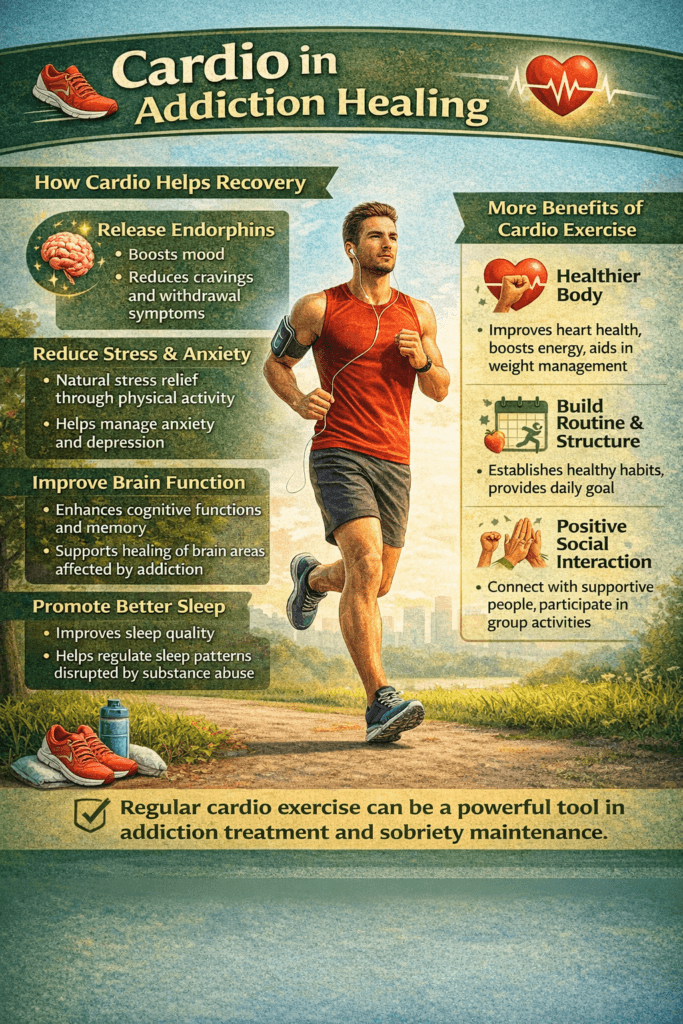
If you’ve ever wondered if cardio exercise truly helps during addiction recovery, you’re definitely not alone. Fitness coaches and addiction counselors have talked up the benefits of lacing up your running shoes or hopping on a bike as part of healing from addiction. For anyone aiming to rebuild physical and mental health, getting a sense of how cardio fits into the picture is really important. Here’s a super detailed guide on what cardio can (and can’t) do when it comes to addiction recovery.
Understanding Cardio’s Role in Recovery
Cardio is short for cardiovascular exercise. It covers activities like running, brisk walking, cycling, swimming, or even dancing. These are all things that get your heart rate up and keep you moving for a decent stretch. When it comes to addiction recovery, exercise isn’t just about burning calories or getting a six-pack; it can play a bigger role in boosting mood, improving sleep, and fighting off cravings.
The reasons behind cardio’s positive reputation in recovery mostly come from how it affects your brain and body chemistry. During addiction, the brain’s reward system gets completely thrown off balance. Cardio helps kick-start the release of feel-good hormones, such as endorphins and dopamine. These hormones do more than just push back against cravings—they also help with symptoms of depression and anxiety, which often tag along with recovery.
I’ve seen people in recovery share stories about how even a short morning walk can set a positive tone for the day. Others swear by repeating movements, such as jogging, to manage restlessness and stress. Of course, none of this happens instantly, and cardio isn’t a replacement for professional addiction treatment. But making exercise a regular habit can give a real boost to a recovery plan.
Science: How Cardio Impacts the Recovering Brain
Your brain goes through a lot during addiction, and changes can linger for quite a while. A lot of research points out the brain’s “neuroplasticity”—its ability to adapt and rewire itself even after years of substance use. Cardio gives this process a real push by helping the brain build new connections and mend old ones.
One standout benefit comes from the way regular cardio helps tone down stress hormones like cortisol. High stress and anxiety are popular relapse triggers, so by moving your body, you help calm down those signals, making it easier to resist old habits.
Exercise is also linked to better sleep. If there’s one thing that consistently helps with healing, it’s getting some decent sleep. A study published in peer-reviewed journals reports improved sleep quality among people who incorporate moderate exercise into their recovery routines. Better sleep makes coping with cravings, fatigue, and negative moods much more manageable.
Then there’s dopamine. Many addictive substances send a flood of dopamine through the brain’s reward pathway, creating a “high.” Cardio doesn’t spike dopamine the same way, but it brings things closer to balance—giving your brain healthier ways to find satisfaction and joy. That’s why, after a few weeks of sticking with cardio, many people report feeling brighter, sharper, and more in control.
Choosing Cardio That Works for You
There’s no single “right way” to work cardio into addiction recovery. What matters most is finding something you’ll actually stick with. Motivation doesn’t always run high at the start, especially if you’re low on energy or withdrawal symptoms are in the mix. Here are a few options worth a try if you’re just getting started:
- Walking: Low-pressure and easy to fit into your daily routine—even if it’s just 10 minutes at a time.
- Cycling: Cruising through your neighborhood or using a stationary bike indoors; a good choice if you like to mix it up.
- Swimming: Perfect if joint pain is an issue, because it’s gentle on the body but still gets your heart pumping.
- Dancing: Whether you join a class, watch a YouTube video, or blast music at home, dancing can put you in a good mood fast.
The best cardio routine is truly the one you enjoy. If you start dreading it, mix it up—try a new type, change scenery, or invite a friend along. Many people use fitness trackers or mobile apps to check on their progress. Others just focus on moving a little more today than the day before.
Common Challenges (and How to Get Through Them)
Sticking with a cardio routine in recovery can be tough. Withdrawal symptoms, physical fatigue, low motivation, or feeling overwhelmed might slow you down. Here are ways to push through some popular snags:
- Low Energy: Start tiny—maybe five minutes of gentle movement each day. Celebrate those wins and build from there.
- Mood Swings: Remember, mood boosts from cardio usually pop up after a few sessions. Write down how you feel after each workout, even if it’s just a slight lift.
- Boredom: Try podcasts, swap up playlists, or pick a different walking route. Switching activities helps keep things fresh.
- Physical Discomfort: If you have medical issues, check with a professional. Sometimes the best thing is to start with gentle options like walking or tai chi.
Accountability buddies (real or virtual) can really help. Whether you join a group class or just share your wins with a supportive friend, knowing someone is in your corner makes sticking to your plan much easier.
Tips for Making Cardio Part of Your Recovery Routine
Consistency beats intensity, especially when you’re just beginning. I usually suggest starting with short, regular sessions—then adding on if you feel up to it. Here are a few handy tips I’ve gathered:
- Set small, realistic goals, like “two 10-minute walks this week,” rather than shooting straight for hour-long runs.
- Try to work out at the same time every day to make it into a steady habit.
- Reward yourself with something healthy, like a fruit smoothie or some music time, when you finish a workout.
- Track your progress in a notebook or app and celebrate any improvement—even if it seems small.
Be patient with yourself. It’s totally okay to have off days. Even small steps count, and every effort adds up over time.
Things Worth Considering Before Starting Cardio in Recovery
Cardio can be a powerful support for recovery, but it’s never a replacement for therapy, support groups, or medication-assisted treatment if those are needed. Always check in with your doctor or counselor before making exercise a significant part of your recovery, especially if you have heart conditions or other health concerns. Getting personal guidance keeps your efforts both safe and effective.
Don’t expect massive changes overnight. Cardio helps by stacking up little benefits: steadier moods, less restlessness, improved sleep, or simply more confidence each week. For some, joining group activities, such as a walking or running club, adds extra community support. Others prefer solo workouts—and mixing up both styles is totally valid.
Real-Life Impact: How Cardio Makes a Difference
I’ve met folks who use walks as a “reset button” after encountering cravings or heated arguments at home. Others look forward to their bike rides as highlights of the day. The physical perks are important, but it also matters that cardio gives structure—filling up time that might have been spent on substances with something healthy and positive.
Nowadays, exercise-based programs like “Run for Recovery” and different fitness meetups are catching on. Not only do they help physically, but they also build a sense of belonging and achievement—factors that mean a lot, especially during tougher phases of recovery.
Frequently Asked Questions About Cardio in Addiction Recovery
Question: Is cardio safe during early recovery?
Answer: For most people, gentle cardio—like walking—is safe after checking in with a healthcare professional. Always listen to your body and take it slow.
Question: Do I need to exercise every day for it to have benefits?
Answer: Nope. Just a handful of sessions per week will give results. Start with what feels possible for you.
Question: Can cardio help cut down on cravings?
Answer: While physical activity isn’t a miracle cure for cravings, it can help break up negative thought patterns, lift your mood, and ease stress in the moment.
Question: What if I don’t enjoy traditional cardio?
Answer: Not a problem. Cardio just means moving enough to raise your heart rate. Gardening, playing frisbee, or even dancing around the house can all fit the bill.
Cardio as One Piece of the Recovery Puzzle
Cardio can be energizing, calming, and uplifting in addiction recovery, but it’s only one piece of the larger puzzle. Blending movement with counseling, social support, nutrition, and medical care gives you the best odds for meaningful, lasting change. If you’re nervous about getting started, keep in mind that every step, pedal, or swim lap is ongoing progress. Each effort stacks up, helping you rebuild not just your body, but a more balanced and hopeful life.
If you want more support or info, check out resources from the Substance Abuse and Mental Health Services Administration (SAMHSA) and trustworthy addiction helpline centers. Your adventure is yours to shape, but you don’t have to do it alone. A bit of movement really can give you a boost along the way.
Video: Addicts Who Do This Cardio Workout Transform #motivation #fitness #recovery