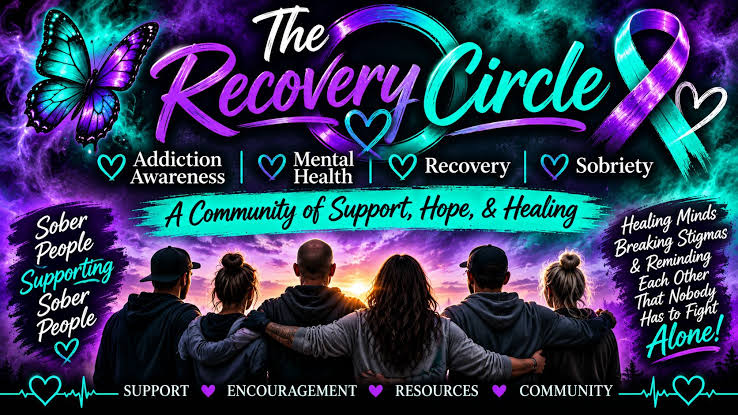
Recovery from addiction is not a journey that anyone should have to face alone. While personal determination, professional treatment, and healthy coping strategies are essential, having a strong sober support circle can make a meaningful difference in maintaining long-term recovery.
A sober support circle consists of trusted individuals who encourage sobriety, provide emotional support, respect personal boundaries, and help individuals navigate the challenges of addiction recovery. These relationships may include family members, friends, healthcare professionals, recovery mentors, and peers who understand the recovery process.
For many individuals, building a sober support network means reevaluating existing relationships, establishing healthier boundaries, and connecting with people who support positive lifestyle changes.
However, creating meaningful relationships takes time. Some individuals may struggle with loneliness, damaged trust, family conflict, or difficulty finding people who understand their recovery goals.
By focusing on self-management, family support, and community resources, individuals can develop a reliable support circle that promotes emotional stability, personal accountability, and lasting recovery.
Understanding the Importance of a Sober Support Circle
A sober support circle is more than a group of people who do not drink alcohol or use drugs. It is a network of individuals who respect recovery goals and provide encouragement during both successful and challenging periods.
Social support can strengthen recovery by reducing isolation, improving emotional well-being, and helping individuals remain engaged in treatment.
Benefits of a strong sober support circle
- Emotional encouragement: Trusted individuals provide reassurance during stressful situations.
- Accountability: Supportive relationships encourage individuals to remain committed to recovery goals.
- Reduced isolation: Positive social connections help decrease loneliness and disconnection.
- Healthy coping strategies: Recovery peers can share practical techniques for managing cravings and stress.
- Improved self-confidence: Encouragement from others can strengthen motivation and self-esteem.
- Relapse prevention: Supporters may help individuals recognize warning signs and seek assistance early.
- Sense of belonging: Meaningful relationships create opportunities for friendship, acceptance, and personal growth.
Although social support improves the recovery environment, it should complement rather than replace evidence-based addiction treatment when treatment is needed.
Self-Management Strategies: Preparing to Build Healthy Relationships
Building a sober support circle begins with understanding personal needs, identifying unhealthy relationship patterns, and establishing clear recovery goals.
Self-management allows individuals to recognize which relationships support recovery and which may increase exposure to substance use triggers.
Effective self-management strategies
- Identify personal recovery goals: Determine whether abstinence, treatment engagement, or other clinically appropriate goals are the priority.
- Evaluate existing relationships: Recognize individuals who encourage healthy choices and respect boundaries.
- Identify high-risk social environments: Consider whether certain gatherings, activities, or relationships increase cravings.
- Practice assertive communication: Learn to express needs and decline invitations involving unwanted substance use.
- Develop emotional awareness: Recognize feelings of loneliness, anxiety, shame, or frustration that may affect relationships.
- Establish healthy boundaries: Decide what behaviors are acceptable within personal relationships.
- Seek professional counseling: Work with a therapist to address social anxiety, trust issues, or relationship difficulties.
- Build confidence gradually: Begin with manageable social activities rather than expecting immediate close friendships.
Learning to recognize supportive relationships
Healthy recovery relationships are generally characterized by respect, honesty, consistency, and emotional safety.
Supportive individuals do not pressure someone to drink or use drugs, ridicule treatment participation, or discourage healthy lifestyle changes.
Instead, they respect personal decisions and provide encouragement without attempting to control the recovery process.
Identifying the Right People for Your Sober Support Circle
Not everyone in a sober support circle must be in recovery themselves.
A strong support network can include people with different experiences, backgrounds, and perspectives.
The most important factor is whether the relationship supports emotional well-being and recovery goals.
People to consider including
- Trusted family members: Relatives who provide encouragement and respect personal boundaries.
- Sober friends: Individuals who enjoy activities without alcohol or other substances.
- Recovery peers: People with lived experience who understand the challenges of addiction.
- Sponsors or recovery mentors: Individuals who offer guidance and accountability within appropriate recovery programs.
- Healthcare professionals: Clinicians who provide medical care, counseling, and treatment monitoring.
- Mental health therapists: Professionals who help address emotional distress, trauma, or co-occurring mental health conditions.
- Community mentors: Coaches, faith leaders, educators, or other trusted individuals who provide positive guidance.
- Supportive coworkers: Colleagues who respect recovery-related boundaries and encourage healthy routines.
A support circle does not need to be large.
A few dependable relationships may be more beneficial than numerous superficial connections.
Family Support Strategies: Rebuilding Trust and Strengthening Relationships
Addiction can affect communication, trust, financial stability, and emotional connections within families.
During recovery, family members may want to help but feel uncertain about how to support effectively.
Rebuilding family relationships often requires patience, honest communication, and consistent behavior.
How families can strengthen sober support
- Learn about addiction: Understand substance use disorders as treatable medical conditions influenced by biological, psychological, and social factors.
- Encourage treatment participation: Support counseling, recovery meetings, and appropriate medical care.
- Practice nonjudgmental communication: Discuss concerns respectfully without blame or humiliation.
- Respect recovery boundaries: Avoid pressuring loved ones to attend gatherings involving unwanted substance use.
- Promote sober activities: Organize family dinners, outdoor adventures, game nights, or other alcohol-free events.
- Recognize recovery milestones: Celebrate progress without creating unrealistic expectations.
- Participate in family counseling: Address unresolved conflict and improve communication when appropriate.
- Seek independent support: Family members can benefit from counseling or organizations such as Al-Anon.
Rebuilding trust takes time
Family members may remain cautious after experiencing broken promises, financial difficulties, or other consequences associated with addiction.
Trust is generally rebuilt through consistent actions rather than verbal assurances alone.
Individuals in recovery can strengthen relationships by communicating honestly, respecting boundaries, and following through on commitments.
However, family reconciliation is not required for successful recovery. Individuals may need to establish alternative support networks when family relationships are unsafe or unhealthy.
Community Support Strategies: Finding People Who Understand Recovery
Community organizations provide opportunities to meet people with similar experiences and develop meaningful relationships.
Recovery support groups can be particularly valuable because they offer environments where individuals can discuss challenges without fear of judgment.
Community resources for building sober connections
- Alcoholics Anonymous (AA): Provides peer support through a 12-step recovery model.
- Narcotics Anonymous (NA): Offers mutual support for individuals recovering from drug addiction.
- SMART Recovery: Uses evidence-informed strategies to support behavior change and recovery.
- Recovery Dharma: Incorporates Buddhist-inspired principles and mindfulness practices into recovery support.
- Recovery community organizations: Provide peer coaching, social events, and recovery education.
- Outpatient addiction treatment programs: Offer group counseling and opportunities to build supportive connections.
- Recovery housing programs: Provide structured environments that encourage healthy routines and peer accountability.
- Community recreation programs: Offer fitness classes, volunteer opportunities, arts programs, and other substance-free activities.
Why peer connections matter
Individuals who have experienced addiction may understand challenges that others find difficult to relate to.
Peer relationships can provide encouragement, practical advice, and hope.
However, peer support should not be confused with professional medical treatment. Individuals with significant withdrawal risks, co-occurring psychiatric conditions, or other medical concerns may require specialized care.
Setting Healthy Boundaries With People Who Continue to Use Substances
One of the most challenging aspects of recovery can involve maintaining relationships with people who continue to drink or use drugs.
Not every relationship with someone who uses substances is automatically harmful. The important question is whether the relationship respects personal recovery goals.
Practical boundary-setting strategies
- Communicate clearly about personal sobriety goals.
- Decline invitations to environments that feel unsafe or triggering.
- Avoid lending money or participating in activities that facilitate harmful substance use.
- Establish limits around substance use in personal living spaces.
- Prepare responses when offered alcohol or drugs.
- Reduce contact with individuals who repeatedly violate boundaries.
- Seek support from a counselor when navigating complicated relationships.
Examples of healthy communication
An individual might say:
“I’m focusing on my recovery, so I’m choosing activities that don’t involve drinking.”
Another example is:
“I value our friendship, but I need you to respect my decision not to use substances.”
Clear communication allows individuals to protect their recovery without unnecessarily criticizing others.
Overcoming Loneliness While Building a Sober Support Network
Loneliness is a common challenge during early recovery, particularly when individuals distance themselves from previous social environments.
Some people may feel disconnected from former friends while struggling to establish new relationships.
This transitional period can create emotional discomfort and increase vulnerability to substance use.
Strategies for managing loneliness
- Attend recovery meetings regularly.
- Participate in community classes or recreational activities.
- Volunteer for meaningful causes.
- Reconnect with supportive friends or relatives.
- Explore hobbies that encourage social interaction.
- Join online recovery communities with appropriate privacy safeguards.
- Consider individual or group counseling.
- Develop a consistent weekly social routine.
Building meaningful friendships requires patience.
Individuals should focus on developing genuine connections rather than attempting to create a large social network immediately.
Creating a Personalized Sober Support Circle
A personalized recovery support plan helps individuals identify who to contact in different situations.
Some supporters may provide emotional encouragement, while others may offer professional guidance or practical assistance.
Example of a sober support circle
| Support person | Primary role | When to reach out |
|---|---|---|
| Trusted friend | Emotional encouragement | During loneliness or stress |
| Family member | Practical assistance | When help with daily responsibilities is needed |
| Recovery peer or sponsor | Shared experience and accountability | When cravings or triggers arise |
| Therapist | Behavioral and emotional support | During scheduled sessions or worsening symptoms |
| Addiction treatment provider | Medical and treatment guidance | For medication concerns, withdrawal symptoms, or changes in substance use |
| Community recovery group | Ongoing social connection | During regular meetings and recovery activities |
Building a weekly recovery routine
A structured weekly schedule can help strengthen social connections.
For example, an individual might attend a recovery meeting early in the week, meet a supportive friend for coffee, participate in a fitness class, and spend time with family over the weekend.
The goal is to develop consistent opportunities for positive interaction rather than relying on support only during a crisis.
Recognizing Warning Signs of Unhealthy Support Relationships
Not every relationship that appears supportive is beneficial for recovery.
Some individuals may become overly controlling, dismiss personal boundaries, or create unhealthy emotional dependence.
Warning signs to recognize
- Pressuring someone to drink or use drugs.
- Criticizing or discouraging professional treatment.
- Violating personal boundaries.
- Using shame or guilt to influence decisions.
- Demanding constant access to personal information.
- Encouraging secrecy or dishonesty.
- Creating financial or emotional dependence.
- Isolating someone from other supportive relationships.
Healthy recovery relationships encourage independence, respect, and personal responsibility.
Individuals experiencing manipulation, threats, or abuse should seek appropriate professional or safety-related support.
Maintaining a Strong Support Circle Throughout Long-Term Recovery
Recovery needs may change over time.
Individuals in early recovery may benefit from frequent contact with treatment professionals and peer support groups, while those with established recovery may focus on maintaining healthy relationships and preventing isolation.
Long-term strategies
- Maintain regular contact with trusted supporters.
- Continue participating in recovery activities that remain helpful.
- Reevaluate relationships as personal circumstances change.
- Develop new hobbies and social interests.
- Communicate openly when cravings or emotional difficulties arise.
- Seek additional treatment when recovery challenges increase.
- Support others while maintaining appropriate personal boundaries.
- Recognize personal achievements and continued growth.
Recovery support should evolve alongside individual needs and goals.
Overcoming Common Barriers to Building a Sober Support Circle
Several obstacles may make it difficult to develop supportive relationships.
Common barriers and practical solutions
Social anxiety: Begin with smaller meetings, online groups, or one-on-one conversations.
Financial limitations: Explore free peer recovery meetings, community centers, and publicly funded treatment services.
Transportation difficulties: Consider virtual meetings or local programs accessible by public transportation.
Fear of judgment: Seek confidential, recovery-focused environments that emphasize respect and understanding.
Limited family involvement: Build relationships with peers, counselors, mentors, and supportive community members.
Past relationship trauma: Consider professional counseling to address trust concerns and develop healthy boundaries.
Recognizing these barriers can help individuals create realistic plans for building supportive connections.
Resources for Building a Sober Support Circle
Several national organizations provide recovery support and treatment information.
SAMHSA National Helpline: 1-800-662-HELP (4357) provides confidential treatment referrals and information.
Alcoholics Anonymous: Find AA meetings and resources.
Narcotics Anonymous: Find NA meetings and peer support.
SMART Recovery: Explore SMART Recovery meetings.
Recovery Dharma: Find mindfulness-based recovery meetings.
FindTreatment.gov: Locate addiction treatment services.
988 Suicide & Crisis Lifeline: Call or text 988 for immediate emotional or mental health crisis support in the United States.
Conclusion: Recovery Grows Stronger Through Connection
Building a sober support circle is an important part of creating a stable and meaningful life in addiction recovery.
Supportive relationships provide encouragement, accountability, emotional connection, and opportunities for personal growth.
Through self-management, individuals can recognize their needs, establish healthy boundaries, and develop effective coping strategies. Families can strengthen recovery by offering compassionate encouragement while respecting personal responsibility. Community organizations provide opportunities to connect with others who understand the challenges of addiction.
A strong support circle does not need to include dozens of people. Even a few trustworthy individuals can make a meaningful difference.
Recovery is not about facing every challenge alone. It is about building relationships that support healthier choices, personal growth, and lasting well-being.
Every supportive connection is another step toward a stronger foundation for recovery.
Frequently Asked Questions and Answers
Building a sober support circle is an important part of maintaining long-term addiction recovery. Supportive relationships provide encouragement, accountability, emotional stability, and a sense of belonging, especially when individuals face cravings, stress, or the challenges of rebuilding their lives.
A sober support circle may include family members, trusted friends, recovery peers, counselors, healthcare professionals, and community organizations. These individuals help create an environment that encourages healthier decisions and supports recovery goals.
The following frequently asked questions explain how to build and maintain a strong sober support network through self-management, family involvement, and community resources.
Understanding Sober Support Circles
1. What is a sober support circle?
A sober support circle is a network of trusted individuals who respect and encourage someone’s sobriety and recovery goals.
It may include family members, friends, sponsors, recovery coaches, therapists, and peers who understand addiction.
The purpose is to provide emotional encouragement, practical assistance, accountability, and healthy social connections.
2. Why is a sober support circle important for addiction recovery?
Social support can reduce isolation, improve emotional well-being, and encourage continued participation in recovery activities.
Supportive relationships can also help individuals recognize triggers, manage stress, and seek assistance when cravings become difficult.
A strong support circle complements professional addiction treatment and can contribute to long-term recovery stability.
3. Who should be included in a sober support circle?
A sober support circle may include:
- Trusted family members who respect recovery goals.
- Friends who encourage substance-free activities.
- Recovery peers with shared experiences.
- Sponsors or recovery mentors.
- Mental health counselors and addiction specialists.
- Healthcare professionals.
- Community or faith-based mentors.
- Supportive coworkers and neighbors.
The quality of relationships is generally more important than the number of people involved.
4. Does everyone in a sober support circle need to be sober?
No. Supportive individuals do not necessarily need to practice abstinence themselves.
What matters is that they respect the individual’s recovery goals, avoid pressuring them to use substances, and provide encouragement.
However, people who regularly engage in heavy substance use or disregard boundaries may not be appropriate recovery supporters.
5. How many people should be in a sober support circle?
There is no required number.
Some individuals begin with two or three dependable supporters and gradually expand their network.
Ideally, a support circle includes people who can provide different forms of assistance, such as emotional encouragement, professional guidance, and practical help.
Self-Management Strategies
6. How can someone begin building a sober support circle?
Start by identifying individuals who demonstrate respect, consistency, and emotional support.
Reconnect with trusted friends or relatives, attend recovery meetings, and explore community activities.
Building relationships gradually allows trust and confidence to develop naturally.
7. How can someone identify healthy recovery relationships?
Healthy relationships generally involve:
- Respect for personal boundaries.
- Honest and open communication.
- Encouragement without judgment.
- Consistent and dependable behavior.
- Support for professional treatment.
- Respect for individual independence.
- Emotional safety and mutual trust.
Relationships that involve manipulation, pressure to use substances, or repeated boundary violations may undermine recovery.
8. How can individuals set healthy boundaries during recovery?
Healthy boundaries involve clearly communicating personal needs and limits.
For example, someone might explain that they are not comfortable attending gatherings where heavy drinking occurs.
Boundaries should protect recovery goals without attempting to control other people’s behavior.
9. What should someone do if friends continue drinking or using drugs?
Maintaining friendships with people who use substances requires evaluating whether those relationships support recovery.
Some friendships may remain healthy when boundaries are respected.
However, reducing contact may be necessary when individuals repeatedly encourage substance use or create unsafe environments.
10. How can someone overcome loneliness in early sobriety?
Loneliness is common when individuals change social environments or distance themselves from previous drinking or drug-using relationships.
Helpful strategies include joining recovery groups, volunteering, attending fitness classes, exploring hobbies, and reconnecting with supportive people.
Professional counseling may also help individuals manage social anxiety or difficulty establishing trust.
Family Support Strategies
11. How can family members become part of a sober support circle?
Families can support recovery by encouraging treatment, communicating respectfully, and participating in substance-free activities.
They can also learn about addiction, establish healthy boundaries, and recognize personal progress.
Family involvement should be based on mutual respect rather than control or pressure.
12. What if family members do not understand addiction?
Education can help families understand that substance use disorders are treatable medical conditions influenced by biological, psychological, and environmental factors.
Family counseling, educational workshops, and support groups such as Al-Anon can provide useful information.
Understanding addiction can reduce stigma and improve communication.
13. Can someone maintain sobriety without family support?
Yes. Family involvement can be beneficial, but it is not required for successful recovery.
Individuals can build supportive relationships through friendships, peer recovery groups, professional counseling, and community organizations.
A chosen support network can provide meaningful emotional stability when family relationships are unavailable or unsafe.
14. How can families rebuild trust after addiction?
Trust generally develops through consistent actions, honest communication, and respect for boundaries.
Individuals in recovery can demonstrate reliability by following through on commitments and staying engaged in treatment.
Family members may also benefit from counseling to address unresolved emotional distress.
Rebuilding trust takes time and should not be rushed.
15. What is the difference between supporting and enabling someone with addiction?
Supporting recovery involves encouraging treatment, accountability, and healthier behaviors.
Enabling may occur when someone repeatedly protects an individual from the consequences of substance use or provides resources that facilitate continued drinking or drug use.
For example, helping someone attend counseling supports recovery, while repeatedly providing money used to purchase substances may reinforce harmful behavior.
Community Support Strategies
16. Where can someone find sober friends?
Sober friendships can develop through recovery meetings, volunteer programs, recreational activities, community organizations, and substance-free social events.
Potential resources include Alcoholics Anonymous, Narcotics Anonymous, SMART Recovery, and local recovery community organizations.
Individuals may also connect through fitness groups, educational programs, and creative activities.
17. Are recovery support groups necessary for sobriety?
Recovery support groups help many people, but they are not mandatory for everyone.
Some individuals maintain recovery through professional treatment, supportive relationships, and other structured activities.
The most effective support plan meets individual needs and encourages continued recovery.
18. What is the role of a recovery sponsor or mentor?
A recovery sponsor or mentor provides encouragement, accountability, and guidance based on lived experience.
Sponsors are commonly associated with 12-step programs, while recovery coaches may work in broader community settings.
These individuals can provide valuable peer support but should not replace licensed healthcare professionals.
19. Can online recovery communities provide meaningful support?
Yes. Online recovery communities can help individuals connect with others when transportation, location, or scheduling makes in-person participation difficult.
Virtual meetings, moderated discussion groups, and recovery-focused communities can provide encouragement and shared experiences.
Individuals should protect personal information and choose reputable, appropriately moderated platforms.
20. How can community activities strengthen sobriety?
Community activities provide opportunities to build friendships, develop confidence, and establish healthier routines.
Volunteering, exercise classes, art workshops, educational programs, and recreational groups can reduce isolation and support emotional well-being.
These activities help individuals develop a fulfilling lifestyle that does not revolve around substance use.
Maintaining a Strong Sober Support Circle
21. How can someone maintain healthy recovery relationships over time?
Maintaining relationships requires consistent communication, mutual respect, and realistic expectations.
Helpful strategies include checking in regularly, attending recovery activities, expressing appreciation, and communicating when additional support is needed.
Relationships may evolve as recovery goals and personal circumstances change.
22. What should someone do if their sober support circle becomes unhealthy?
Evaluate whether relationships continue to promote respect, emotional safety, and recovery.
Warning signs may include manipulation, excessive control, pressure to use substances, or repeated violations of boundaries.
Individuals may need to reduce contact, establish clearer expectations, or seek professional guidance.
23. How can a sober support circle help prevent relapse?
Supportive individuals may help recognize changes in mood, increased isolation, cravings, or exposure to high-risk environments.
They can encourage coping strategies, treatment participation, and early intervention when difficulties arise.
However, relapse prevention should also include individualized treatment planning and professional support when appropriate.
24. What should someone do if they experience a relapse?
A return to substance use should be addressed promptly and without shame.
Helpful steps include contacting a healthcare professional, informing trusted supporters, identifying contributing triggers, and reassessing the recovery plan.
Individuals should seek urgent medical attention when overdose, severe withdrawal, or other dangerous symptoms occur.
A relapse does not erase previous progress or mean that future recovery is impossible.
25. What is the most important lesson about building a sober support circle?
The most important lesson is that recovery becomes more sustainable when individuals have dependable relationships that encourage healthier choices, emotional well-being, and continued engagement in treatment.
A strong sober support circle is not defined by its size but by the trust, respect, and encouragement shared among its members.
Resources for Building a Sober Support Circle
Several national organizations provide recovery resources and opportunities for peer connection.
Alcoholics Anonymous: Find AA meetings and resources.
Narcotics Anonymous: Find NA meetings and peer support.
SMART Recovery: Explore SMART Recovery meetings.
Recovery Dharma: Find mindfulness-based recovery meetings.
SAMHSA National Helpline: 1-800-662-HELP (4357), providing confidential treatment referrals and information.
FindTreatment.gov: Locate substance use treatment services.
988 Suicide & Crisis Lifeline: Call or text 988 for immediate emotional or mental health crisis support in the United States.
Video: