Alcohol consumption is often associated with liver disease, addiction, and impaired judgment. However, its effects on the cardiovascular system can be equally serious.
The heart pumps oxygen-rich blood throughout the body. When alcohol consumption becomes excessive or prolonged, it can interfere with the heart’s electrical activity, weaken the heart muscle, increase blood pressure, and contribute to cardiovascular disease.
Even individuals who do not have alcohol use disorder may experience alcohol-related cardiovascular complications, particularly after episodes of heavy drinking.
For years, moderate alcohol consumption—especially red wine—was sometimes promoted as beneficial for the heart. More recent research has challenged this assumption. Current evidence does not support recommending alcohol consumption as a strategy to prevent heart disease.
The relationship between alcohol and cardiovascular health is complex. Risk depends on drinking patterns, total alcohol exposure, underlying medical conditions, genetics, and other health factors.
Fortunately, reducing alcohol consumption or stopping drinking can improve blood pressure, decrease the risk of certain heart rhythm disturbances, and, in some cases, allow damaged heart muscle to recover.
Understanding how alcohol affects the heart is an important step toward prevention, early intervention, and long-term recovery.
This article explores the cardiovascular consequences of alcohol, warning signs that should not be ignored, and practical self-management, family, and community support strategies.
How Alcohol Affects the Cardiovascular System
Alcohol affects multiple systems responsible for maintaining normal cardiovascular function.
When alcohol enters the bloodstream, it can influence blood vessel tone, nervous system activity, hormone regulation, and the electrical signals that control the heartbeat.
With repeated or heavy exposure, these changes may become harmful.
Major cardiovascular effects of alcohol
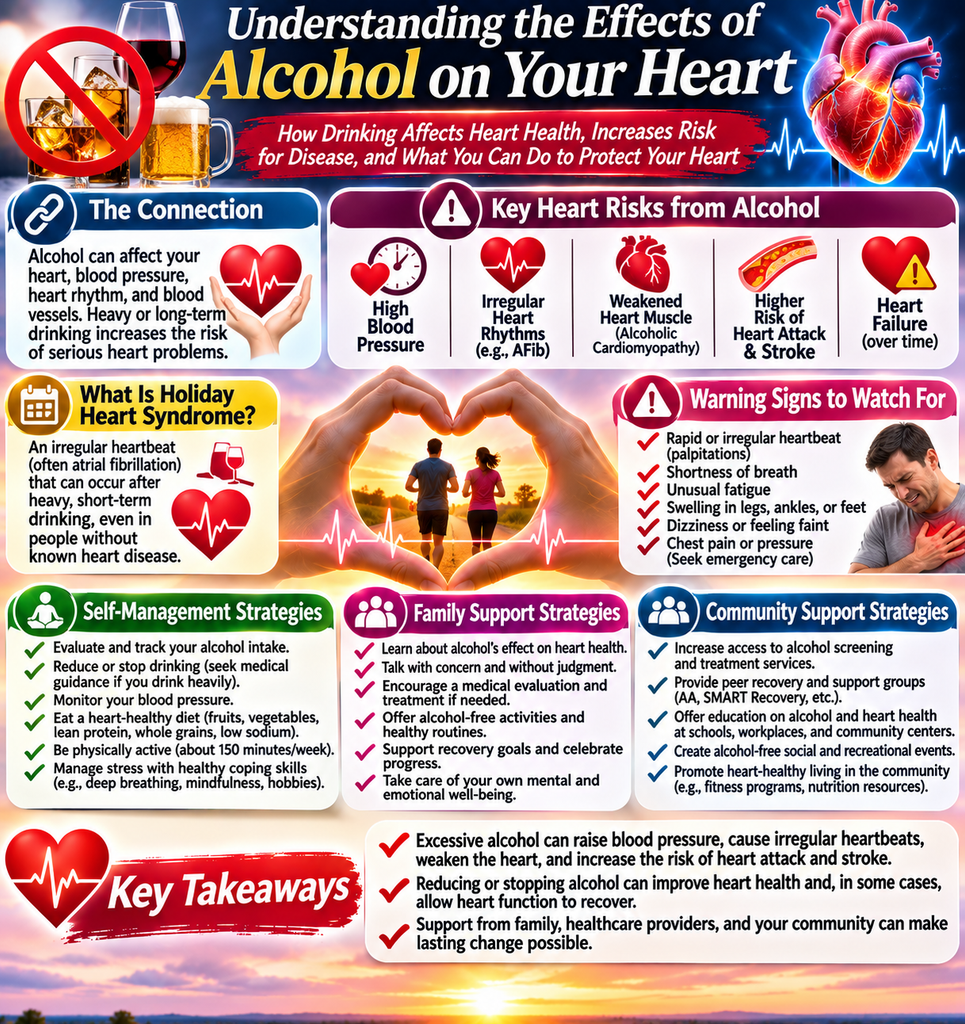
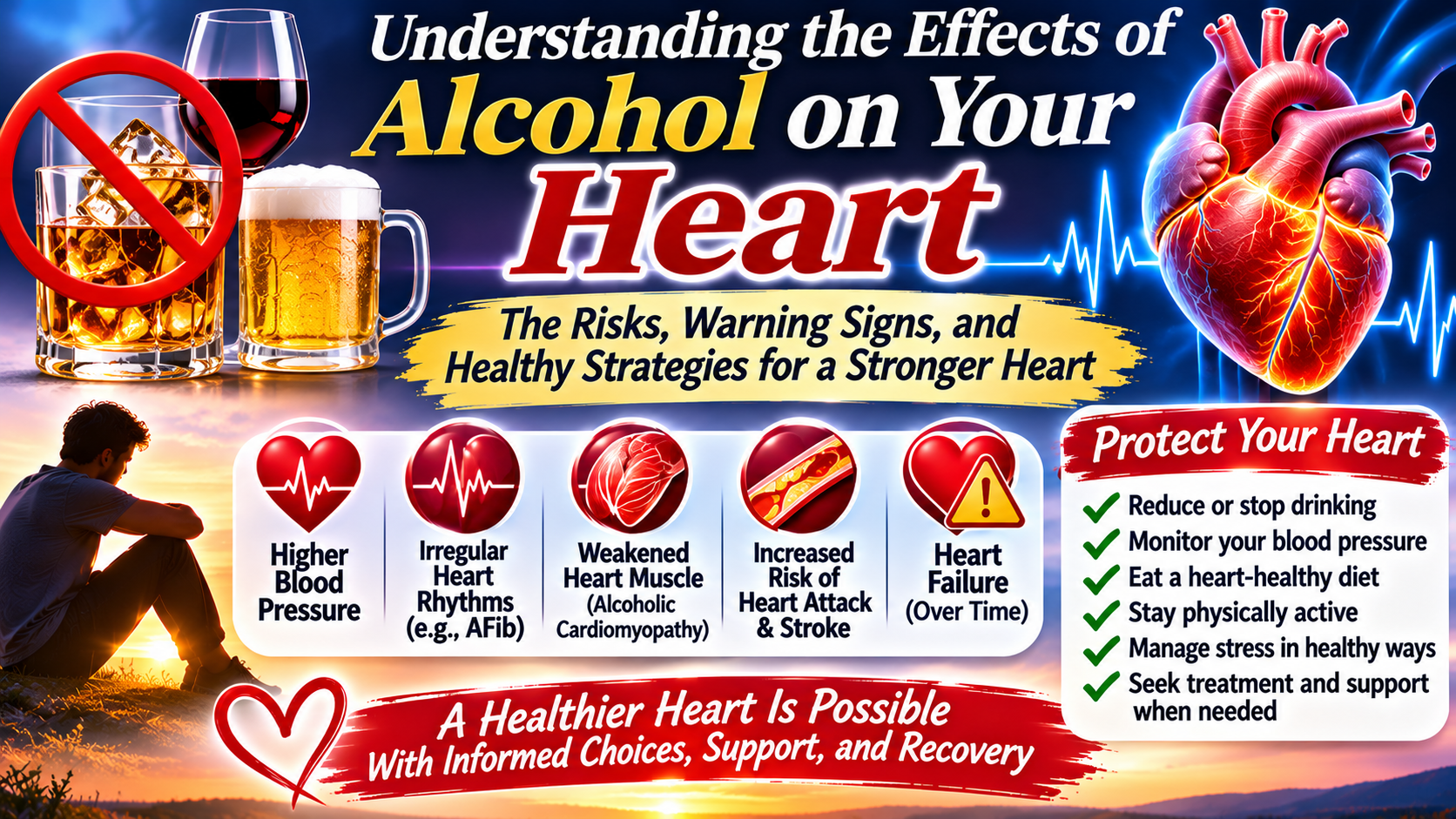
- Increased blood pressure: Alcohol can contribute to hypertension, particularly with frequent or heavy drinking.
- Irregular heart rhythms: Alcohol may trigger atrial fibrillation and other arrhythmias.
- Heart muscle damage: Prolonged heavy consumption can cause alcoholic cardiomyopathy.
- Increased stroke risk: Heavy alcohol use is associated with both ischemic and hemorrhagic strokes.
- Changes in blood lipids: Alcohol may increase triglyceride levels.
- Heart failure: Alcohol-related heart muscle damage can reduce the heart’s pumping ability.
- Cardiovascular stress: Heavy drinking can increase sympathetic nervous system activity and contribute to inflammation and oxidative stress.
These effects vary among individuals, and not everyone who drinks will develop cardiovascular disease.
Alcohol and High Blood Pressure
High blood pressure, or hypertension, is one of the most established cardiovascular risks associated with alcohol consumption.
Regular heavy drinking can raise blood pressure through several mechanisms, including changes in sympathetic nervous system activity, vascular function, and hormonal regulation.
Over time, uncontrolled hypertension can damage blood vessels and increase the risk of heart attack, stroke, kidney disease, and heart failure.
Why alcohol-related hypertension matters
Hypertension often develops without noticeable symptoms.
Individuals may feel healthy while experiencing elevated blood pressure that gradually damages the cardiovascular system.
Reducing alcohol consumption can lower blood pressure, especially among people who drink heavily.
Self-management strategies
- Monitor blood pressure regularly.
- Discuss alcohol consumption honestly with a healthcare professional.
- Reduce alcohol intake or pursue abstinence when appropriate.
- Follow prescribed blood pressure treatment.
- Limit excessive sodium consumption.
- Maintain regular physical activity.
- Address smoking, sleep problems, and other cardiovascular risk factors.
Individuals who drink heavily every day or have a history of alcohol withdrawal should seek medical advice before abruptly stopping, because withdrawal can be dangerous.
Alcohol and Irregular Heartbeats: Understanding Atrial Fibrillation
Alcohol can interfere with the electrical signals that regulate the heartbeat.
One of the best-known alcohol-related arrhythmias is atrial fibrillation, commonly called AFib.
AFib occurs when the upper chambers of the heart beat irregularly, sometimes rapidly.
Symptoms may include palpitations, fatigue, shortness of breath, dizziness, or reduced exercise tolerance.
Some people experience no symptoms.
What is holiday heart syndrome?
Holiday heart syndrome describes an episode of an abnormal heart rhythm, often atrial fibrillation, associated with heavy episodic alcohol consumption.
It may occur during holidays, celebrations, or social gatherings when alcohol intake increases.
Even individuals without previously diagnosed structural heart disease can experience alcohol-triggered arrhythmias.
Why AFib is concerning
AFib can increase the risk of stroke and may contribute to heart failure or other complications.
Reducing or avoiding alcohol may decrease AFib episodes in susceptible individuals.
People with new palpitations, persistent rapid heartbeats, dizziness, or shortness of breath should seek medical evaluation.
Alcoholic Cardiomyopathy: When Alcohol Weakens the Heart Muscle
Alcoholic cardiomyopathy is a form of heart muscle disease associated with prolonged heavy alcohol exposure.
Alcohol and its metabolites can damage heart muscle cells, impair energy production, and contribute to changes in the heart’s structure.
Over time, the heart may enlarge and become less effective at pumping blood.
This can lead to heart failure.
Common symptoms
- Shortness of breath during activity or while lying down.
- Persistent fatigue.
- Swelling in the legs, ankles, or feet.
- Rapid or irregular heartbeat.
- Reduced exercise tolerance.
- Unexplained weight gain from fluid retention.
- Persistent coughing or breathing difficulty.
Symptoms may develop gradually, making early diagnosis important.
Can alcoholic cardiomyopathy improve?
Yes. In some individuals, stopping alcohol consumption can lead to meaningful improvements in heart function, particularly when the condition is identified early.
Recovery depends on the extent of heart damage, adherence to treatment, and the presence of other medical conditions.
Advanced damage may not be fully reversible.
Treatment generally includes alcohol abstinence, guideline-directed heart failure therapy when indicated, and ongoing cardiovascular monitoring.
Alcohol and Heart Attack Risk
Heavy alcohol consumption can contribute to cardiovascular risk factors associated with coronary artery disease.
These include high blood pressure, elevated triglycerides, obesity, and certain metabolic disturbances.
Alcohol may also increase the risk of arrhythmias and other complications that place additional stress on the heart.
Does moderate drinking protect the heart?
Earlier observational studies sometimes suggested that moderate alcohol consumption was associated with lower rates of certain cardiovascular events.
However, these studies were vulnerable to confounding factors, including differences in socioeconomic status, lifestyle, and the health of people who abstained from alcohol.
More recent research has raised substantial doubts about whether alcohol itself provides cardiovascular protection.
People who do not drink should not start drinking to improve heart health.
For individuals who already drink, less alcohol generally means less exposure to alcohol-related health risks.
Alcohol and Stroke Risk
Alcohol can increase stroke risk through several pathways.
Heavy drinking may elevate blood pressure, contribute to atrial fibrillation, and affect blood clotting and vascular health.
Two major types of stroke
Ischemic stroke occurs when a blood vessel supplying the brain becomes blocked.
Hemorrhagic stroke occurs when a blood vessel ruptures and causes bleeding in or around the brain.
Heavy alcohol use is associated with increased risk of both types.
Recognizing stroke warning signs
Remember BE FAST:
- B — Balance: Sudden loss of balance or coordination.
- E — Eyes: Sudden vision changes.
- F — Face: Facial drooping.
- A — Arms: Weakness or numbness in an arm.
- S — Speech: Slurred speech or difficulty speaking.
- T — Time: Call 911 immediately.
Do not wait for symptoms to resolve.
How Much Alcohol Is Too Much for Your Heart?
Alcohol-related cardiovascular risk is influenced by both the amount consumed and the pattern of drinking.
Frequent heavy drinking and binge drinking are especially concerning, but some risks may increase even at lower levels of consumption.
Understanding standard drinks
One U.S. standard drink contains approximately 14 grams of pure alcohol.
Beer
12 oz at 5% ABV
Wine
5 oz at 12% ABV
Spirits
1.5 oz at 40% ABV
In the United States, binge drinking is commonly defined as consuming approximately four or more drinks for women or five or more drinks for men on one occasion, generally within about two hours.
These definitions help identify risky drinking patterns; they are not thresholds below which alcohol is guaranteed to be safe.
Some people should avoid alcohol entirely, including individuals who are pregnant, have certain medical conditions, take interacting medications, or cannot reliably control their drinking.
For people with alcohol-related cardiomyopathy, abstinence is generally recommended.
Warning Signs That Alcohol May Be Affecting Your Heart
Alcohol-related cardiovascular disease may develop gradually or appear suddenly.
Early recognition can help prevent serious complications.
Symptoms that deserve medical evaluation
- Frequent heart palpitations.
- Repeated episodes of rapid or irregular heartbeat.
- Elevated blood pressure.
- Unusual fatigue.
- Shortness of breath during ordinary activities.
- Swelling in the legs or ankles.
- Reduced exercise tolerance.
- Dizziness or near-fainting.
When to seek emergency care
Call 911 for chest pain or pressure suggesting a heart attack, severe difficulty breathing, fainting with concerning symptoms, or sudden signs of stroke.
Do not assume these symptoms are simply a hangover, anxiety, or alcohol withdrawal.
Self-Management Strategies: Protecting Your Heart From Alcohol-Related Damage
Reducing alcohol-related cardiovascular risks often requires changes in drinking behaviors, daily routines, and healthcare engagement.
A. Evaluate your drinking patterns
Start by identifying how much and how frequently you drink.
Consider keeping a confidential record of:
- Number of standard drinks consumed.
- Situations that trigger drinking.
- Emotional states before drinking.
- Episodes of binge drinking.
- Sleep disturbances.
- Blood pressure readings.
- Palpitations or other symptoms.
A healthcare professional may use screening tools such as AUDIT-C to evaluate unhealthy alcohol use.
B. Develop a realistic alcohol reduction or recovery plan
For individuals without physiological dependence, reducing or eliminating alcohol may improve cardiovascular health.
For those with alcohol use disorder, professional treatment can help establish a safe and sustainable recovery plan.
Treatment options may include behavioral counseling, mutual-help groups, and medications such as naltrexone or acamprosate when clinically appropriate.
Important: People with significant physical alcohol dependence should not attempt abrupt withdrawal without medical assessment. Severe withdrawal can cause seizures, delirium, dangerous autonomic instability, and other life-threatening complications.
C. Maintain heart-healthy nutrition
A balanced diet can help control blood pressure, cholesterol, and cardiovascular risk.
Consider:
- Eating vegetables and fruits regularly.
- Choosing whole grains.
- Including lean proteins and healthy fats.
- Reducing excessive sodium.
- Limiting highly processed foods.
- Maintaining adequate hydration.
Dietary changes cannot reverse all alcohol-related damage but can improve overall cardiovascular health.
D. Incorporate physical activity
Regular physical activity supports blood pressure control, cardiovascular fitness, and emotional well-being.
For many adults, a general goal is at least 150 minutes of moderate-intensity aerobic activity per week, with muscle-strengthening activity on two days.
People with suspected heart failure, significant arrhythmias, or unexplained exertional symptoms should obtain medical guidance before starting strenuous exercise.
E. Manage stress without alcohol
Some individuals drink to cope with anxiety, loneliness, relationship conflict, or work-related stress.
Healthier coping strategies include:
- Mindfulness and relaxation exercises.
- Counseling or psychotherapy.
- Walking or other appropriate physical activity.
- Journaling.
- Supportive conversations.
- Recovery support meetings.
- Enjoyable alcohol-free activities.
F. Maintain regular cardiovascular care
Individuals with heavy drinking histories may benefit from evaluation of blood pressure, cardiovascular symptoms, and other risk factors.
Depending on clinical findings, a healthcare professional may recommend an electrocardiogram, echocardiogram, laboratory testing, or ambulatory heart rhythm monitoring.
Family Support Strategies: Helping Loved Ones Protect Their Hearts
Family involvement can help individuals recognize alcohol-related health risks and obtain appropriate care.
However, supportive involvement should respect autonomy, confidentiality, and healthy boundaries.
A. Learn about alcohol-related heart disease
Families should understand that heavy alcohol consumption can contribute to hypertension, arrhythmias, cardiomyopathy, and stroke.
Knowledge can help relatives recognize symptoms and encourage timely evaluation.
B. Communicate without judgment
Instead of blaming or criticizing, express specific concerns.
For example:
“I’ve noticed that you’ve been feeling short of breath and having heart palpitations. I’m concerned about your health, and I’d like to help you arrange a medical appointment.”
Supportive communication can make it easier for individuals to discuss their drinking honestly.
C. Encourage appropriate medical care
Families may offer assistance with:
- Scheduling appointments.
- Transportation.
- Medication organization when requested.
- Finding addiction treatment services.
- Attending educational sessions.
- Supporting follow-up care.
D. Create alcohol-free opportunities
Family gatherings do not need to revolve around drinking.
Alternatives include shared meals, outdoor activities, games, exercise, and celebrations featuring nonalcoholic beverages.
E. Recognize signs of alcohol dependence
Potential warning signs include:
- Difficulty controlling drinking.
- Continued alcohol use despite health consequences.
- Drinking more than intended.
- Withdrawal symptoms when alcohol use decreases.
- Neglecting important responsibilities.
- Repeated unsuccessful attempts to cut down.
These concerns warrant a compassionate discussion and professional assessment.
F. Protect family well-being
Family members may experience anxiety, frustration, or exhaustion when supporting someone with alcohol use disorder.
Counseling, peer support, and healthy boundaries can help families remain supportive without neglecting their own needs.
Community Support Strategies: Reducing Alcohol-Related Cardiovascular Disease
Communities play an important role in prevention, early identification, and access to treatment.
Effective approaches address both alcohol use and broader cardiovascular health.
A. Expand alcohol screening and brief interventions
Primary care clinics, hospitals, and community health centers can incorporate validated alcohol screening tools into routine care.
Brief interventions can help individuals recognize risky drinking patterns and consider changes.
B. Integrate addiction treatment with cardiovascular care
Individuals with alcohol-related cardiovascular complications may need coordinated services involving:
- Primary care clinicians.
- Cardiologists.
- Addiction medicine specialists.
- Mental health professionals.
- Social workers.
- Peer recovery specialists.
Integrated care can reduce fragmentation and help address both the medical and behavioral aspects of alcohol-related harm.
C. Improve access to recovery services
Communities can support recovery through affordable treatment, transportation assistance, telehealth services, and peer recovery programs.
D. Promote alcohol-free community activities
Schools, workplaces, recreation centers, and community organizations can create opportunities for social connection without alcohol.
E. Increase public education
Public health campaigns can explain that alcohol is not necessary for heart health and that heavy drinking increases cardiovascular risks.
Educational programs should also address the dangers of unmanaged alcohol withdrawal.
F. Support evidence-based alcohol policies
Population-level strategies, such as appropriate alcohol taxation, limits on availability, and enforcement of impaired-driving laws, can help reduce alcohol-related harm.
Community policies should be paired with accessible, nonstigmatizing healthcare and treatment services.
What Happens to Your Heart When You Reduce or Stop Drinking?
Cardiovascular improvements may occur after reducing or stopping alcohol, although the extent and timing vary.
Potential changes over time — not a guaranteed recovery timeline
- Early days and weeks: Blood pressure and sleep may begin to improve. However, people with physical dependence may experience dangerous withdrawal symptoms and need supervised care.
- Following weeks to months: Sustained alcohol reduction may improve blood pressure and reduce alcohol-triggered arrhythmia episodes in susceptible individuals.
- Several months and beyond: Some people with alcohol-related cardiomyopathy may experience improvements in heart function after sustained abstinence and appropriate heart failure treatment.
- Long-term recovery: Continued alcohol reduction or abstinence, cardiovascular care, and healthy lifestyle habits can help lower future alcohol-related cardiovascular risks.
Not all alcohol-related heart damage is reversible. Early intervention generally offers the best opportunity to prevent progression.
Creating a Personal Heart Health and Alcohol Recovery Action Plan
Heart health action checklist
0 of 7 completed
Track alcohol consumption
Record the number of standard drinks and identify drinking triggers.
Check blood pressure
Monitor readings as recommended and discuss persistent elevations with a clinician.
Evaluate cardiovascular symptoms
Seek assessment for palpitations, breathlessness, swelling, or reduced exercise tolerance.
Develop a safe drinking-change plan
Discuss withdrawal risk and treatment options before abruptly stopping heavy daily drinking.
Support heart-healthy habits
Prioritize nutrition, appropriate exercise, sleep, and tobacco cessation.
Build a support network
Identify trusted relatives, healthcare professionals, and recovery resources.
Maintain follow-up care
Attend cardiovascular and addiction treatment appointments.
Copy action plan
Frequently Overlooked Facts About Alcohol and Heart Disease
Several misconceptions can interfere with prevention.
Myth: Red wine is necessary for a healthy heart.
Fact: There is no medical reason to begin drinking red wine for cardiovascular protection. Beneficial dietary compounds found in grapes and other foods can be obtained without alcohol.
Myth: Only people with alcohol addiction develop alcohol-related heart problems.
Fact: Alcohol-related arrhythmias and other complications can occur in people who do not meet the diagnostic criteria for alcohol use disorder.
Myth: If alcohol-related heart disease develops, recovery is impossible.
Fact: Some cardiovascular effects can improve with alcohol reduction or abstinence and appropriate treatment, although advanced damage may be permanent.
Myth: Stopping alcohol suddenly is always the safest choice.
Fact: Abrupt cessation can be dangerous for people with significant physiological dependence. Medical supervision may be necessary.
Myth: Alcohol only affects the heart after decades of drinking.
Fact: Heavy episodic drinking can trigger acute cardiovascular complications, including atrial fibrillation, even in younger adults.
Conclusion: Protecting Your Heart Starts With Understanding Alcohol’s Risks
Alcohol affects far more than the liver and brain. It can influence blood pressure, heart rhythm, heart muscle function, and stroke risk.
For individuals who drink heavily, reducing alcohol consumption or pursuing abstinence can be an important step toward improving cardiovascular health.
Self-management strategies such as monitoring drinking patterns, maintaining medical care, developing healthy coping skills, and seeking addiction treatment can reduce harm.
Families can provide encouragement, recognize warning signs, and support access to healthcare without judgment.
Communities can strengthen prevention by expanding alcohol screening, integrated treatment, cardiovascular education, and recovery resources.
Most importantly, cardiovascular health and addiction recovery should be addressed together rather than as separate concerns.
Your heart works for you every day. Protecting it may start with one important decision: understanding your drinking habits and seeking the support you need to make healthier changes.
Resources for Alcohol Recovery and Heart Health
- American Heart Association — Heart disease prevention, blood pressure, and cardiovascular education.
- National Institute on Alcohol Abuse and Alcoholism — Alcohol-related health risks and treatment information.
- CDC — Alcohol and Public Health — Alcohol consumption and health risks.
- FindTreatment.gov — Locate addiction and mental health treatment.
- SAMHSA — Substance use treatment resources and family education.
For substance use treatment referrals in the United States, SAMHSA’s National Helpline is available at 1-800-662-HELP (4357).
Frequently Asked Questions and Answers
Understanding Alcohol and Heart Health
1. How does alcohol affect the heart?
Alcohol affects the cardiovascular system through several mechanisms, including changes in blood pressure, heart rhythm, blood vessel function, and heart muscle metabolism.
Excessive or prolonged drinking may contribute to:
- High blood pressure.
- Atrial fibrillation and other arrhythmias.
- Alcohol-related cardiomyopathy.
- Heart failure.
- Stroke.
- Increased cardiovascular complications.
The degree of risk depends on alcohol exposure, drinking patterns, underlying health conditions, and individual susceptibility.
2. Can drinking alcohol cause heart disease?
Yes. Heavy or prolonged alcohol consumption can contribute to cardiovascular disease.
Alcohol can raise blood pressure, damage heart muscle cells, and increase the risk of certain abnormal heart rhythms.
Although not everyone who drinks develops heart disease, reducing alcohol exposure can lower several cardiovascular risks.
3. Is moderate alcohol consumption good for the heart?
There is no convincing evidence that people should begin drinking alcohol to protect their hearts.
Earlier observational studies suggested possible cardiovascular benefits from moderate drinking. However, more recent research has identified important limitations in those findings, including lifestyle differences and other confounding factors.
The American Heart Association does not recommend drinking alcohol for cardiovascular benefits.
4. Is red wine healthier for the heart than other alcoholic beverages?
Red wine contains polyphenols, including resveratrol, which have been studied for potential cardiovascular effects.
However, evidence is insufficient to show that drinking red wine provides meaningful heart protection.
Similar beneficial plant compounds can be obtained from grapes, berries, and other foods without exposure to alcohol.
Red wine should not be used as a heart disease prevention strategy.
5. How much alcohol is considered excessive?
In the United States, binge drinking is commonly defined as approximately:
- Four or more standard drinks for women on one occasion.
- Five or more standard drinks for men on one occasion.
Heavy drinking is commonly defined by the National Institute on Alcohol Abuse and Alcoholism as eight or more drinks per week for women or 15 or more for men.
These definitions identify higher-risk drinking patterns; they do not establish a completely safe level of alcohol consumption.
A standard U.S. drink contains approximately 14 grams of pure alcohol.
Alcohol, Blood Pressure, and Heart Rhythm
6. Can alcohol cause high blood pressure?
Yes. Regular heavy alcohol consumption is associated with elevated blood pressure.
Alcohol can influence the sympathetic nervous system, blood vessel function, and hormonal mechanisms involved in blood pressure regulation.
Over time, uncontrolled hypertension increases the risk of heart attack, stroke, kidney disease, and heart failure.
Reducing alcohol consumption may improve blood pressure, especially among people who drink heavily.
7. Can alcohol cause an irregular heartbeat?
Yes. Alcohol can disrupt the electrical activity that controls heart rhythm.
It may trigger atrial fibrillation, premature heartbeats, or other rhythm disturbances.
Some individuals experience palpitations, dizziness, fatigue, or shortness of breath, while others have no noticeable symptoms.
8. What is holiday heart syndrome?
Holiday heart syndrome refers to an abnormal heart rhythm, frequently atrial fibrillation, associated with heavy episodic alcohol consumption.
It is often observed after holidays, parties, or celebrations involving excessive drinking.
It can occur even in individuals without previously diagnosed structural heart disease.
9. What is atrial fibrillation, and why is it dangerous?
Atrial fibrillation, or AFib, is an irregular rhythm originating in the heart’s upper chambers.
AFib can increase the risk of blood clot formation, stroke, and heart failure.
Symptoms may include:
- Heart palpitations.
- Rapid or irregular heartbeat.
- Shortness of breath.
- Fatigue.
- Dizziness.
- Reduced exercise tolerance.
Individuals with suspected AFib should seek medical evaluation. Treatment may include rhythm or rate control, anticoagulation when indicated, and management of contributing risk factors.
10. Can reducing alcohol consumption improve atrial fibrillation?
Yes. Reducing alcohol intake or abstaining may decrease AFib episodes in susceptible individuals.
Clinical research has demonstrated that alcohol abstinence can reduce arrhythmia recurrence among some regular drinkers with established AFib.
However, individuals should continue prescribed medications and follow their cardiologist’s recommendations.
Alcoholic Cardiomyopathy and Heart Failure
11. What is alcoholic cardiomyopathy?
Alcoholic cardiomyopathy is heart muscle disease associated with prolonged heavy alcohol consumption.
Alcohol-related injury can weaken the heart muscle and impair its ability to pump blood effectively.
The condition is often associated with dilation of the heart’s chambers and reduced pumping function.
12. What are the symptoms of alcoholic cardiomyopathy?
Symptoms may include:
- Shortness of breath.
- Persistent fatigue.
- Swelling of the ankles, feet, or legs.
- Rapid or irregular heartbeat.
- Difficulty breathing when lying flat.
- Reduced exercise tolerance.
- Unexplained weight gain from fluid retention.
These symptoms can also occur with other heart or lung conditions and require medical assessment.
13. Can alcoholic cardiomyopathy be reversed?
Heart function may improve significantly in some individuals who stop drinking and receive appropriate medical treatment.
Recovery depends on the severity and duration of damage, coexisting conditions, and adherence to treatment.
Advanced heart muscle damage may not be fully reversible.
For alcohol-related cardiomyopathy, abstinence is generally recommended.
14. Can alcohol cause heart failure?
Yes. Prolonged heavy drinking can damage the heart muscle and contribute to heart failure.
Heart failure occurs when the heart cannot pump or fill effectively enough to meet the body’s needs.
Treatment may involve alcohol abstinence, guideline-directed heart failure medications, lifestyle changes, and ongoing cardiology care.
15. How is alcohol-related heart damage diagnosed?
Healthcare professionals may use:
- Medical history and alcohol use assessment.
- Physical examination.
- Blood pressure measurement.
- Electrocardiogram (ECG).
- Echocardiogram.
- Blood tests.
- Ambulatory heart rhythm monitoring.
- Cardiac MRI in selected cases.
Diagnosis also requires consideration of other potential causes of heart disease.
Alcohol, Heart Attacks, and Stroke
16. Does alcohol increase the risk of heart attack?
Heavy alcohol consumption can increase cardiovascular risk through elevated blood pressure, metabolic changes, arrhythmias, and other mechanisms.
The relationship between alcohol intake and coronary artery disease is complex, but heavy drinking and binge drinking are associated with harmful cardiovascular outcomes.
17. Can alcohol increase the risk of stroke?
Yes. Heavy alcohol use can increase the risk of both ischemic and hemorrhagic stroke.
Alcohol-related hypertension and atrial fibrillation are particularly important contributors.
Reducing heavy drinking is one way to lower stroke risk.
18. What are the warning signs of a heart attack?
Potential symptoms include:
- Chest pain, pressure, squeezing, or discomfort.
- Pain spreading to the arm, jaw, back, or shoulder.
- Shortness of breath.
- Cold sweats.
- Nausea.
- Lightheadedness.
Symptoms can vary, and some people experience less typical presentations.
Call 911 immediately if a heart attack is suspected. Do not attempt to drive yourself to the hospital.
19. What are the warning signs of a stroke?
Use the BE FAST method:
- B — Balance: Sudden loss of balance.
- E — Eyes: Sudden vision changes.
- F — Face: Facial drooping.
- A — Arms: Weakness or numbness.
- S — Speech: Difficulty speaking.
- T — Time: Call 911 immediately.
Prompt treatment can reduce disability and improve outcomes.
20. Can alcohol cause sudden cardiac death?
Heavy drinking may contribute to conditions associated with sudden cardiac death, including serious arrhythmias and advanced cardiomyopathy.
The risk depends on individual cardiovascular health and other contributing factors.
Sudden collapse, unresponsiveness, or abnormal breathing requires immediate emergency response, CPR when indicated, and use of an automated external defibrillator if available.
Self-Management and Recovery Strategies
21. Can the heart recover after someone stops drinking?
Some alcohol-related cardiovascular effects can improve after reducing or stopping alcohol.
Blood pressure may decrease, alcohol-triggered arrhythmias may become less frequent, and some individuals with alcohol-related cardiomyopathy may experience improved heart function.
However, recovery varies, and some damage may be permanent.
22. How long does it take for the heart to improve after quitting alcohol?
The timeline depends on the type and severity of cardiovascular damage.
Blood pressure may improve within weeks, while recovery of heart muscle function may require months or longer.
Some individuals may not fully recover.
Medical follow-up is important for assessing progress.
23. Is it safe to stop drinking alcohol suddenly?
Not always.
People who drink heavily and regularly may develop physical dependence.
Abrupt cessation can cause alcohol withdrawal, including:
- Tremors.
- Sweating.
- Anxiety.
- Nausea.
- Rapid heartbeat.
- Elevated blood pressure.
- Seizures.
- Delirium tremens.
Severe withdrawal can be life-threatening.
Individuals with significant dependence or a history of complicated withdrawal should obtain medical assessment before stopping alcohol.
24. What self-management strategies help protect the heart?
Important strategies include:
- Reducing or eliminating alcohol consumption safely.
- Monitoring blood pressure.
- Attending regular medical appointments.
- Maintaining a balanced diet.
- Participating in appropriate physical activity.
- Avoiding tobacco use.
- Managing stress through healthy coping techniques.
- Taking prescribed cardiovascular medications.
- Seeking treatment for alcohol use disorder when needed.
Individuals with heart disease should discuss major lifestyle changes with their healthcare professionals.
25. Can addiction treatment improve cardiovascular health?
Yes. Evidence-based alcohol use disorder treatment can help individuals reduce drinking, achieve abstinence, and maintain recovery.
Treatment options may include cognitive behavioral therapy, motivational enhancement therapy, mutual-help support, and medications such as naltrexone or acamprosate when appropriate.
Reducing harmful alcohol exposure can improve cardiovascular risk factors and overall health.
Family and Community Support Strategies
26. How can families help someone whose drinking is affecting their heart?
Families can encourage medical evaluation and provide compassionate, nonjudgmental support.
Helpful actions include:
- Learning about alcohol-related cardiovascular disease.
- Discussing concerns calmly.
- Supporting medical appointments.
- Encouraging addiction treatment.
- Creating alcohol-free activities.
- Recognizing emergency warning signs.
- Maintaining healthy boundaries.
Family support can be valuable, but relatives cannot control another person’s drinking or recovery.
27. What should family members avoid when discussing alcohol-related heart problems?
Families should avoid shaming, blaming, threatening, or minimizing medical symptoms.
Statements such as “You brought this on yourself” may increase defensiveness and discourage treatment.
A more constructive approach is:
“I’m concerned about your heart health, and I want to support you in getting the medical care you need.”
28. How can communities reduce alcohol-related heart disease?
Communities can promote prevention through:
- Alcohol screening and brief interventions.
- Accessible addiction treatment.
- Cardiovascular health education.
- Peer recovery programs.
- Affordable mental health services.
- Alcohol-free recreational opportunities.
- Integrated primary care and addiction services.
- Evidence-based public health policies.
These approaches can improve early identification and reduce barriers to care.
29. What role do support groups play in alcohol recovery?
Peer support groups can help individuals develop healthier routines, maintain motivation, and reduce isolation.
Options include Alcoholics Anonymous, SMART Recovery, LifeRing, and Recovery Dharma.
Family members may benefit from Al-Anon or other caregiver support services.
Support groups can complement professional medical and addiction treatment.
30. What is the most important message about alcohol and heart health?
Alcohol can affect the heart through elevated blood pressure, irregular rhythms, heart muscle damage, and increased stroke risk.
Reducing alcohol exposure can improve cardiovascular health, and early treatment may prevent complications.
For individuals with alcohol use disorder, safe recovery planning and professional support are especially important.
Protecting your heart is not simply about drinking less. It is about recognizing risks, addressing alcohol use safely, maintaining medical care, and building healthier habits for long-term well-being.
Video: