Creatinine levels often come up when talking about kidney health, but most people don’t realize how this simple blood test can say a lot about their kidneys, especially for people who have used certain substances for a long time. If you’ve been using drugs or alcohol regularly, or you know someone who has, keeping an eye on creatinine might be more important than you think. I want to break down what creatinine is, why it matters, and how long-term substance use fits into the picture of kidney health.
Understanding Creatinine and Its Place in Your Health
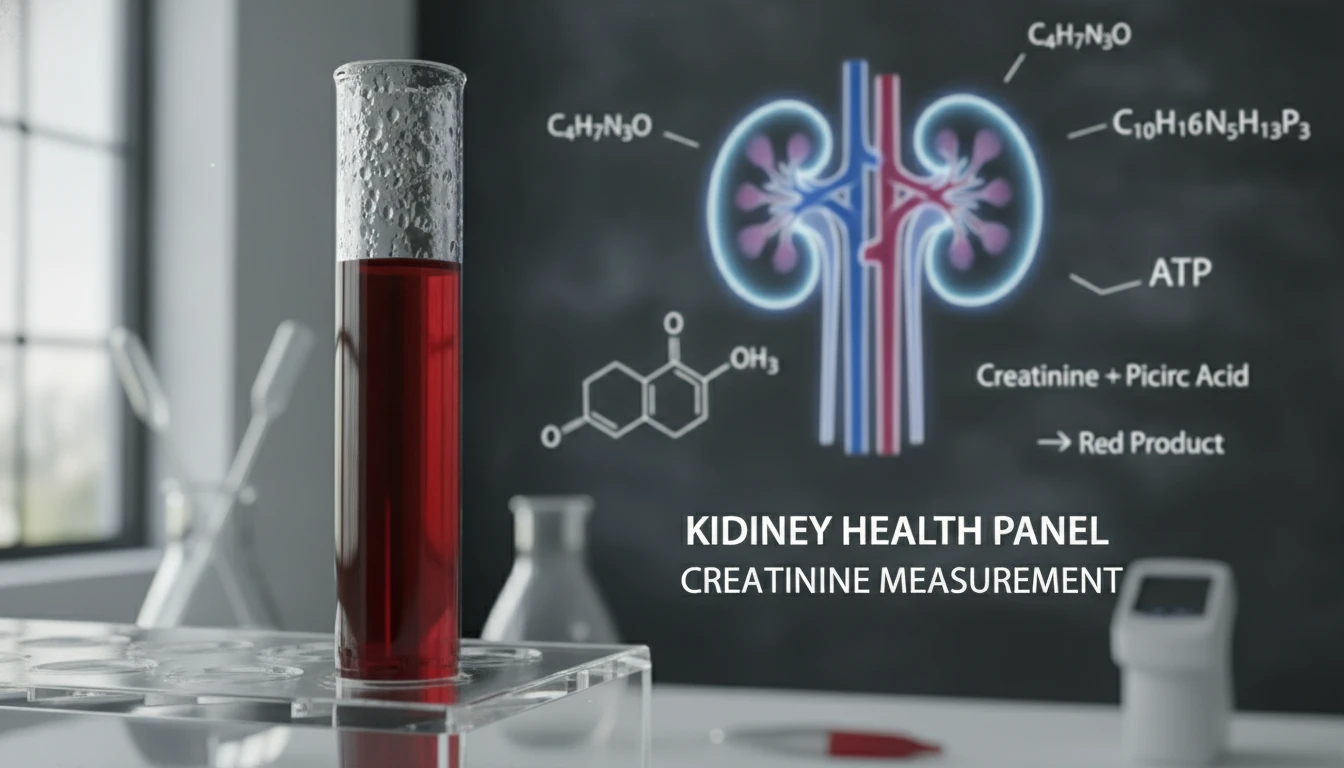
Creatinine is a waste product produced by muscles. Every day, your muscles naturally make some creatinine as they move and work, and your kidneys filter it out of your blood. When your kidneys are working smoothly, your creatinine level stays in a pretty tight range. Normal levels tend to fall between 0.6 and 1.3 mg/dL for adults, with small differences depending on age, sex, and body size.
If your kidneys stop filtering well, creatinine builds up. High creatinine isn’t an illness itself, but it’s a red flag that your kidneys aren’t doing their job. That’s why doctors usually want to check creatinine when there’s any question about kidney health.
The Basics of Kidney Function and Creatinine Testing
Kidneys do way more than people imagine. They help manage blood pressure, filter toxins, regulate fluid balance, produce hormones, and balance mineral levels in your body. When your doctor orders a blood test for creatinine, they’re usually interested in your estimated glomerular filtration rate (eGFR) too. This number is calculated based on your creatinine level, age, sex, and sometimes race. An eGFR under 60 for more than three months can signal that you’re heading toward chronic kidney disease (CKD).
Testing for creatinine is simple and isn’t painful. It’s just a standard blood draw, and the results are quick and reliable. High levels prompt further tests to figure out what’s going on, and that’s where lifestyle and substance use history come into play.
The Impact of Long-Term Substance Use on Kidneys
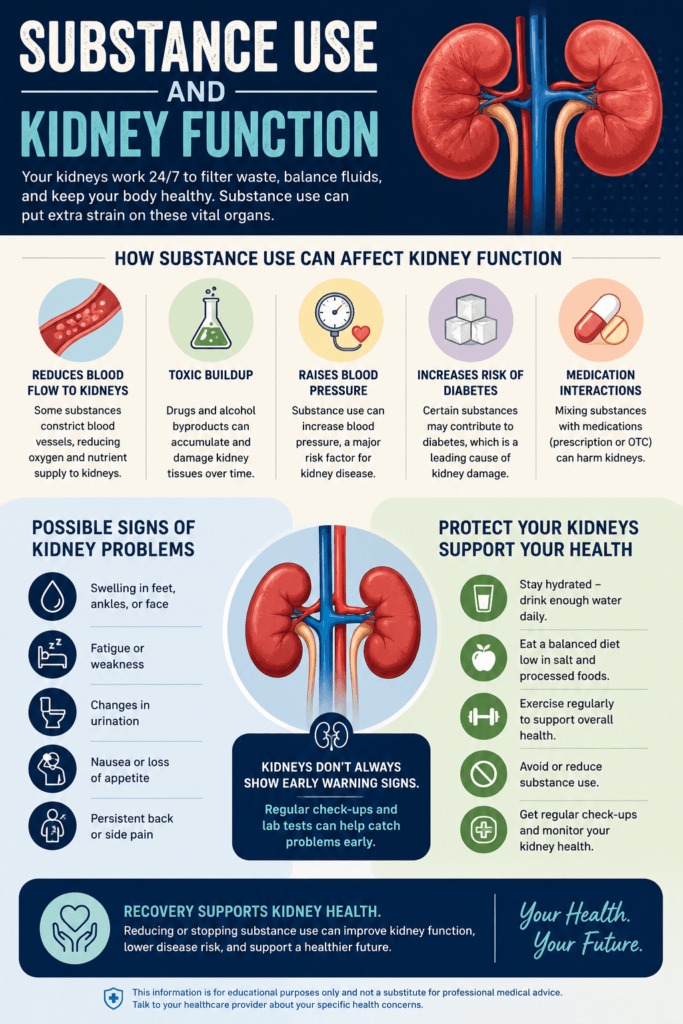
Substance use covers a lot of ground, including alcohol, tobacco, opioids, stimulants, and other recreational or prescription drugs. Using any of these over a long period takes a toll on almost every part of the body, but the kidneys often get overlooked until there’s a problem. Here’s why the connection matters:
- Alcohol stresses your kidneys by changing fluid levels, causing dehydration, and making high blood pressure worse. Heavy drinking can also cause direct damage to kidney tissues over time.
- Opioids and prescription painkillers sometimes lower blood flow to the kidneys and increase the risk of infections, which can hurt kidney function.
- Cocaine, methamphetamine, and other stimulants raise blood pressure and heart rate, which can strain the kidneys and even trigger a sudden breakdown of muscle tissue—a problem called rhabdomyolysis, which releases lots of creatinine into the blood at once.
- Other substances (like some club drugs or even herbal supplements) may have toxins that the kidneys struggle to filter, especially over time.
The end result: if you use substances for years, there’s a much bigger risk of ending up with high creatinine and lower eGFR, two clear signs that your kidneys need extra attention.
How Long-Term Substance Use Boosts Creatinine Levels
The link between drug use and high creatinine has a few different causes. First, these substances can directly damage the structures inside your kidneys. Second, some drugs cause dehydration, which concentrates creatinine in the blood. Third, sudden complications like rhabdomyolysis (seen with some stimulants) dump large amounts of muscle breakdown products—including creatinine—into your system all at once.
Painkillers, especially NSAIDs like ibuprofen or naproxen, can cause what’s known as interstitial nephritis, an inflammation that directly lowers kidney function if used regularly for long periods. Even over-the-counter drugs and some supplements, when misused or mixed with alcohol, can sneak up and cause trouble over time.
Recognizing the First Signs of Kidney Trouble
Kidney damage is sneaky. You probably won’t notice symptoms until things get pretty advanced. Still, there are early warning signs and related health issues to look out for:
- Fatigue or loss of energy
- Swelling in ankles, feet, or hands
- Changes in urination patterns (foamy urine, dark urine, or needing to pee more or less than usual)
- Difficulty concentrating
- Muscle cramps
- Nausea or vomiting that doesn’t seem linked to food
Anyone who’s been using substances long-term and notices these symptoms should mention them to a healthcare provider. Blood and urine tests can detect changes in kidney function before the damage worsens.
Practical Tips for Protecting Your Kidneys
Even if your creatinine is a little high, there are some things you can do right away to look after your kidneys.
- See your doctor regularly: Routine bloodwork is super important, even if you feel fine. Staying on top of your numbers gives you options.
- Stay hydrated: Dehydration can cause creatinine to spike. Drinking enough water (but not overdoing it) helps your kidneys flush out waste properly.
- Cut back on substances: Easing up on alcohol, drugs, and painkillers, or stopping completely, gives your kidneys the break they need.
- Watch your blood pressure and sugar: High blood pressure and diabetes are the top causes of kidney disease, and keeping them in check goes a long way.
- Check medicines with your doctor: Some over-the-counter meds aren’t kidney-friendly, so make sure your medical team knows everything you’re taking.
Taking care of your kidneys isn’t just about avoiding big health issues later on. It also helps your overall energy, mood, and ability to bounce back from illnesses. Plus, staying healthy in this area means you can keep up with your favorite activities and worry less about future complications. Make kidney health a regular part of your wellness routine and set reminders for checkups if you need to.
Things You Should Watch Out For With Creatinine Testing
Anyone who’s had a history of drug or alcohol use should be aware of certain things about creatinine tests:
- Exercise: Intense physical activity right before a test can temporarily raise creatinine levels. Let your healthcare provider know about any recent strenuous workouts.
- Diet: Eating a lot of meat or high-protein foods close to testing can also raise those numbers.
- Medications: Some antibiotics, blood pressure meds, or supplements can interfere with the test.
If your creatinine comes back high, it’s worth talking it through with your doctor to figure out what might be causing it. There could be more than one thing going on, and sometimes repeat tests are suggested to be sure.
Kidney Health Beyond Creatinine: Other Tests to Know
Creatinine isn’t the only thing doctors look at when checking kidney health. Some common tests and markers are:
- Blood urea nitrogen (BUN): Another waste product that rises with kidney problems.
- Urinalysis: Checks for protein, blood, or other substances in urine that suggest kidney stress.
- eGFR: As mentioned earlier, this is an estimate of how well your kidneys are filtering waste.
Sometimes doctors will order imaging studies or check for other markers, especially if someone’s creatinine keeps rising or there are symptoms suggesting a problem. You might also hear about microalbumin tests, which can pick up tiny amounts of protein loss in the urine before larger problems show up. Regular testing is especially crucial if there’s a history of substance use, high blood pressure, or diabetes.
Frequently Asked Questions
People often have a lot of questions once they hear about creatinine and kidneys, especially if substance use is in the picture. Here are some I get asked the most:
Does quitting drugs or alcohol bring creatinine back to normal?
Answer: Sometimes, if the kidney damage isn’t severe. Lifestyle changes, quitting substances, and managing blood pressure or diabetes can help. For some people, the kidneys can recover if given time and support through healthy habits.
Can you lower creatinine levels naturally?
Answer: Drinking plenty of water and eating a balanced diet can help, but it’s really important to get advice from a healthcare provider for ongoing changes. Never rely only on Internet remedies—your doctor’s advice is key.
Is high creatinine always caused by kidney problems?
Answer: No. Exercise, dehydration, diet, or even certain medications can raise it, but persistently elevated numbers usually warrant a second look. Your health professional will help spot the true cause and plan the next steps if needed.
Kidney Health: Staying on Top of Things
Creatinine tests give a valuable peek into how well your kidneys are working, which is especially key for anyone with a history of regular drug or alcohol use. Small changes today can make a big difference over time. Looking out for your kidney health isn’t just about lab numbers. It’s about staying active, feeling better, and enjoying life with fewer surprises down the line. If you’ve got questions about creatinine or kidney health, checking in with a doctor who understands your full history is always worth it.
Video: Your Kidneys Can’t Handle This Anymore #SubstanceAbuse #KidneyHealth