Teen Cannabis Use And Psychosis
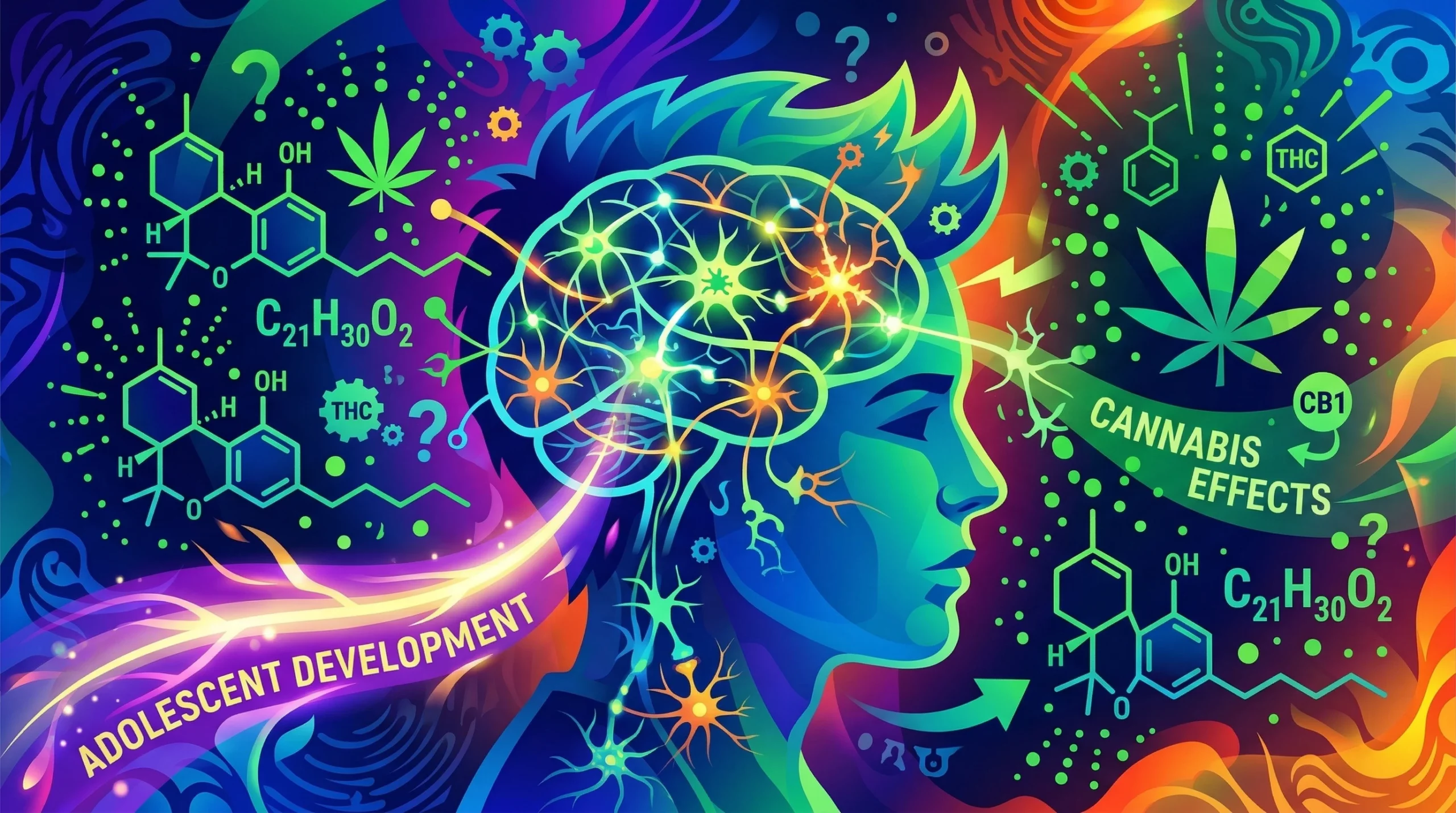
Teen cannabis use is a topic that gets a lot of attention, and for good reason. While it’s often seen as a rite of passage or something harmless, more research keeps pointing to a real connection between early cannabis use and certain mental health conditions, including psychosis. In this article, I’m breaking down what’s currently … Read more

Healing Heartbreak After Addiction

If you’re in recovery, you probably know that heartbreak doesn’t just vanish when you quit using. In many cases, it feels even sharper as the fog lifts. Healing heartbreak after addiction isn’t always talked about, but honestly, it comes up for a lot of people. Through my own experience, I’ve found that mending a broken … Read more

Why Relapse Isn’t Failure

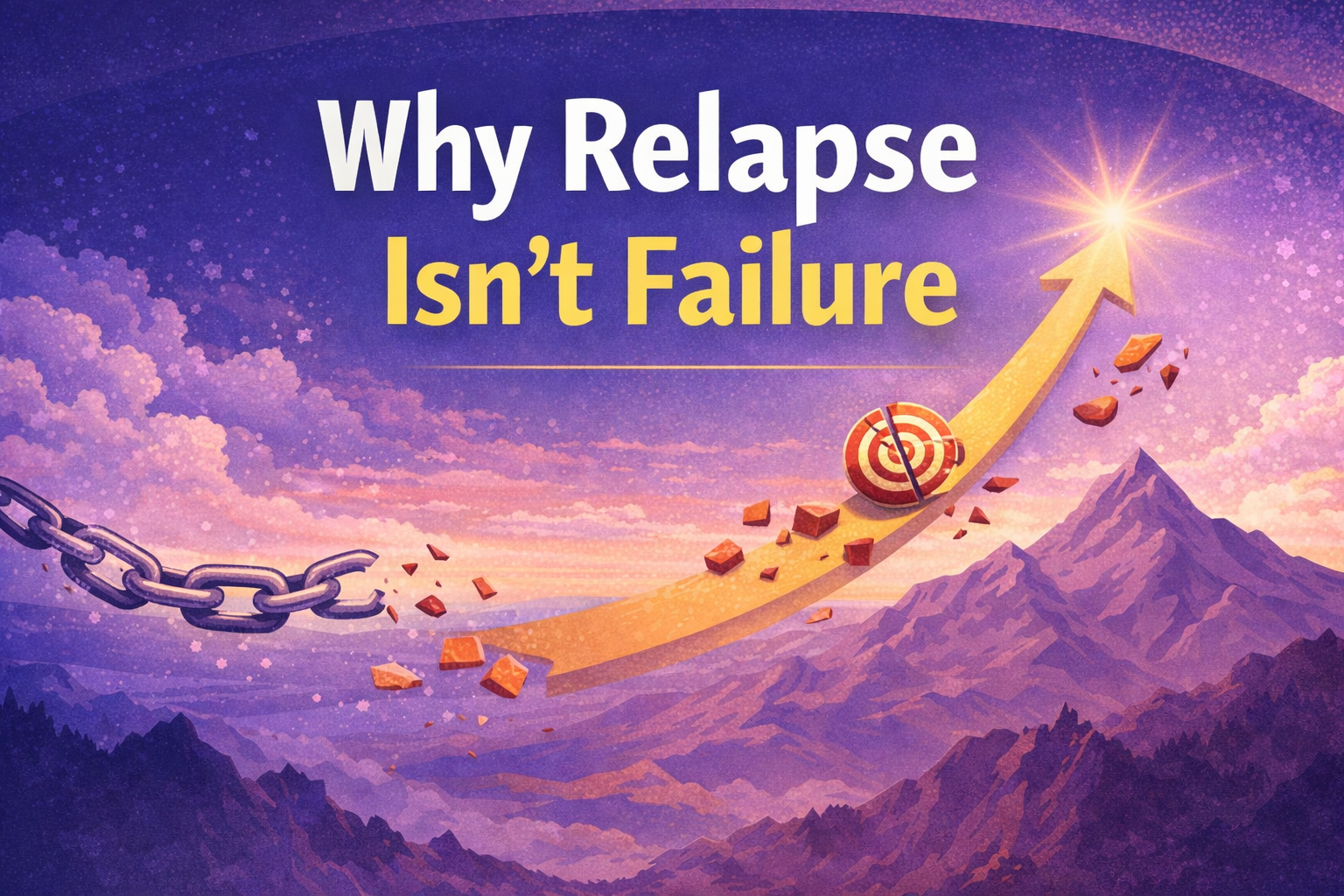
Relapse can often feel like a major setback, especially when you’re putting in the effort to make meaningful changes in your life. Whether you’re navigating recovery from substance use, trying to break a bad habit, or working toward a healthier lifestyle, it’s normal to encounter difficulties and experience moments of vulnerability. These challenges are part … Read more

Ghostlighting and Addiction

Relationships affected by addiction often involve complex emotional challenges and patterns of communication that can be confusing and harmful. One behavior that may appear in these relationships is ghostlighting, a combination of ghosting and gaslighting. Ghostlighting occurs when a person suddenly disappears from communication and later returns while denying the impact of their absence or … Read more

Stage an Intervention Safely

Staging an intervention can be a life-changing moment for someone struggling with addiction or destructive behaviors. However, it is a delicate process that requires careful planning, emotional regulation, and professional support. If done poorly, interventions can cause emotional harm, escalate conflict, or further damage relationships. For an intervention to be effective, it must be conducted … Read more

Year One: Grief and Growth

The first year of grief in addiction recovery is often one of the most emotionally complex phases of healing. While sobriety marks a critical milestone, it also brings heightened awareness of losses connected to addiction—lost time, strained relationships, missed opportunities, and the absence of a substance that once served as a coping mechanism. As the … Read more

Navigating Emotions in Recovery

The emotional landscape of recovery is complex, dynamic, and deeply personal. Beyond the physical process of stopping substance use, recovery requires individuals to confront and navigate a wide range of emotions that may have been suppressed, intensified, or avoided during active addiction. Feelings such as anxiety, guilt, grief, hope, vulnerability, and renewed motivation often emerge … Read more

Healing Resentment in Recovery

Resentment is a common emotional experience during addiction recovery, often rooted in past pain, broken trust, guilt, or unresolved conflict. While it is a natural reaction to difficult experiences, resentment can become a barrier to healing if it is ignored or suppressed. It may intensify stress, trigger cravings, and keep individuals emotionally tied to the … Read more

Steps to Rebuild Trust in Recovery

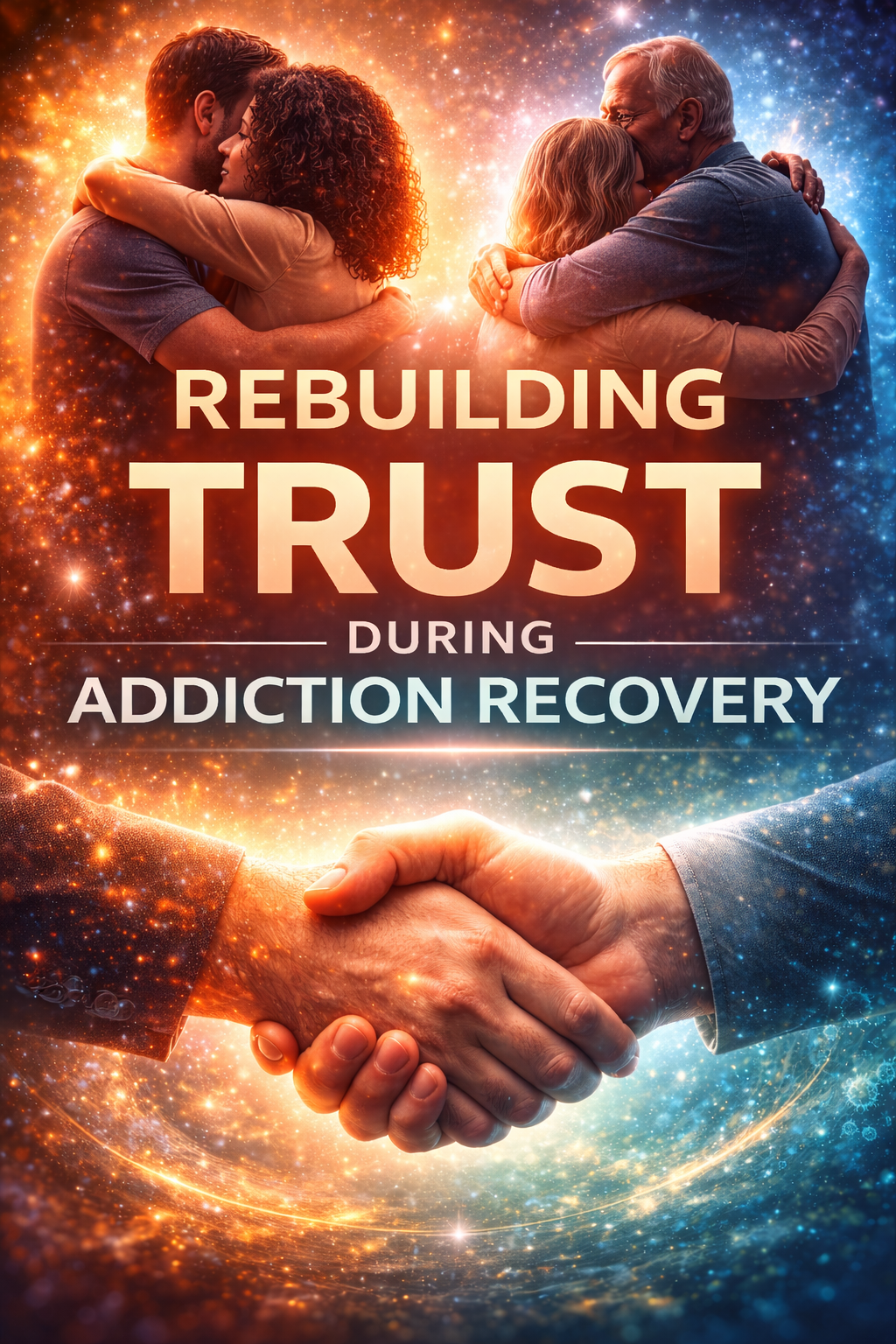
Rebuilding trust during addiction recovery is a gradual and deeply meaningful process that extends beyond sobriety itself. Addiction can strain relationships through broken promises, secrecy, and emotional distance, leaving loved ones uncertain and guarded. Even when recovery begins, trust does not automatically return; it must be rebuilt through consistent actions, honesty, and accountability over time. … Read more

Drugs and Personality Changes

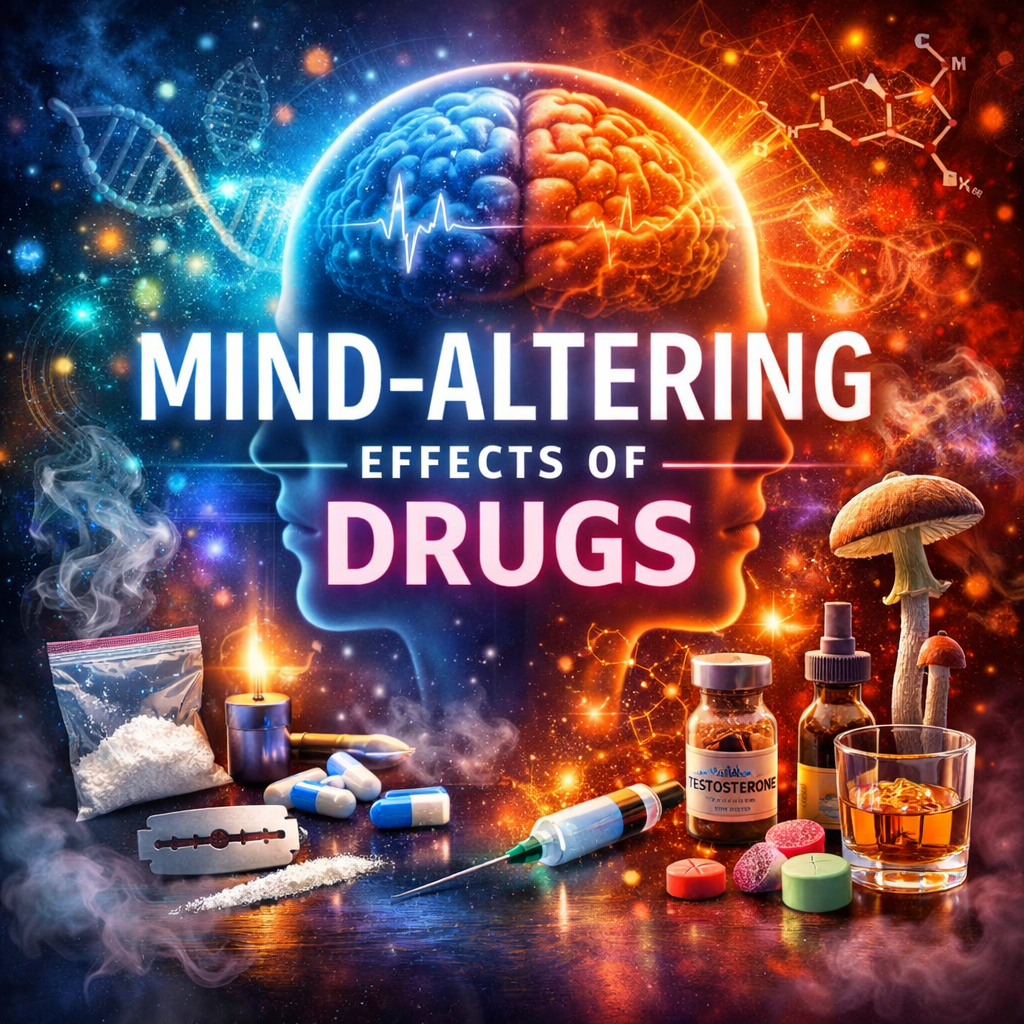
Mind-altering drugs affect more than temporary mood or perception—they alter how the brain regulates emotions, decision-making, memory, and reality interpretation. By disrupting neurotransmitters such as dopamine and serotonin, these substances can influence personality, behavior, and judgment. Early changes may be subtle, appearing as mild irritability, reduced motivation, or increased risk-taking, and often go unnoticed at … Read more