Hidden Cost of Loyalty in Addiction

Loyalty is often regarded as a positive and admirable trait—one that reflects commitment, trust, and emotional connection. However, within the context of addiction, loyalty can take on a more complex and sometimes harmful role. Individuals may find themselves deeply tied to people, environments, or behaviors that reinforce their addiction, making change feel like betrayal rather … Read more
Public Shaming of Mental Health

Public shaming has become more prevalent in today’s society, especially with the rise of social media, where personal struggles can easily be shared and scrutinized. Although it is sometimes seen as a tool for accountability or raising awareness, public shaming often leads to negative, unintended effects—particularly regarding mental health. For those already facing issues like … Read more

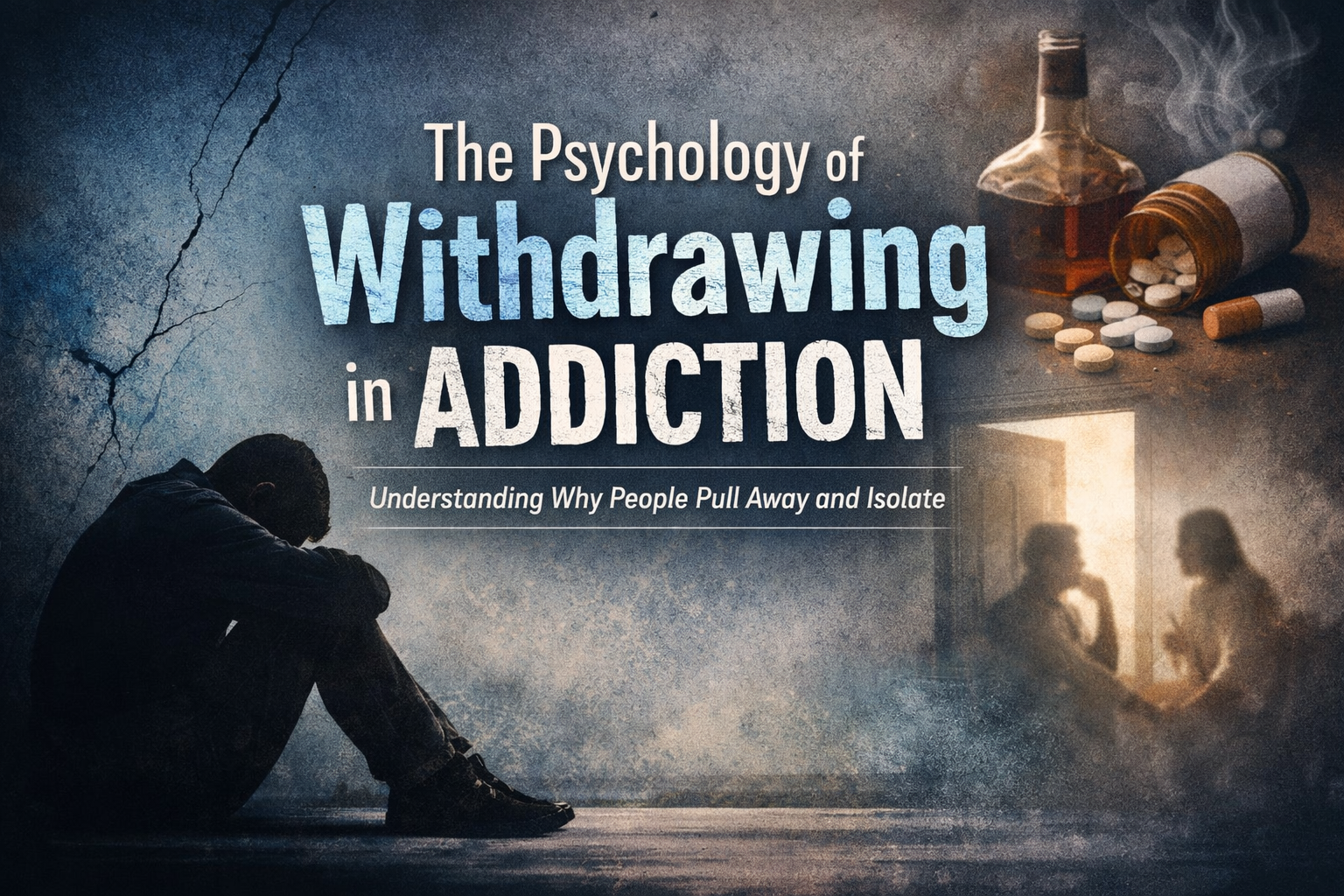
Withdrawing in Addiction

Addiction is often viewed through the lens of substances or behaviors, but its psychological dimensions are equally significant. One of the most overlooked aspects is the tendency for individuals to withdraw—emotionally, socially, and sometimes physically—from the world around them. This withdrawal is not simply avoidance or indifference; rather, it is a complex psychological response shaped … Read more

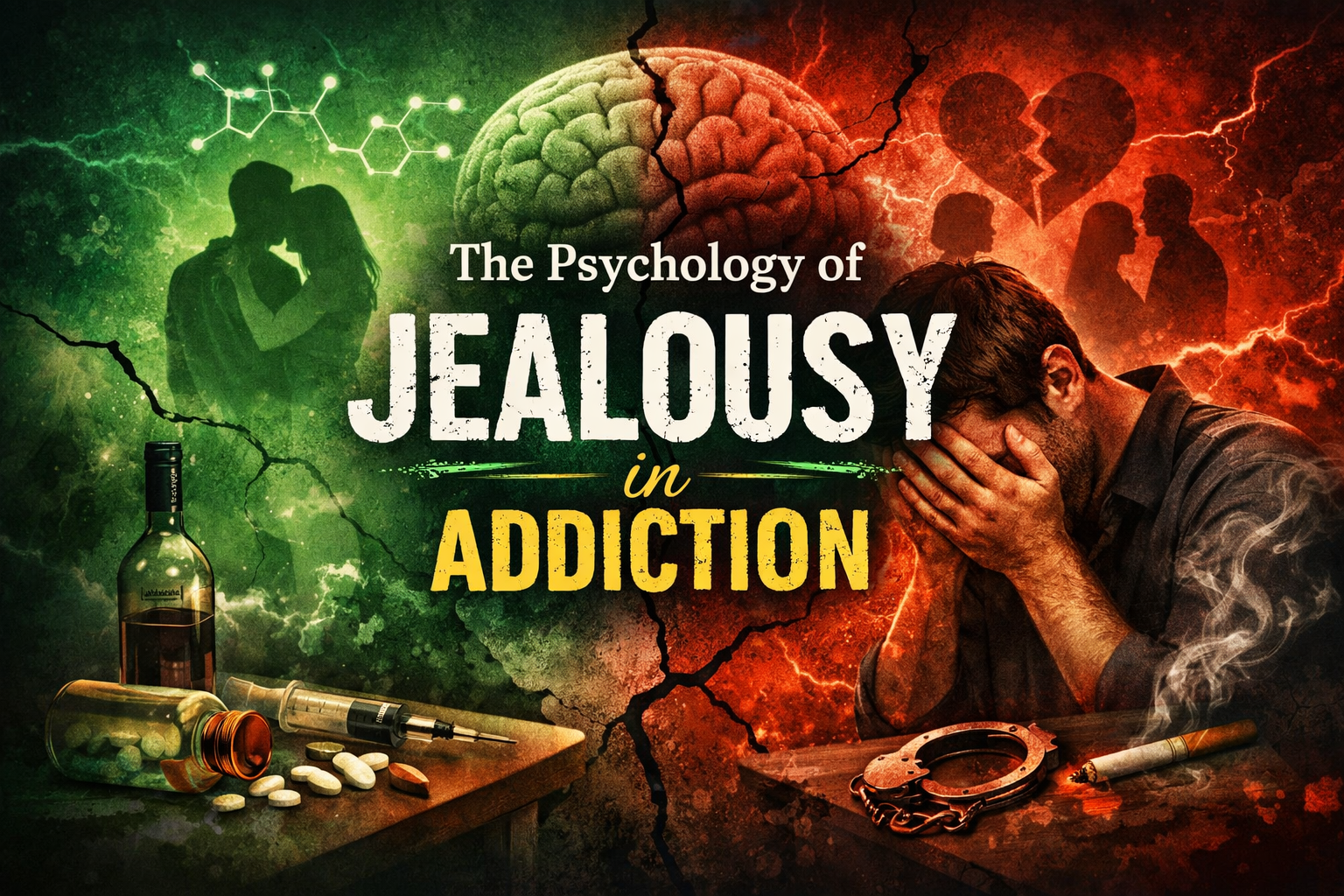
Jealousy Psychology in Addiction

Jealousy is a complex and often intensified emotion in the context of addiction, shaped by insecurity, fear of loss, and disrupted emotional regulation. Addiction can heighten sensitivity to perceived threats in relationships and increase tendencies toward comparison and self-doubt. As a result, individuals may experience jealousy more frequently and more intensely, often reacting in ways … Read more

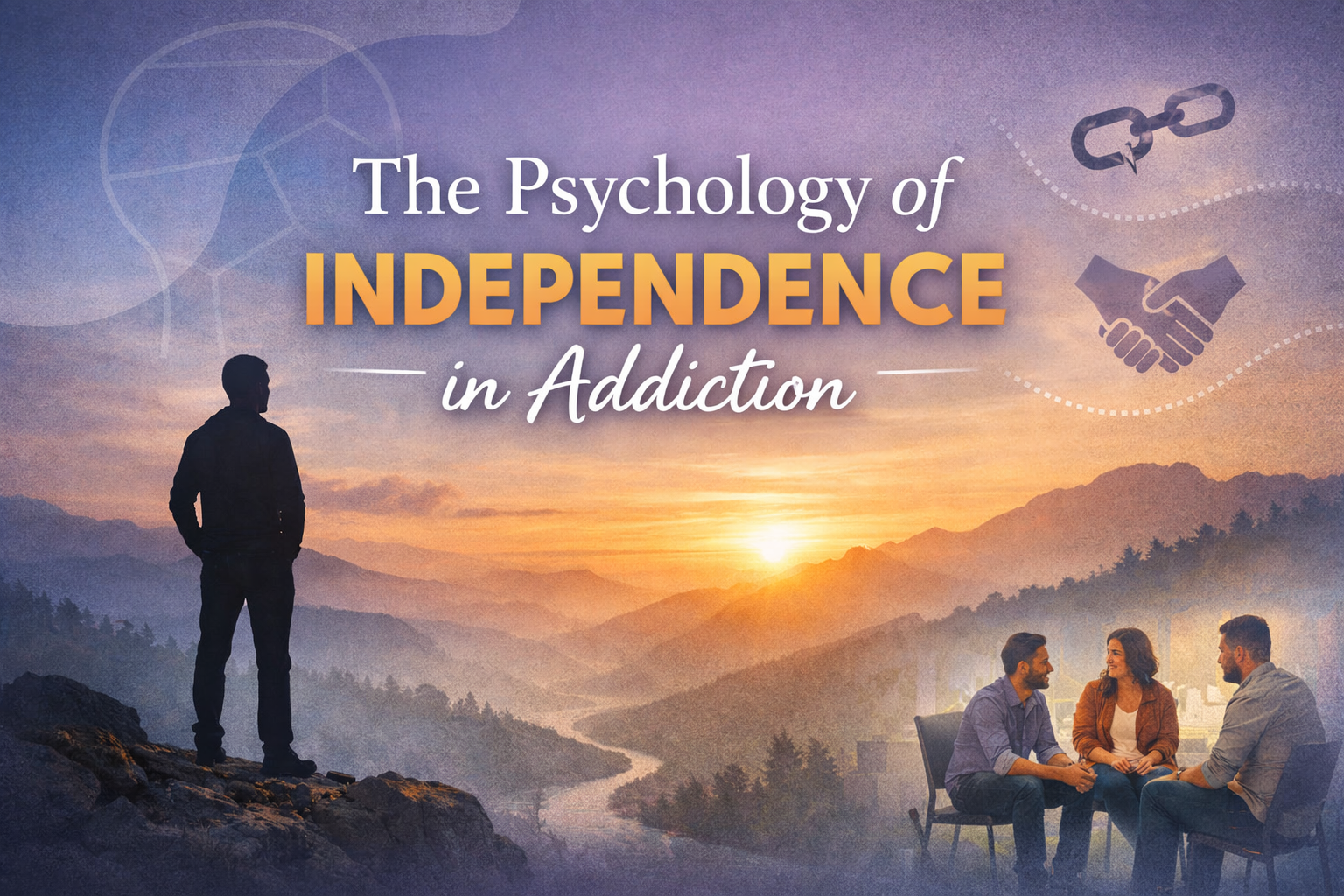
Independence and Addiction

Independence is often praised as a defining trait of strength, self-discipline, and personal responsibility. However, in the context of addiction, independence can take on a more complex psychological meaning. What may appear as confidence and self-reliance can sometimes reflect deeper patterns of avoidance, denial, or difficulty trusting others. Many individuals struggling with addiction hold tightly … Read more

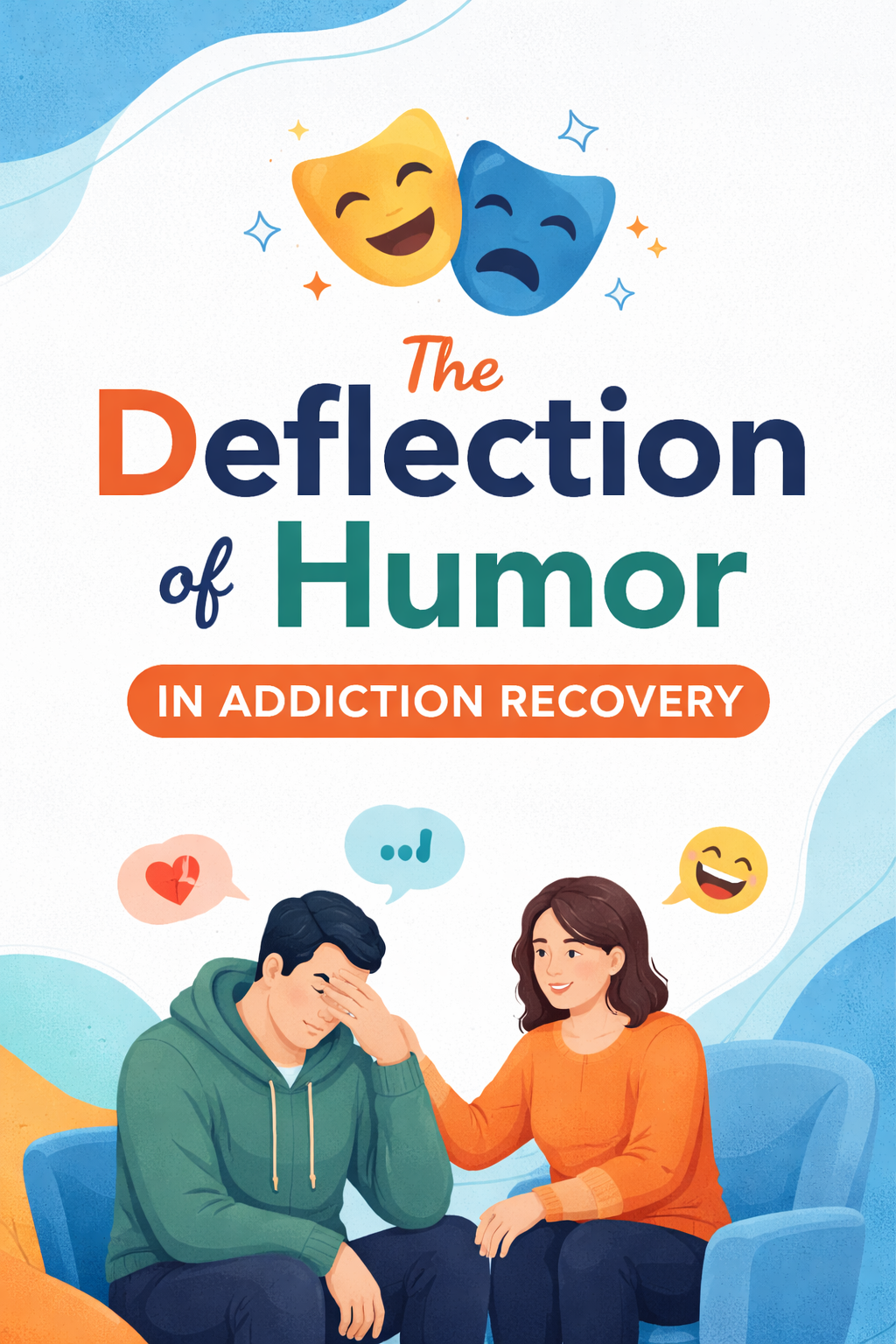
Deflection of Humor in Addiction

In addiction recovery, humor is often seen as a helpful coping tool that provides relief, connection, and a sense of lightness during difficult times. However, it can also function as a form of emotional avoidance. People may rely on jokes or sarcasm to avoid uncomfortable feelings such as shame, guilt, fear, or vulnerability. While this … Read more

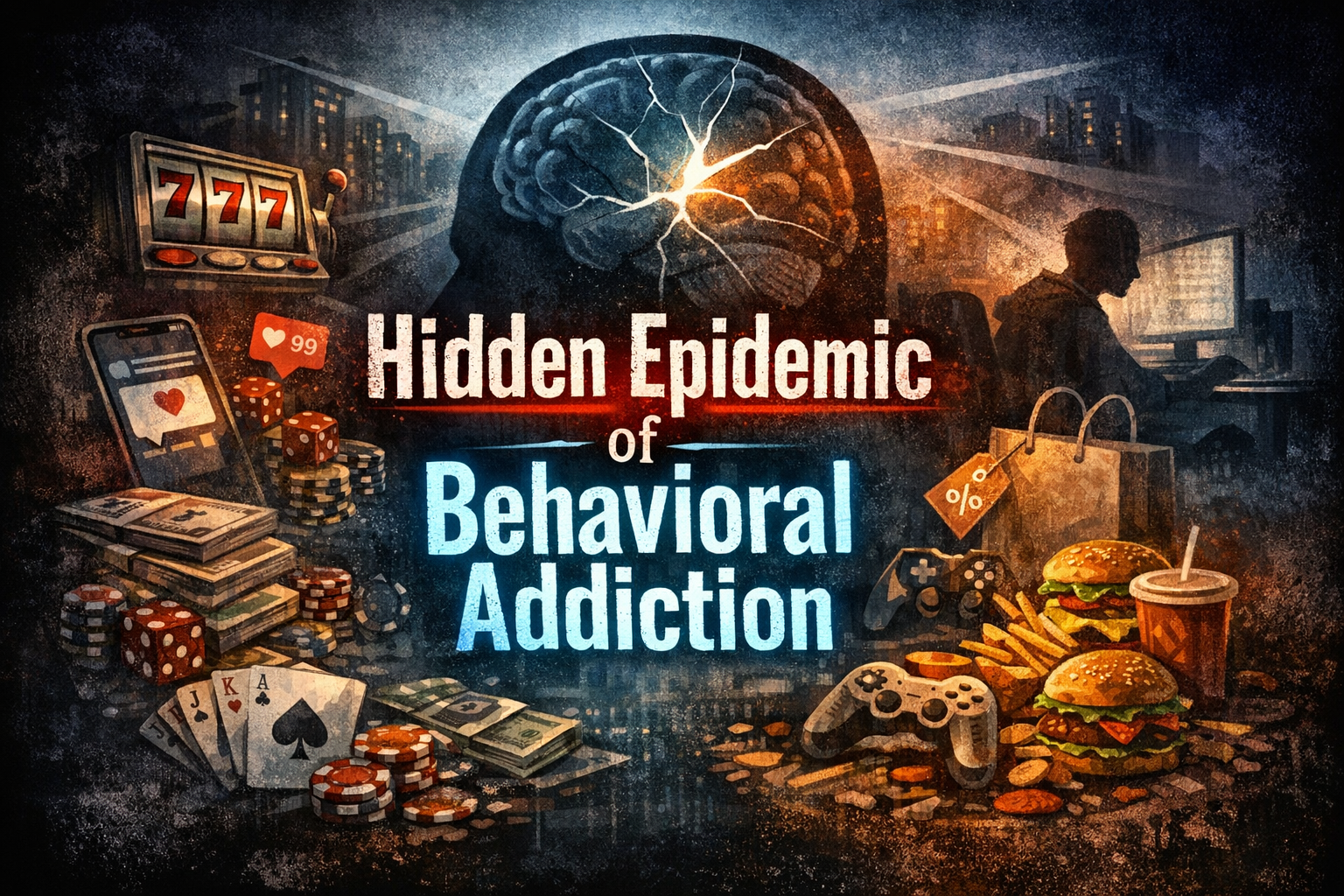
Epidemic of Behavioral Addiction

Behavioral addiction is an increasingly common yet often unnoticed issue, embedded in everyday activities like gaming, social media, and shopping. What may begin as normal behavior can gradually turn compulsive, driven by the brain’s reward system and unmet emotional needs. Because these habits are widely accepted, many individuals fail to recognize the problem. To fully … Read more

Easing Overwhelming Anxiety

Overwhelming anxiety can feel intense, disorienting, and difficult to control, often affecting both the mind and body at the same time. In these moments, thoughts may race, physical symptoms may escalate, and a sense of urgency or fear can take over. However, anxiety is a natural response—not a permanent state—and there are effective ways to … Read more

Maladaptive Daydreaming

Maladaptive daydreaming in addiction recovery is a lesser-known but important challenge. While recovery focuses on stopping substance use, it also involves addressing the urge to escape emotional discomfort. For some, this need shifts inward, turning into maladaptive daydreaming—an internal form of avoidance that offers temporary relief but reduces engagement with reality. Recognizing this highlights that … Read more

Addiction and Its Enduring Effects

Addiction is often viewed as a condition tied only to active substance use, but its effects extend far beyond that period. Even after use has stopped, individuals may continue to experience lasting changes in brain function, emotional regulation, behavior, and relationships. These enduring effects can shape daily life, influencing how a person thinks, feels, and … Read more