Methamphetamine and fentanyl are two drugs that have surfaced everywhere in recent years, and I’ve seen how their dangers can sometimes be underestimated, especially when it comes to mental health. Knowing what these substances can do to your mind and body can help you take care of yourself or someone you care about. I’m going to break down how meth and fentanyl really affect mental health, and share practical info, real-world examples, and resources that make a difference when it comes to staying safe.
Why Methamphetamine and Fentanyl Matter for Mental Health
Methamphetamine and fentanyl sit right at the heart of the opioid and stimulant epidemics in a lot of places. These drugs aren’t just dangerous because of their addictive power; they come with a long list of problems that can mess with your mind. Over the last decade, emergency rooms and addiction centers have reported a big jump in mental health issues tied to both meth and fentanyl. People from any walk of life can find themselves struggling as these substances quickly take over, changing brain chemistry and the way someone feels, thinks, or behaves.
Meth is a powerful stimulant, originally developed for medical use but now mostly found illegally. It causes waves of dopamine, the feel-good brain chemical, that give users a rush. Fentanyl is a superstrong synthetic opioid, sometimes used in medicine for severe pain, but in street form, even tiny amounts can shut down breathing, cause memory problems, and create strong cravings. Both can wreck your mental health, whether they’re used together or alone. Far too often, folks stumbling upon fentanyl may not even know that it’s been mixed into other drugs, which only increases the risk.
Breaking Down the Mental Health Risks
The changes these drugs make in the brain aren’t always obvious at first. A lot of the people I’ve talked with or read about say they started using just once at a party or after a surgery, and things spiraled from there. Here’s a simple rundown on how each can really put your mind at risk:
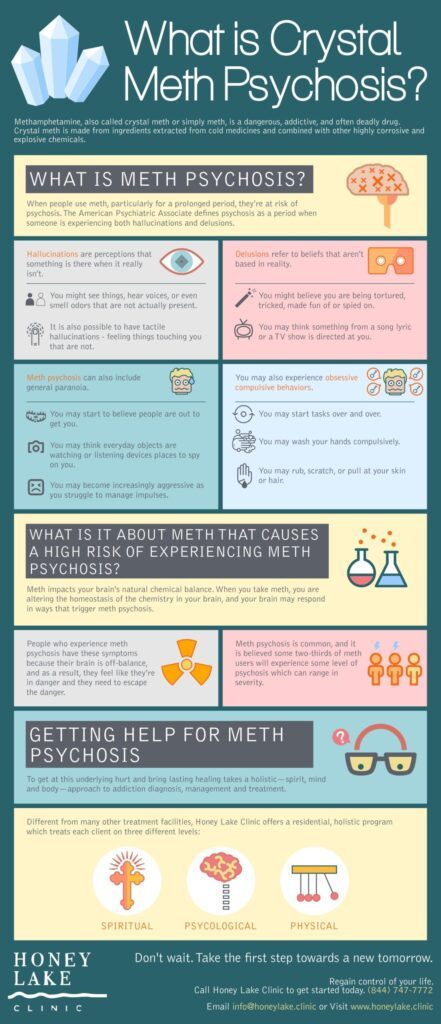
- Methamphetamine: Cranks up energy, alertness, and confidence in the short term, but brings anxiety, paranoia, and hallucinations later on. Regular use tends to create mood swings, sleep problems, and even delusional thinking.
- Fentanyl: Gives strong pain relief and euphoria, but it’s linked to depression, memory lapses, and severe anxiety. With this opioid, users often feel emotionally numb when it wears off, which makes them want more to feel “normal.”
Using both together multiplies the risks, since each affects the brain in different ways. It’s not rare to see cases where someone experiences psychosis (losing touch with reality), heavy depression, or extreme anxiety disorders. Some people may even start self-medicating with other substances, which only adds more layers of risk and confusion for both body and mind.
How These Drugs Change the Brain
I find it really useful to check out what’s happening inside the brain when these substances are around. Meth and fentanyl target places in the brain involved with mood, motivation, pleasure, and self-control. Here’s what you can expect if someone gets caught up with them:
- Dopamine Flood: Meth slams the brain with dopamine, which makes every high feel fantastic. As you use more, it takes bigger doses just to feel good again. Eventually, everyday things just don’t seem rewarding anymore, and the brain loses some of its natural ability to feel happy.
- Disrupted Opioid Systems: Fentanyl attaches to opioid receptors, which regulate pain and emotional responses. Long-term use rewires your brain, making even minor stresses or regular pain seem overwhelming without the drug.
- Fight-or-Flight Overload: After repeated exposure, the body and mind are always on edge. Users may feel jumpy, constantly worried, or like they’re reliving past traumas.
These changes lead to cognitive issues. Memory trouble, challenges with concentrating, and poor decision-making start to show up, sometimes sabotaging daily routines, relationships, or success at school and work. People around someone using these drugs might spot these mental shifts before the person does. It’s important to stay sharp and to notice when someone seems different in subtle yet consistent ways.
Recognizing the Warning Signs
Spotting the early signs of mental health problems from meth and fentanyl can help someone get help faster. I’ve heard from people who missed these signs at first, thinking they were just having a bad week. Here are a few things to look out for:
- Personality Changes: More irritability, paranoia, or extremely good or bad moods.
- Isolation: Pulling away from friends or dropping activities they used to enjoy.
- Sleep Issues: Insomnia or crashing for long periods; either can be a clue.
- Strange Thoughts or Behaviors: Seeing or hearing things that aren’t there, strong suspiciousness, or acting in risky ways.
- Memory and Focus Problems: Forgetting appointments, trouble keeping up at work or school, or making poor decisions.
Strong cravings or withdrawal symptoms, like shakes, sadness, or anxiety, are also red flags. Early support and intervention can make a real difference in keeping things from getting worse. Family members, friends, or coworkers who notice these warning signs can step up and reach out, as an outside perspective often helps someone see the need for help sooner.
Dealing with Dual Diagnosis: Addiction and Mental Illness
A lot of folks struggling with addiction also have mental health issues, sometimes called “dual diagnosis.” It gets tricky because it’s not always clear what started first: the mental health issue or the substance use. I’ve met people who started using meth or fentanyl to cope with anxiety or depression, while others developed those problems after using the drugs for a while. The problems often feed on each other, making recovery more complicated.
Integrated treatment, where mental health and addiction are both treated together, shows a higher chance of success. There are programs like matrix model therapy, group counseling, or even medication for withdrawal symptoms that are designed for people in this situation. If you know someone going through this, reminding them that support is out there can be powerful. Reaching out to specialized programs is super important, so both aspects get the attention they need simultaneously. Trying to just fix the addiction or just focus on mental health in isolation often leads to setbacks.
Common Hurdles on the Road to Recovery
Getting help for meth or fentanyl addiction, along with mental health issues, isn’t always easy. From what I’ve seen, some big challenges people deal with include:
- Withdrawal Symptoms: Coming off meth means feeling super tired, depressed, and anxious. With fentanyl, cravings can be intense, and withdrawal is tough without medical support.
- Relapse Risk: Even after weeks or months of being clean, cravings and triggers can pop up out of the blue. Common triggers include stressful events, being around old friends who still use, or big life changes.
- Stigma: Some folks worry about being judged by others or feel guilty about needing help, which can hold them back from getting support. The fear of someone finding out about their struggle can weigh heavily and prevent reaching out.
- Access to Care: Not everyone has the same access to addiction or mental health services, especially if they live in rural areas or lack insurance coverage. Limited transportation and long waitlists only add to the challenge.
Being aware of these hurdles can help you or a friend prepare and push through them. There’s always a way forward, even if it takes a few tries to find the right path. Connecting with online support groups and local organizations can break down some of these barriers and offer practical guidance at every step.
What Recovery Looks Like: Realistic Steps for Healing
Healing is not a quick process, and I always tell folks to take it one small step at a time. Here’s what I’ve seen work for many who are trying to get their lives back on track:
- Get Medical Advice: Doctors and counselors can help make withdrawal safer and offer medication when it’s needed (especially for opioid cravings).
- Support Networks: Leaning on supportive friends, family, or peers in recovery helps counter isolation and boosts motivation.
- Therapy and Counseling: Group or one-on-one sessions, like cognitive behavioral therapy, help shift thinking patterns that keep addiction and mental health problems going.
- Building Routines: Sticking to a regular sleep, meal, and activity schedule provides stability and helps the brain heal. Even simple rituals, like morning walks or preparing meals, go a long way toward grounding recovery.
- Learning New Coping Skills: Stress management, mindfulness, and healthy hobbies make a difference. Creative outlets, meditation, or exercise can release pressure and keep motivation strong.
The process can be hard, but people do recover, and even small successes are worth celebrating. Many communities offer resources like SAMHSA’s helpline, where help is always nearby. Never underestimate the power of reaching out and letting someone know you’re ready to make a change, even if you don’t know where to start. Every call, message, or step taken can open up new doors to healing.
Frequently Asked Questions
These are a few of the most common questions I get about meth and fentanyl and their mental health risks:
How fast can meth or fentanyl affect my mental health?
Acute mental health symptoms, like anxiety, paranoia, or mood swings, can show up after just one use, especially with meth. Fentanyl’s effects may appear gradually or suddenly, but regular use increases the danger. Sometimes, sensitivities or existing conditions will make someone feel the impact even faster.
Can people recover full mental health after quitting?
Some changes improve over time, especially if someone receives early treatment and sticks to their recovery plan. Long-term heavy use may leave lasting memory or mood issues for some, but many notice real improvements in a drug-free lifestyle. Early support and a structured recovery plan can give your progress a big boost.
What should someone do if they’re worried about a friend?
Encouraging supportive conversations, connecting them with professional help, and reminding them that change is possible can be a huge first step. Just checking in and offering a listening ear can go a long way. Providing information about local resources, hotlines, or trusted health professionals helps make the process less intimidating.
Final Thoughts
Methamphetamine and fentanyl create serious risks, not just for physical health, but for mental well-being. It’s pretty important to keep conversations open, ask for help early, and know that there’s always a path toward healing, even when it doesn’t feel easy. Check out local or national support groups, online resources, and trusted professionals for real help when you need it. Life can get a whole lot brighter on the other side of addiction. Keep looking out for yourself and for the people in your circle—there’s always hope and support waiting to be found.
Video: What Happens When You Mix Meth and Fentanyl? #SubstanceUseDisorder #PsychosisRisk