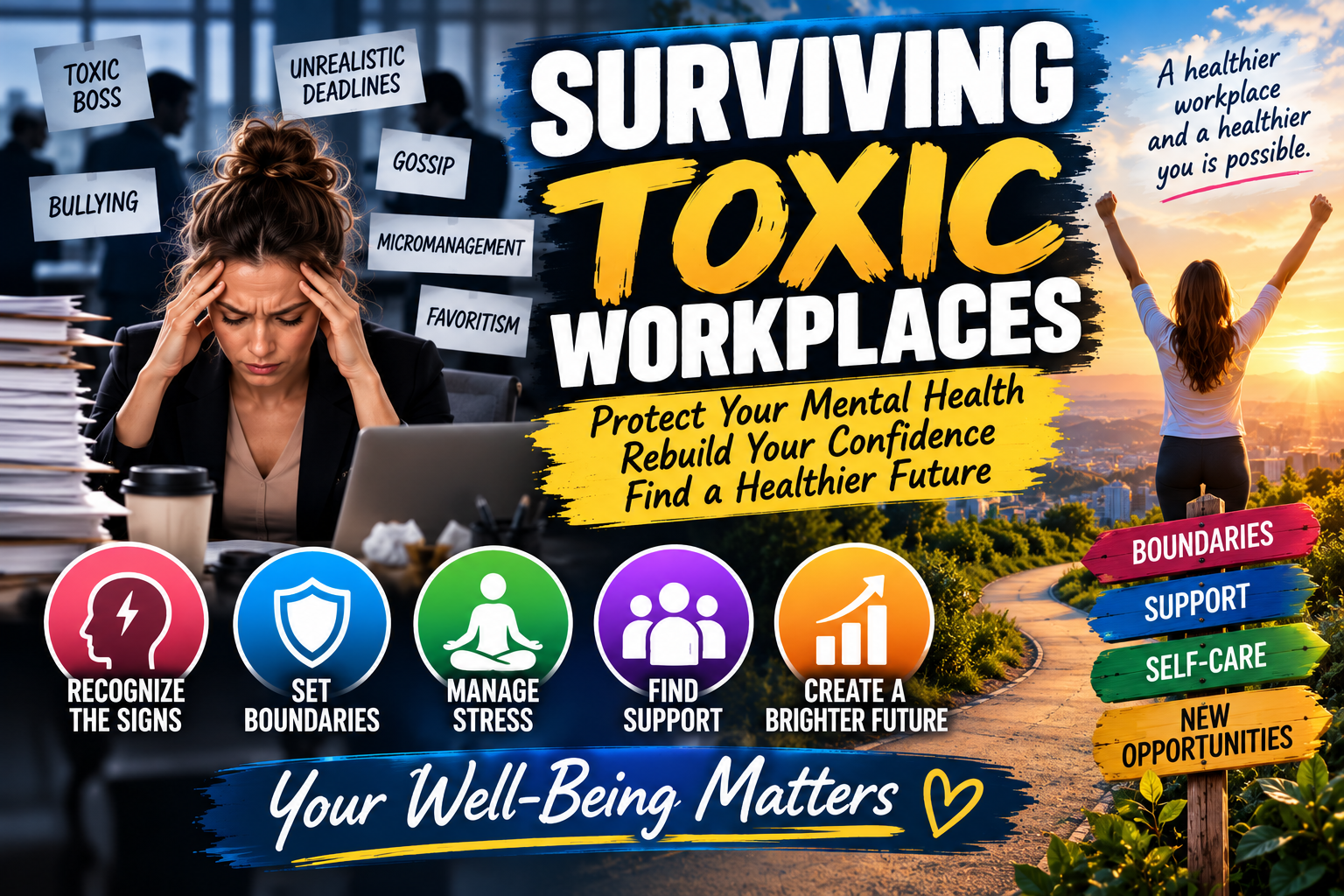
A workplace should provide opportunities for professional growth, financial stability, meaningful relationships, and personal fulfillment. However, for many employees, the workplace becomes a source of chronic stress, emotional exhaustion, anxiety, and diminished self-worth. Toxic work environments characterized by bullying, manipulation, discrimination, excessive workloads, poor leadership, and unrealistic expectations can negatively affect both mental and physical health.
Surviving a toxic workplace requires more than simply enduring difficult circumstances. It involves recognizing harmful patterns, establishing healthy boundaries, developing effective coping strategies, and seeking support from family members, trusted colleagues, and community resources.
For some individuals, prolonged workplace stress may also contribute to unhealthy coping behaviors, including excessive alcohol consumption, emotional eating, or substance misuse. Understanding these connections is essential for protecting mental health and preventing long-term consequences.
Through self-management, family encouragement, and community support, individuals experiencing workplace toxicity can regain confidence, strengthen emotional resilience, and make informed decisions about their professional future.
What Is a Toxic Workplace?
A toxic workplace is an environment where persistent harmful behaviors, organizational practices, or unhealthy relationships negatively affect employees’ psychological safety, professional functioning, and overall well-being.
Not every demanding job or disagreement with a supervisor represents workplace toxicity. However, repeated patterns of intimidation, humiliation, unfair treatment, and disregard for employee well-being may indicate a harmful organizational culture.
Common Signs of a Toxic Workplace
- Workplace bullying: Repeated humiliation, intimidation, threats, or personal attacks.
- Micromanagement: Excessive monitoring that undermines autonomy and professional confidence.
- Favoritism: Unequal opportunities, inconsistent expectations, and unfair treatment.
- Poor communication: Conflicting instructions, unclear responsibilities, and withheld information.
- Unrealistic workloads: Excessive demands without adequate staffing, resources, or support.
- Gaslighting: Repeated manipulation or denial of events that causes employees to question their perceptions.
- Discrimination or harassment: Unfair treatment based on protected characteristics or other abusive conduct.
- Retaliation: Punishment or threats after employees raise legitimate concerns.
- Lack of accountability: Leadership tolerating misconduct or refusing to address recurring problems.
Recognizing these patterns is the first step in determining whether the situation can improve or whether leaving may be the healthiest option.
How Toxic Workplaces Affect Mental and Physical Health
Chronic workplace stress activates the body’s physiological stress-response systems, including the hypothalamic-pituitary-adrenal axis and sympathetic nervous system.
When stress becomes persistent, individuals may experience disruptions in sleep, emotional regulation, concentration, and physical health.
Over time, these effects can interfere with relationships, job performance, and quality of life.
Psychological and Emotional Consequences
- Persistent anxiety or excessive worry.
- Depression or feelings of hopelessness.
- Emotional exhaustion and burnout.
- Reduced confidence and self-esteem.
- Irritability, anger, or emotional withdrawal.
- Difficulty concentrating or making decisions.
- Fear of criticism or professional failure.
- Loss of motivation and job satisfaction.
Physical Health Consequences
- Headaches and muscle tension.
- Insomnia or disrupted sleep.
- Fatigue and reduced energy.
- Gastrointestinal discomfort.
- Elevated blood pressure.
- Increased stress-related cardiovascular risk.
- Changes in appetite or eating habits.
- Worsening of existing medical conditions.
Although workplace stress can contribute to these symptoms, persistent or severe health concerns should be evaluated by a healthcare professional.
The Connection Between Toxic Workplaces and Addiction
One often overlooked consequence of prolonged workplace stress is the potential development of unhealthy coping behaviors.
Employees who feel powerless, undervalued, or emotionally overwhelmed may turn to alcohol, nicotine, cannabis, excessive eating, or other behaviors to temporarily escape emotional discomfort.
These coping mechanisms may initially provide relief but can eventually create additional health, financial, and relationship problems.
Warning Signs of Stress-Related Substance Misuse
- Drinking alcohol regularly to relax after work.
- Increasing nicotine or vaping use during stressful shifts.
- Using substances to manage anxiety or sleep problems.
- Relying on alcohol to feel comfortable discussing workplace frustrations.
- Experiencing cravings after difficult interactions with supervisors.
- Neglecting responsibilities because of substance use.
- Continuing unhealthy coping behaviors despite negative consequences.
Not everyone exposed to workplace toxicity develops an addiction. However, chronic stress can increase vulnerability, particularly among individuals with existing mental health concerns or substance use disorders.
Developing healthier coping strategies can reduce this risk.
Self-Management Strategies: Protecting Yourself in a Toxic Workplace
Self-management involves recognizing harmful workplace patterns, regulating emotional responses, establishing boundaries, and making decisions that protect personal and professional well-being.
Importantly, self-management does not mean accepting abuse or assuming responsibility for an organization’s harmful behavior.
Practical Self-Management Strategies
- Recognize toxic patterns: Identify recurring behaviors that contribute to stress, anxiety, or emotional exhaustion.
- Document concerning incidents: Record dates, times, specific behaviors, witnesses, and relevant communications.
- Establish professional boundaries: Clearly communicate reasonable expectations regarding workload, availability, and responsibilities.
- Practice emotional regulation: Use deep breathing, mindfulness, grounding exercises, or short breaks to manage acute stress.
- Avoid unnecessary conflict: Maintain professional communication and avoid participating in workplace gossip or retaliation.
- Protect your personal time: Separate work responsibilities from home life whenever possible.
- Maintain healthy routines: Prioritize sleep, physical activity, balanced nutrition, and meaningful leisure activities.
- Seek professional guidance: Consult mental health professionals, employee assistance programs, or workplace advisors when necessary.
- Develop an exit strategy: Explore alternative employment opportunities when the environment remains harmful despite reasonable efforts to address concerns.
A practical recovery plan should include both immediate stress-management techniques and longer-term decisions about employment, financial security, and personal health.
Setting Healthy Boundaries Without Damaging Your Career
Healthy boundaries help employees communicate expectations and reduce unnecessary emotional strain.
In toxic environments, supervisors or colleagues may challenge boundaries by expecting constant availability, unquestioning compliance, or excessive personal sacrifice.
Examples of Professional Boundaries
- Clarifying job responsibilities and workload expectations.
- Requesting written confirmation of important instructions.
- Limiting nonurgent communication outside scheduled work hours.
- Declining inappropriate personal discussions.
- Reporting harassment through appropriate organizational channels.
- Avoiding involvement in workplace gossip.
- Requesting assistance when assignments exceed available resources.
For example, an employee managing an unrealistic workload might explain that completing one urgent assignment will require postponing another task and ask the supervisor to clarify priorities.
This approach communicates limitations while maintaining professionalism.
However, employees should assess potential retaliation risks before confronting abusive individuals. In some situations, confidential legal or professional advice may be safer than direct confrontation.
Family Support Strategies: Helping Loved Ones Cope With Workplace Toxicity
Workplace stress rarely remains confined to the office.
Employees experiencing chronic workplace mistreatment may bring home anxiety, irritability, emotional exhaustion, or feelings of helplessness.
These changes can affect communication, parenting, intimate relationships, and family functioning.
Family support can provide emotional stability and help individuals feel less isolated.
How Families Can Help
- Listen without judgment: Allow loved ones to describe workplace experiences without immediately minimizing their concerns.
- Validate emotional experiences: Acknowledge that persistent workplace mistreatment can affect confidence and mental health.
- Encourage healthy boundaries: Support reasonable separation between professional responsibilities and personal life.
- Promote stress-relieving activities: Participate in exercise, hobbies, outdoor activities, or relaxing family routines.
- Recognize signs of burnout: Notice changes in sleep, mood, appetite, or emotional availability.
- Support professional counseling: Encourage mental health treatment when workplace stress becomes overwhelming.
- Discuss financial planning: Help evaluate employment alternatives without pressuring someone to resign immediately.
- Avoid blame: Recognize that organizational misconduct is not necessarily caused by an employee’s performance or personality.
Families can also help by reminding individuals that their professional worth is not defined solely by one employer’s treatment.
Community Support Strategies: Finding Resources Beyond the Workplace
Community resources can provide guidance, advocacy, emotional support, and practical assistance for individuals experiencing workplace toxicity.
These resources are particularly valuable when internal reporting systems are ineffective or when employees fear retaliation.
Helpful Community Resources
- Mental health professionals: Therapists and counselors can help address anxiety, depression, trauma-related symptoms, and workplace stress.
- Employee Assistance Programs (EAPs): Many employers offer confidential short-term counseling and referrals, subject to program policies and privacy limitations.
- Professional associations: Industry organizations may provide mentorship, ethical guidance, and professional support.
- Employment attorneys: Legal professionals can evaluate potential discrimination, harassment, retaliation, or other employment law violations.
- Workforce development agencies: Career counseling and job placement programs can assist with employment transitions.
- Peer support networks: Trusted colleagues and professional communities can reduce isolation.
- Public health organizations: Community mental health services can provide education and stress-management resources.
- Addiction treatment programs: Individuals using alcohol or substances to cope with workplace stress may benefit from specialized treatment.
In the United States, employees experiencing discrimination or unlawful harassment may find information through the Equal Employment Opportunity Commission (EEOC).
Workers concerned about unsafe working conditions can review resources provided by the Occupational Safety and Health Administration (OSHA).
Not all unfair or unpleasant workplace behavior is unlawful, and available protections depend on the circumstances and applicable laws.
When Staying Becomes More Harmful Than Leaving
Leaving a toxic workplace can be emotionally and financially challenging.
Employees may fear losing income, health insurance, professional relationships, or opportunities for career advancement.
However, staying in a persistently harmful environment can also come at a high cost.
Signs It May Be Time to Consider Leaving
- Persistent anxiety or dread before work.
- Worsening physical or mental health symptoms.
- Repeated harassment or retaliation.
- Leadership consistently ignoring serious concerns.
- Pressure to participate in unethical or unsafe practices.
- Increasing reliance on alcohol or other substances to cope.
- Significant damage to family relationships.
- Loss of confidence or professional identity.
Before resigning, individuals may benefit from reviewing financial resources, exploring alternative employment, understanding workplace benefits, and seeking appropriate legal guidance.
The goal is not necessarily to leave immediately but to make a safe, informed decision that protects long-term well-being.
Rebuilding Confidence After Workplace Toxicity
Toxic work environments can gradually erode confidence, particularly when employees experience repeated criticism, exclusion, or manipulation.
Even after leaving, individuals may struggle with anxiety, mistrust, or fear of making mistakes.
Recovery often involves rebuilding a sense of professional competence and personal autonomy.
Strategies for Rebuilding Confidence
- Recognize personal accomplishments and professional strengths.
- Separate organizational dysfunction from individual self-worth.
- Seek mentorship from supportive professionals.
- Reestablish realistic career goals.
- Practice assertive communication.
- Participate in continuing education or professional development.
- Consider counseling for persistent emotional distress.
- Gradually rebuild trust in healthier workplace relationships.
Professional recovery is often gradual. Individuals may need time to regain confidence and develop a renewed sense of career direction.
Lessons From Surviving a Toxic Workplace
Surviving workplace toxicity provides important lessons about personal boundaries, organizational accountability, and emotional resilience.
First, recognizing harmful behavior is essential. Employees should not automatically interpret repeated mistreatment as evidence of personal inadequacy.
Second, self-care is necessary but cannot replace organizational responsibility. Employers must address unsafe working conditions, harassment, discrimination, and abusive leadership practices.
Third, supportive relationships can reduce isolation. Family members, trusted colleagues, healthcare professionals, and community organizations can help individuals make informed decisions.
Fourth, chronic workplace stress should not be managed through alcohol, drugs, or other potentially harmful coping behaviors. Early intervention can help prevent additional health consequences.
Finally, leaving a harmful workplace can sometimes represent an important step toward recovery, professional growth, and improved quality of life.
Conclusion: Reclaiming Your Health, Confidence, and Professional Future
Surviving a toxic workplace requires courage, self-awareness, and a willingness to prioritize physical and emotional well-being.
Workplace bullying, excessive demands, poor leadership, and persistent conflict can negatively affect mental health, relationships, and professional confidence. However, individuals do not have to navigate these challenges alone.
Through self-management strategies, healthy boundaries, family encouragement, professional counseling, and community resources, employees can develop healthier coping mechanisms and make informed career decisions.
Your career should contribute to your sense of purpose and professional growth—not require you to sacrifice your mental health, personal dignity, or long-term well-being.
Recovery from workplace toxicity is not simply about escaping a difficult environment. It is about rebuilding confidence, restoring emotional balance, strengthening relationships, and creating opportunities for a healthier professional future.
Frequently Asked Questions and Answers
Understanding Toxic Workplaces
1. What is considered a toxic workplace?
A toxic workplace is an environment where persistent harmful behaviors, unhealthy organizational practices, or abusive relationships negatively affect employee well-being and professional functioning.
Common examples include bullying, intimidation, discrimination, retaliation, unrealistic expectations, and a lack of accountability.
2. What are the most common signs of a toxic workplace?
Warning signs may include:
- Frequent workplace bullying or harassment.
- Excessive micromanagement.
- Favoritism and unfair treatment.
- Poor communication from leadership.
- Unrealistic workloads and deadlines.
- Public humiliation or constant criticism.
- High employee turnover.
- Fear of speaking openly.
- Retaliation after raising concerns.
One difficult interaction does not necessarily indicate a toxic workplace. Repeated harmful patterns are more concerning.
3. Can a toxic workplace affect mental health?
Yes. Prolonged exposure to workplace stress may contribute to anxiety, depression, emotional exhaustion, irritability, reduced self-esteem, and difficulty concentrating.
Employees may also experience persistent worry about job security, performance, or interactions with supervisors.
4. What is the difference between a stressful job and a toxic workplace?
A stressful job may involve demanding responsibilities, deadlines, or occasional disagreements while still providing fair treatment and organizational support.
A toxic workplace involves persistent harmful behaviors, dysfunctional leadership, or organizational practices that undermine employee safety, dignity, and well-being.
5. Can toxic workplace experiences cause psychological trauma?
Severe workplace bullying, harassment, threats, or discrimination can produce significant psychological distress and, in some circumstances, trauma-related symptoms.
However, not every stressful workplace experience meets the clinical criteria for post-traumatic stress disorder (PTSD).
Individuals experiencing persistent nightmares, avoidance, hypervigilance, or severe emotional distress should seek professional evaluation.
6. Why do employees stay in toxic workplaces?
Employees may remain because of financial responsibilities, health insurance, limited employment opportunities, professional commitments, fear of retaliation, or uncertainty about finding another job.
Some individuals also hope workplace conditions will improve or worry that leaving may damage their careers.
Mental and Physical Health Consequences
7. What physical symptoms can workplace toxicity cause?
Chronic workplace stress may contribute to:
- Headaches and muscle tension.
- Sleep disturbances.
- Persistent fatigue.
- Gastrointestinal discomfort.
- Elevated blood pressure.
- Changes in appetite.
- Reduced concentration.
- Worsening of existing medical conditions.
Persistent symptoms should be evaluated by a healthcare professional because other medical conditions may produce similar symptoms.
8. Can toxic workplaces cause anxiety and depression?
Toxic workplaces can contribute to anxiety and depressive symptoms, especially when employees experience repeated humiliation, discrimination, excessive demands, or limited control over their responsibilities.
However, mental health conditions often have multiple contributing factors, and professional assessment may be necessary.
9. What is workplace burnout?
Burnout is an occupational phenomenon associated with chronic workplace stress that has not been successfully managed.
According to the World Health Organization, burnout involves three dimensions:
- Feelings of energy depletion or exhaustion.
- Increased mental distance from one’s job, negativism, or cynicism.
- Reduced professional efficacy.
Burnout is not classified as a medical diagnosis, although it can coexist with depression, anxiety, or other health conditions.
10. Can workplace stress affect family relationships?
Yes. Employees experiencing chronic workplace stress may become emotionally withdrawn, irritable, exhausted, or less available to family members.
These changes can affect communication, parenting, intimacy, and household responsibilities.
Maintaining healthy boundaries between work and personal life can help protect relationships.
11. Can toxic workplaces contribute to substance misuse?
Yes. Chronic workplace stress may increase vulnerability to unhealthy coping behaviors, including excessive alcohol consumption, nicotine use, cannabis use, or misuse of prescription medications.
However, not everyone experiencing workplace toxicity develops substance use problems.
Recognizing unhealthy coping patterns early can help prevent additional complications.
Self-Management Strategies for Toxic Workplaces
12. How can employees protect their mental health in a toxic workplace?
Helpful self-management strategies include:
- Recognizing harmful workplace patterns.
- Establishing reasonable professional boundaries.
- Documenting concerning incidents.
- Practicing stress-management techniques.
- Maintaining adequate sleep and nutrition.
- Participating in regular physical activity.
- Seeking support from trusted individuals.
- Consulting mental health professionals when necessary.
- Developing a realistic career or workplace improvement plan.
Self-care is important, but employees should not be expected to resolve organizational misconduct through personal coping strategies alone.
13. How should someone respond to a toxic boss?
Employees should remain professional, clarify expectations, document concerning interactions, and communicate through appropriate workplace channels.
When possible, requesting written instructions can reduce misunderstandings.
If a supervisor engages in harassment, discrimination, or retaliation, employees may need assistance from human resources, an appropriate oversight office, or an employment attorney.
14. Should employees document workplace bullying?
Yes. Accurate documentation can help establish patterns of harmful behavior.
Employees may record:
- Dates and times of incidents.
- Specific statements or behaviors.
- Names of witnesses.
- Relevant emails or messages.
- Work-related consequences.
- Reports made to management and subsequent responses.
Documentation should comply with workplace policies, confidentiality obligations, and applicable laws.
15. How can someone establish boundaries with demanding coworkers or supervisors?
Healthy boundaries involve communicating reasonable expectations about workload, responsibilities, availability, and respectful treatment.
For example, an employee may explain that completing an urgent assignment requires reprioritizing other tasks.
Boundaries should be communicated professionally, while recognizing that some workplaces may not respond appropriately.
16. Can mindfulness help employees manage workplace stress?
Yes. Mindfulness, controlled breathing, grounding exercises, and meditation may reduce perceived stress and improve emotional regulation.
These practices can help employees respond more thoughtfully during difficult situations.
However, mindfulness does not replace organizational accountability or appropriate intervention when harassment or unsafe working conditions are present.
17. How can someone rebuild confidence after workplace bullying?
Rebuilding confidence may involve recognizing professional accomplishments, seeking mentorship, participating in continuing education, and developing healthier workplace relationships.
Counseling can also help individuals address persistent self-doubt, anxiety, or emotional distress resulting from workplace mistreatment.
Family Support Strategies
18. How can families support someone experiencing workplace toxicity?
Families can help by:
- Listening without judgment.
- Acknowledging emotional distress.
- Encouraging healthy work-life boundaries.
- Participating in stress-relieving activities.
- Supporting professional counseling.
- Helping evaluate financial and career options.
- Recognizing signs of burnout.
- Avoiding pressure to make immediate employment decisions.
Family support should encourage informed choices rather than attempt to control the person’s career decisions.
19. What should someone do if workplace stress affects their marriage or family?
Open communication is important. Individuals should explain how workplace stress affects their emotions and availability while avoiding directing frustration toward loved ones.
Family counseling, shared activities, and consistent personal time may help restore healthy relationships.
20. Can family members recognize signs of workplace burnout before the employee does?
Sometimes. Family members may notice persistent fatigue, irritability, withdrawal, sleep problems, or changes in alcohol consumption.
These observations can encourage supportive conversations and appropriate medical or mental health evaluation.
Community and Professional Support
21. What community resources can help employees experiencing workplace toxicity?
Helpful resources include:
- Employee Assistance Programs (EAPs).
- Licensed mental health professionals.
- Professional associations and mentorship networks.
- Employment attorneys.
- Workforce development programs.
- Community mental health organizations.
- Peer support groups.
- Addiction treatment services when substance misuse is present.
The most appropriate resource depends on the employee’s circumstances and the nature of the workplace concerns.
22. Can an Employee Assistance Program help with workplace stress?
Yes. Many EAPs provide short-term counseling, mental health referrals, stress-management resources, and assistance with personal or workplace challenges.
Confidentiality protections and service availability vary by program, so employees should review the applicable policies.
23. When should someone report workplace harassment to human resources?
Employees may consider reporting persistent harassment, discrimination, threats, retaliation, or other serious misconduct through appropriate organizational channels.
Before reporting, it may be helpful to document incidents, review workplace policies, and understand available protections.
Human resources represents the employer’s interests, so independent legal advice may be valuable in complex or high-risk situations.
24. Are employees legally protected from toxic workplace behavior?
Certain workplace behaviors are prohibited under federal, state, or local laws, including unlawful discrimination, specific forms of harassment, and retaliation for protected activities.
However, not every unfair, disrespectful, or unpleasant workplace behavior is illegal.
Employees can obtain information from the Equal Employment Opportunity Commission (EEOC) or consult an employment attorney.
25. Can employees seek mental health treatment while remaining employed?
Yes. Many employees receive counseling, psychotherapy, or medical treatment while continuing to work.
Depending on eligibility and circumstances, workplace accommodations or protected leave may be available under laws such as the Americans with Disabilities Act or Family and Medical Leave Act.
Leaving a Toxic Workplace and Recovering
26. When is it time to leave a toxic workplace?
Leaving may be worth considering when:
- Mental or physical health is deteriorating.
- Harassment or retaliation continues.
- Leadership repeatedly ignores serious concerns.
- Workplace demands consistently interfere with family life.
- Employees are pressured to engage in unethical or unsafe conduct.
- Professional confidence continues to decline.
- Reasonable efforts to improve conditions have failed.
Before resigning, employees may benefit from reviewing financial stability, benefits, alternative employment, and legal considerations.
27. Is leaving a toxic workplace a sign of weakness?
No. Leaving a harmful environment can be a reasonable decision to protect health, professional integrity, and personal well-being.
However, staying temporarily while developing a safe transition plan may also be necessary or appropriate.
28. How long does it take to recover emotionally after leaving a toxic workplace?
Recovery varies according to the duration and severity of workplace mistreatment, personal circumstances, and available support.
Some individuals experience relief soon after leaving, while others may continue to struggle with anxiety, reduced confidence, or difficulty trusting supervisors.
Professional counseling can help when symptoms persist or interfere with daily functioning.
29. How can someone avoid entering another toxic workplace?
During the job-search process, individuals can:
- Research employee reviews and organizational culture.
- Ask interviewers about leadership practices.
- Clarify workload and performance expectations.
- Explore employee turnover and retention.
- Ask how conflicts and complaints are handled.
- Assess opportunities for professional development.
- Speak with current or former employees when appropriate.
No screening process can guarantee a healthy workplace, but careful evaluation may help identify warning signs.
30. What is the most important lesson about surviving toxic workplaces?
The most important lesson is that professional success should not require sacrificing mental health, personal dignity, or physical well-being.
Employees deserve environments that promote respectful communication, reasonable expectations, psychological safety, and fair treatment.
Surviving a toxic workplace is not simply about enduring harmful behavior. It is about recognizing problems, protecting personal well-being, seeking appropriate support, and making informed decisions about a healthier professional future.
Video: