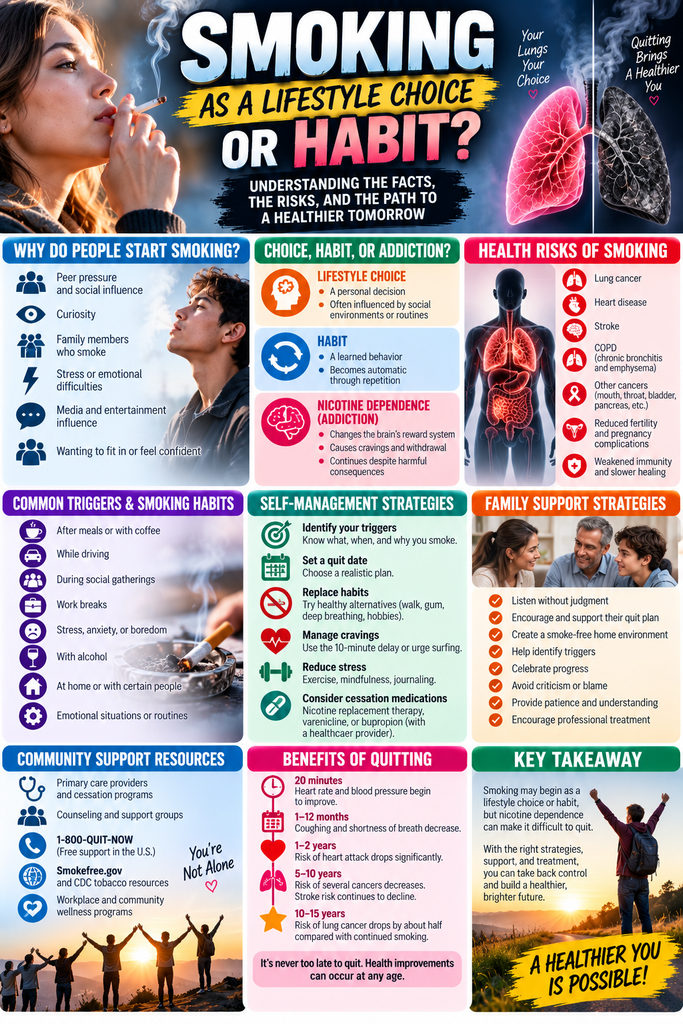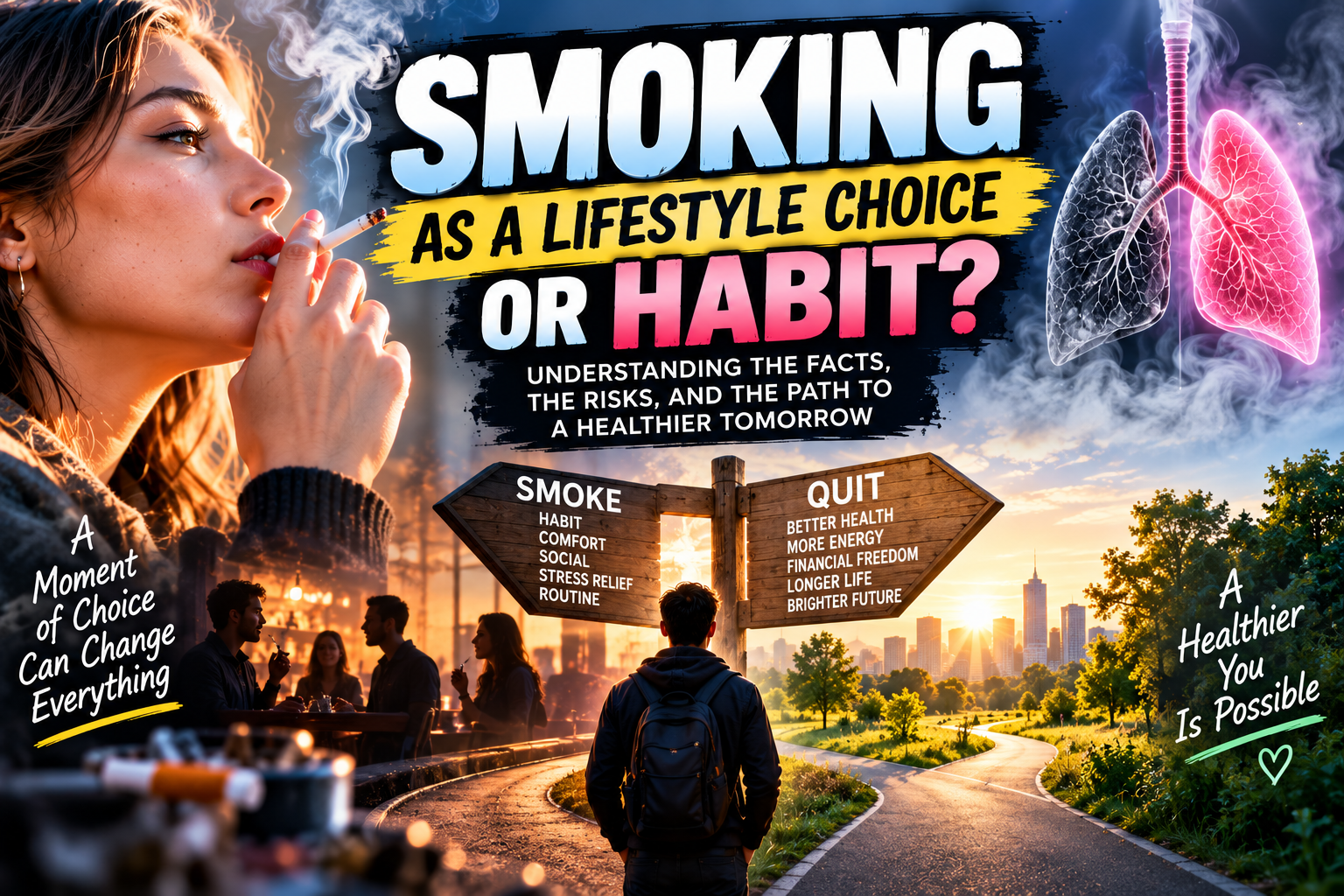
Smoking is often described as a personal lifestyle choice or a habit developed through social influences, stress, curiosity, or everyday routines. For some individuals, smoking begins as an occasional activity associated with social gatherings, relaxation, or a desire to fit in. Over time, however, what initially appears to be a voluntary decision can develop into a deeply ingrained behavior driven by nicotine dependence.
The distinction between smoking as a lifestyle choice, a learned habit, and an addiction is important. While individuals may initially choose to experiment with cigarettes, repeated nicotine exposure can change the brain’s reward pathways, making quitting increasingly difficult.
Smoking is not simply a matter of personal preference or willpower. Biological dependence, psychological triggers, social environments, and emotional coping mechanisms can all contribute to continued tobacco use.
Understanding these factors can help individuals make informed decisions about their health while encouraging compassionate support from families, healthcare professionals, and communities.
This article explores whether smoking is a lifestyle choice or an addiction, why the behavior becomes difficult to change, and how self-management, family involvement, and community resources can support healthier decisions and long-term smoking cessation.
Is Smoking a Lifestyle Choice, a Habit, or an Addiction?
Smoking can involve elements of personal choice, habitual behavior, and nicotine dependence. However, these concepts are not interchangeable.
A lifestyle choice generally refers to a behavior someone intentionally adopts based on personal preferences, social influences, or daily routines.
A habit is a learned behavior that becomes increasingly automatic through repetition. For example, someone may develop a routine of smoking after meals, while driving, or during work breaks.
Addiction, or nicotine use disorder, involves continued tobacco use despite harmful consequences, often accompanied by cravings, impaired control, and withdrawal symptoms.
Understanding the differences
- Lifestyle choice: An individual may initially decide to smoke because of curiosity, social acceptance, or perceived enjoyment.
- Habit: Smoking becomes associated with repeated daily activities, making the behavior feel automatic.
- Nicotine dependence: The brain adapts to repeated nicotine exposure, producing cravings and withdrawal symptoms when nicotine levels decline.
- Addiction: Tobacco use continues despite negative health, financial, or social consequences, and attempts to stop may be unsuccessful.
Although smoking may begin with a decision, nicotine dependence can significantly reduce a person’s ability to stop without assistance.
The key distinction is that initiating a behavior may involve choice, while maintaining that behavior can become increasingly influenced by addiction.
Why Do People Start Smoking?
People begin smoking for many different reasons, often influenced by their environment, relationships, and emotional experiences.
Some individuals experiment with cigarettes during adolescence, when curiosity and peer influence can play important roles.
Others begin smoking in adulthood during periods of stress, social transition, or exposure to tobacco-using environments.
Common reasons people start smoking
- Peer pressure: Wanting to fit in with friends or social groups.
- Curiosity: Experimenting with cigarettes to understand their effects.
- Family influence: Growing up in households where smoking is common.
- Stress management: Believing cigarettes provide emotional relief.
- Social identity: Associating smoking with independence, confidence, or belonging.
- Media influence: Exposure to smoking in movies, entertainment, or online content.
- Emotional difficulties: Using nicotine to temporarily manage anxiety, sadness, or loneliness.
- Social environments: Frequent exposure to tobacco use in workplaces or recreational settings.
These influences do not affect everyone equally. Genetics, age of initiation, mental health, and environmental exposure can also influence the likelihood of developing nicotine dependence.
How Smoking Becomes a Habit
Habits develop when behaviors repeatedly link to specific situations or rewards.
Smoking often becomes connected to everyday activities, such as drinking coffee, driving, taking breaks, or socializing.
Over time, these associations may trigger an automatic desire to smoke, even when the individual is not consciously thinking about nicotine.
For example, someone who regularly smokes after eating may begin experiencing cravings immediately after finishing a meal.
This learned association can continue even after physical nicotine withdrawal symptoms have decreased.
Common smoking-related habits
- Smoking with morning coffee.
- Lighting a cigarette after meals.
- Smoking while driving.
- Taking cigarette breaks during work.
- Smoking during stressful conversations.
- Smoking while consuming alcohol.
- Smoking during social gatherings.
- Using cigarettes to cope with boredom.
Recognizing these routines is an important part of developing a successful smoking cessation plan.
How Nicotine Changes the Brain
Nicotine is a highly addictive substance that rapidly reaches the brain after cigarette smoke is inhaled.
It binds to nicotinic acetylcholine receptors and affects several neurotransmitter systems, including dopamine pathways linked to reward and reinforcement.
Repeated nicotine exposure causes neuroadaptations that contribute to tolerance, dependence, and withdrawal.
When nicotine levels decline, individuals may experience irritability, restlessness, difficulty concentrating, anxiety, and strong cravings.
Smoking another cigarette temporarily relieves some of these withdrawal symptoms, reinforcing continued use.
This cycle helps explain why many people continue smoking even when they understand the health risks.
Signs of nicotine dependence
- Experiencing strong cravings for cigarettes.
- Smoking shortly after waking.
- Feeling irritable or anxious when unable to smoke.
- Having difficulty reducing cigarette consumption.
- Continuing to smoke despite health problems.
- Making unsuccessful attempts to quit.
- Organizing daily routines around opportunities to smoke.
- Experiencing withdrawal symptoms during abstinence.
Nicotine dependence is a treatable medical condition, and effective cessation treatments are available.
The Health Consequences of Smoking
Cigarette smoking affects nearly every organ system and remains a major preventable cause of disease and premature death.
Tobacco smoke contains thousands of chemicals, including numerous substances known to cause cancer.
Long-term exposure increases the risk of cardiovascular disease, respiratory illness, cancer, and other chronic health conditions.
Major health risks associated with smoking
- Lung cancer: Cigarette smoking is the leading cause of lung cancer.
- Chronic obstructive pulmonary disease (COPD): Smoking contributes to emphysema and chronic bronchitis.
- Heart disease: Tobacco exposure damages blood vessels and increases cardiovascular risk.
- Stroke: Smoking contributes to vascular injury and blood clot formation.
- Other cancers: Tobacco use increases the risk of cancers involving the mouth, throat, esophagus, bladder, pancreas, and other organs.
- Reproductive complications: Smoking can affect fertility, pregnancy outcomes, and sexual health.
- Impaired wound healing: Tobacco exposure can reduce tissue oxygenation and interfere with healing.
- Secondhand smoke exposure: Nonsmokers exposed to tobacco smoke face increased cardiovascular and respiratory risks.
There is no risk-free level of combustible cigarette smoking.
However, quitting provides meaningful health benefits at any age, even after decades of tobacco use.
Why Some Smokers View Smoking as a Lifestyle Choice
Some individuals describe smoking as a personal preference rather than an addiction.
They may enjoy the sensory experience, social interactions, or routines associated with cigarettes.
Others may view smoking as an expression of personal freedom or autonomy.
While personal autonomy is important, it is also necessary to recognize that nicotine dependence can influence decisions and make continued smoking feel less voluntary.
Common beliefs about smoking
- “I smoke because I enjoy it.”
- “Smoking helps me relax.”
- “I can quit whenever I want.”
- “It’s my personal choice.”
- “I’ve smoked for years, so quitting won’t make a difference.”
- “Smoking is part of my daily routine.”
These beliefs may reflect genuine preferences, learned behaviors, nicotine dependence, or a combination of these factors.
Healthcare professionals should approach these beliefs with curiosity and respect, not judgment.
Self-Management Strategies: Breaking the Smoking Habit
Smoking cessation often requires addressing both physical nicotine dependence and the behavioral routines associated with cigarette use.
A successful quit plan should include practical coping strategies, realistic goals, and access to appropriate treatment.
1. Identify personal smoking triggers
Recognize situations, emotions, and activities that increase the desire to smoke.
Helpful strategies include:
- Keeping a smoking diary.
- Recording when and why cigarettes are used.
- Identifying emotional triggers such as stress or anxiety.
- Recognizing routines associated with smoking.
- Developing alternative responses to high-risk situations.
Understanding triggers can help individuals interrupt automatic smoking behaviors.
2. Set a realistic quit date
Choosing a quit date can provide structure and motivation.
Some individuals prefer to stop smoking abruptly, while others benefit from a planned reduction strategy leading to complete cessation.
A healthcare professional can help determine an appropriate approach.
3. Replace smoking routines with healthier habits
Replacing cigarettes with alternative activities can weaken learned associations.
Examples include:
- Taking a short walk after meals.
- Drinking water or chewing sugar-free gum.
- Practicing relaxation exercises during work breaks.
- Listening to music while driving.
- Engaging in hobbies during periods of boredom.
- Spending time in smoke-free environments.
Consistency matters because habits change with repeated practice.
4. Practice craving-management techniques
Nicotine cravings often rise and fall in intensity.
When cravings occur, individuals can use strategies such as delaying smoking, changing environments, practicing mindfulness, or contacting a supportive person.
A brief delay may create enough distance between the urge and the decision to smoke.
5. Consider evidence-based cessation medications
Medications can help reduce nicotine withdrawal symptoms and improve the likelihood of successful cessation.
Common options include:
- Nicotine replacement therapy (NRT): Patches, gum, lozenges, inhalers, and nasal sprays.
- Varenicline: A prescription medication that reduces nicotine cravings and the rewarding effects of smoking.
- Bupropion SR: A prescription medication that can reduce withdrawal symptoms and smoking urges.
Combining a nicotine patch with a short-acting nicotine replacement product may be more effective than using a single NRT product.
When selecting medication, consider medical history, contraindications, patient preferences, and potential adverse effects.
6. Build healthy stress-management skills
Stress is a common trigger for smoking.
Helpful alternatives include regular physical activity, mindfulness, breathing exercises, journaling, counseling, and enjoyable social activities.
Learning to manage stress without cigarettes can strengthen long-term cessation efforts.
Family Support Strategies: Helping a Loved One Quit Smoking
Family support can significantly influence smoking cessation efforts.
However, criticism, guilt, and pressure may increase stress and discourage open communication.
Supportive family involvement should emphasize encouragement, understanding, and respect for personal autonomy.
Ways families can provide support
- Listen without judgment: Encourage honest conversations about smoking and quitting.
- Understand nicotine dependence: Recognize that quitting involves biological withdrawal and learned behaviors.
- Create smoke-free environments: Establish boundaries that protect household members from secondhand smoke.
- Encourage treatment: Support medical appointments, counseling, and cessation programs.
- Help identify triggers: Recognize situations that increase smoking urges.
- Celebrate progress: Acknowledge reduced smoking and successful smoke-free periods.
- Avoid criticism: Don’t blame or shame someone who struggles to quit.
- Support repeated quit attempts: Encourage learning from setbacks rather than treating them as failures.
Families should also recognize that nicotine withdrawal may temporarily increase irritability, restlessness, and emotional sensitivity.
Patience and realistic expectations can make the quitting process more manageable.
Community Support Strategies: Creating Environments That Encourage Smoking Cessation
Community support plays an important role in reducing tobacco use and improving access to cessation treatment.
Public health programs, healthcare organizations, and peer support networks can provide education, resources, and encouragement.
Helpful community resources
- Primary care providers: Assess nicotine dependence and recommend appropriate treatment.
- Tobacco cessation programs: Offer structured counseling and medication support.
- Mental health professionals: Help address anxiety, depression, trauma, and other factors associated with smoking.
- Peer support groups: Provide encouragement and accountability.
- Community health centers: Offer accessible smoking cessation services.
- Public health organizations: Promote tobacco prevention and smoke-free environments.
- Workplace wellness programs: May provide cessation benefits and supportive policies.
- Quitlines: Offer telephone-based counseling and practical cessation resources.
In the United States, individuals can call 1-800-QUIT-NOW for free smoking cessation support.
Additional resources are available through Smokefree.gov and the Centers for Disease Control and Prevention.
The Role of Healthcare Professionals in Smoking Cessation
Healthcare professionals can help individuals distinguish between habitual smoking behaviors and clinically significant nicotine dependence.
A patient-centered approach should assess smoking patterns, motivation, previous quit attempts, withdrawal symptoms, and readiness for change.
Motivational interviewing can be particularly helpful for patients who view smoking as a lifestyle choice and are uncertain about quitting.
Important clinical strategies
- Ask about tobacco use at routine healthcare visits.
- Assess nicotine dependence and smoking patterns.
- Explore the patient’s beliefs about smoking.
- Discuss health risks without using judgmental language.
- Assess readiness to quit and past attempts to quit.
- Recommend evidence-based medications when appropriate.
- Offer behavioral counseling and relapse-prevention strategies.
- Arrange follow-up to assess progress and treatment response.
Combining behavioral counseling and pharmacotherapy generally yields better cessation outcomes than either approach alone.
For individuals not ready to quit, clinicians can maintain engagement, discuss harm reduction, and revisit cessation goals at future visits.
Smoking Cessation and Relapse Prevention
Quitting smoking is a process that may involve multiple attempts.
A return to smoking does not erase previous progress or mean that long-term cessation is impossible.
Instead, it can provide information about triggers, coping strategies, and treatment adjustments that may improve future outcomes.
Strategies for preventing a return to smoking
- Identify high-risk situations before they occur.
- Continue prescribed cessation medications as directed.
- Maintain supportive relationships.
- Practice coping skills during stressful situations.
- Avoid environments that encourage smoking when possible.
- Develop alternatives to smoking-related routines.
- Attend follow-up appointments or counseling sessions.
- Review setbacks and adjust the quit plan.
Relapse prevention is most effective when individuals receive ongoing support and have access to treatment when cravings return.
The Benefits of Quitting Smoking
Quitting smoking produces significant health benefits, regardless of age or smoking history.
Approximate health improvements after the last cigarette
- Within minutes to hours: Heart rate begins to decrease, and carbon monoxide levels in the blood start returning toward normal.
- Within 1–12 months: Coughing and shortness of breath may decrease as respiratory function improves.
- Within 1–2 years: The risk of heart attack drops substantially.
- Within 5–10 years: The risk of several tobacco-related cancers decreases, and stroke risk continues to decline.
- Within 10–15 years, the added risk of lung cancer drops by approximately half compared with continued smoking.
These are population-level estimates. Individual benefits vary with smoking history and health status.
Beyond physical health, quitting can improve financial stability, reduce secondhand smoke exposure, and provide greater freedom from nicotine cravings and smoking-related routines.
Conclusion: Is Smoking Really a Choice?
Smoking may begin as a lifestyle choice or social habit, but repeated nicotine exposure can transform it into a powerful dependence that is difficult to overcome through willpower alone.
Understanding the biological, psychological, and social factors that contribute to tobacco use is essential for addressing nicotine addiction without blame or stigma.
Self-management strategies such as identifying triggers, replacing smoking routines, managing cravings, and using evidence-based cessation medications can help individuals regain control.
Family members can contribute through compassionate communication, encouragement, and smoke-free environments, while healthcare professionals and community organizations can provide treatment and ongoing support.
The most important lesson is that smoking may begin with a choice, but nicotine addiction can make quitting much more complicated. Recovery becomes more achievable when individuals have the tools, treatment, and support they need to make healthier decisions.
Choosing to quit smoking is not simply about giving up cigarettes. It is about improving health, strengthening personal freedom, and creating a future less controlled by nicotine dependence.
Frequently Asked Questions and Answers
Understanding Smoking as a Choice, Habit, or Addiction
1. Is smoking a lifestyle choice or an addiction?
Smoking may begin as a voluntary lifestyle choice, but repeated nicotine exposure can lead to dependence and addiction. Once dependence develops, cravings, withdrawal symptoms, and learned behaviors can make quitting difficult. Smoking can therefore involve personal choice, habitual routines, and addiction simultaneously.
2. What is the difference between a smoking habit and nicotine addiction?
A smoking habit is a learned behavior associated with repeated activities, such as drinking coffee, driving, or taking work breaks. Nicotine addiction involves changes in the brain’s reward system, resulting in cravings, withdrawal symptoms, and difficulty controlling tobacco use despite harmful consequences.
3. Why do people start smoking if they know it is harmful?
People may begin smoking because of curiosity, peer pressure, social acceptance, stress, family influences, or exposure to tobacco use in entertainment and media. Many individuals begin during adolescence, when long-term health consequences may feel distant, and nicotine dependence can develop rapidly.
4. Can someone smoke occasionally without becoming addicted?
Some individuals smoke intermittently without developing obvious dependence, but occasional smoking still carries health risks. Nicotine dependence can develop even with relatively low levels of tobacco exposure, and there is no risk-free level of combustible cigarette smoking.
5. Is smoking really a personal choice once someone becomes addicted?
Nicotine dependence can significantly influence decision-making and reduce control over tobacco use. Although individuals retain personal agency, addiction creates biological and psychological barriers that make quitting more difficult than simply deciding to stop.
Why Smoking Becomes a Habit
6. How does smoking become part of someone’s daily routine?
Smoking becomes habitual through repeated associations with specific activities or emotions. For example, smoking after meals or during work breaks can create learned patterns that trigger cravings whenever those situations occur.
7. What are the most common smoking triggers?
Common triggers include:
- Drinking coffee or alcohol.
- Finishing meals.
- Driving or commuting.
- Taking breaks at work.
- Stress, anxiety, or frustration.
- Socializing with other smokers.
- Feeling bored or lonely.
- Experiencing emotional distress.
Recognizing triggers helps individuals develop alternative responses and reduce automatic smoking behaviors.
8. Why do people feel that smoking helps them relax?
Nicotine temporarily changes brain chemistry and can relieve symptoms of nicotine withdrawal, creating a sensation of relaxation. However, this relief is often short-lived. Nicotine dependence can perpetuate cycles of irritability, cravings, and temporary relief.
9. Can smoking become a psychological coping mechanism?
Yes. Some individuals use cigarettes to cope with stress, sadness, anxiety, loneliness, or boredom. Over time, smoking may become a learned response to uncomfortable emotions, making cessation more challenging without alternative coping strategies.
10. Does social smoking still carry health risks?
Yes. Social or occasional smoking increases exposure to harmful tobacco chemicals and can contribute to cardiovascular disease, cancer, and nicotine dependence. Even low levels of cigarette smoking can substantially increase cardiovascular risk compared with never smoking.
Nicotine Dependence and Brain Chemistry
11. Why is nicotine so addictive?
Nicotine rapidly reaches the brain after cigarette smoke is inhaled and activates nicotinic acetylcholine receptors. This influences dopamine signaling in reward pathways, reinforcing tobacco use. Repeated exposure produces neuroadaptations that contribute to tolerance, cravings, and withdrawal symptoms.
12. What are the warning signs of nicotine addiction?
Common signs include:
- Smoking shortly after waking.
- Experiencing strong cigarette cravings.
- Feeling irritable when unable to smoke.
- Having difficulty reducing cigarette consumption.
- Continuing to smoke despite health concerns.
- Making repeated unsuccessful quit attempts.
- Organizing daily activities around smoking.
- Experiencing withdrawal symptoms when stopping.
These signs may indicate clinically significant nicotine dependence.
13. What happens when someone stops smoking?
After smoking cessation, nicotine levels decline, and withdrawal symptoms may develop. Common symptoms include irritability, anxiety, difficulty concentrating, increased appetite, sleep disturbances, and cigarette cravings.
Symptoms often peak during the first several days and gradually improve, although some cravings may persist longer.
14. Is nicotine withdrawal dangerous?
Nicotine withdrawal is generally not medically life-threatening, but symptoms can be uncomfortable and may interfere with daily functioning. Individuals with significant mental health concerns should receive appropriate support, especially if mood symptoms worsen during cessation.
15. Can nicotine addiction be treated successfully?
Yes. Nicotine dependence is treatable through behavioral counseling, evidence-based cessation medications, and ongoing support. Many individuals require multiple quit attempts before achieving sustained abstinence.
Health Risks Associated With Smoking
16. What are the long-term health consequences of cigarette smoking?
Cigarette smoking increases the risk of numerous medical conditions, including:
- Lung cancer and other tobacco-related cancers.
- Chronic obstructive pulmonary disease (COPD).
- Coronary artery disease.
- Heart attack and stroke.
- Peripheral arterial disease.
- Reduced fertility and pregnancy complications.
- Impaired wound healing.
- Increased respiratory infections.
Smoking also exposes nonsmokers to harmful secondhand smoke.
17. Can smoking affect mental health?
Smoking and mental health have a complex relationship. Individuals experiencing anxiety, depression, or other psychiatric conditions may have higher rates of tobacco use. Although nicotine can temporarily relieve withdrawal-related discomfort, smoking does not effectively treat underlying mental health disorders.
Evidence suggests that smoking cessation is often associated with improvements in anxiety, depression, stress, and overall psychological well-being.
18. Does smoking affect family members who do not smoke?
Yes. Secondhand smoke increases the risk of cardiovascular disease, lung cancer, and respiratory illnesses among nonsmokers. Children exposed to secondhand smoke face increased risks of respiratory infections, asthma exacerbations, and other health problems.
19. Is vaping a safer alternative to smoking?
For adults who already smoke cigarettes, completely switching to regulated nicotine vaping products may reduce exposure to many harmful chemicals associated with combustible tobacco. However, vaping is not harmless, and its long-term health effects remain under investigation.
Using cigarettes and vaping products together may substantially reduce the potential benefit of switching. Individuals who do not use tobacco should not begin vaping.
FDA-approved smoking cessation medications remain preferred first-line treatment options in the United States.
20. Is it too late to quit smoking after decades of tobacco use?
No. Quitting smoking provides health benefits at any age. Individuals who stop smoking can reduce their risks of cardiovascular disease, cancer, respiratory complications, and premature death, even after many years of tobacco exposure.
Self-Management Strategies for Smoking Cessation
21. What is the first step toward breaking the smoking habit?
The first step is recognizing smoking patterns and identifying personal triggers. Keeping a smoking diary can help individuals understand when, where, and why they smoke, allowing them to develop practical alternatives.
22. What are effective self-management strategies for quitting smoking?
Helpful strategies include:
- Setting a realistic quit date.
- Identifying smoking triggers.
- Removing cigarettes and smoking supplies.
- Replacing smoking routines with healthier activities.
- Practicing mindfulness and relaxation.
- Using nicotine replacement therapy when appropriate.
- Seeking behavioral counseling.
- Tracking progress and celebrating milestones.
Combining self-management techniques with professional treatment can improve cessation outcomes.
23. What is the 10-minute delay technique for smoking cravings?
The 10-minute delay technique involves waiting at least 10 minutes before responding to a cigarette craving. During this time, people can drink water, take a walk, practice relaxation, or do another activity.
The goal is to interrupt automatic smoking behavior and allow the craving to decrease naturally.
24. Can nicotine replacement therapy help someone quit smoking?
Yes. Nicotine replacement therapy provides controlled doses of nicotine without the harmful combustion products found in cigarette smoke.
Available forms include patches, gum, lozenges, inhalers, and nasal sprays. Combining a nicotine patch with a short-acting product may improve quit rates compared with using a single nicotine replacement product.
25. What medications are available to help people quit smoking?
FDA-approved smoking cessation medications include nicotine replacement therapies, varenicline, and bupropion SR.
These treatments can reduce cravings, withdrawal symptoms, or the rewarding effects of nicotine. Choose medications based on medical history, contraindications, and patient preferences.
Family Support Strategies
26. How can families support someone who wants to quit smoking?
Families can encourage someone by listening without judgment, helping identify triggers, supporting medical appointments, and maintaining a smoke-free environment.
Celebrating progress and understanding that quitting may require multiple attempts can also strengthen motivation.
27. What should families avoid when helping someone quit smoking?
Families should avoid criticism, blame, threats, or statements that minimize nicotine dependence. Shaming someone for smoking can increase stress and discourage open communication.
Supportive encouragement and respectful boundaries are generally more productive.
28. Should families establish smoke-free homes?
Yes. Smoke-free homes protect household members from secondhand smoke exposure and may help individuals attempting cessation avoid smoking-related cues.
Opening windows or using air filters does not eliminate the risks of indoor secondhand smoke.
29. Can family counseling help with smoking cessation?
Family counseling may help address communication problems, stress, and relationship conflicts that interfere with quitting. It can also help family members establish supportive expectations and healthy boundaries.
30. How should families respond if someone starts smoking again?
Families should avoid treating a return to smoking as a personal failure. Instead, they can encourage the individual to identify triggers, review coping strategies, and reconnect with cessation resources.
A setback can provide useful information for improving the next quit attempt.
Community Support and Smoking Cessation Resources
31. What community resources are available to help people quit smoking?
Helpful resources include:
- Primary care providers.
- Tobacco treatment specialists.
- Smoking cessation clinics.
- Community health centers.
- Mental health professionals.
- Peer support groups.
- Workplace wellness programs.
- State tobacco quitlines.
In the United States, 1-800-QUIT-NOW provides free access to state-based smoking cessation support.
32. Can smoking cessation support groups improve recovery?
Yes. Support groups can provide encouragement, shared experiences, accountability, and practical coping strategies.
Some individuals benefit from combining peer support with behavioral counseling and cessation medications.
33. How can healthcare professionals help smokers who are not ready to quit?
Healthcare professionals can use motivational interviewing to explore a patient’s beliefs, concerns, and readiness for change.
Rather than pressuring individuals, clinicians can provide accurate health information, discuss available treatments, and encourage future conversations about cessation.
34. What role do communities play in reducing smoking rates?
Communities can support tobacco prevention and cessation through public education, smoke-free policies, accessible treatment programs, school-based prevention, and workplace wellness initiatives.
These approaches can reduce tobacco exposure and make healthier choices more accessible.
Recovery and Long-Term Health Benefits
35. How quickly does the body begin recovering after quitting smoking?
Health improvements begin soon after the last cigarette.
| Time after quitting | Potential health improvement |
|---|---|
| Within minutes | Heart rate begins to decrease. |
| Within several days | Carbon monoxide levels return toward levels in nonsmokers. |
| 1–12 months | Coughing and shortness of breath may decrease. |
| 1–2 years | Heart attack risk drops substantially. |
| 5–10 years | Stroke risk continues to decline, along with risks of several cancers. |
| 10–15 years | The added risk of lung cancer decreases substantially compared with continued smoking. |
Individual improvements vary depending on smoking history and overall health.
36. Can someone quit smoking without medication?
Yes. Some people quit successfully using behavioral strategies and social support alone. However, cessation medications and counseling generally improve the likelihood of sustained abstinence, particularly for people with moderate or severe nicotine dependence.
37. Why do some people relapse after quitting smoking?
A return to smoking may occur because of stress, nicotine cravings, alcohol use, social influences, or exposure to familiar smoking environments.
Relapse does not mean recovery is impossible. Treatment adjustments and additional support can improve outcomes.
38. How can someone prevent a return to smoking?
Long-term cessation strategies include maintaining smoke-free environments, recognizing triggers, practicing coping skills, continuing treatment as directed, and staying connected with supportive people.
Developing a plan for stressful situations can help individuals respond without returning to cigarettes.
39. Can quitting smoking improve quality of life?
Yes. Smoking cessation can improve physical health, reduce respiratory symptoms, increase financial savings, and decrease dependence on cigarettes.
Many individuals also feel more confident, free from smoking-related routines, and experience improved overall well-being.
40. What is the most important message about smoking as a lifestyle choice or habit?
The most important message is that smoking may begin as a personal choice or learned habit, but nicotine dependence can make quitting significantly more difficult.
Understanding addiction as a treatable medical condition helps reduce stigma and encourages individuals to seek appropriate support.
Title: This Is Why Stress Makes Quitting Smoking So Hard #smoking #stress