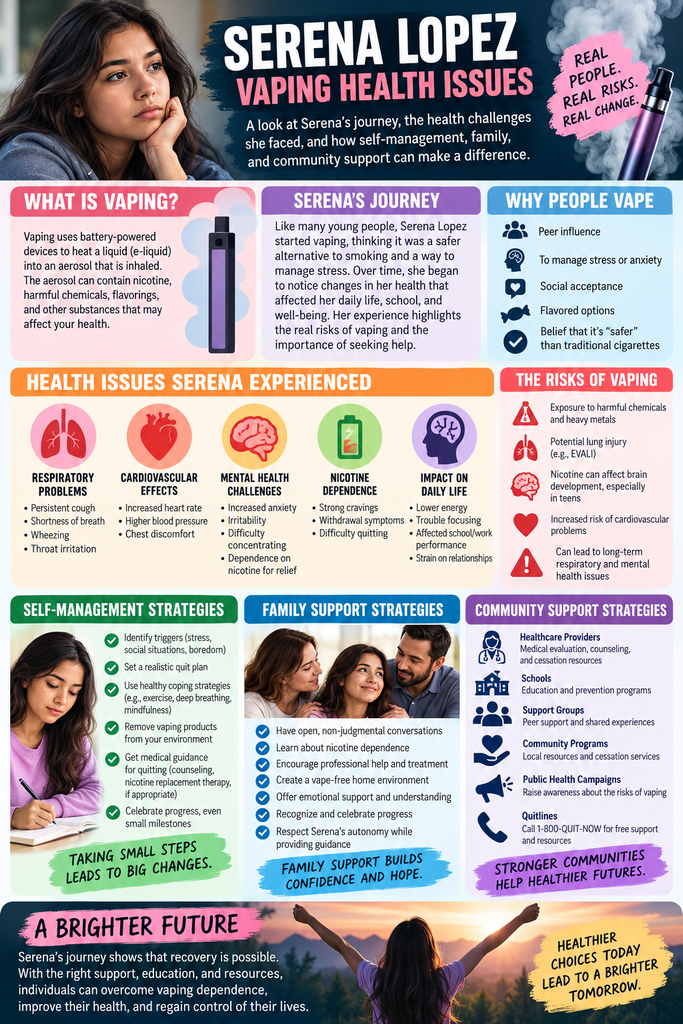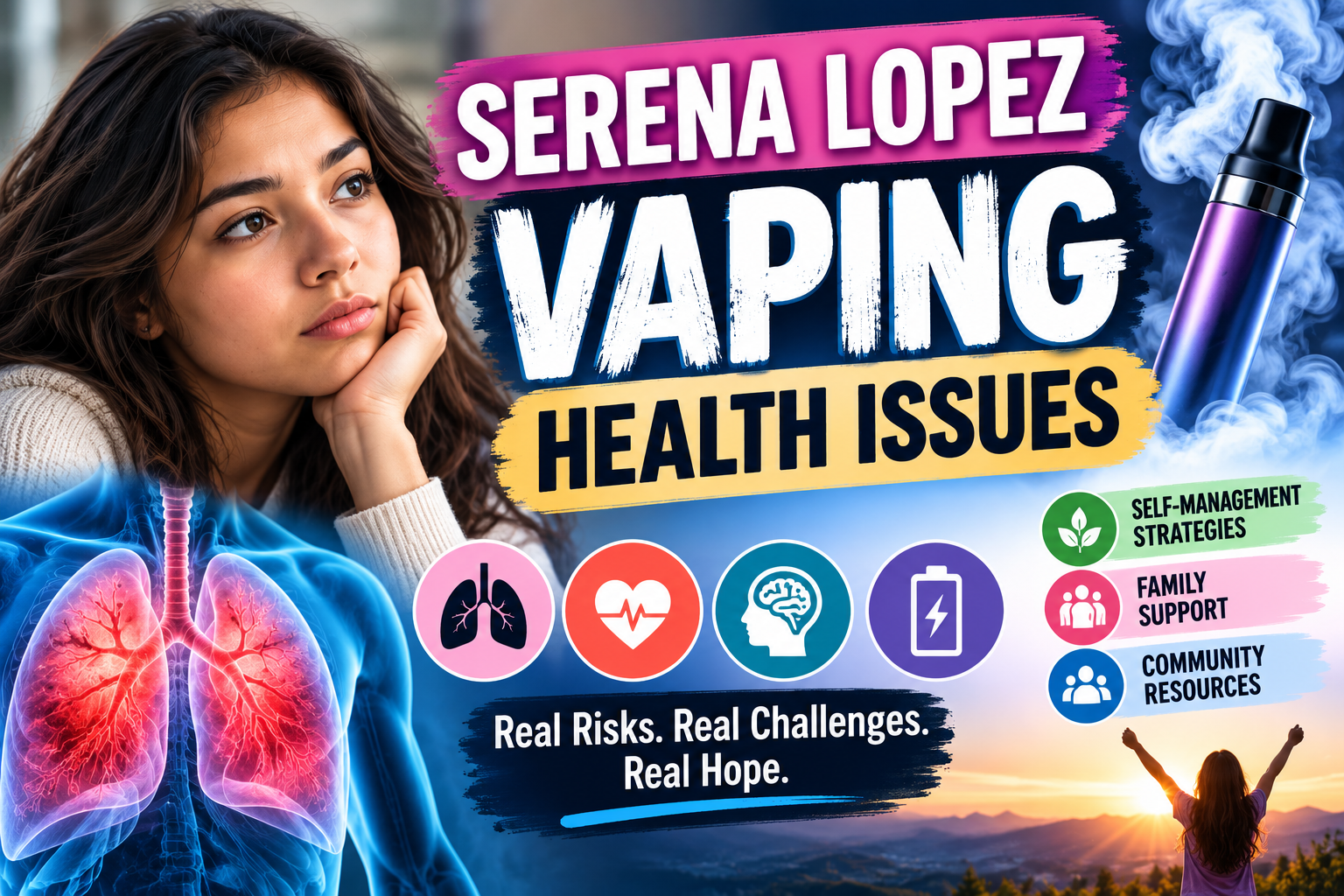
Vaping has become increasingly popular among teenagers and adults, often promoted as a safer alternative to traditional cigarette smoking. However, growing medical evidence reveals that electronic cigarettes can expose users to addictive nicotine, harmful chemicals, and substances that may negatively affect respiratory and cardiovascular health. Stories involving individuals such as Serena Lopez can help raise awareness about the potential consequences of vaping and the importance of prevention, early intervention, and recovery support.
Important clarification: Specific details about Serena Lopez’s vaping-related medical history have not been independently verified. This article therefore discusses the health challenges that someone experiencing vaping-related symptoms may face, without attributing an unconfirmed diagnosis, addiction, or personal experience to Serena Lopez.
Understanding Vaping and Its Potential Health Consequences
Electronic cigarettes, commonly called vapes, use battery-powered heating elements to produce an aerosol that users inhale. Although vaping eliminates the combustion associated with traditional cigarettes, the aerosol is not harmless water vapor.
Depending on the product, vaping aerosol may contain nicotine, ultrafine particles, volatile organic compounds, heavy metals, and flavoring chemicals. These substances can irritate the respiratory system and contribute to adverse health effects.
Common Health Problems Associated With Vaping
- Nicotine dependence: Repeated nicotine exposure can cause physical dependence, cravings, irritability, and withdrawal symptoms.
- Respiratory irritation: Vaping may contribute to coughing, wheezing, throat irritation, and shortness of breath.
- Cardiovascular effects: Nicotine can temporarily increase heart rate and blood pressure and activate the sympathetic nervous system.
- Adolescent brain development: Nicotine exposure during adolescence may interfere with brain systems involved in attention, learning, and impulse control.
- Anxiety and mood symptoms: Nicotine dependence and withdrawal can contribute to irritability, restlessness, and emotional distress.
- Potential lung injury: Certain vaping products, particularly illicit or informal-source THC-containing products, have been associated with severe lung injury.
These health concerns demonstrate why individuals experiencing symptoms associated with vaping should seek appropriate medical evaluation rather than assuming electronic cigarettes are harmless.
Recognizing the Warning Signs of Vaping-Related Health Problems
Individuals who vape may initially overlook symptoms because they develop gradually or resemble common respiratory illnesses.
Potential warning signs include:
- Persistent coughing or throat irritation.
- Wheezing or difficulty breathing during physical activity.
- Chest discomfort or tightness.
- Increased heart rate or palpitations.
- Frequent nicotine cravings.
- Irritability or difficulty concentrating when unable to vape.
- Continued vaping despite physical symptoms or attempts to quit.
These symptoms are not specific to vaping and may have other causes. Severe chest pain, significant breathing difficulty, confusion, or blue lips require emergency medical attention.
Self-Management Strategies: Taking Control of Vaping Dependence
For someone experiencing nicotine dependence or vaping-related health concerns, recovery often begins with recognizing the relationship between vaping behavior, physical symptoms, and emotional triggers.
Quitting nicotine can be challenging because dependence involves both physiological adaptations and learned behaviors. Stress, social environments, boredom, and emotional discomfort can reinforce vaping habits.
Practical Self-Management Strategies
- Identify vaping triggers: Keep a journal documenting when cravings occur, including stressful situations, social interactions, and emotional changes.
- Establish a quit plan: Select a realistic quit date and develop strategies for managing withdrawal symptoms.
- Practice craving-management techniques: Use deep breathing, physical activity, mindfulness, or brief distractions when urges arise.
- Remove vaping products: Reduce access to devices, cartridges, and supplies that may trigger continued use.
- Maintain healthy routines: Prioritize adequate sleep, balanced nutrition, hydration, and regular physical activity.
- Track improvements: Monitor respiratory symptoms, nicotine cravings, mood changes, and progress toward nicotine abstinence.
- Seek medical guidance: Discuss evidence-based cessation treatments with a healthcare professional.
For adults, nicotine replacement therapy, varenicline, and bupropion may be considered when clinically appropriate. Although these medications are established treatments for smoking cessation, their evidence and regulatory status specifically for vaping cessation differ. Adolescents should receive individualized professional guidance.
A return to vaping after a quit attempt should be treated as an opportunity to reassess triggers and strengthen the recovery plan rather than as a personal failure.
Family Support Strategies: Creating a Supportive Recovery Environment
Family members can play an important role in helping someone recognize vaping-related health concerns and make sustainable behavioral changes.
However, criticism, punishment, and repeated confrontation may increase defensiveness or discourage honest communication. A compassionate approach encourages individuals to discuss their experiences without fear of judgment.
How Families Can Help
- Encourage open conversations: Ask about vaping habits, physical symptoms, and emotional stressors without blaming or shaming.
- Learn about nicotine dependence: Understand how nicotine affects the brain and why withdrawal can make quitting difficult.
- Support professional treatment: Assist with scheduling healthcare visits, obtaining cessation resources, and following treatment recommendations.
- Create a vape-free home: Establish clear household boundaries that reduce exposure and temptation.
- Recognize progress: Celebrate meaningful milestones, including reduced cravings, improved coping skills, and successful quit attempts.
- Offer emotional support: Encourage healthy activities and constructive stress-management techniques.
- Respect personal autonomy: Support recovery decisions without attempting to control every aspect of the person’s behavior.
For parents supporting adolescents, calm discussions about peer pressure, social media influences, nicotine dependence, and long-term health risks can encourage healthier decisions.
Family involvement is most effective when it combines education, emotional encouragement, realistic expectations, and consistent boundaries.
Community Support Strategies: Building a Stronger Recovery Network
Vaping prevention and cessation are not solely individual responsibilities. Schools, healthcare organizations, public health agencies, and community groups can help reduce nicotine exposure and expand access to treatment.
Community education is particularly important because misinformation about electronic cigarettes may cause individuals to underestimate their addictive potential.
Community Resources and Support Opportunities
- Healthcare providers: Primary care clinicians, physician assistants, respiratory specialists, and behavioral health professionals can evaluate symptoms and recommend appropriate interventions.
- Smoking and vaping cessation programs: Structured programs can provide counseling, education, and ongoing support.
- School-based prevention initiatives: Educational programs can help adolescents understand nicotine dependence and resist peer pressure.
- Behavioral health services: Counseling may help individuals manage anxiety, stress, depression, or other concerns that contribute to nicotine use.
- Peer support: Group-based programs can reduce isolation and provide encouragement from others working toward nicotine abstinence.
- Public health campaigns: Evidence-based educational initiatives can correct misconceptions about vaping and promote prevention.
In the United States, individuals seeking assistance can contact 1-800-QUIT-NOW for access to state quitline services. Younger people may also benefit from age-appropriate vaping cessation resources such as the Truth Initiative’s This is Quitting program.
The Connection Between Vaping, Mental Health, and Addiction
Nicotine activates reward pathways in the brain, including dopamine signaling involved in reinforcement and motivation. Repeated exposure can strengthen the association between vaping and temporary feelings of pleasure, alertness, or emotional relief.
Over time, the brain adapts to nicotine exposure, contributing to tolerance, dependence, and withdrawal symptoms.
Some individuals begin vaping because they believe nicotine helps relieve stress or anxiety. However, the temporary relief they experience may reflect the reversal of nicotine withdrawal rather than a lasting improvement in emotional health.
This can create a reinforcing cycle:
- Stress or discomfort triggers an urge to vape.
- Nicotine produces temporary relief or stimulation.
- Nicotine levels decline, potentially causing withdrawal symptoms.
- Cravings return, encouraging repeated vaping.
Understanding this cycle helps explain why successful cessation frequently requires behavioral strategies, emotional support, and sometimes medication.
The Importance of Early Medical Intervention
Individuals experiencing persistent respiratory symptoms, chest discomfort, or other concerning changes should seek medical evaluation.
Healthcare professionals may assess vaping exposure, nicotine dependence, respiratory symptoms, cardiovascular risk factors, and coexisting medical conditions.
Depending on the clinical presentation, evaluation may include pulse oximetry, chest imaging, pulmonary assessment, or additional diagnostic testing.
Importantly, not every respiratory symptom in a person who vapes is caused by vaping. Conditions such as asthma, respiratory infections, and other cardiopulmonary diseases must also be considered.
Early evaluation can identify potentially serious conditions and create opportunities for nicotine cessation counseling.
Lessons From Vaping-Related Health Challenges
Although Serena Lopez’s specific experience cannot be confirmed here, discussions about vaping-related health issues highlight several important lessons.
First, vaping is not risk-free. Electronic cigarettes may expose individuals to addictive substances and potentially harmful chemicals even when they do not contain tobacco smoke.
Second, nicotine dependence is a treatable condition rather than simply a lack of willpower. Understanding the biological and behavioral components of addiction can reduce stigma and encourage treatment.
Third, recovery is strengthened by collaboration. Individuals benefit when healthcare professionals, families, schools, and community organizations provide consistent, evidence-based support.
Finally, prevention and education remain essential. Accurate information empowers individuals to recognize risks, seek help early, and make informed decisions about their health.
Conclusion: Moving Toward a Healthier, Vape-Free Future
Vaping-related health concerns demonstrate the importance of understanding nicotine dependence, recognizing potential respiratory and cardiovascular symptoms, and seeking appropriate medical guidance.
While Serena Lopez’s personal vaping journey remains unverified, the broader discussion offers valuable lessons for anyone affected by vaping.
Successful recovery involves more than stopping nicotine use. It includes developing healthier coping strategies, addressing emotional triggers, strengthening family relationships, and accessing supportive community resources.
With education, compassionate support, and evidence-based interventions, individuals experiencing nicotine dependence can work toward improved health, greater independence from vaping, and lasting behavioral change.
Frequently Asked Questions and Answers
Understanding Vaping and Its Health Risks
1. What health problems can vaping cause?
Vaping can expose individuals to nicotine, ultrafine particles, heavy metals, and other potentially harmful chemicals. Possible health consequences include respiratory irritation, coughing, wheezing, increased heart rate, nicotine dependence, and adverse cardiovascular effects. The long-term risks of vaping continue to be investigated.
2. Can vaping cause permanent lung damage?
Yes, some vaping-associated lung injuries can be severe and may result in lasting respiratory impairment. However, not everyone who vapes develops permanent lung damage. The severity depends on the type of exposure, underlying health conditions, and the nature of the injury.
3. Is vaping safer than smoking traditional cigarettes?
For adults who smoke cigarettes, switching completely to regulated nicotine vaping products may reduce exposure to certain toxic substances associated with combustible tobacco. However, vaping is not risk-free. Using both cigarettes and electronic cigarettes may substantially limit potential benefits.
4. What are the early warning signs of vaping-related health complications?
Common warning signs may include:
- Persistent coughing or wheezing.
- Shortness of breath.
- Chest discomfort.
- Throat irritation.
- Reduced exercise tolerance.
- Increased heart rate.
- Frequent nicotine cravings.
These symptoms may have causes unrelated to vaping. Persistent symptoms warrant medical evaluation, while severe breathing difficulties or chest pain require emergency attention.
5. Can vaping affect heart health?
Yes. Nicotine stimulates the sympathetic nervous system, which can increase heart rate and blood pressure. Research also suggests that vaping may adversely affect blood vessel function. However, the full extent of long-term cardiovascular risks is still being studied.
6. Can vaping cause anxiety or depression?
Nicotine dependence and withdrawal may contribute to anxiety, irritability, restlessness, and mood changes. Although some individuals vape to manage stress, nicotine withdrawal can create a cycle of temporary relief followed by renewed discomfort. Vaping does not necessarily cause every mental health symptom experienced by someone who uses nicotine.
7. What is EVALI, and how is it related to vaping?
EVALI stands for e-cigarette or vaping product use-associated lung injury. It is a potentially serious condition associated with vaping product exposure.
The major U.S. EVALI outbreak in 2019–2020 was strongly linked to vitamin E acetate in certain THC-containing vaping products, particularly those obtained through informal sources.
Symptoms may include coughing, chest pain, shortness of breath, fever, nausea, and vomiting. Anyone experiencing significant respiratory symptoms after vaping should seek prompt medical evaluation.
Nicotine Dependence and Addiction
8. Why is vaping addictive?
Most nicotine-containing vaping products deliver nicotine, a highly addictive substance that stimulates reward pathways in the brain. Repeated nicotine exposure can produce dependence, leading to cravings, tolerance, and withdrawal symptoms when nicotine use stops.
9. How can someone recognize nicotine dependence?
Possible indicators include:
- Strong urges to vape throughout the day.
- Difficulty going several hours without nicotine.
- Irritability when unable to vape.
- Repeated unsuccessful attempts to quit.
- Continued vaping despite health concerns.
- Using nicotine immediately after waking.
Nicotine dependence can develop even when someone initially considers vaping an occasional habit.
10. Can someone become addicted to vaping without realizing it?
Yes. Dependence can develop gradually. Individuals may initially vape socially or during stressful situations, then begin using nicotine more frequently as their bodies adapt to repeated exposure.
11. What happens when someone suddenly stops vaping?
Individuals dependent on nicotine may experience withdrawal symptoms such as irritability, anxiety, difficulty concentrating, increased appetite, sleep disturbances, and cravings.
Symptoms often peak during the first several days and improve over the following weeks, although cravings may continue longer.
12. Is vaping addiction harder to overcome than cigarette addiction?
It depends on the individual’s nicotine exposure, device characteristics, frequency of use, and behavioral patterns. Some modern vaping devices deliver high nicotine concentrations, potentially producing substantial dependence. Quitting either product can be challenging, but effective support and treatment are available.
Self-Management and Recovery Strategies
13. What self-management strategies can help someone stop vaping?
Effective approaches may include:
- Identifying emotional and environmental triggers.
- Establishing a quit date.
- Removing vaping devices and supplies.
- Practicing mindfulness and relaxation techniques.
- Increasing physical activity.
- Developing healthier stress-management habits.
- Tracking cravings and withdrawal symptoms.
- Seeking professional cessation counseling.
Combining behavioral strategies with appropriate clinical support can improve the likelihood of successful nicotine cessation.
14. Can exercise help someone overcome vaping cravings?
Physical activity may temporarily reduce nicotine cravings, improve mood, and provide a healthy distraction. Walking, swimming, cycling, and other enjoyable activities can support recovery. Exercise should complement rather than replace evidence-based cessation treatment.
15. Are medications available to help people quit vaping?
For adults with nicotine dependence, clinicians may consider nicotine replacement therapy, varenicline, or bupropion when appropriate.
These medications are established treatments for cigarette smoking cessation, but none is specifically FDA-approved for vaping cessation. Their use for vaping dependence requires individualized clinical judgment.
16. How long does it take for the body to recover after quitting vaping?
Recovery varies according to the individual’s health, nicotine exposure, and whether vaping has caused respiratory or cardiovascular complications.
Nicotine withdrawal often improves over several weeks. Respiratory irritation may also improve after exposure stops, although persistent symptoms require medical evaluation. There is no universally established timeline for complete recovery from vaping-related health effects.
17. What should someone do after returning to vaping following a quit attempt?
A return to vaping does not mean recovery is impossible. Individuals should identify what triggered nicotine use, evaluate their cessation strategies, and consider additional support.
Behavioral counseling, stronger coping strategies, and appropriate medication may help prevent further recurrence.
Family Support Strategies
18. How can families support someone experiencing vaping-related health problems?
Families can provide emotional encouragement, promote open communication, and help individuals access healthcare services. Creating a supportive, vape-free home environment and recognizing progress can also strengthen recovery efforts.
19. What should parents do if they discover their teenager is vaping?
Parents should begin with a calm, nonjudgmental conversation about nicotine exposure, peer pressure, and health concerns.
Video: