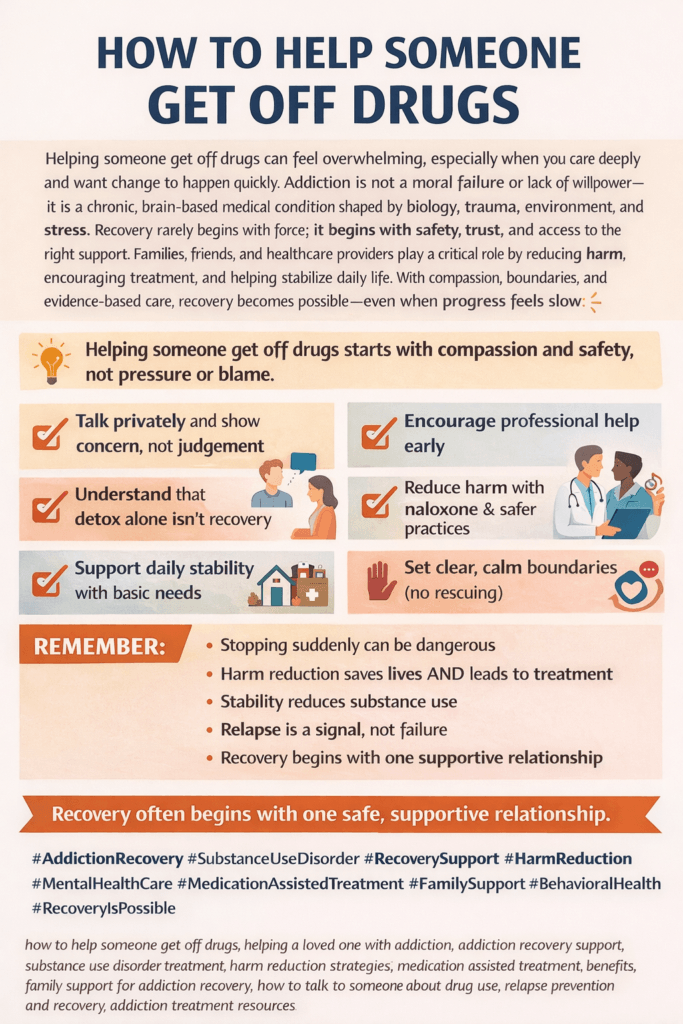
Supporting someone who wants to get off drugs can feel like a big responsibility. It’s an adventure with ups and downs, and every step truly matters. If you’ve never helped someone through recovery before, it’s normal to wonder what actually works versus what may make things more complicated. Drawing on years of experience in addiction support, I know that the right approach can foster hope and spark progress. This article offers real-world steps and practical tips to help you be there for someone hoping to break free from substance use.
Understanding Drug Addiction: The Basics
Learning about addiction helps a lot when you’re trying to support someone. Drug addiction isn’t simply a matter of “bad choices.” It’s a tough health challenge—a mix of physical dependence, mental health struggles, and, often, a rough environment. Drugs affect the brain’s reward center and, over time, using turns into something the brain craves. Guilt or shame only piles on more problems and can keep people stuck.
I’ve listened to friends and family blame themselves, but addiction can happen to anyone. Genetics, trauma, social influences, and stress all play a role. Knowing this can help you skip judgment and focus on offering steady support. Groups like the Substance Abuse and Mental Health Services Administration (SAMHSA) have lots of resources if you want to check out even more details.
How to Start the Conversation
Sometimes, reaching out feels clumsy or uncomfortable. You might worry about saying the wrong words or making things worse. Sincere care beats any script, and honesty is key. Here are a few tips that work well:
- Pick the Right Time: Wait until they are sober and calmer. Privacy and a chill setting help smooth the way for an open chat.
- Use “I” Statements: Instead of “You have a problem,” try “I’m worried about you because I care.” This puts the focus on your concern rather than casting blame.
- Avoid Accusations: Skip the judgment. Shaming shuts down honest conversations.
- Be Ready to Listen: Sometimes, the person isn’t set on change yet. Let them talk things out without jumping in with fixes right away.
Remember, a supportive talk is often a first step. You don’t have to solve everything at once.
Practical Steps for Offering Support
Getting started can feel overwhelming, so keeping things manageable makes sense. Here’s what has been helpful for others and for me when supporting someone in recovery:
- Check Out Local Resources: Look up treatment options and support groups (like Narcotics Anonymous or SMART Recovery) in your area.
- Offer Help Getting Connected: Sometimes, just driving someone to an appointment or being there while they make that first call can ease a lot of the stress.
- Stay Steady: Addiction is unpredictable. Being the constant in their life really gives a boost, especially when things get bumpy.
- Set Boundaries: Support doesn’t mean losing yourself. It’s okay to protect your own health and say no to enabling behaviors.
- Encourage Healthy Habits: Even simple practices like sharing meals or walking together can be a helpful break from old routines.
What to Watch Out for: Common Hurdles
Helping someone off drugs isn’t a straight line. Knowing what obstacles you (and they) might face helps keep expectations realistic. Here are some common hurdles:
- Withdrawal Symptoms: Physical and mental symptoms can be rough and sometimes risky without medical support.
- Relapse: Setbacks are part of many recoveries. If they happen, focusing on getting back on track works better than piling on shame.
- Denial or Defensiveness: Some people have trouble recognizing harm or admitting what’s happening. Staying calm and patient usually helps more than confrontation.
- Risky Friendships: Hanging out with people who are still using can make avoiding drugs much harder. New, drug-free social circles help a lot.
- Mental Health Struggles: Anxiety, depression, and old trauma often appear right alongside addiction. Getting care for both helps recovery stick.
Withdrawal: Why Medical Support Can Matter
Trying to quit “cold turkey” can sometimes lead to dangerous situations. Withdrawal from opioids, alcohol, or benzodiazepines can even be life-threatening. Connecting with a healthcare provider, through a local clinic or doctor, helps keep things safe and manageable.
Dealing with Relapse
Relapse isn’t the end. Old triggers, stress, or even celebrations can set someone back. Staying supportive lets them know it’s possible to jump back into recovery. Finding meetings, calling a therapist, or regrouping with family—these steps matter more than focusing on the mistakes.
Helpful Tools and Organizations
Plenty of organizations and helplines can make a real difference. Here are a few to track down:
- SAMHSA’s National Helpline (1-800-662-HELP): Confidential, 24/7 treatment referral and info
- Narcotics Anonymous (NA): Peer support with regular meetings
- SMART Recovery: Science-based, practical tools for addiction recovery
- Al-Anon: For friends and family of those struggling with addiction
- Local health clinics, family doctors, and mental health services
Real-World Tips: What Actually Helps
Simple, everyday things add up over time. Here’s what really steps up support:
- Celebrate Progress: Every milestone—like a week drug-free, attending an appointment, or reaching out for help—deserves real recognition.
- Be Patient: Recovery happens at its own pace. Encouragement lasts longer than putting pressure.
- Support Self-care: Good food, sleep, and hobbies boost spirits. Even a hearty meal or a quiet moment can help someone through a hard day.
- Help Create New Routines: Filling the day with positive activities (like exercise, volunteering, arts, or spending time together) crowds out cravings and keeps boredom at bay.
- Keep Hope Alive: Remind them—and yourself—that recovery is possible for anyone, even if it takes a few tries.
Ways to Take Care of Yourself, Too
It’s easy to get caught up in caring for someone else, but your own well-being matters. You can support better when you aren’t drained. Here’s how to look after yourself:
- Set clear boundaries around money, housing, and your own energy.
- Talk to a counselor or join a support group for loved ones of people with addiction.
- Take breaks, enjoy your own pastimes, or spend time with people you trust.
- Don’t hide what you’re going through. Reaching out to family or friends helps.
Frequently Asked Questions
Here are some common questions, with answers drawn from experience and research:
What’s the best way to encourage someone to go to rehab?
Ask what might make it easier for them (offering a ride, moral support, or information). Sometimes, knowing someone cares tips the balance. Don’t push or guilt—making an open invitation and steady support works wonders.
What do I do if the person refuses to get help?
Stay in touch, keep your support on the table, and set healthy limits. Sometimes, just leaving the door open makes more of a difference than constant persuasion.
How can I tell if someone is using again?
Notice shifts in attitude, energy, or patterns in daily life. Trust your instinct, but instead of accusing, gently ask how things are going.
Are there safe ways to detox at home?
Home detox can be dangerous, especially for alcohol and some other drugs. Always reach out to a medical professional before trying it.
Final Thoughts: Being a Steady Support
Helping someone get off drugs needs patience, practical support, and continual encouragement. No single step will magically solve everything, but all the small actions you take really add up. Letting someone know you’re there for them—without pressure or judgment—lays a strong foundation for recovery. Whether you’re applauding the little wins, helping find treatment, or just listening on tough days, your presence counts. Support is available for both you and your loved one, so tap into every resource you can find. With steady care and open hearts, recovery is absolutely possible.
Video: HOW TO HELP SOMEONE GET OFF DRUGS