The Hijacked Brain in Addiction

The science of the hijacked brain in addiction reveals that substance use disorders are not simply matters of willpower or poor decision-making, but conditions rooted in measurable changes within brain circuitry. Repeated exposure to addictive substances alters systems responsible for reward, motivation, stress response, and impulse control. Dopamine signaling becomes dysregulated, natural pleasures lose their … Read more

Daily Struggles of Addiction

The daily struggles of addiction extend far beyond substance use itself. For many individuals, each day involves managing cravings, emotional swings, stress triggers, and internal conflict while attempting to maintain responsibilities and relationships. Addiction alters brain chemistry, particularly in reward, motivation, and impulse-control systems, making ordinary decisions feel disproportionately difficult. What may appear, from the … Read more

Sober Activities for Recovery

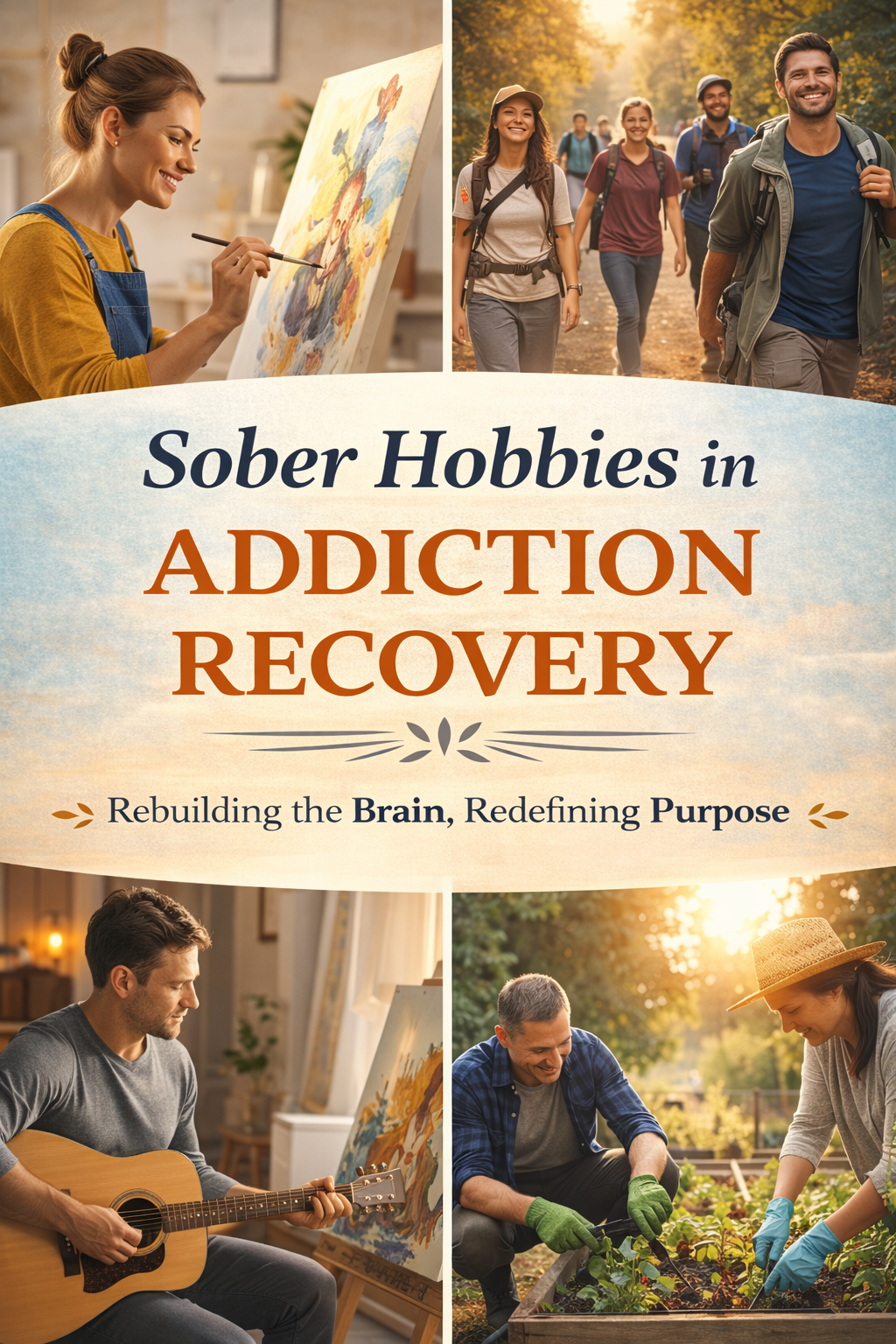
Sober hobbies are vital in addiction recovery because they help rebuild identity, restore natural reward pathways, and add structure to daily life. Addiction often replaces meaningful activities and relationships with substance-focused routines, leaving many people feeling bored or emotionally flat when sobriety begins. This is part of the brain’s healing process as dopamine systems recalibrate. … Read more

Rediscovering Joy in Recovery

Finding joy again in addiction recovery is one of the most profound and often overlooked milestones in the healing process. Substance use disorders significantly disrupt the brain’s reward system, narrowing pleasure to the substance or behavior of dependence while dulling natural sources of satisfaction. In early recovery, individuals frequently experience emotional flatness, low motivation, or … Read more

Boredom in Addiction Recovery

Boredom is one of the most underestimated relapse triggers in addiction recovery. While individuals often prepare for obvious stressors such as conflict, trauma reminders, or social pressure, periods of unstructured time and low stimulation can quietly increase vulnerability. After substance use has artificially elevated dopamine and structured daily routines, early recovery may feel emotionally flat … Read more

George W. Bush Drug Reform

During the presidency of George W. Bush (2001–2009), U.S. drug policy largely preserved the traditional War on Drugs structure while gradually broadening attention to treatment, prevention, and community-based services. His administration continued to provide strong federal support for law enforcement and interdiction efforts, while also advancing recovery-oriented measures such as drug courts, youth prevention initiatives, … Read more

Preparation Guide for Rehab

Preparing for rehab is a pivotal step that can strongly influence both immediate treatment success and long-term recovery stability. Entering a structured program involves more than arrival—it requires mental readiness, practical organization, and emotional preparation. Individuals who clarify their reasons for treatment, understand what rehab involves, and set personal goals often begin with greater motivation … Read more

Recovery Through Chosen Family

Understanding “chosen family” in addiction recovery is essential for recognizing how healing often occurs through connection rather than isolation. While biological relatives can be powerful sources of support, they may not always be available, safe, or aligned with recovery goals. Chosen family refers to intentionally built relationships—friends, sponsors, mentors, peers, and supportive community members—who provide … Read more

Daily Habits for Sobriety

Daily habits are the foundation of lasting sobriety. While motivation and major milestones are important, recovery is ultimately sustained through consistent, intentional routines practiced one day at a time. Addiction often disrupts sleep patterns, emotional regulation, nutrition, and decision-making, leaving individuals without structure or stability. Rebuilding daily habits restores balance to the brain and body, … Read more

Bill Clinton’s Drug Reform Policy

During the presidency of Bill Clinton (1993–2001), U.S. drug policy operated at a crossroads between traditional “War on Drugs” enforcement strategies and emerging public health–oriented reforms. His administration maintained strong law enforcement funding and supported legislation such as the 1994 Violent Crime Control and Law Enforcement Act, which influenced drug-related sentencing and incarceration trends. At … Read more