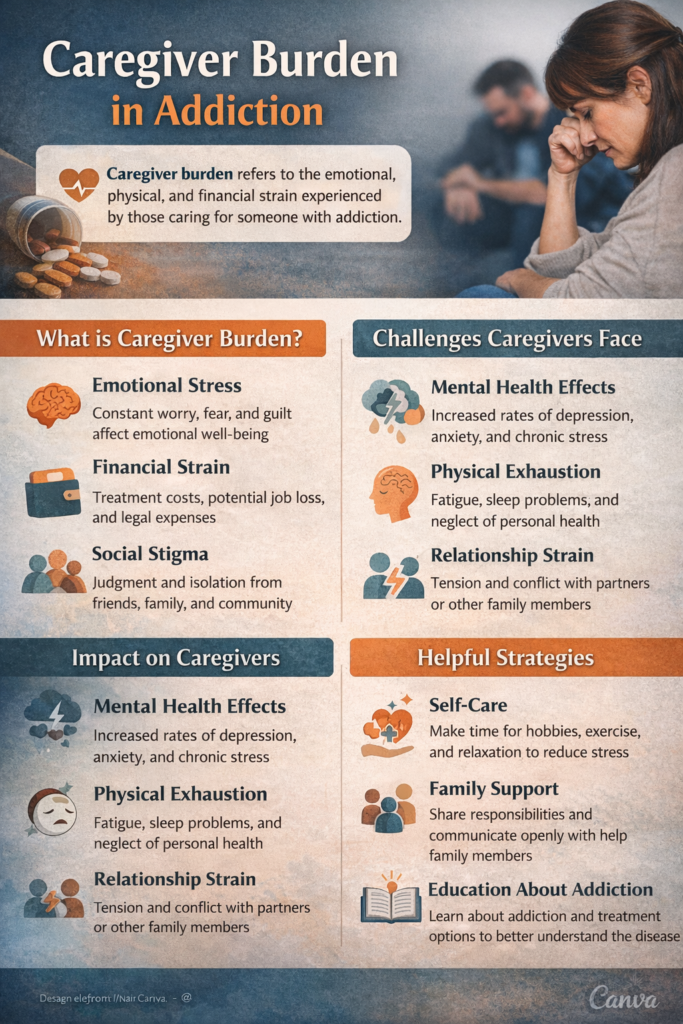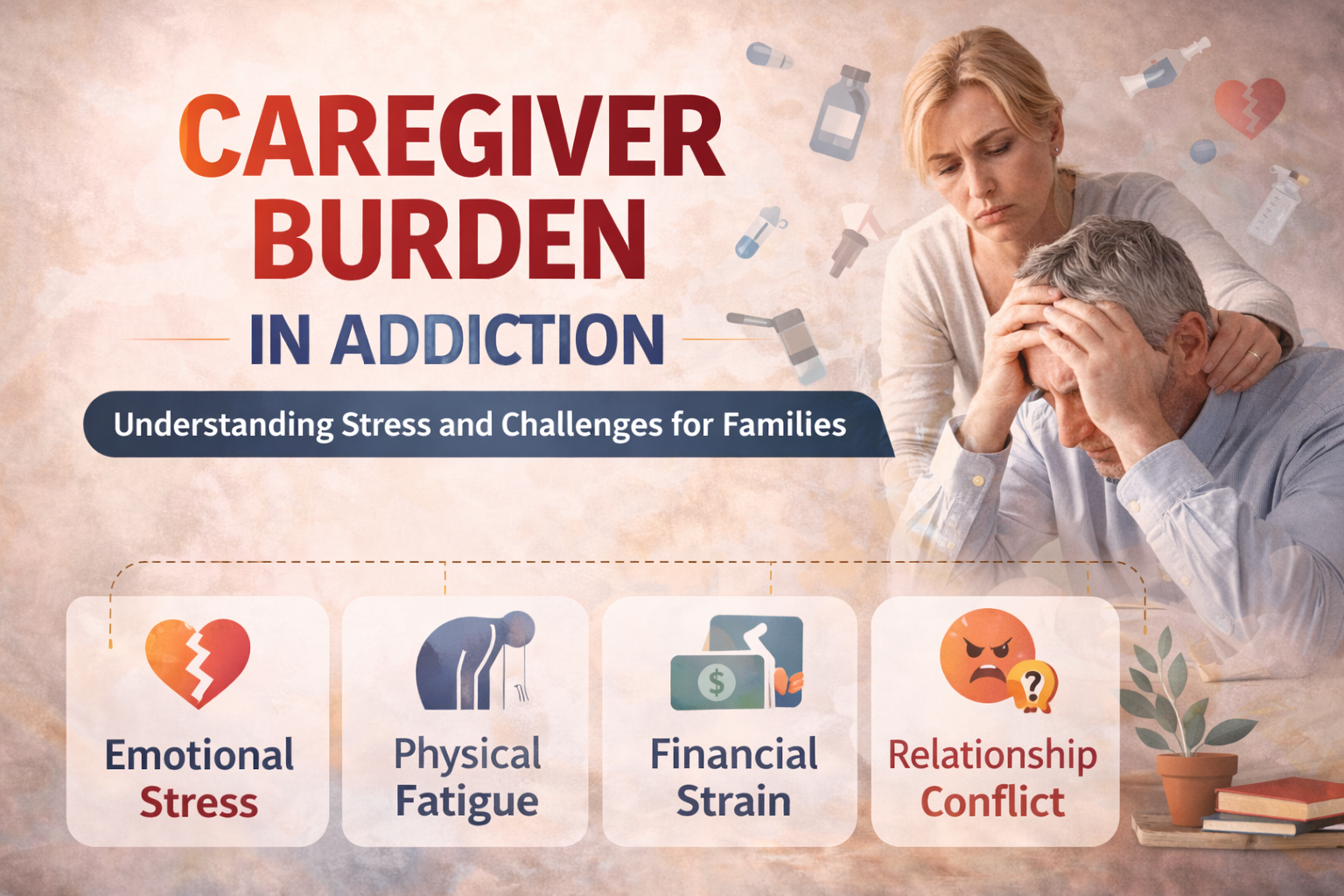
Addiction is a complex and chronic condition that affects not only the individual struggling with substance use but also the family members and loved ones who support them. Caregivers often take on significant responsibilities, including providing emotional support, managing daily needs, assisting with treatment, and coping with the uncertainty that accompanies addiction and recovery. These responsibilities can lead to what is known as caregiver burden, which refers to the emotional, physical, social, and financial strain experienced by those caring for someone with a chronic condition. In the context of addiction, caregivers may experience stress, anxiety, feelings of helplessness, and social isolation as they attempt to support their loved one while maintaining their own well-being. Understanding caregiver burden in addiction is important because it highlights the challenges families face and emphasizes the need for supportive strategies that promote both caregiver health and recovery outcomes.
Caregiver Burden in Addiction
Addiction rarely affects just one person. While the individual struggling with substance use disorder faces significant physical and psychological challenges, family members and loved ones often carry a heavy and largely unseen burden. Caregivers frequently provide emotional support, financial assistance, and practical care while trying to manage the chaos and uncertainty that addiction can create.
Caregiver burden refers to the physical, emotional, social, and financial strain experienced by individuals who care for someone with a chronic illness or condition. In the context of addiction, this burden can be especially intense. Unlike many other illnesses, addiction often involves cycles of relapse, unpredictable behavior, and stigma from society. Caregivers may feel constant stress, worry about their loved one’s safety, and struggle with feelings of guilt, anger, or helplessness.
Family members often take on multiple roles at once. They may act as advocates during treatment, provide transportation to appointments, manage household responsibilities, or help support recovery efforts. At the same time, they may experience disrupted routines, financial strain, and strained family relationships. The emotional toll can be overwhelming, particularly when caregivers feel responsible for preventing relapse or protecting their loved one from harm.
Another major challenge caregivers face is stigma. Addiction is still widely misunderstood, and families may feel judged or blamed for their loved one’s condition. This can lead to isolation and reluctance to seek support. Without adequate resources, caregivers may experience burnout, anxiety, depression, and declining physical health.
Despite these challenges, caregivers also play an important role in recovery. Research shows that supportive family involvement can improve treatment engagement and long-term recovery outcomes. Education, counseling, and support groups can help caregivers better understand addiction as a chronic medical condition rather than a moral failure. Programs such as family therapy and peer support groups allow caregivers to share experiences, learn coping strategies, and build resilience.
Supporting caregivers is essential not only for their well-being but also for the recovery of individuals with addiction. When caregivers have access to resources, mental health support, and community networks, they are better equipped to maintain healthy boundaries, reduce stress, and provide meaningful support to their loved ones.
Recognizing caregiver burden in addiction is a crucial step toward improving treatment and recovery systems. By acknowledging the experiences of families and providing them with appropriate support, communities can create a more compassionate and effective response to addiction.
Self-Management Strategies for Caregivers Facing Addiction Burden
Caring for a loved one struggling with addiction can be emotionally, physically, and mentally overwhelming. Family members and caregivers often experience significant stress as they try to support recovery, manage crises, and maintain stability within the household. Over time, this responsibility can lead to caregiver burden, which includes feelings of exhaustion, anxiety, frustration, and emotional strain. Practicing self-management strategies is essential for caregivers to maintain their well-being while continuing to provide support.
One of the most important strategies is setting healthy boundaries. Caregivers may feel responsible for solving every problem related to their loved one’s addiction, but taking on too much can lead to burnout. Establishing clear limits—such as not enabling substance use or taking responsibility for consequences of addictive behavior—helps protect the caregiver’s mental health while encouraging accountability in the individual experiencing addiction.
Another key strategy is prioritizing self-care. Caregivers often neglect their own needs while focusing on the person struggling with addiction. Regular exercise, adequate sleep, balanced nutrition, and engaging in enjoyable activities can improve physical and emotional resilience. Even small daily practices such as walking, journaling, or mindfulness exercises can help reduce stress and promote emotional balance.
Seeking social support is also critical. Caregivers benefit from connecting with others who understand their experiences. Support groups, counseling, and family therapy provide safe spaces to discuss emotions, share coping strategies, and reduce feelings of isolation. Talking with trusted friends or family members can also provide emotional relief and encouragement.
Education about addiction can further empower caregivers. Understanding addiction as a chronic medical condition rather than a personal failure can help caregivers respond with compassion while maintaining realistic expectations. Learning about treatment options, relapse patterns, and recovery processes can reduce uncertainty and help caregivers make informed decisions.
Caregivers should also practice stress management techniques. Methods such as deep breathing, meditation, yoga, or guided relaxation can help regulate emotional responses during challenging situations. Managing stress effectively allows caregivers to respond thoughtfully rather than react impulsively during crises.
Finally, caregivers should recognize when professional help is needed. Mental health professionals, addiction specialists, and family counselors can provide guidance, coping strategies, and emotional support. Seeking help is not a sign of weakness; rather, it reflects a commitment to both personal well-being and the loved one’s recovery journey.
Self-management strategies play a vital role in reducing caregiver burden in addiction. When caregivers care for their own mental and physical health, they are better able to maintain balance, provide meaningful support, and sustain hope throughout the recovery process. Recognizing the importance of self-care and support systems ultimately benefits both caregivers and the individuals they care for.
Family Support Strategies for Reducing Caregiver Burden in Addiction
Addiction affects not only the individual struggling with substance use but also the entire family system. Family members often take on caregiving roles, providing emotional, financial, and practical support while coping with uncertainty and stress. This responsibility can lead to caregiver burden, which includes emotional exhaustion, anxiety, strained relationships, and financial pressure. Developing strong family support strategies can help reduce this burden while promoting healthier recovery environments.
One important strategy is open and honest communication within the family. Addiction can create secrecy, tension, and misunderstandings among family members. Encouraging respectful conversations about feelings, expectations, and concerns helps family members better understand each other’s experiences. When families communicate openly, they are more likely to work together and provide consistent support.
Another effective approach is sharing caregiving responsibilities. In many families, one person may shoulder most of the caregiving duties, which increases stress and burnout. Distributing responsibilities—such as attending treatment appointments, providing transportation, or offering emotional support—can lighten the load and help prevent one caregiver from becoming overwhelmed.
Family education about addiction is also crucial. Understanding addiction as a chronic medical condition rather than a personal failure can reduce stigma and blame within the family. Educational programs, counseling sessions, and workshops can help families learn about treatment options, relapse prevention, and healthy ways to support recovery.
Participation in family therapy and support groups can also be beneficial. Family therapy provides a safe environment where members can discuss challenges, rebuild trust, and learn healthier ways to interact. Support groups for families affected by addiction allow caregivers to connect with others who share similar experiences, helping reduce isolation and providing practical coping strategies.
Another key strategy is encouraging healthy boundaries. While families often want to help their loved one, over-involvement or enabling behaviors can increase caregiver stress and hinder recovery. Establishing clear boundaries—such as not providing financial support for substance use or refusing to cover up harmful behaviors—protects both the caregiver and the individual struggling with addiction.
Finally, families should prioritize emotional and mental health support for caregivers. Caregivers need time for self-care, relaxation, and activities that restore emotional balance. Encouraging caregivers to seek counseling or stress management support can improve their well-being and strengthen the family’s ability to cope with addiction-related challenges.
Family support strategies play a vital role in reducing caregiver burden and strengthening recovery outcomes. When families work together, communicate effectively, and access supportive resources, they create a more stable and compassionate environment for both caregivers and individuals recovering from addiction.
Community Resource Strategies for Addressing Caregiver Burden in Addiction
Addiction is a complex condition that affects not only individuals but also the families and caregivers who support them. Caregivers often face significant emotional, physical, and financial strain while helping a loved one navigate addiction and recovery. This ongoing stress, known as caregiver burden, can lead to burnout, anxiety, and social isolation. Community resources play an important role in reducing this burden by providing support, education, and access to essential services.
One key strategy is connecting caregivers with local support groups. Community-based support groups provide a safe space where caregivers can share experiences, discuss challenges, and learn coping strategies from others facing similar situations. These groups reduce feelings of isolation and help caregivers realize they are not alone in their struggles. Peer support can also provide emotional reassurance and practical advice.
Another valuable community resource is professional counseling and mental health services. Caregivers may experience stress, depression, or anxiety as they manage the demands of supporting someone with addiction. Access to licensed counselors, therapists, or addiction specialists allows caregivers to process their emotions and develop healthy coping strategies. Community health centers and nonprofit organizations often provide affordable or sliding-scale counseling services.
Educational programs and workshops offered by community organizations can also empower caregivers. These programs often focus on understanding addiction, recognizing signs of relapse, and learning effective communication strategies. Education helps caregivers develop realistic expectations and provides them with tools to support recovery without compromising their own well-being.
Community resources may also include respite services, which allow caregivers temporary relief from their responsibilities. Short-term care programs, recovery support services, or community volunteers can provide assistance, giving caregivers time to rest, focus on their own needs, and prevent burnout.
Another important strategy involves connecting caregivers to social services and financial assistance programs. Addiction can create financial strain due to treatment costs, lost employment, or legal expenses. Community programs that offer assistance with healthcare access, housing support, or employment services can help reduce the financial stress placed on families.
Finally, community awareness and outreach efforts can help reduce stigma associated with addiction and caregiving. When communities provide supportive environments and accessible resources, caregivers feel more comfortable seeking help. Reducing stigma encourages families to connect with available services earlier, which can improve both caregiver well-being and recovery outcomes.
Community resource strategies are essential for addressing caregiver burden in addiction. By connecting caregivers with support groups, counseling, educational programs, and social services, communities can create stronger support systems that promote resilience, reduce stress, and improve the overall recovery environment for families affected by addiction.
Frequently Asked Questions
Here are some common questions:
1. What is caregiver burden in addiction?
Caregiver burden refers to the emotional, physical, financial, and social stress experienced by individuals who care for someone struggling with addiction. Caregivers often take on responsibilities such as emotional support, managing crises, and helping their loved ones access treatment, which can lead to significant strain.
2. Who is considered a caregiver in addiction?
A caregiver can be a parent, spouse, partner, sibling, friend, or any family member who provides support to someone dealing with substance use disorder. Many caregivers do not formally identify themselves as caregivers, but they play a vital role in supporting recovery.
3. Why do caregivers experience high levels of stress?
Caregivers often experience stress due to uncertainty, fear of relapse, financial strain, and emotional exhaustion. They may also struggle with guilt, frustration, and helplessness as they try to support their loved one.
4. What are common signs of caregiver burden?
Common signs include chronic stress, anxiety, depression, fatigue, sleep problems, and social withdrawal. Caregivers may also feel overwhelmed, emotionally drained, or neglect their own health and personal needs.
5. How does addiction affect family relationships?
Addiction can create tension, mistrust, and communication problems within families. Conflicts may arise due to financial issues, broken promises, or repeated cycles of relapse and recovery.
6. What role do caregivers play in recovery?
Caregivers often provide emotional encouragement, help coordinate treatment, and create a supportive environment for recovery. Their involvement can improve treatment engagement and recovery outcomes when balanced with healthy boundaries.
7. How can caregivers protect their own well-being?
Caregivers can reduce stress by practicing self-care, setting healthy boundaries, seeking counseling, and participating in support groups. Maintaining personal health and emotional balance is essential for sustaining long-term support.
8. Are there support resources available for caregivers?
Yes. Many communities offer family counseling, caregiver support groups, and educational programs about addiction and recovery. Organizations and healthcare providers often provide resources designed to help families cope with the challenges of addiction.
9. Why is it important to support caregivers?
Supporting caregivers improves their mental and physical well-being and strengthens their ability to care for their loved ones. When caregivers receive proper support, the recovery process can become more stable and sustainable.
10. Can caregiver burden be reduced?
Yes. Caregiver burden can be reduced through education about addiction, sharing responsibilities among family members, accessing community resources, and practicing effective coping strategies.
Conclusion
Caregiver burden in addiction is a significant yet often overlooked issue that affects many families. The emotional strain, financial challenges, and social pressures associated with supporting someone with addiction can deeply impact caregivers’ well-being. Recognizing these challenges is an important step toward providing meaningful support and resources for families. Strategies such as self-care, family support, education, and access to community resources can help reduce caregiver stress and improve coping abilities. By acknowledging the role of caregivers and offering appropriate support systems, communities and healthcare providers can help create healthier environments that benefit both caregivers and individuals working toward recovery. Addressing caregiver burden not only strengthens families but also contributes to more effective and sustainable recovery processes.
Video: You can’t Save Someone Who Doesn’t Want Saving #addictionrecovery #familyhealth