Overdose Crisis: Policy Priority

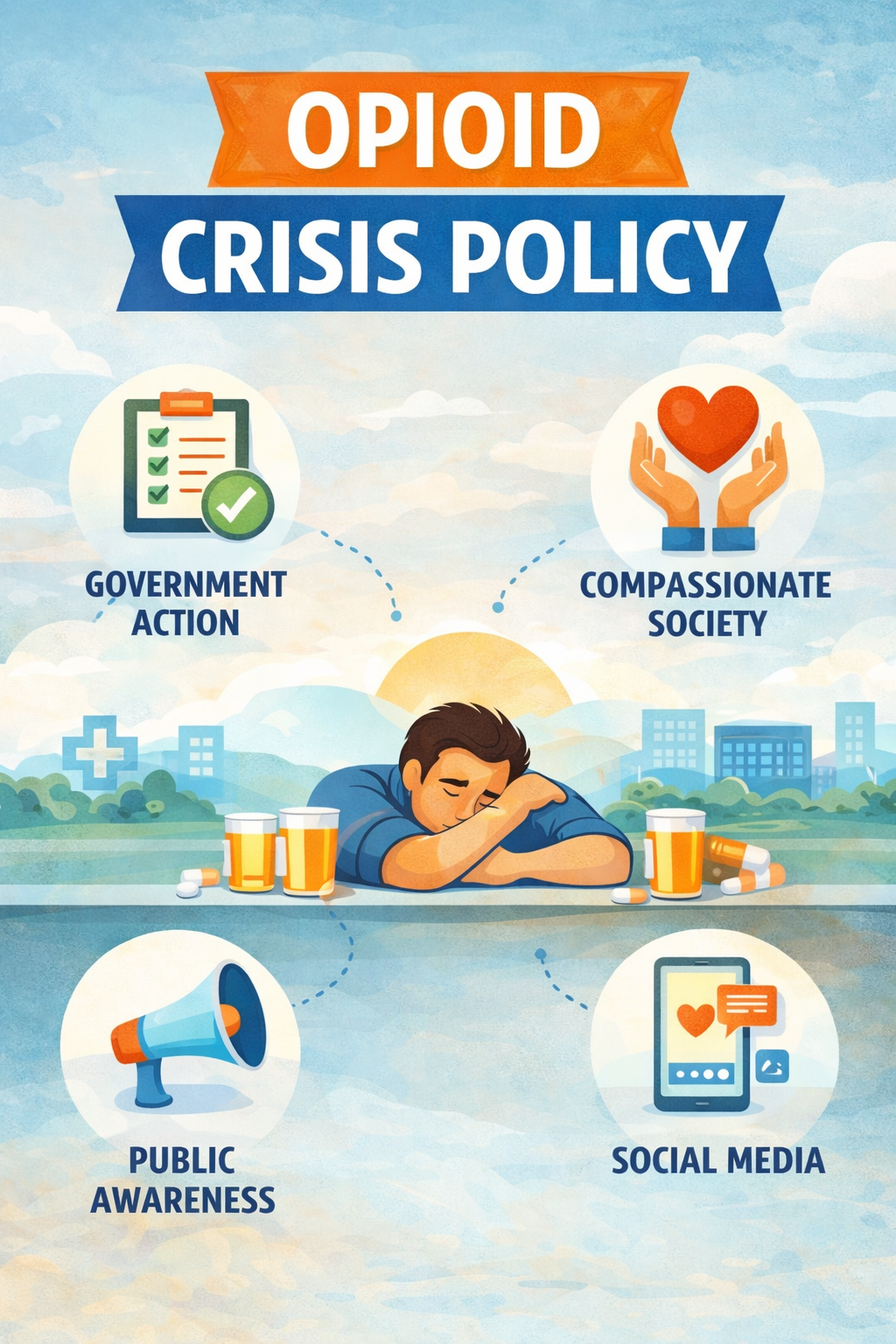
The opioid crisis remains one of the most urgent public health challenges of our time, affecting individuals, families, healthcare systems, and entire communities. Addressing this crisis requires more than medical treatment alone; it demands sustained policy attention, government action, responsible use of social media, and supportive societal ideologies. When policymakers prioritize overdose prevention and treatment … Read more
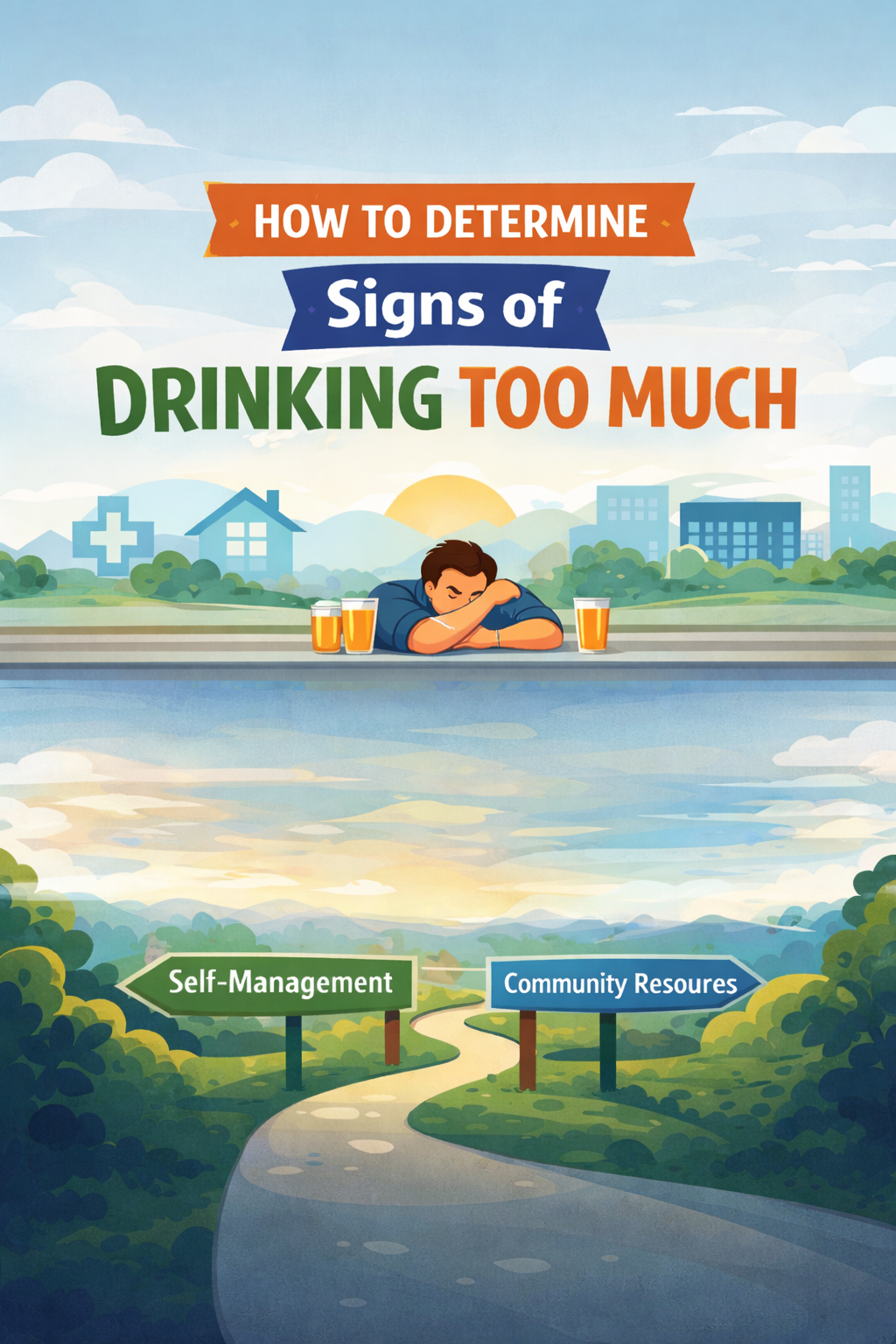
Warning Signs of Heavy Drinking

Recognizing the signs of drinking too much is a vital step in preventing alcohol misuse from progressing into dependence. Because excessive drinking often develops gradually and is reinforced by socially normalized alcohol use, individuals may not immediately recognize harmful patterns. Awareness and support are therefore essential. Self-management strategies help individuals track drinking habits, identify emotional … Read more

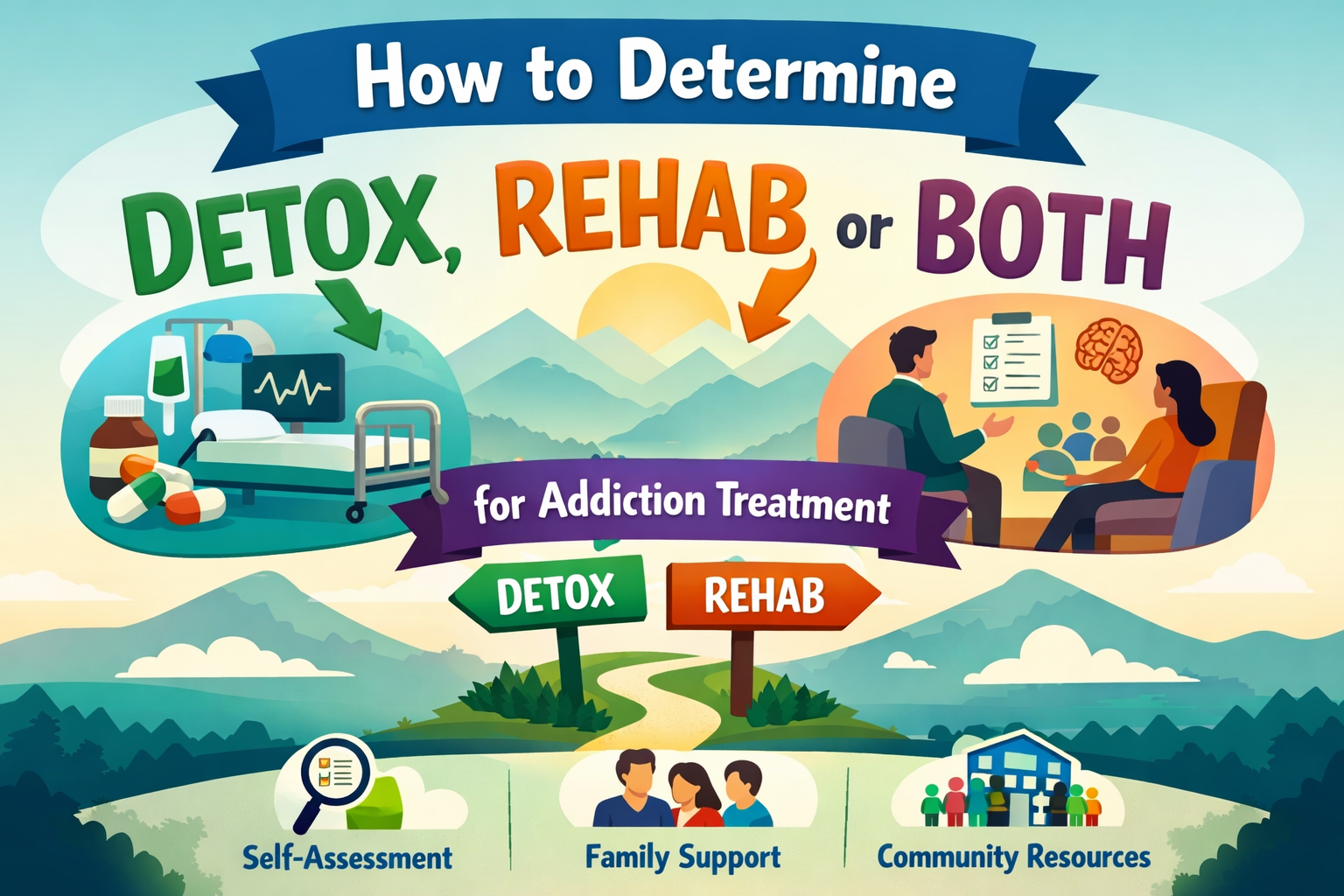
Addiction: Detox, Rehab, or Both

Determining whether detox, rehab, or a combination of both is needed for addiction treatment is a critical first step in the recovery journey. Because addiction affects the body, mind, and social environment, choosing the appropriate level of care requires more than recognizing substance use alone. Self-management strategies help individuals assess physical dependence, emotional triggers, and … Read more

HIV linked to Drug Addiction

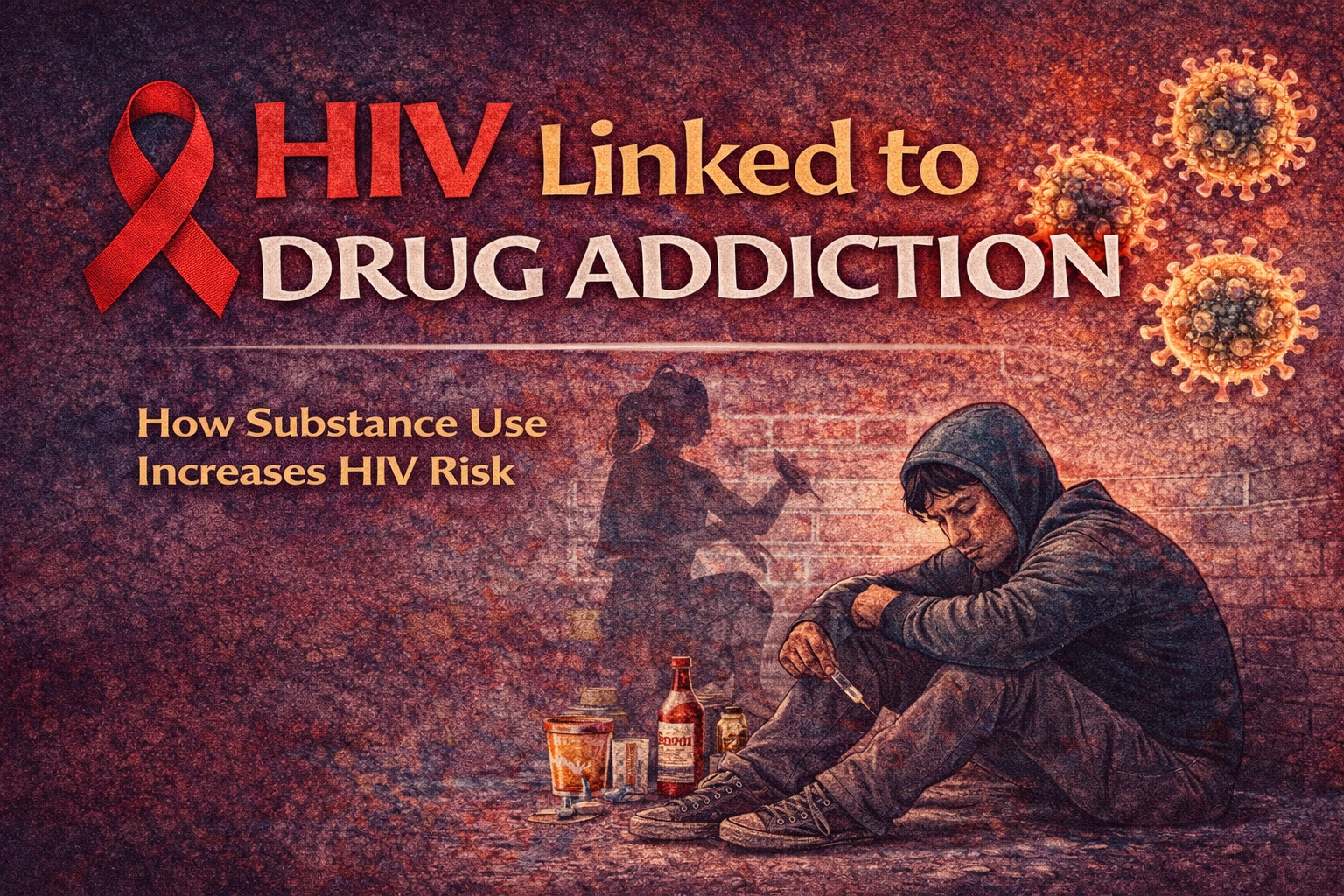
HIV and drug use are closely linked public health challenges that reinforce one another through biological, behavioral, and social factors. Injection drug use and needle sharing create direct routes for HIV transmission, while substance-related impaired judgment increases risky sexual behavior. Addiction also contributes to stigma, unstable living conditions, and limited healthcare access, which delay HIV … Read more

Alcohol & Drug-Related Hepatitis

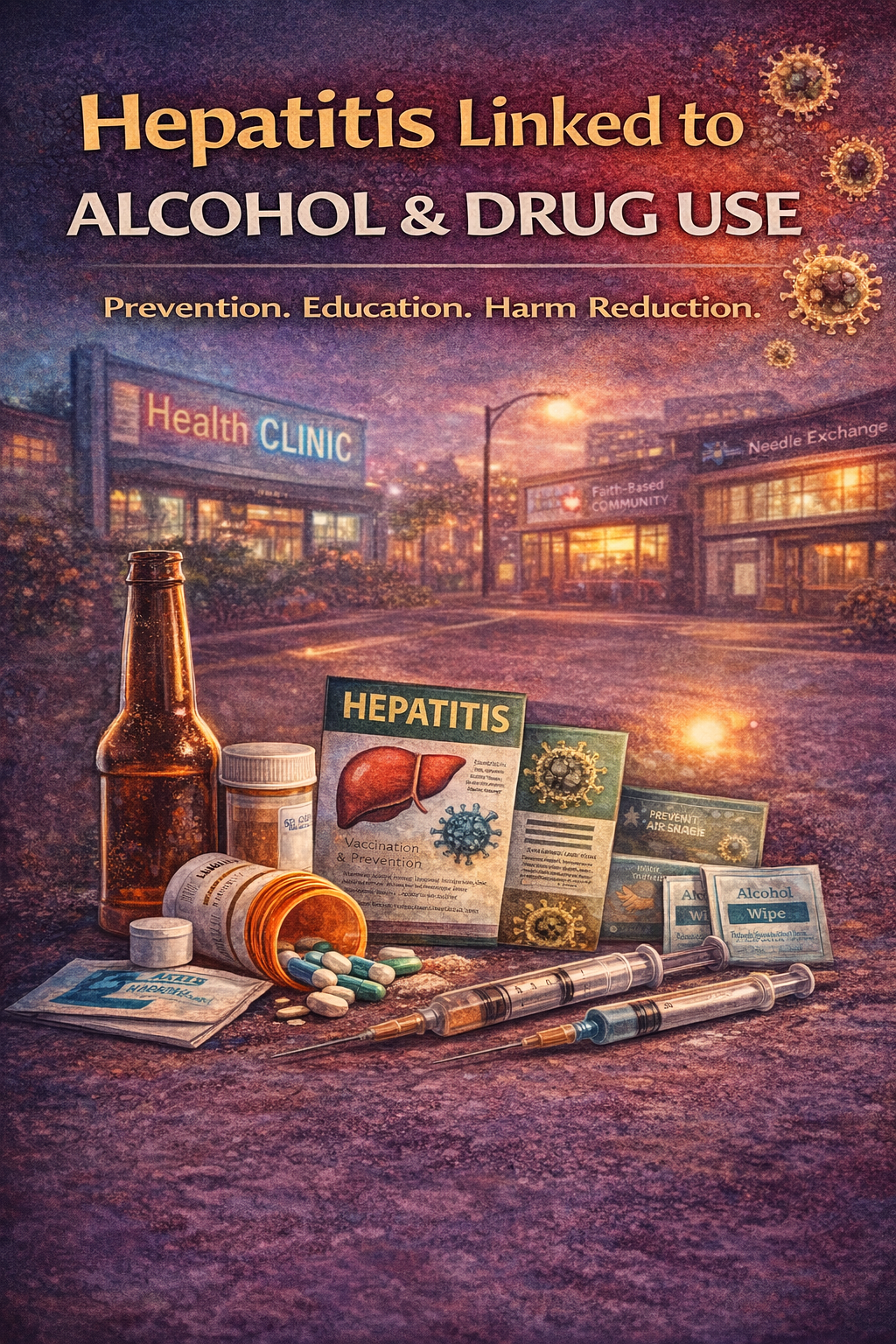
Hepatitis, an inflammation of the liver, is closely linked to alcohol and drug addiction due to behaviors and substances that damage or infect the liver. Chronic alcohol use directly causes liver inflammation and scarring, while injection drug use increases the risk of transmitting viral hepatitis—particularly Hepatitis B and C—through shared needles or unsterile equipment. The … Read more

Consequences of Drugged Driving

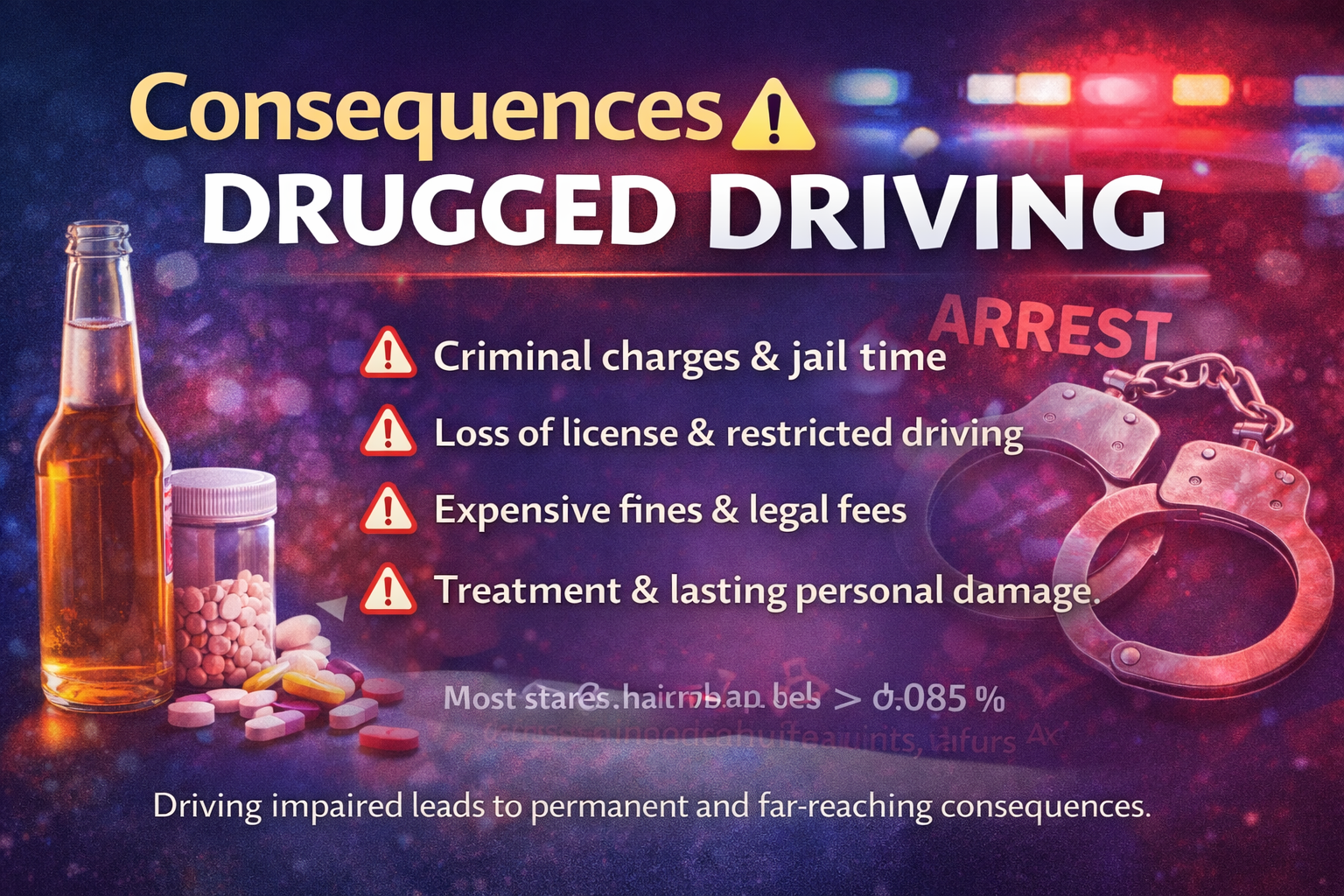
Drugged driving occurs when a driver operates a vehicle while impaired by drugs—whether illicit substances, prescription medications, or cannabis. Symptoms often include delayed reaction time, poor coordination, blurred perception, drowsiness, and impaired judgment, all of which drastically increase crash risk. With the legalization of cannabis in several U.S. states, law enforcement and health officials have … Read more

Negativity in the Recovery Process

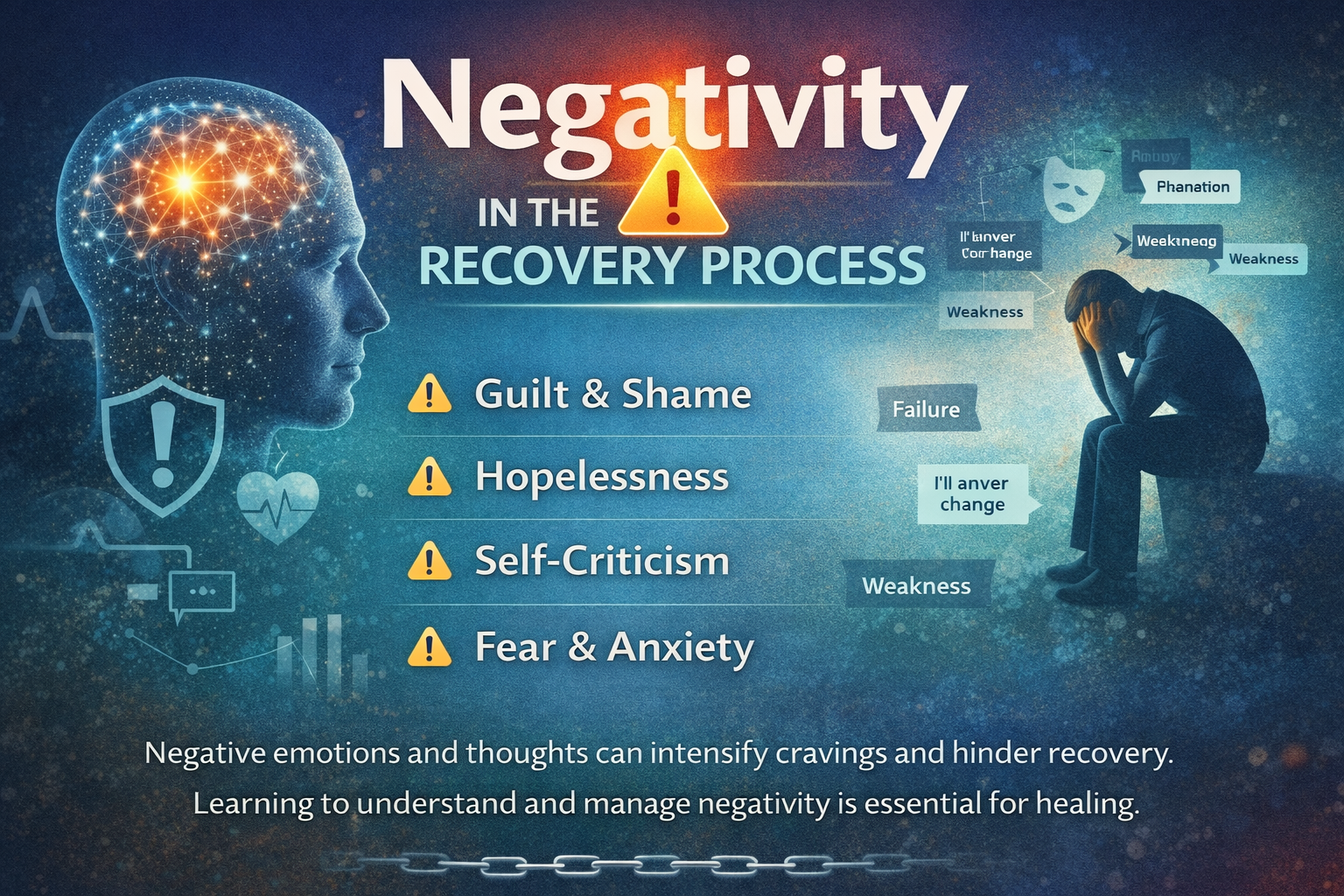
Negative thought patterns are among the most persistent barriers to lasting recovery in addiction therapy. Feelings of guilt, hopelessness, or self-blame can erode confidence, leading individuals to question their progress or relapse into harmful coping habits. Effective treatment goes beyond detoxification—it involves retraining the mind to recognize and challenge self-defeating beliefs. Through structured self-management, individuals … Read more

The Risk of Addiction Treatment

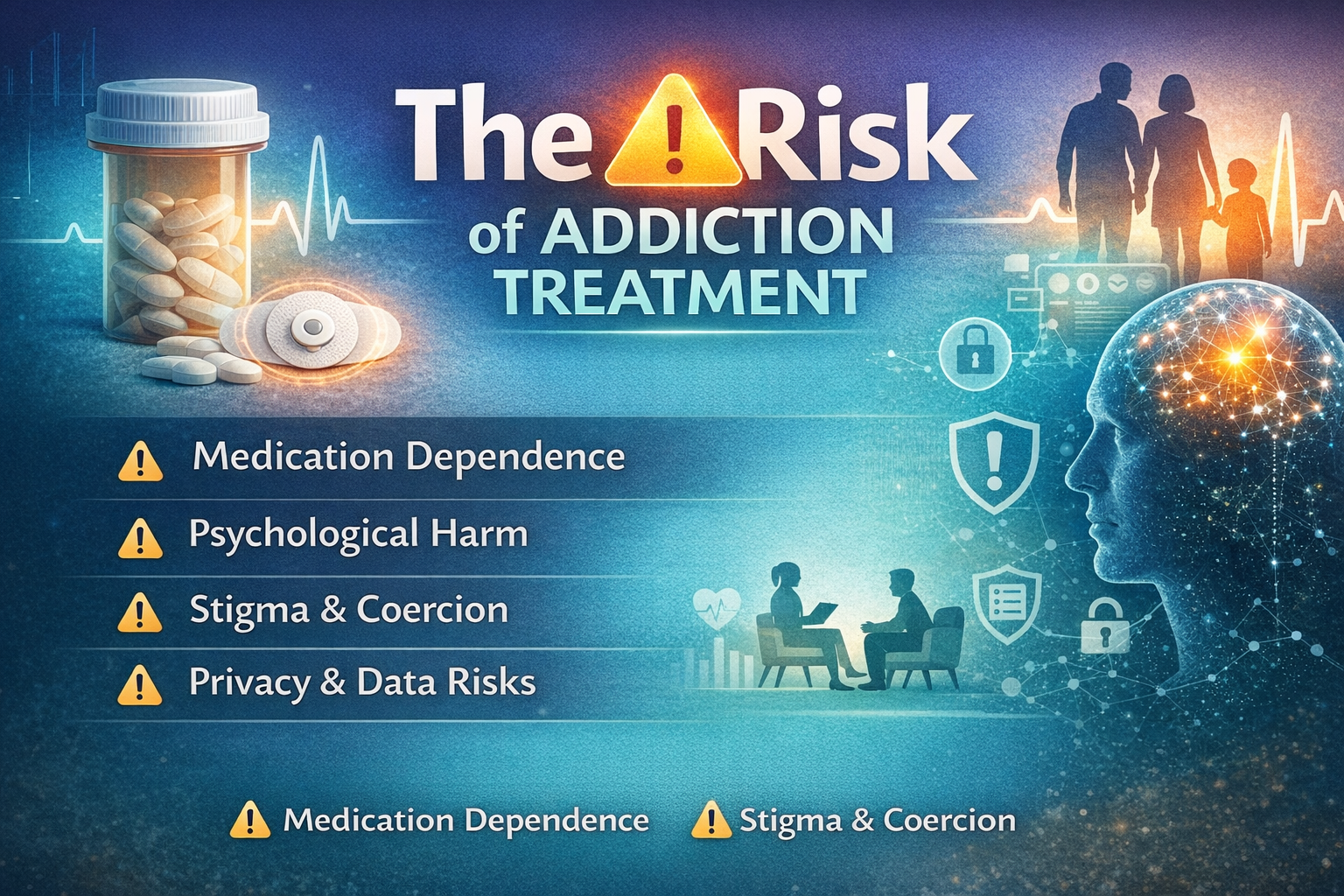
Addiction treatment aims to heal, yet even well-intentioned therapies can cause unintended harm when applied without balance, ethics, or individualized care. Over-medicalization, dependence on treatment systems, stigma, or cultural misalignment can inadvertently hinder recovery instead of supporting it. These risks underscore the need for comprehensive prevention strategies grounded in education, transparency, and compassion. Determining appropriate … Read more

Biofeedback in Addiction Therapy

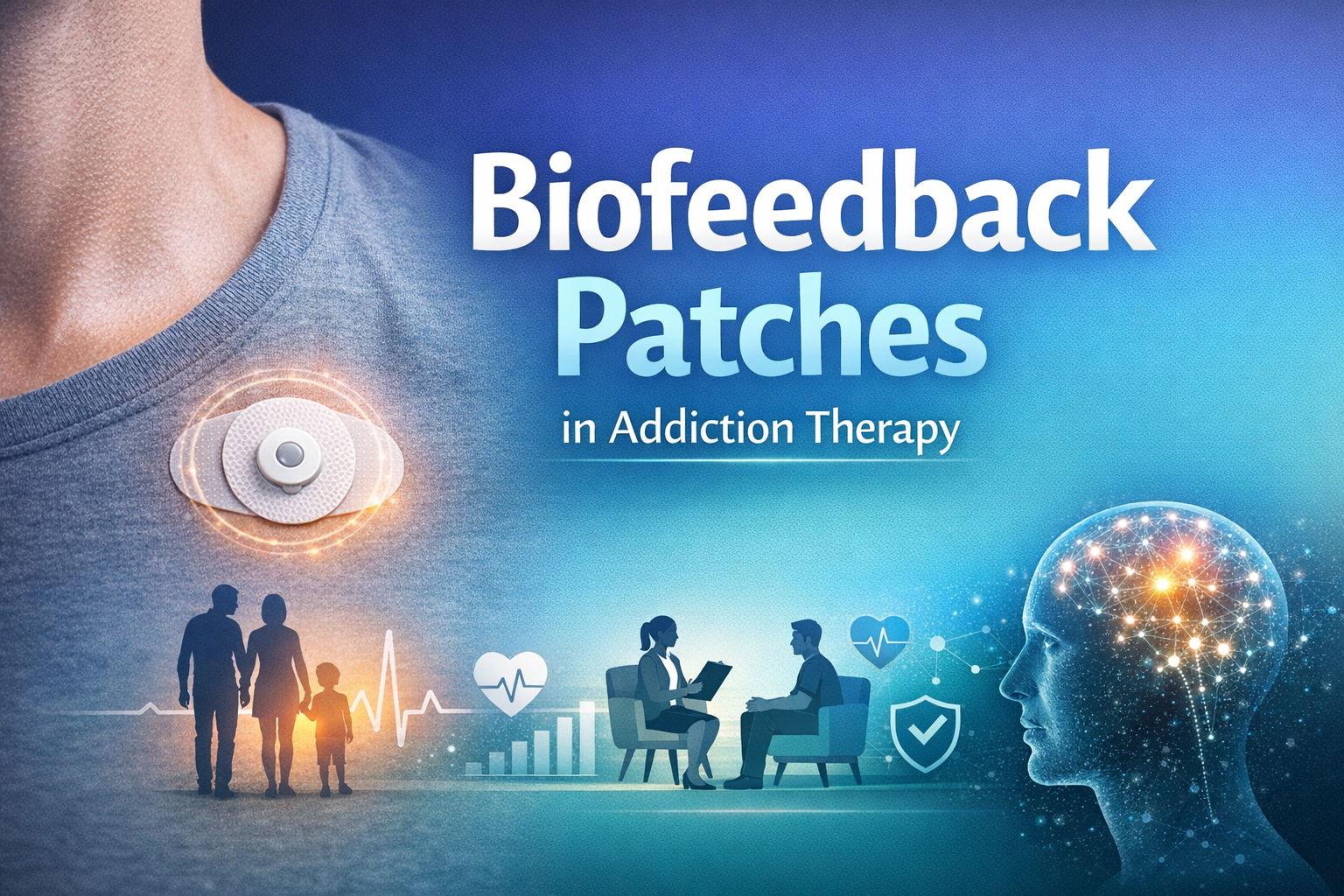
The biofeedback patch is an innovative tool in addiction therapy that uses wearable technology to monitor physiological signals like heart rate and skin response to detect early signs of stress and cravings. Providing real-time feedback helps individuals apply coping strategies before relapse risk increases, strengthening self-awareness and emotional regulation. While the patch offers non-invasive and … Read more

Virtual Reality in Addiction Care

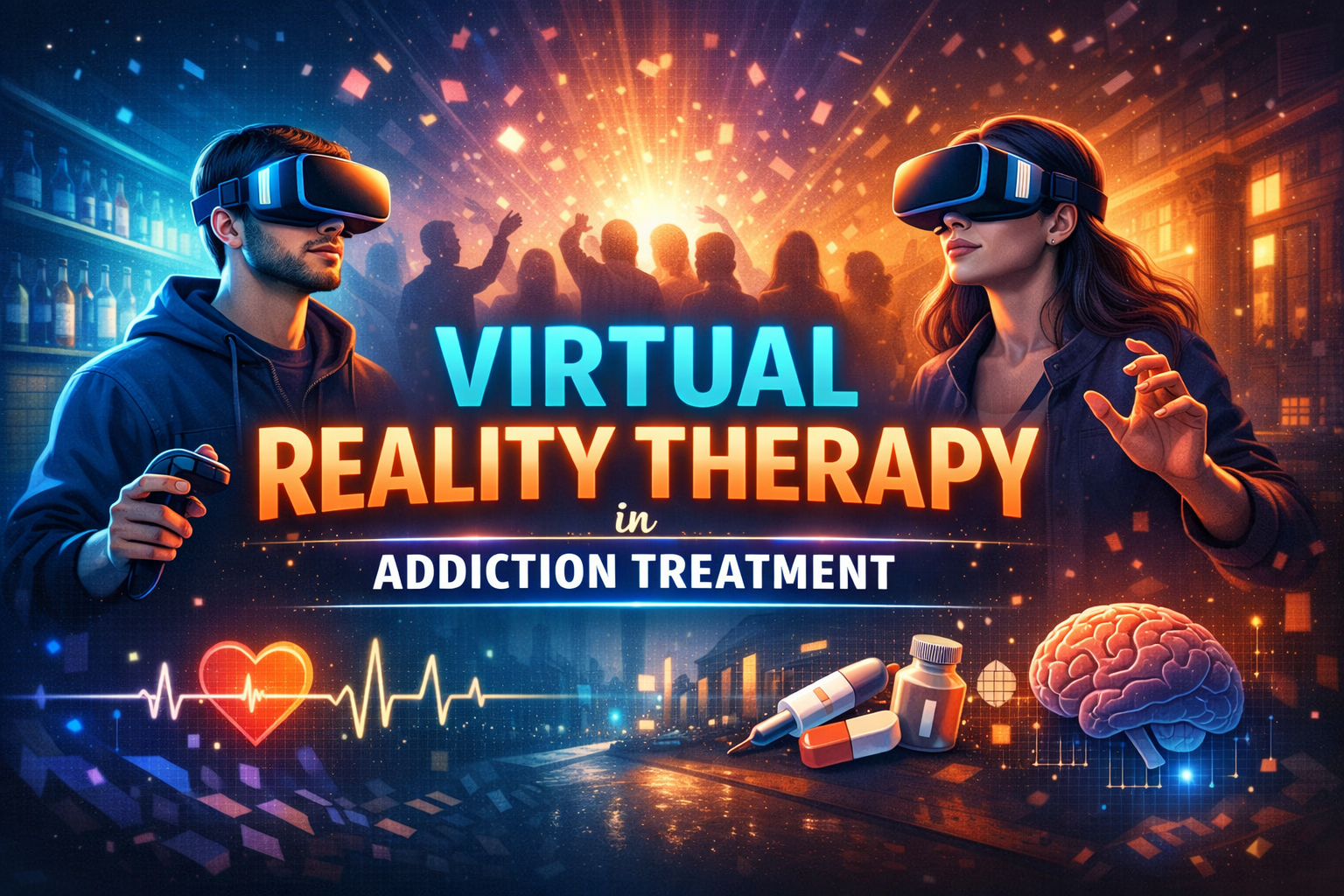
Virtual Reality Therapy (VRT) represents a groundbreaking evolution in addiction treatment, blending technology with psychology to create immersive, controlled environments for behavioral change. By simulating real-life triggers—such as bars, social gatherings, or stress-inducing settings—VRT allows individuals to confront cravings and practice coping strategies safely under therapist supervision. This approach enhances emotional regulation, relapse prevention, and … Read more