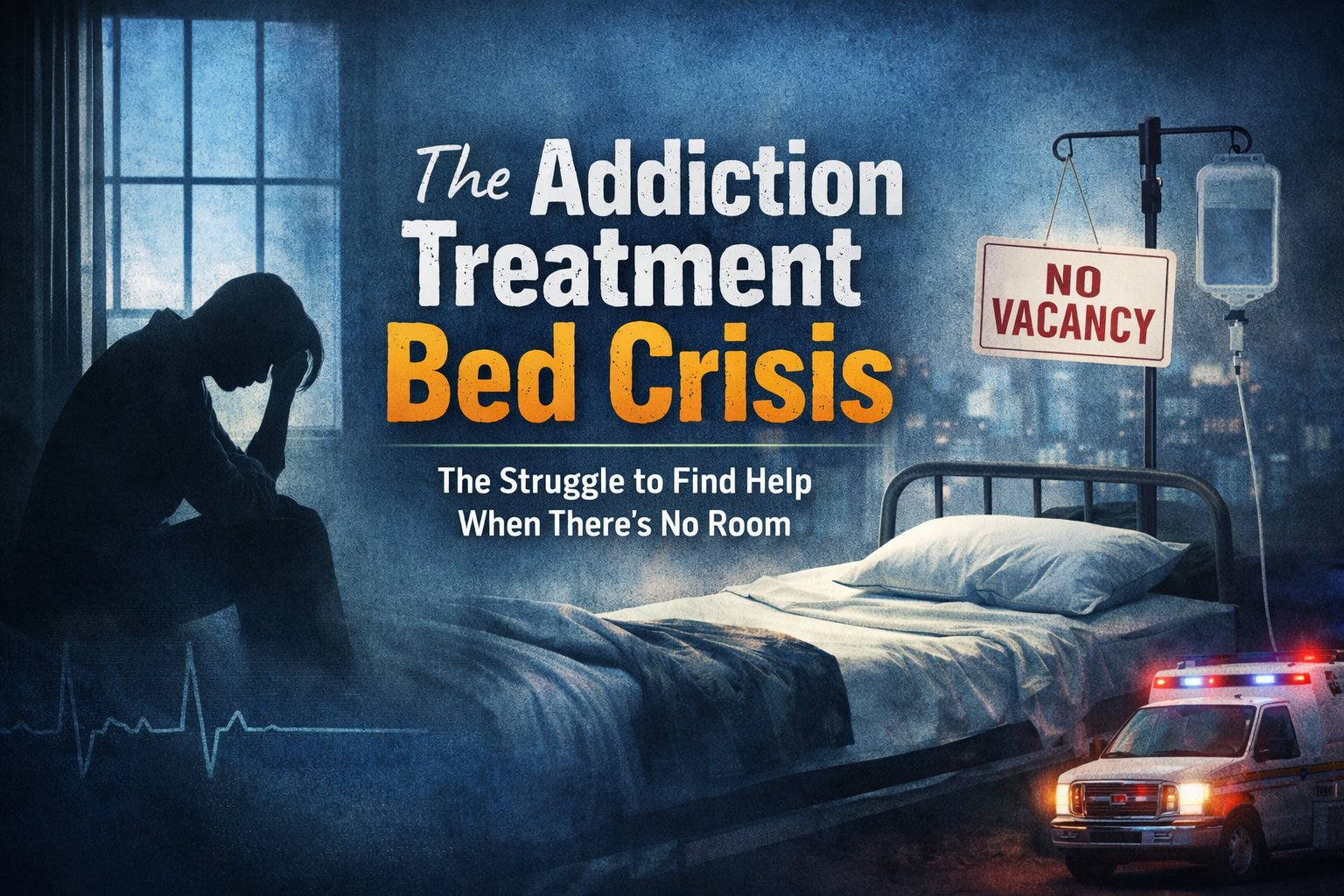
The growing demand for addiction treatment has exposed a major challenge within many healthcare systems: the shortage of available treatment beds. Individuals seeking help for substance use disorders often face long waiting lists for detoxification and residential treatment programs, even during critical moments when they are ready to begin recovery. This gap between demand and capacity has created what many experts describe as the addiction treatment bed crisis. When immediate access to care is unavailable, individuals may relapse, experience worsening health conditions, or lose the motivation to seek treatment altogether. Understanding the causes and consequences of this shortage is essential to developing more effective systems of prevention, treatment, and long-term recovery support.
The Addiction Treatment Bed Crisis
Across the United States, thousands of people seek help for substance use disorders every day. Many reach the critical moment when they are finally ready to enter treatment—only to discover that there is no available bed. This shortage of addiction treatment beds has become a major barrier in addressing the addiction crisis, leaving individuals and families trapped between the desire for recovery and the reality of limited resources.
A Critical Gap in Treatment Capacity
Addiction treatment often requires different levels of care, including detoxification, inpatient or residential treatment, partial hospitalization programs, and outpatient services. For individuals experiencing severe substance use disorders, residential treatment beds are often necessary to provide structured care, medical supervision, and protection from relapse triggers.
However, treatment capacity in many regions falls far short of demand. Facilities frequently operate at or near full capacity, and waiting lists for inpatient treatment can stretch from days to weeks. For someone in active addiction—particularly during withdrawal or after a crisis—waiting even a few days can mean missing the narrow window when they are motivated and ready for change.
The Consequences of Limited Access
The shortage of treatment beds has serious consequences. Individuals who cannot access immediate care may return to substance use, experience overdose, or face worsening physical and mental health conditions. Emergency departments and jails often become default holding places for people struggling with addiction, systems that are not designed to provide long-term treatment.
Families also feel the impact. Loved ones may spend hours calling treatment centers searching for an available bed, often across multiple states. The emotional toll can be overwhelming as families watch someone who wants help but cannot access it.
Why the Shortage Exists
Several factors contribute to the addiction treatment bed crisis:
- Funding limitations: Building and maintaining residential treatment facilities require significant financial resources. Many programs rely on unstable funding sources.
- Workforce shortages: Qualified addiction counselors, nurses, and physicians are in high demand but short supply.
- Insurance barriers: Some insurance plans limit coverage for residential treatment, reducing facilities’ ability to expand services.
- Rising demand: Increasing rates of opioid use, stimulant addiction, and co-occurring mental health disorders have dramatically increased the need for treatment.
Together, these factors create a system where demand for care continues to grow faster than the capacity to provide it.
Moving Toward Solutions
Addressing the treatment bed shortage requires coordinated efforts across healthcare systems, governments, and communities. Potential solutions include expanding funding for treatment facilities, improving insurance coverage for addiction services, increasing training programs for addiction professionals, and strengthening community-based recovery supports.
It is also important to recognize that treatment beds are only one part of the recovery system. Long-term recovery often depends on access to outpatient care, counseling, medication-assisted treatment, housing support, and peer recovery networks.
A Window That Should Not Close
One of the most painful realities of addiction treatment is that motivation for recovery often appears during brief windows of readiness. When those moments occur, access to treatment must be immediate. Every missed opportunity can mean another cycle of relapse, overdose, or loss.
The addiction treatment bed crisis is not simply a problem of infrastructure—it is a matter of life-saving access to care. Expanding treatment capacity ensures that when someone finally asks for help, the answer can be “yes, we have a place for you.”
Preventing the Addiction Treatment Bed Crisis: The Role of Self-Management Strategies
The shortage of addiction treatment beds has become a growing concern in many healthcare systems. Residential and inpatient programs often operate at full capacity, leaving individuals in need of immediate care waiting. While expanding treatment infrastructure is essential, prevention and early intervention are equally important. One powerful yet often overlooked approach is the use of self-management strategies that help individuals manage substance use risks before their condition escalates to the point of requiring inpatient treatment.
Understanding Self-Management in Addiction
Self-management refers to the skills and strategies individuals use to monitor their behavior, regulate emotions, and maintain healthy coping mechanisms. In the context of addiction, self-management involves recognizing triggers, managing cravings, and building routines that support recovery or prevent substance misuse from worsening.
These strategies empower individuals to take an active role in their health while reducing reliance on crisis-level interventions that require hospital or residential beds.
Early Intervention Through Awareness
One of the most effective ways to prevent the need for intensive treatment is to recognize problematic patterns early. People who understand the warning signs of substance misuse—such as increasing tolerance, loss of control, or using substances to cope with stress—are more likely to seek help earlier.
Educational programs, screening tools, and mental health check-ins can encourage individuals to address issues before addiction becomes severe.
Developing Healthy Coping Skills
Many people use substances as a way to cope with stress, trauma, anxiety, or depression. Self-management strategies focus on replacing these behaviors with healthier coping mechanisms. These may include:
- Stress management techniques such as mindfulness and breathing exercises
- Regular physical activity
- Structured daily routines
- Emotional regulation skills
- Seeking social support from friends, family, or peer groups
When individuals develop effective coping skills, they are less likely to rely on substances to manage difficult emotions.
Using Outpatient and Community Resources
Self-management does not mean managing addiction alone. Community-based supports play a crucial role in preventing escalation. Outpatient counseling, peer recovery groups, and medication-assisted treatment programs provide support without requiring inpatient beds.
These services help stabilize individuals while allowing them to continue working, attending school, and maintaining family responsibilities.
Digital Tools and Recovery Support
Technology is increasingly becoming part of addiction self-management. Mobile apps, telehealth counseling, and online recovery communities allow people to access support anytime. Digital tools can help individuals track cravings, set goals, and stay connected to recovery networks.
These resources can intervene early when someone begins to struggle, reducing the likelihood of crises requiring hospitalization.
A Preventive Approach to the Bed Shortage
Expanding treatment beds remains essential, but prevention strategies can reduce the strain on residential facilities. When individuals have the skills and resources to manage their recovery early, fewer people reach the stage where intensive inpatient care is the only option.
By promoting self-management, healthcare systems can shift from a crisis-driven model to a preventive model of addiction care.
Building a Stronger Recovery System
Preventing the addiction treatment bed crisis requires a comprehensive approach that combines infrastructure expansion with prevention, education, and community support. Self-management strategies empower individuals to take control of their recovery while reducing pressure on already limited treatment resources.
When people are equipped with the tools to recognize risks, manage triggers, and seek help early, the path to recovery becomes more accessible—not only for individuals but for the entire healthcare system.
Strengthening Recovery at Home: Family Support Strategies to Prevent the Addiction Treatment Bed Crisis
The shortage of addiction treatment beds has become a growing challenge for healthcare systems and communities. Residential programs often operate at full capacity, leaving many individuals waiting for care during critical moments when they are ready to seek help. While expanding treatment facilities is important, prevention and early support can also reduce the pressure on inpatient services. One of the most powerful yet underutilized resources in addiction recovery is family support.
Families often play a central role in recognizing early warning signs, encouraging treatment, and helping loved ones maintain recovery. With the right knowledge and strategies, families can help prevent addiction from escalating to the point where inpatient treatment becomes necessary.
Recognizing Early Warning Signs
Family members are often the first to notice changes in behavior that may indicate substance misuse. These changes might include shifts in mood, social withdrawal, financial problems, or declining performance at work or school.
When families understand these warning signs, they can intervene earlier—before the problem worsens. Early conversations, support, and professional guidance can help individuals access outpatient counseling or support groups instead of waiting until a crisis occurs.
Creating a Supportive Environment
Recovery is much more difficult when individuals feel judged, isolated, or misunderstood. Families can play a powerful role by creating a supportive and nonjudgmental environment.
This includes:
- Listening without immediately criticizing or blaming
- Encouraging open communication about struggles and triggers
- Reinforcing positive behaviors and progress in recovery
- Avoiding shame-based language about addiction
A supportive home environment can reduce stress and increase the likelihood that someone will seek help before addiction becomes severe.
Encouraging Early Treatment and Counseling
Families can help bridge the gap between recognizing a problem and seeking professional help. Encouraging early counseling, therapy, or outpatient treatment programs can stabilize individuals before they require inpatient care.
In many cases, early treatment combined with family support can significantly reduce the risk of relapse and prevent escalation into more severe substance use disorders.
Learning Healthy Boundaries
While support is essential, families must also learn to set healthy boundaries. Enabling behaviors—such as covering up consequences, providing money that may support substance use, or avoiding difficult conversations—can unintentionally prolong addiction.
Healthy boundaries help individuals take responsibility for their actions while still knowing they are supported and valued.
Family Education and Support Programs
Many families struggle because they simply do not know how to help someone with addiction. Education programs and family support groups can provide valuable guidance on communication, relapse prevention, and coping strategies.
These programs also remind families that they are not alone and that addiction affects entire support systems, not just individuals.
A Community Approach to Prevention
When families are informed, supportive, and involved, they become a powerful part of the addiction recovery system. Early support from loved ones can reduce the risk of crises, encourage earlier treatment, and help individuals maintain stability in recovery.
While healthcare systems continue to expand treatment services, strengthening family support networks can help reduce the strain on inpatient facilities and prevent the addiction treatment bed crisis from worsening.
Recovery Begins with Connection
Addiction often isolates individuals from the people who care about them most. Rebuilding connections and support within families can create a strong foundation for recovery.
When families are equipped with the tools to recognize problems early, communicate effectively, and encourage treatment, they become part of the solution—helping ensure that fewer people reach the point where inpatient beds are the only option.
Community Resources as a Solution to the Addiction Treatment Bed Crisis
Across many regions, the demand for addiction treatment beds far exceeds the available supply. Residential and inpatient programs frequently operate at full capacity, leaving individuals who are ready to seek help waiting for treatment. While expanding treatment facilities is important, communities can play a crucial role in reducing the strain on inpatient services. By strengthening local resources and prevention programs, communities can intervene earlier and support recovery without always relying on residential treatment beds.
Expanding Early Intervention Services
One of the most effective ways communities can prevent the treatment bed crisis is through early intervention programs. When individuals receive help at the early stages of substance misuse, they are less likely to require intensive inpatient care later.
Community health clinics, mental health centers, and primary care providers can offer screening, counseling, and referrals for substance use concerns. These early services help individuals recognize problematic behaviors and begin treatment before addiction becomes severe.
Strengthening Outpatient Treatment Programs
Outpatient programs provide structured therapy, counseling, and medical support while allowing individuals to continue living at home and maintaining daily responsibilities. Expanding these programs can reduce the number of people who require residential treatment.
Community-based outpatient services may include:
- Individual and group counseling
- Medication-assisted treatment (MAT)
- Case management and recovery planning
- Mental health support for co-occurring disorders
By making these services more accessible, communities can stabilize individuals before their condition escalates to a crisis level.
Peer Recovery Support Networks
Peer support groups and recovery communities provide a powerful layer of support that extends beyond clinical treatment. Individuals who have experienced addiction themselves can offer guidance, encouragement, and accountability to those in early recovery.
Community recovery centers, peer coaching programs, and support groups help individuals maintain recovery and reduce the risk of relapse. These networks also provide a sense of belonging, which is often essential for long-term recovery.
Harm Reduction and Crisis Prevention
Harm reduction strategies can also help reduce the need for inpatient treatment by preventing overdose and stabilizing individuals during difficult periods. Community programs that provide education, crisis support, and access to health resources can keep people connected to care until they are ready for treatment.
Examples of community harm reduction strategies include overdose education, crisis response teams, and community outreach programs.
Addressing Social Determinants of Recovery
Addiction recovery is closely connected to social stability. Lack of housing, unemployment, and limited access to healthcare can make recovery much more difficult. Communities that invest in supportive housing programs, job training initiatives, and social services create environments in which individuals are more likely to maintain recovery.
When these supports are available, fewer individuals reach the point where hospitalization or residential treatment becomes necessary.
A Collective Responsibility
Preventing the addiction treatment bed crisis requires more than expanding healthcare infrastructure—it requires a community-wide approach. Local governments, healthcare providers, nonprofits, and community members all play a role in building systems that support prevention and early recovery.
When communities strengthen their resources, they create multiple pathways to support and healing.
Building Communities That Support Recovery
Addiction recovery does not happen only within treatment facilities. It happens in homes, workplaces, schools, and community spaces where individuals find support and purpose.
By investing in community-based resources, societies can reduce the pressure on inpatient treatment beds while ensuring that individuals struggling with addiction receive help earlier and more consistently. In doing so, communities move closer to a recovery system that is accessible, responsive, and sustainable for everyone who needs it.
Frequently Asked Questions
Here are some common questions:
1. What is the addiction treatment bed crisis?
The addiction treatment bed crisis refers to the shortage of available inpatient and residential treatment beds for individuals seeking help for substance use disorders. Many treatment centers operate at full capacity, leaving people who are ready for treatment facing long waiting lists or being turned away.
2. Why are addiction treatment beds in short supply?
Several factors contribute to the shortage, including:
- Limited funding for addiction treatment programs
- A shortage of trained addiction professionals
- Insurance restrictions on inpatient care
- Increasing rates of substance use disorders
- High demand for detox and residential treatment services
These challenges make it difficult for treatment facilities to expand capacity.
3. Why is immediate access to treatment so important?
Addiction recovery often depends on brief moments of readiness when a person decides they want help. If treatment is not immediately available, that motivation may fade, and individuals may return to substance use, increasing the risk of relapse or overdose.
4. What happens when treatment beds are unavailable?
When individuals cannot access treatment beds, several negative outcomes can occur:
- Higher risk of overdose or relapse
- Increased use of emergency departments
- People with addiction entering the criminal justice system
- Worsening physical and mental health conditions
These consequences place additional strain on healthcare and community systems.
5. Are treatment beds the only solution to addiction care?
No. While inpatient treatment is important for many individuals, a comprehensive recovery system also includes:
- Outpatient counseling and therapy
- Medication-assisted treatment (MAT)
- Peer recovery support programs
- Mental health services
- Community-based recovery resources
Strengthening these services can reduce the demand for inpatient beds.
6. How can communities help address the treatment bed shortage?
Communities can help by:
- Expanding outpatient treatment services
- Supporting recovery centers and peer support programs
- Investing in prevention and early intervention initiatives
- Increasing public education about addiction and recovery
- Advocating for better healthcare funding and policies
Community involvement can reduce the strain on residential treatment programs.
7. How do families experience the treatment bed crisis?
Families often struggle to find immediate help for loved ones who are ready to seek treatment. They may call multiple facilities, travel long distances for available beds, or face waiting lists that delay care. This process can be emotionally exhausting and frustrating.
8. What policy changes could help solve the problem?
Potential policy solutions include:
- Increasing funding for addiction treatment facilities
- Expanding insurance coverage for substance use treatment
- Investing in addiction workforce training programs
- Supporting community-based recovery services
These changes can improve access to care and reduce the treatment gap.
9. Can prevention reduce the treatment bed crisis?
Yes. Prevention strategies such as early education, mental health support, family involvement, and community programs can help individuals receive help earlier—before addiction reaches a stage requiring residential treatment.
10. What is the long-term goal for addiction treatment systems?
The goal is to create a continuum of care in which individuals can access the right level of support at the right time. This includes prevention, early intervention, outpatient care, residential treatment, and long-term recovery services.
Conclusion
Addressing the addiction treatment bed crisis requires more than simply increasing the number of residential treatment facilities. While expanding treatment capacity is important, long-term solutions must also include stronger prevention efforts, early intervention programs, community resources, and family support systems. By investing in these areas, healthcare systems can reduce the number of individuals who reach crisis levels of addiction while ensuring that those who need intensive care can access it when they are ready. Ultimately, improving access to treatment is not only a matter of healthcare infrastructure—it is a critical step toward saving lives and supporting lasting recovery.
Video: When the window to save someone closes because there’s no bed #addiction #treatment
