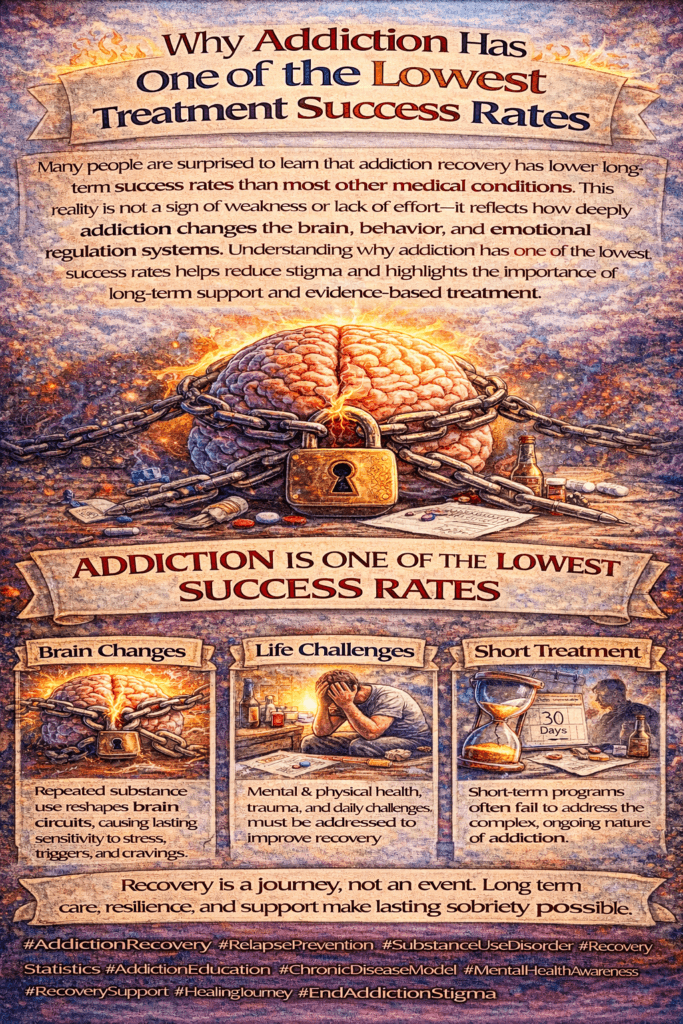
Addiction recovery can be a long and challenging process, not just for those facing it firsthand but also for their families and communities. While many people hope for a straightforward path toward lasting sobriety, the reality is a lot more complicated. Addiction consistently ranks as one of the toughest health issues to treat, with lower recovery rates compared to many other chronic conditions. I’ve spent years exploring why this happens, and if you’re curious, here’s a chance to jump into why addiction treatment success rates remain so low and what really goes on behind the scenes.
How Addiction Treatment Works, and Why It’s Complicated
Addiction is a brain disorder that affects how people think, feel, and act. Unlike a simple infection that a doctor can clear up with antibiotics, addiction isn’t easily fixed with a one-size-fits-all approach. Recovery takes time, patience, and often multiple attempts. According to the National Institute on Drug Abuse, around 40-60% of people relapse during recovery. But why is it so tricky to treat?
With addiction, the brain’s reward system gets rewired, so substances or behaviors become the main source of happiness, comfort, or even just normal functioning. Treatments like detox, medication-assisted therapy, and counseling can help, but results vary. Factors such as the type of substance, underlying mental health issues, environment, and even genetics all play a role in influencing how well someone responds to treatment.
The Basics: Factors That Make Addiction Tough to Treat
Recovery programs work for some, but not everyone. Here’s why addiction is so resistant to treatment and why success rates stay on the low side:
- Complex Causes: Addiction rarely starts for just one reason. Trauma, genetics, social surroundings, and mental health challenges all layer on, making every person’s adventure unique.
- Chronic Nature: Addiction isn’t like a broken bone that heals and is done. It’s similar to other long-term illnesses like diabetes or asthma, which means it often comes with relapses and setbacks.
- Stigma: Many people avoid or delay treatment because they’re worried about being judged or misunderstood. This stigma keeps them from getting the help they need, which can make things worse.
- Multiple Attempts Needed: It’s common for people to need several rounds of treatment before they find what works for them. That doesn’t mean failure; it’s actually a normal part of recovery.
All these factors accumulate, creating barriers that aren’t easy to overcome with a simple or quick solution.
What Research Says About Treatment Outcomes
Studies have tried to measure the effectiveness of different approaches to addiction. According to the Substance Abuse and Mental Health Services Administration, less than 25% of people with a substance use disorder get any treatment at all. Of those who do, only about half remain in treatment for three months or more, the time often needed for real change. Even with ongoing support, relapse rates are pretty high, sometimes matching the rates for other chronic illnesses.
One reason for this is that recovery can vary across individuals. Some folks define success as complete abstinence, while others see harm reduction or even just fewer risky behaviors as a positive outcome. Having a flexible view of recovery helps, but the numbers still show the road is bumpy for most people.
Addiction Is About More Than Just Willpower
There’s a common myth that people can overcome addiction if they just try hard enough. The truth is, there’s a lot more happening. Addiction isn’t about laziness or lack of effort. The brain chemistry changes caused by repeated substance use mean cravings and withdrawal are super tough to fight off, even for those who desperately want to quit.
Treatments that ignore the underlying biology of addiction often miss the mark. Medical support, like medication for opioid use disorder, can make a big difference, but not everyone can access these treatments or stick with them for the long haul.
Main Barriers That Hold Back Treatment Success
- Limited Access to Quality Care: Cost, lack of insurance, or few local providers mean lots of people can’t get help even if they want it.
- Fragmented Treatment: Many programs offer just one kind of therapy or medication, but addiction is complex and usually needs a combo of approaches.
- Insufficient Support After Treatment: Recovery doesn’t end after rehab. Without ongoing counseling, sober living support, or community programs, relapses are more likely.
- Co-occurring Mental Health Issues: Anxiety, depression, or trauma often go hand in hand with addiction. If these aren’t addressed at the same time, treatment isn’t nearly as effective.
Limited Access and Fragmented Services
High-quality addiction care isn’t always available, especially in smaller towns or for people without much money. Treatments that don’t combine medical, social, and psychological support have much lower success rates. Getting help shouldn’t depend on the lack of geography or income, but that’s the reality for many right now.
Challenges with Ongoing Recovery
Maintaining sobriety outside of a controlled environment is tricky. Day-to-day triggers, stress, and a return to old social circles can all work against a person in recovery. Programs with aftercare, like sober living houses or community groups such as Alcoholics Anonymous, are linked with better outcomes, but not everyone has access to these options.
Understanding What Actually Works Better
Some approaches increase the odds of lasting recovery, even if they aren’t magic fixes. Here are a few treatment aspects backed by research and firsthand experience:
- Integrated Care: This means treating addiction and mental health issues at the same time, which gives a more complete level of care.
- Medication Assisted Treatment (MAT): Medications like methadone, buprenorphine, and naltrexone can help reduce cravings and lower relapse risk for opioid addiction. When combined with counseling, the results are better than those of either approach alone.
- Personalized Programs: No two people have the same path into addiction, so programs tailored to a person’s needs, like trauma-informed care or gender-specific groups, tend to work best.
- Support Systems: Recovery is a lot smoother with encouragement from family, friends, or peer groups. Accountability and understanding can help individuals remain motivated during difficult periods.
Things You Might Want to Think About If You or Someone You Know Is Struggling
Starting and sticking with addiction treatment takes courage and a lot of support. Here are some realities that are helpful to keep in mind when facing this challenge:
- Relapse Isn’t Failure: Slips are common. They’re a sign that treatment plans may need a tweak or extra support, not a reason to give up hope.
- Progress Looks Different for Everyone: For some people, cutting back on use is a huge win, even if abstinence isn’t reached right away.
- Family and Friends Play a Big Role: Encouragement matters. Being nonjudgmental and open helps individuals feel safe enough to seek help.
Stigma and Social Isolation
Shame and fear keep many people silent about addiction. Fighting stigma starts with learning more and sharing accurate info, not rumors or outdated beliefs. Support groups, educational programs, and compassionate conversations can make a difference. Family members and friends who step up can significantly change someone’s experience, showing them that they are not alone and that support is available.
Frequently Asked Questions
Here are some common questions I often hear about addiction recovery and treatment outcomes:
Question: Why do so many people relapse after getting addiction treatment?
Answer: Relapse can happen for many reasons. Stress, environment, mental health challenges, or even just the chronic nature of addiction itself. It doesn’t mean someone isn’t trying; it means recovery is often a multistep process.
Question: Does relapse mean treatment didn’t work?
Answer: No, relapse is a common part of recovery. Most people need multiple tries before they reach long-term sobriety. Each attempt is a learning experience, not a defeat.
Question: What type of addiction treatment works the best?
Answer: Programs that combine medical care, counseling, and aftercare usually have better results. Treatment should align with a person’s needs, not merely their diagnosis.
Moving Forward: Giving Hope in the Face of One of the Toughest Health Challenges
Despite the low rate of long-term success, there are real stories of recovery and healing. While addiction remains a hard-to-treat condition, improvements in care, more holistic approaches, and growing awareness about mental health offer reasons to stay optimistic. Understanding the barriers, being realistic about the process, and supporting one another can make a meaningful impact on how we face addiction in society.
Recovery isn’t a straight shot; there are bumps, twists, and sometimes setbacks along the way. But every story of progress, no matter how small, deserves recognition. Staying informed, compassionate, and open-minded tilts the odds slightly more in favor of those seeking change.
If you or someone you know is seeking support, remember that reaching out, joining local groups, or even just talking to a trusted friend is a strong first step. Community, reliable information, and honest communication remain some of the best tools we have. Recovery may be tough, but hope and help are never out of reach.
Video: Why Addiction Keeps Coming Back #ChronicIllness #MentalHealthAwareness