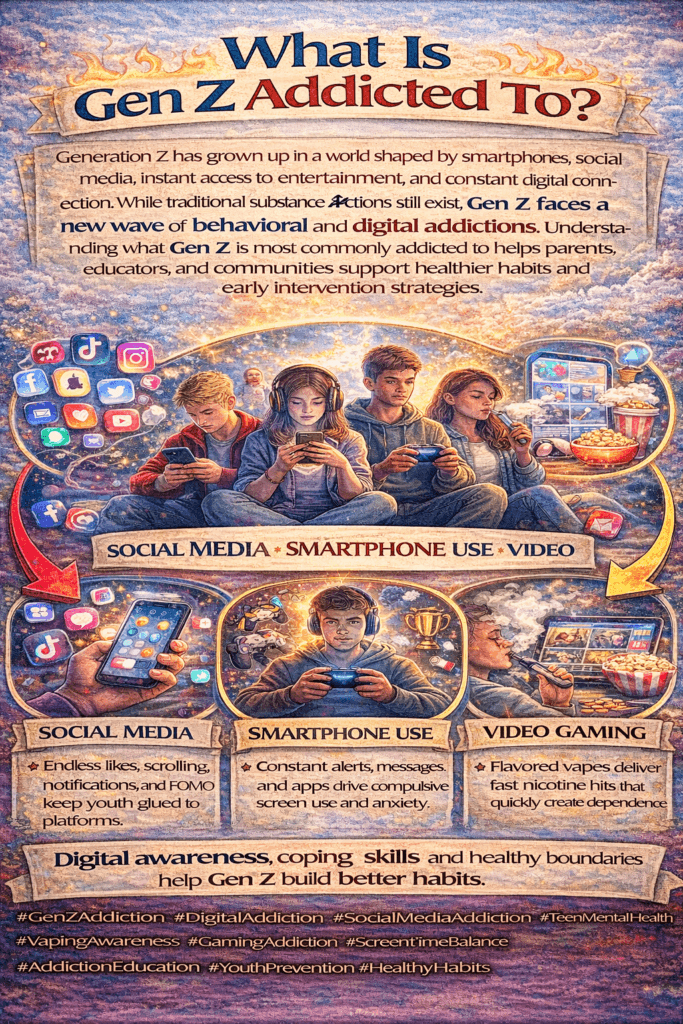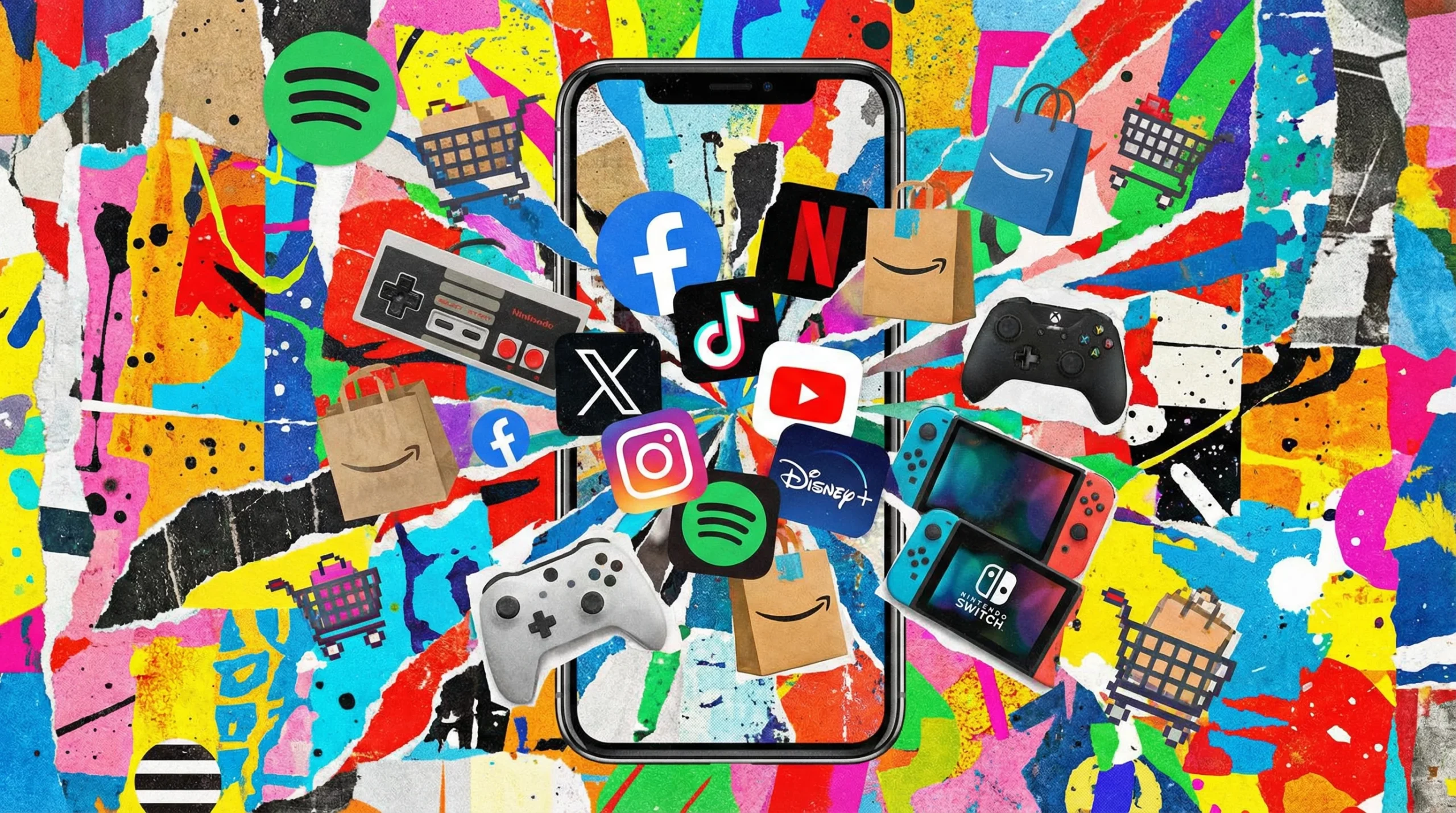
If you spend any time online or chatting with teenagers and young adults, you’ll notice that Gen Z has totally different interests and habits compared to earlier generations. Born roughly between 1997 and 2012, Gen Z grew up in a digital-first world where trends spread fast, and tech is at the center of nearly everything. I often get asked what Gen Z seems to be “addicted” to these days. While addiction isn’t a medical term in this context, it’s clear that there are a few things Gen Zers just can’t get enough of. Check out what’s capturing their attention and why it matters.
What Drives Gen Z Obsessions?
I’ve noticed that a lot of Gen Z’s habits are shaped by the tech landscape they grew up with. Constant connection, instant access, and influencers who feel more like friends than celebrities create an environment where new obsessions are always brewing. There’s social media, streaming platforms, gaming, online shopping, and even self-care. But it’s not just about passing the time; these habits tie into how Gen Z forms connections, learns about the world, and deals with day-to-day stress.
Recent surveys show that Gen Z spends more time online than any previous generation. According to Pew Research, over 95% of American teens report having a smartphone, and more than half say they’re online “almost constantly.” That speaks volumes about how integrated tech is in their lives and where their favorite habits really live.
Gen Z is also super focused on mental health, authenticity, and social values. Add that to powerful algorithms and endless content, and it’s no wonder some habits stick harder than others. What’s important is that these habits are a sign of how much digital environments can shape our personalities and priorities, especially as we grow up in a constantly connected age.
Social Media Platforms: The Ultimate Go-To
Social media is basically home base for Gen Z. Instagram, TikTok, Snapchat, and newer platforms like BeReal are where they spend tons of their time. TikTok, in particular, has exploded with short, fast-paced content that’s easy to binge for hours. It’s not just about videos; social media is how Gen Z connects with friends, stays in the loop on news, and even learns new skills.
- Short Video Content: TikTok, Instagram Reels, and YouTube Shorts use clever algorithms to keep serving users videos that match their preferences, making it really hard to put the phone down.
- FOMO and Instant Connection: The fear of missing out keeps many Gen Zers coming back for more. Features like stories and live videos add pressure to stay active and up to date throughout the day.
- Influencers and Trends: Following influencers feels personal, and trending challenges make everyone feel part of a bigger group. These features are particularly appealing to those seeking identity and belonging.
Some Gen Zers admit to scrolling for hours, losing track of time, and checking in first thing every morning. Social media isn’t just entertainment; it’s also the main source of news, support, and sometimes even income through content creation. Plus, community building and organizing happen right alongside memes and viral dances.
Streaming Everything: Music, TV, and Video
Gen Z grew up with on-demand everything. You’ll find them watching Netflix or Disney+, streaming music on Spotify or Apple Music, and catching up on YouTube. The ability to stream any song, movie, or series with just a tap has changed what it means to “watch TV” or “listen to music.”
- Binge-watching Culture: With whole seasons dropping at once, it’s common to watch hours of TV in one go. For many, binge sessions are a way to relax and connect with others over shared favorites.
- Personalized Playlists: Spotify and similar apps use data to recommend music that fits any mood or activity, so there’s always a soundtrack playing in the background.
- Content on demand: Gen Z rarely watches scheduled TV or listens to the radio. They want everything, right now, and on their own terms.
There’s an upside, though. You can stumble upon artists, shows, or genres you’d never find otherwise. But it’s easy to fall into rabbit holes, spending more time than planned glued to a screen. The blend of instant access and endless options feeds these habits, which often include social watch parties and meme sharing alongside solo streaming.
Online Gaming: From Casual Fun to Full Culture
Gaming is another area where I’ve seen Gen Z spend a big chunk of their free time. Whether it’s on consoles, PC, or mobile, games like Fortnite, Minecraft, Roblox, and Among Us have a massive following. For a lot of Gen Z, gaming isn’t just about play—it’s where they hang out, chat, and build communities with friends.
- Social Spaces: Online games offer built-in messaging, multiplayer modes, and even in-game events, making them feel like a digital hangout.
- Esports and Streaming: Watching game streams on Twitch or YouTube is now just as big as playing games, with celebrities and communities forming around top streamers.
- Endless Variety: There’s something out there for everyone, from quick mobile puzzle games to massive open-world adventures, which keeps things fresh and enticing.
The mix of entertainment, skill building, and social experience makes online gaming one of the most engaging habits for Gen Z, even if parents sometimes worry it’s too much. The gaming world can also develop teamwork skills and help players step up their creative thinking.
Shopping and Trend Hunting Online
Gen Z loves shopping online, but it’s a different vibe than past generations. I’ve noticed they care more about finding cool, unique pieces and supporting smaller or sustainable brands. Apps like Depop, Poshmark, and even TikTok Shop are really popular now and blend social connection with shopping. For Gen Z, shopping is often an experience that lets them show off personal style and values.
- Fast Fashion and Thrifting: Gen Z is super into both finding deals and reducing their environmental impact, powering the resale economy and fast-fashion sites at the same time.
- Discovery Feeds: Social media and shopping are merging, so you can spot a trend and buy it in seconds without leaving the app.
- Influencer Marketing: Products promoted by favorite creators or friends become instant “must-haves.”
The rush of getting something new, coupled with community trends, can quickly turn shopping from a necessity into a habit. The excitement of unboxing and sharing finds also drives many posts online, fueling both shopping and social sharing.
Self-care, Wellness, and Mental Health Apps
There’s a big focus on mental health and wellness among Gen Z. I see a lot of conversation about therapy apps, mindfulness tools, and holistic care. Platforms like Headspace and Calm are common downloads, and fitness habits often revolve around short-form workout videos on TikTok or YouTube. There’s also a growing interest in nutrition trackers and meditation podcasts.
- Digital Therapy: Accessible counseling and mood tracking apps make it easier than ever to focus on mental health from home.
- Self-care Challenges: Many Gen Zers participate in monthly wellness challenges or share their progress on social media for extra motivation and support.
- Health Trackers: Sleep, hydration, and step-counting apps make everyday self-care feel a bit like a fun game.
While digital wellness tools can give a boost, there’s also a risk of becoming obsessed with “optimization,” which isn’t always very helpful for actual wellbeing. Balance matters. Offline support, real-world connections, and time in nature are just as crucial, and the savviest Gen Zers make space for all of them.
Spotlighting Challenges (and How They Show Up)
Every generation has its quirks, and Gen Z is no exception. Sometimes being super glued to phones and streaming platforms can lead to distractions, interrupted sleep, or a feeling of information overload. Here are some things I keep an eye on when thinking about Gen Z’s screen-heavy habits:
- Attention Span: Quick-hit dopamine from endless scrolling and moving from video to video can sometimes make it tough to focus on longer tasks.
- Social Pressure: Staying always “on” can be exhausting, especially when likes, comments, and comparisons never really stop.
- Sleep Issues: Blue light from screens and tempting content often mean late bedtimes, something many Gen Zers admit can be a problem.
Managing these habits is something Gen Z talks about more openly than generations before. You’ll see digital detoxes, “do not disturb” hours, and even group breaks happening as ways to reset and recharge. Open conversations and peer support help Gen Z stay sharp and make better choices about tech use.
Gen Z in Real Life: Trends Worth Noting
What makes all of this really interesting is how Gen Z combines online and offline life. Their habits often spill into real-world trends. Here are a few examples I keep seeing:
- Micro Communities: Gen Z often creates tight-knit online groups based on niche interests, then meets up or teams up on real-world projects outside the digital space.
- Activism and Social Good: Social platforms are used to raise awareness and organize social causes, turning online “addictions” into real momentum for change.
- DIY and Side Hustles: Lots of Gen Zers use their go-to platforms to launch creative businesses or share their art, blurring the line between hobby and work.
These habits aren’t just distractions. They’re shaping how Gen Z learns, creates, and connects. Online “addictions” can fuel passion projects, new friendships, and sometimes positive change in the world. From environmental protests to viral fundraising, digital habits often have real-world impacts.
FAQ: Questions I Hear All the Time
Question: Does Gen Z really spend more time online than other generations?
Answer: On average, yes. Gen Z reports higher daily screen time than Millennials or Gen X and is more likely to multitask across devices. But they’re also more aware of the need to take breaks, often posting openly about it to encourage others to do the same.
Question: Is social media use harming Gen Z’s mental health?
Answer: Research is mixed. Social media can help with connection and support, but can also cause anxiety and pressure. Gen Z is leading conversations about mental health and how to keep a good balance, sharing resources and tips more publicly than any generation before.
Question: What about in-person activities? Do they matter to Gen Z?
Answer: Definitely. While online habits are strong, many Gen Zers value in-person time, group activities, and offline hobbies, even if they track down or organize them through social platforms. Skateboarding meetups, craft fairs, and local concerts still draw big crowds from this age group.
Why Understanding Gen Z’s Habits Matters
Gen Z’s “addictions” are really just a reflection of the times they’re growing up in. Tech, media, and culture keep jumping into new eras, and Gen Z is right at the heart of it all. Learning more about what they’re hooked on helps parents, teachers, and even marketers connect authentically and support healthy choices. It also shows how digital life can be more than just scrolling. It can shape new ways to learn, work, and build community. In the end, recognizing these habits is the first step towards building positive experiences for everyone, online and off.
Video: Gen Z Admits Their Biggest Addiction #confession #genz #socialmedia