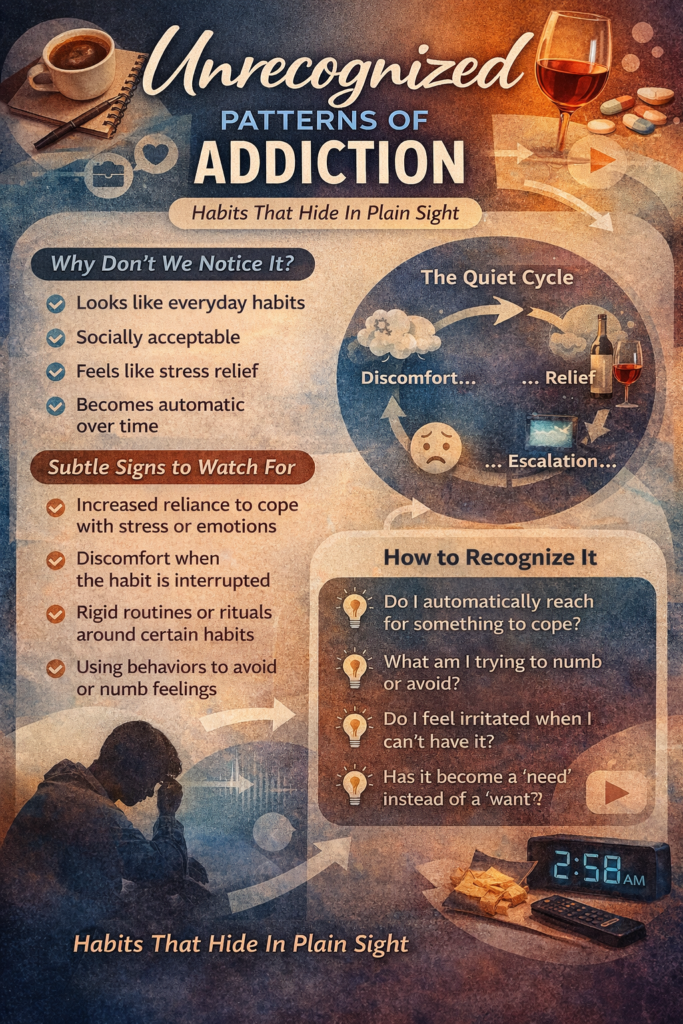
Addiction is often associated with extremes—visible consequences, loss of control, and clear disruption. But not all addiction looks this way. Some patterns develop quietly, embedded in daily routines and reinforced by what society considers normal. These unrecognized patterns can be difficult to identify because they don’t immediately appear harmful; instead, they function as coping mechanisms for stress, boredom, or emotional discomfort. Over time, however, these behaviors can shift from optional to necessary, creating subtle forms of dependence that often go unnoticed. Understanding addiction requires looking beyond the obvious signs and recognizing the patterns beneath the surface.
Hidden in Plain Sight: Unrecognized Patterns of Addiction
Addiction doesn’t always look like chaos. It doesn’t always involve rock bottom, obvious consequences, or substances that draw concern. In many cases, addiction blends seamlessly into everyday life—normalized, justified, and even encouraged.
These are the patterns we overlook: the habits we label as “coping,” the behaviors we excuse as “stress relief,” and the dependencies we don’t question because they look like everyone else’s. But just because something is common doesn’t mean it’s harmless.
Understanding addiction requires looking beyond extremes and recognizing the subtle, often invisible ways it can take hold.
🔍 When “Normal” Becomes a Pattern
Not all addiction is obvious. Some patterns are reinforced by culture and routine:
- Constant reliance on substances to relax or sleep
- Using work, productivity, or achievement to avoid emotional discomfort
- Needing stimulation (phones, social media, food, substances) to feel okay
- Avoiding stillness because it feels unbearable
These behaviors may not raise alarms individually—but over time, they can form the same cycle: trigger → relief → reinforcement → dependence.
🔁 The Cycle You Don’t Notice
Addiction is less about what you use and more about how and why you use it.
Unrecognized patterns often follow a quiet loop:
- Discomfort (stress, boredom, anxiety, emptiness)
- Immediate relief (substance or behavior)
- Temporary escape
- Return of discomfort—often stronger
Over time, the brain begins to associate relief with that behavior, strengthening the pattern without conscious awareness.
🧠 Why These Patterns Are Easy to Miss
The brain is wired to seek efficiency and reward. When something reliably reduces discomfort—even temporarily—it becomes reinforced.
Unrecognized addiction often:
- Doesn’t disrupt daily functioning (at first)
- Is socially accepted or even praised
- Feels like “self-care” or “deserved relief.”
- Develops gradually, not dramatically
Because of this, people may not question it until the behavior feels necessary rather than optional.
⚖️ Dependence vs. Habit
Not every habit is addiction—but some habits quietly cross that line.
Key differences include:
- Loss of control → “I said I wouldn’t, but I did anyway.”
- Increased tolerance → needing more for the same effect
- Emotional reliance → feeling unable to cope without it
- Physical signals → restlessness, irritability, or discomfort when stopping
The shift is subtle, but important.
🫀 The Physical Undercurrent
Even in less obvious forms, addiction still has a physical component:
- The brain adapts to repeated stimulation
- Dopamine responses become blunted
- The body begins to expect the behavior for regulation
This is why something that started as a choice can begin to feel like a need.
🧭 Becoming Aware Without Shame
Recognizing these patterns isn’t about labeling yourself or others—it’s about awareness.
Ask yourself:
- What do I rely on to regulate my emotions?
- How do I respond to discomfort or stillness?
- What feels hard to go without—even for a short time?
Awareness creates the opportunity for change.
🌱 Small Shifts, Real Change
Breaking unrecognized patterns doesn’t require drastic action. It starts with:
- Pausing before reacting
- Sitting with discomfort for a moment longer
- Introducing alternative ways to regulate (movement, connection, rest)
- Noticing patterns instead of judging them
Change begins when something becomes visible.
💬 Final Thoughts
The most powerful addictions are often the ones we don’t see—the ones woven into routine, culture, and daily life.
By recognizing these unspoken patterns, we begin to understand that addiction isn’t always dramatic or destructive on the surface. Sometimes, it’s quiet. Familiar. Accepted.
And that’s exactly why it matters to notice.
Because what remains unrecognized continues unchanged—
But what becomes visible can finally begin to shift.
Seeing What You’ve Been Living: Self-Management Strategies for Unrecognized Patterns of Addiction
Not all addiction is obvious. Some patterns don’t disrupt your life—they blend into it. They look like routines, coping mechanisms, or even productivity. But over time, what once felt optional can start to feel necessary.
The challenge with unrecognized patterns of addiction is that you can’t change what you don’t see. Self-management, in this context, isn’t about control—it’s about awareness, honesty, and learning how to interrupt patterns that have quietly taken root.
🔍 Build Awareness of Your “Automatic” Behaviors
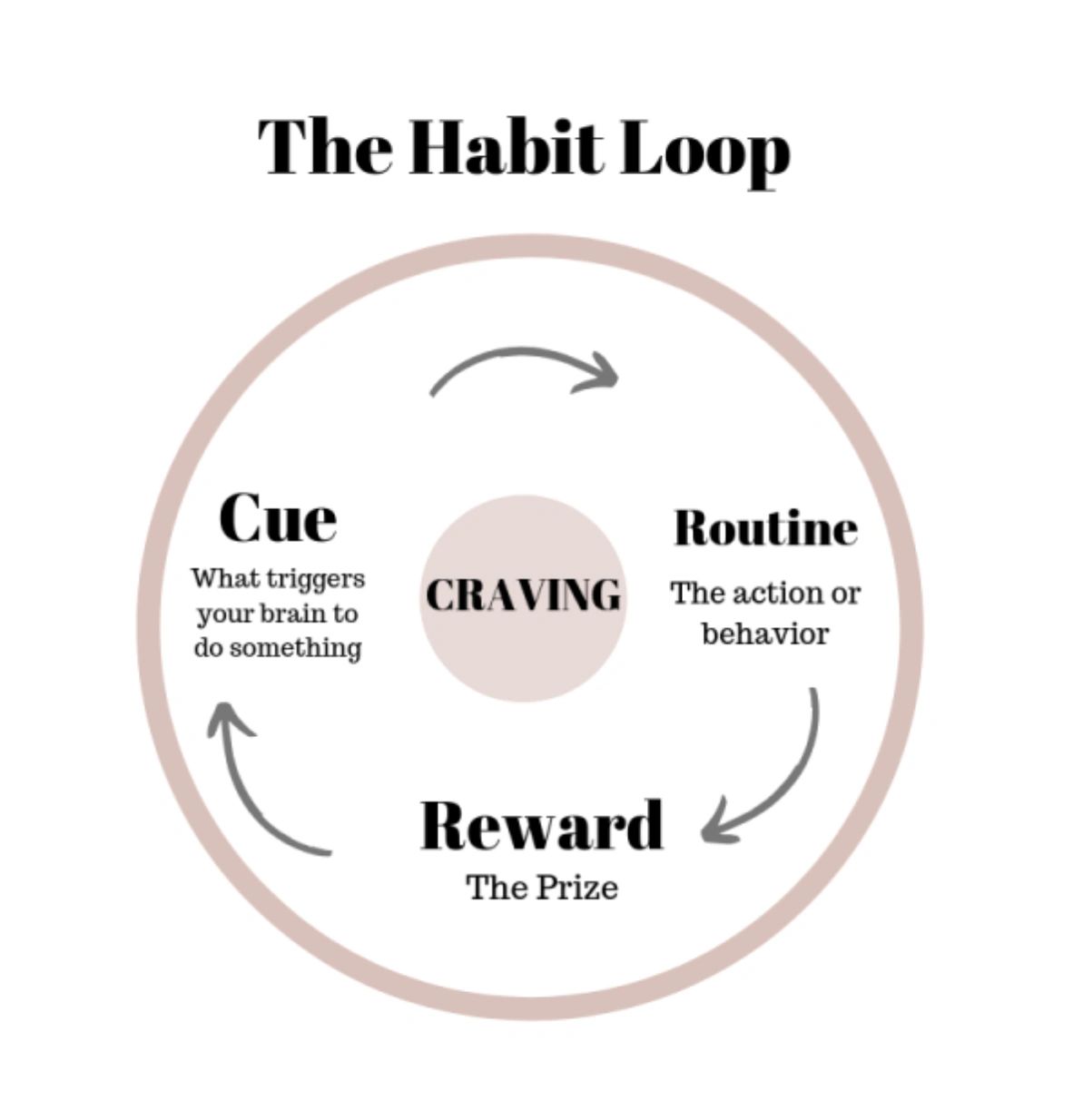
Many addictive patterns operate on autopilot.
Start by noticing:
- What do you reach for without thinking?
- When do you feel the urge to distract, numb, or escape?
- What time of day or emotional state triggers these behaviors?
Strategy: Track patterns for a few days. Not to judge—just to observe. Awareness is the first interruption.
🧠 Identify the “Why” Beneath the Behavior
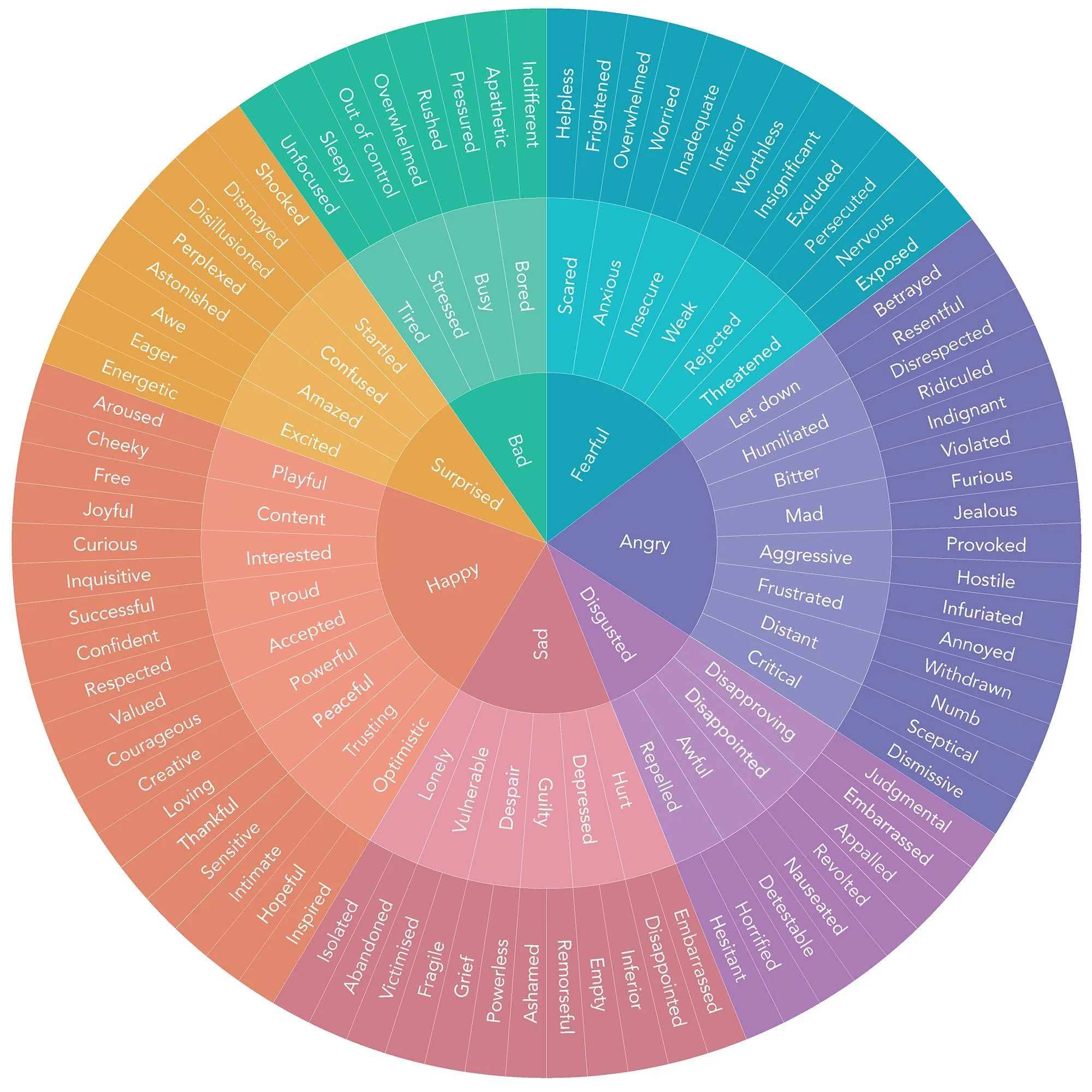
Unrecognized addiction is rarely about the behavior itself—it’s about what it relieves.
Ask:
- Am I avoiding stress, boredom, loneliness, or anxiety?
- What feeling shows up right before the behavior?
- What does this give me (relief, distraction, control)?
Strategy: Name the emotion before acting. Even a simple “I feel restless” creates space between impulse and action.
⏸️ Practice the Pause (Even for 30 Seconds)

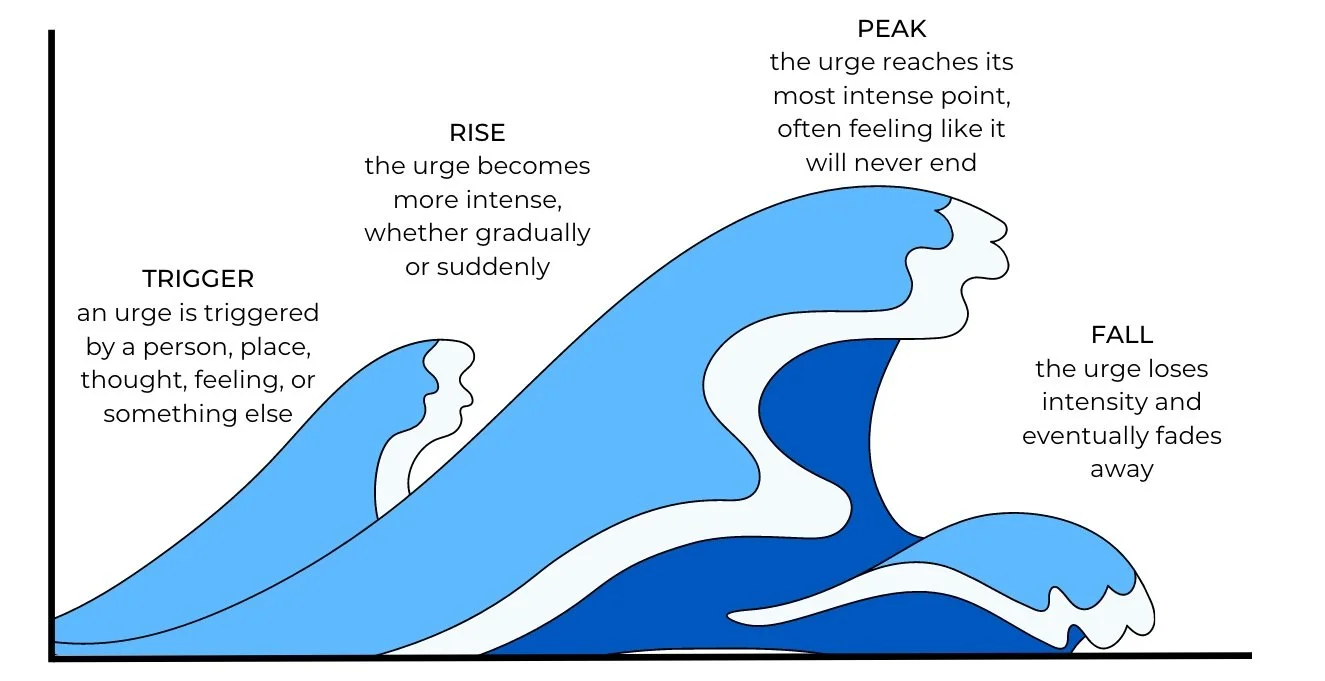
You don’t have to eliminate the behavior immediately. Start by interrupting it.
The pause technique:
- Notice the urge
- Wait 30–60 seconds
- Ask: Do I need this, or am I reacting?
This short pause weakens automatic patterns and strengthens awareness over time.
🔁 Replace, Don’t Just Remove

If a behavior serves a purpose, removing it without replacing it creates a gap.
Examples:
- Stress → try movement or breathing instead of substances
- Boredom → engage in something mildly stimulating (music, walking)
- Emotional overwhelm → journaling or talking to someone
Strategy: Match the replacement to the need, not just the behavior.
⚖️ Test Your Flexibility
A powerful way to assess a pattern is to gently challenge it.
Ask yourself:
- Can I go a day without this?
- What happens in my body if I don’t engage in it?
- Do I feel uncomfortable, anxious, or irritable?
Strategy: Try short breaks (a few hours, a day) and observe—not force. Your reaction gives you information.
🧭 Set Boundaries With Yourself
Unrecognized patterns thrive without limits.
Try:
- Time boundaries (e.g., “only after 6 pm”)
- Quantity limits
- Tech-free or substance-free windows
Key idea: Boundaries aren’t punishment—they’re structure. And structure brings awareness.
🌱 Build Tolerance for Discomfort
One of the biggest drivers of hidden addiction is the need to avoid discomfort immediately.
Practice:
- Sit with boredom for a few minutes
- Allow mild anxiety without fixing it instantly
- Experience stillness without distraction
This builds emotional and physical resilience—the opposite of dependency.
💬 Final Thoughts
Unrecognized patterns of addiction don’t announce themselves. They develop quietly, reinforced by routine and normalized by culture.
Self-management is about bringing those patterns into the light:
- Noticing instead of reacting
- Understanding instead of avoiding
- Choosing instead of defaulting
You don’t have to change everything at once.
You just have to start seeing clearly.
Because once you see the pattern—
You’re no longer living it unconsciously.
What You Don’t See Can Hurt: Family Strategies for Recognizing Hidden Patterns of Addiction
Addiction doesn’t always show up in obvious ways. It isn’t always marked by crisis, visible consequences, or clear loss of control. Sometimes, it looks like routine. Like coping. Like “just how things are.”
For families, this makes it especially difficult to recognize when something has shifted from habit to dependence. What’s normalized can go unquestioned. What’s subtle can go unnoticed.
Understanding unrecognized patterns of addiction requires families to move beyond extremes and learn how to see what’s quietly happening beneath the surface.
🔍 Learn to Notice Patterns, Not Just Problems
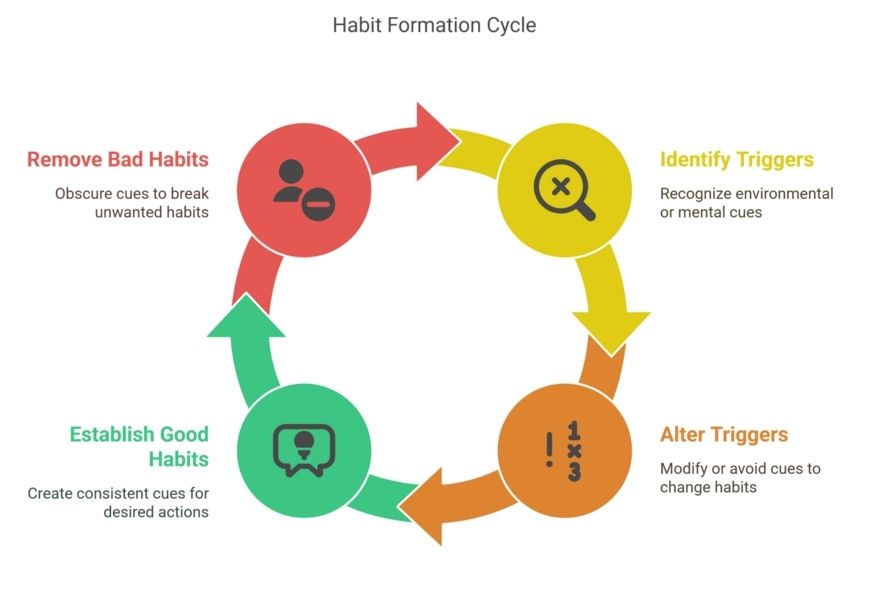
Families often wait for clear signs of “something wrong.” But hidden addiction patterns rarely start that way.
Instead, look for:
- Increasing reliance on something to cope (substances, screens, work, food)
- Irritability or discomfort when that behavior is interrupted
- Rigid routines around certain habits
- Emotional withdrawal or avoidance
Family strategy: Focus on patterns over time, not isolated incidents.
🧠 Understand the Function Behind the Behavior


Unrecognized addiction is often a coping mechanism in disguise.
Instead of asking:
- “Why are they doing this?”
Shift to:
- “What is this helping them avoid or manage?”
The behavior may be regulating:
- Stress
- Anxiety
- Loneliness
- Emotional overwhelm
Family strategy: Respond to the need, not just the behavior.
💬 Start Conversations Without Accusation
Direct confrontation can lead to defensiveness—especially when the person doesn’t see the pattern themselves.
Try:
- “I’ve noticed you seem more stressed lately and relying on this more—how are you feeling?”
- “I’m not judging, I just want to understand what this is doing for you.”
Avoid:
- Labels (“You’re addicted”)
- Absolutes (“You always…”)
- Shame-based language
Family strategy: Curiosity opens doors; accusation closes them.
⚖️ Normalize Reflection, Not Denial
If a behavior is socially accepted, it’s easy to dismiss concerns.
Families can gently introduce reflection:
- “Do you feel like you need this, or just enjoy it?”
- “What happens if you don’t have it for a day?”
Family strategy: Encourage awareness without forcing conclusions.
🚧 Set Boundaries Around Patterns That Impact the Family
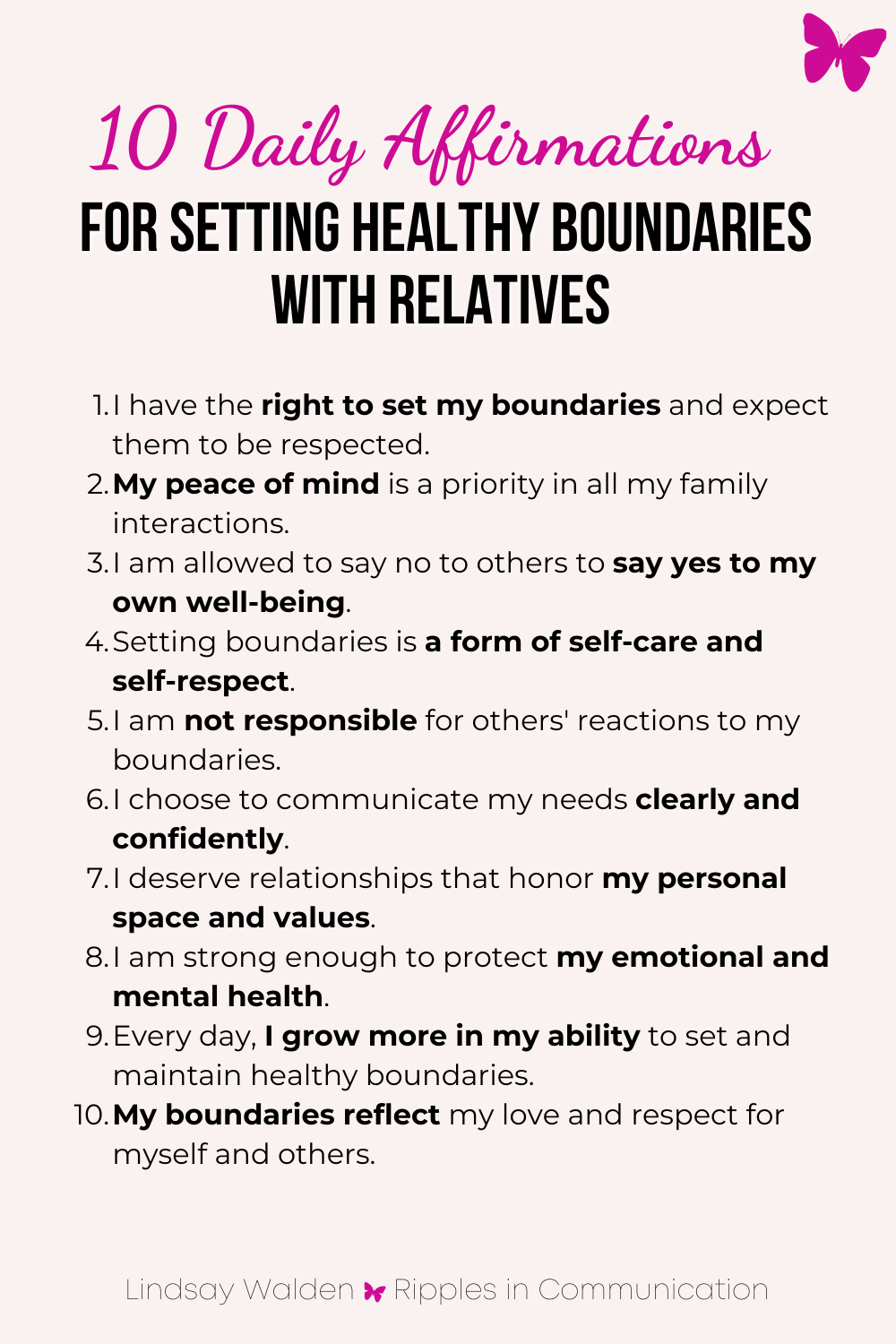


Even subtle patterns can affect the family dynamic.
Boundaries might include:
- Limiting certain behaviors in shared spaces
- Protecting family time from distractions or substances
- Not participating in or enabling the behavior
Key idea: Boundaries are about maintaining a healthy environment—not controlling the person.
🤝 Model Healthy Coping and Regulation

Families influence behavior not just through words, but through example.
Model:
- Taking breaks without substances or distractions
- Managing stress in visible, healthy ways
- Being present without constant stimulation
Family strategy: Offer alternatives rather than just discouraging patterns.
🌱 Be Patient With What’s Hard to See
One of the biggest challenges with unrecognized addiction is that the person may not believe there’s a problem.
Change often begins with:
- Repeated, calm conversations
- Consistent boundaries
- Ongoing support without pressure
Awareness is a process—not a single moment.
Final Thoughts
Unrecognized patterns of addiction don’t disrupt life right away—they quietly shape it. That’s what makes them so easy to miss, and so important to understand.
For families, the goal isn’t to diagnose or control—it’s to:
- Notice patterns
- Create space for honest reflection
- Respond with clarity, not reactivity
Because sometimes the most important support isn’t reacting to what’s obvious—
It’s gently bringing attention to what’s been invisible all along.
Bringing It Into Focus: Community Strategies for Recognizing Hidden Patterns of Addiction
Not all addiction is visible. Some patterns are woven into everyday life—normalized by culture, reinforced by routine, and overlooked because they don’t immediately disrupt functioning. These unrecognized patterns can quietly shape behavior, emotional regulation, and dependency over time.
This is where community resources become essential. They provide perspective, education, and structure—helping individuals and families see what’s hard to recognize on their own.
Understanding addiction isn’t just a personal process. It’s often something that becomes clearer through connection, shared knowledge, and collective awareness.
🧠 Community Education: Naming What Feels “Normal.”
One of the biggest barriers to recognizing hidden addiction is a lack of awareness.
Community-based education (workshops, public health campaigns, school programs) helps people:
- Understand the difference between habit and dependence
- Recognize subtle behavioral patterns
- Learn the physical and psychological signs of addiction
Strategy: Exposure to accurate information helps individuals re-evaluate what they’ve normalized.
🗣️ Peer Conversations: Hearing Your Experience in Someone Else
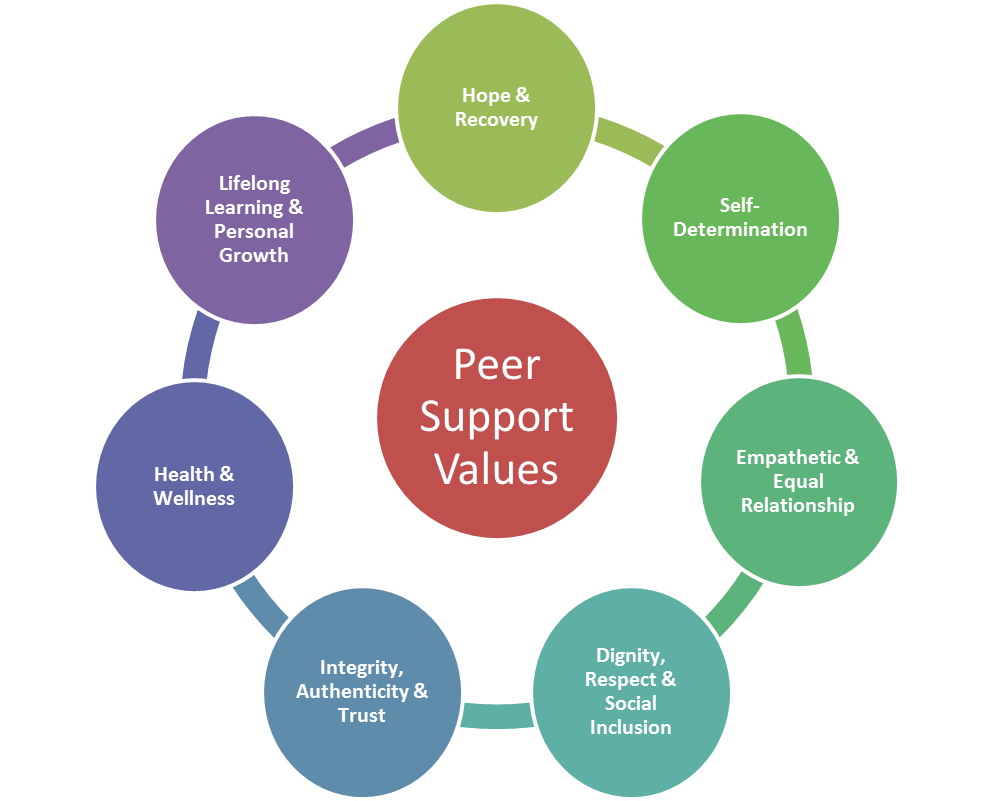
Sometimes, recognition happens through relatability.
Hearing others describe:
- “I didn’t realize it was a problem because…”
- “It started as something small…”
…can create powerful moments of self-awareness.
Community strategy: Peer groups (formal or informal) create spaces where people can see their own patterns reflected in others—often for the first time.
🔍 Screening and Early Intervention Resources

Unrecognized patterns often become visible through structured reflection.
Community resources may include:
- Self-assessment tools
- Primary care screenings
- Brief intervention programs
These tools help identify:
- Frequency and reliance
- Emotional or physical dependence
- Risk patterns before they escalate
Strategy: Normalize regular check-ins—not just crisis-based intervention.
🧭 Access to Counseling and Preventive Support
You don’t have to wait for a problem to become severe to seek help.
Community counseling services can:
- Help individuals explore patterns early
- Identify underlying emotional drivers
- Provide tools to interrupt behaviors before dependence deepens
Key idea: Early support is not overreacting—it’s prevention.
🏠 Creating Environments That Challenge Normalization
4
Communities shape what feels “normal.”
When environments:
- Promote constant stimulation or substance use
- Reward overwork or avoidance
- Minimize unhealthy coping
…patterns go unnoticed.
But when communities offer:
- Sober or low-stimulation spaces
- Wellness-focused events
- Open conversations about coping
…it creates contrast—and contrast builds awareness.
🔁 Building a Network of Awareness
The most effective community strategy isn’t one resource—it’s a network:
- Education that informs
- Conversations that normalize honesty
- Screenings that identify risk
- Counseling that supports change
- Environments that reinforce healthier patterns
Together, these create a culture where hidden addiction is more likely to be seen—and addressed early.
🌱 Shifting the Lens
Unrecognized patterns of addiction don’t mean something is “wrong” with a person. They often reflect:
- Adaptation to stress
- Cultural norms
- Lack of awareness
Community resources help shift the question from:
“Is this bad enough to matter?”
to
“Is this something worth understanding more clearly?”
💬 Final Thoughts
The most powerful patterns are often the ones we don’t question.
Community resources play a critical role in changing that—not by labeling or judging, but by illuminating. They help people see their behaviors in context, understand their function, and recognize when something has shifted from optional to necessary.
Because awareness rarely happens in isolation.
It happens when knowledge, connection, and environment come together—
and make the invisible visible.
Frequently Asked Questions
Here are some common questions:
1. What are “unrecognized patterns of addiction”?
These are subtle, often normalized behaviors that function like addiction but don’t look obvious. They may include reliance on things like work, social media, food, or substances to cope with stress or emotions—without recognizing the growing dependence.
2. How is this different from typical addiction?
Traditional views of addiction focus on severe, visible consequences. Unrecognized patterns:
- Develop gradually
- Often, don’t disrupt daily functioning at first
- Are socially accepted or even encouraged
Because of this, they can go unnoticed for long periods.
3. Can everyday habits really become addictive?
Yes—when a habit shifts from optional to necessary, it may indicate dependence. The key factor isn’t the activity itself, but whether it’s being used repeatedly to regulate emotions or avoid discomfort.
4. Why are these patterns so hard to notice?
Because they often:
- Looks like “normal” behavior
- Provide immediate relief
- Are reinforced by culture (e.g., overworking, constant phone use)
- Don’t cause immediate negative consequences
This makes them easy to justify and ignore.
5. What are some examples of unrecognized addiction patterns?
Common examples include:
- Constant phone or social media use to avoid stillness
- Overworking to escape emotional discomfort
- Using food, caffeine, or alcohol daily to regulate mood
- Needing constant stimulation to feel okay
Again, it’s not the behavior—it’s the dependence on it.
6. How can I tell if something is becoming a problem?
Ask yourself:
- Do I feel uncomfortable or irritable without it?
- Do I rely on it to cope with stress or emotions?
- Have I tried to cut back and struggled?
- Does it feel like a need instead of a choice?
These are early indicators of dependency.
7. Are there physical aspects to these patterns, too?
Yes. Even subtle patterns can:
- Affect dopamine and reward systems
- Create habitual brain pathways
- Lead to restlessness or discomfort when the behavior stops
The body can begin to expect the behavior for regulation.
8. Is this something to be worried about if it’s not severe?
It’s less about worry and more about awareness. Early recognition allows for small adjustments before patterns become more ingrained or harder to change.
9. Can these patterns turn into a more serious addiction?
They can. Repeated reinforcement strengthens the brain’s association between relief and the behavior, which can increase dependence over time if left unexamined.
10. How do you start changing something you barely notice?
Start with:
- Awareness (tracking patterns)
- Pausing before acting
- Identifying underlying emotions
- Replacing the behavior with healthier coping strategies
Change begins with noticing.
11. Should I stop the behavior completely?
Not always. The goal isn’t necessarily elimination—it’s regaining choice and flexibility. If you can engage in the behavior without needing it, that’s a healthier relationship.
12. How can families or communities help with this?
They can:
- Encourage open, non-judgmental conversations
- Normalize reflection instead of denial
- Provide education about subtle addiction patterns
- Model healthy coping strategies
Awareness often grows through shared understanding.
13. Does recognizing these patterns mean something is “wrong” with me?
No. These patterns are often adaptive responses to stress, environment, or emotional needs. Recognizing them is a sign of awareness—not failure.
14. Why does awareness matter so much?
Because what goes unnoticed continues automatically.
Awareness allows you to:
- Interrupt patterns
- Make intentional choices
- Build healthier ways of coping
15. What’s the first step if I think I have an unrecognized pattern?
Start simple:
- Observe without judgment
- Ask what the behavior is doing for you
- Create small pauses before engaging
You don’t need a drastic change—just a clearer understanding.
Conclusion
Recognizing unrecognized patterns of addiction is not about labeling or judging—it is about becoming aware. When we begin to notice how certain behaviors are used to regulate emotions or avoid discomfort, we gain the ability to make more intentional choices. This awareness allows individuals, families, and communities to respond earlier, with greater clarity and compassion, before patterns become more deeply ingrained. By shifting the focus from the obvious to the habitual and normalized, we create space for reflection, healthier coping strategies, and meaningful change. Because what is brought into awareness can be understood—and what is understood can begin to change.
Video: